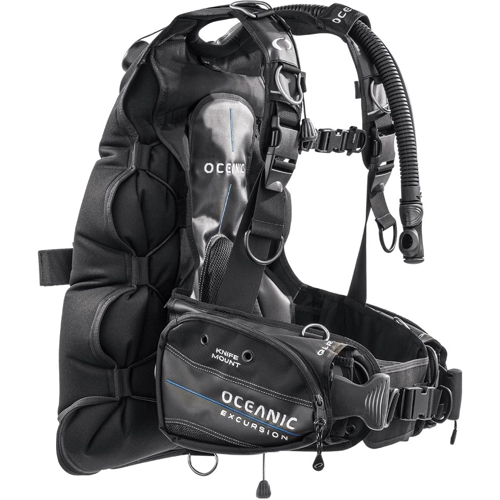
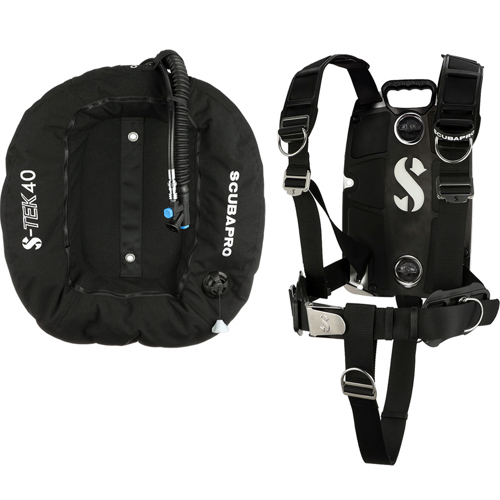
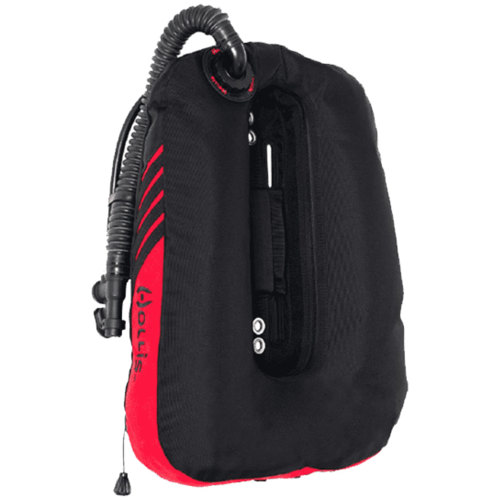
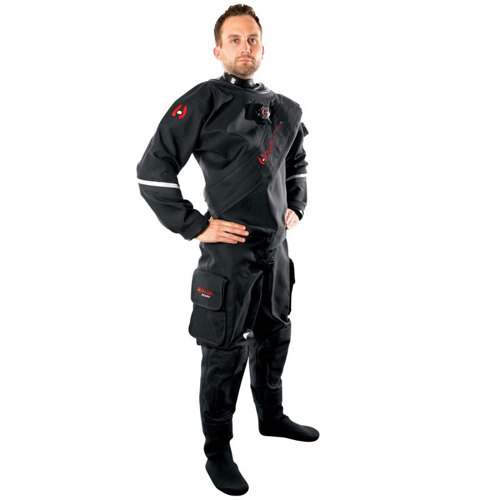
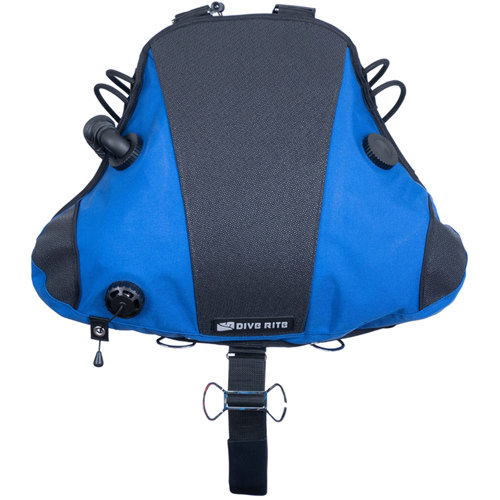
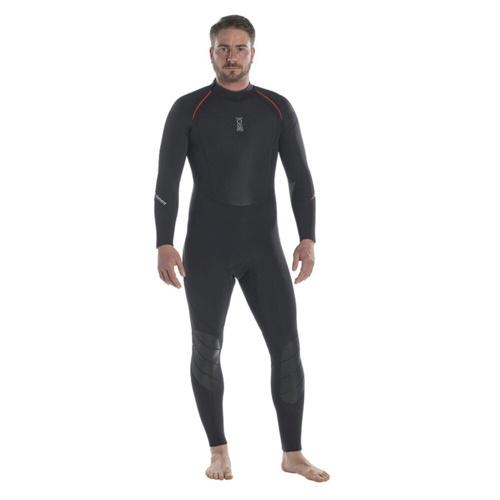
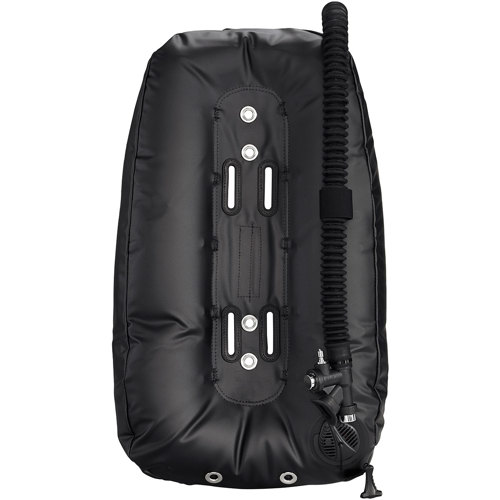
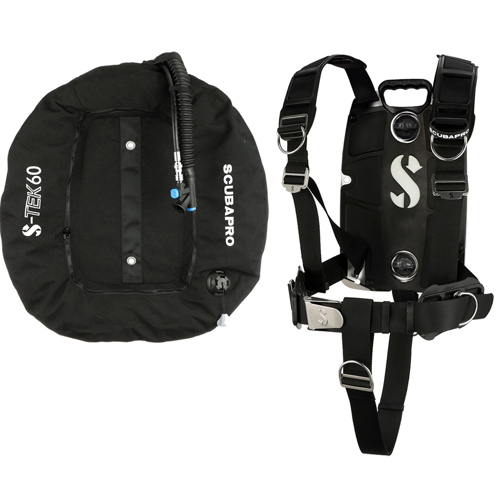
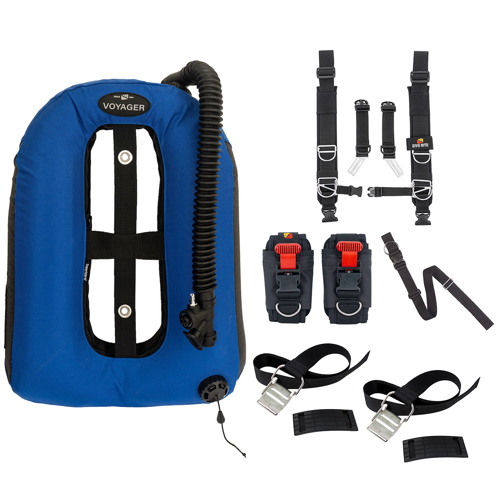
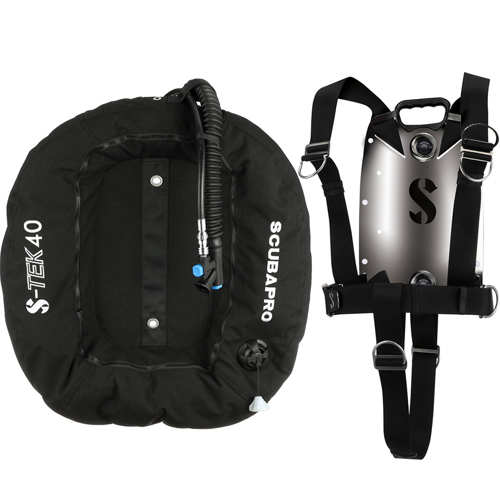
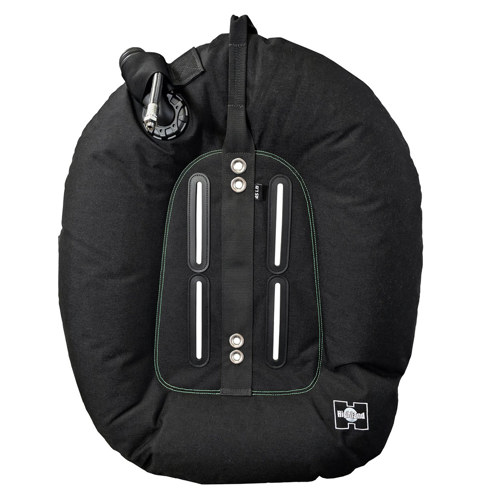
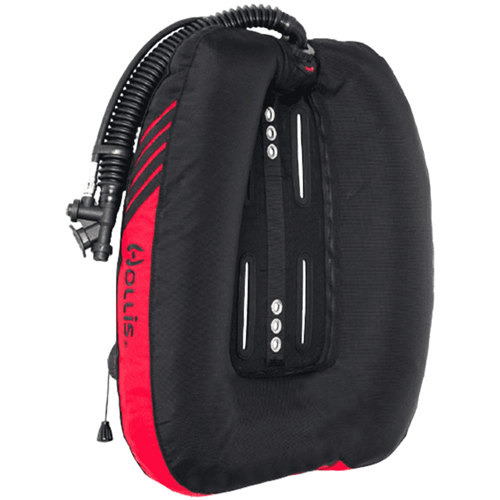
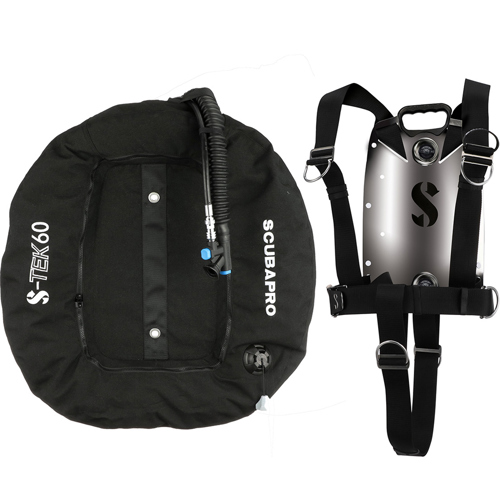
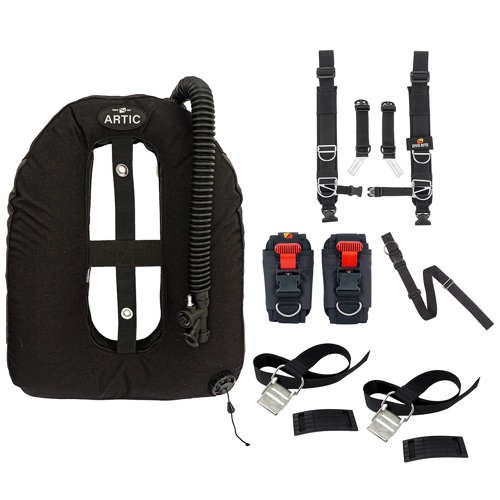
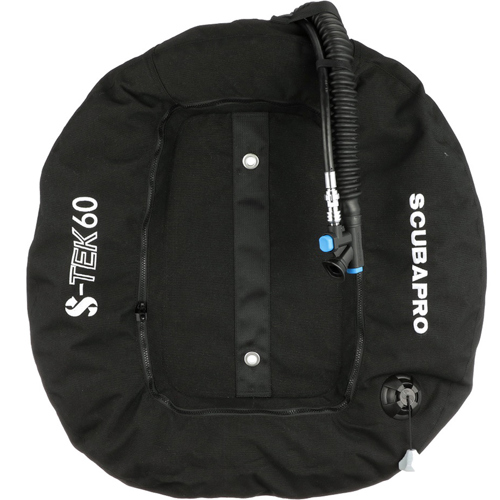
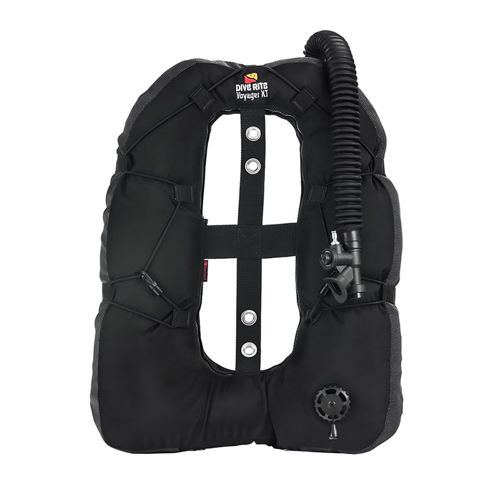
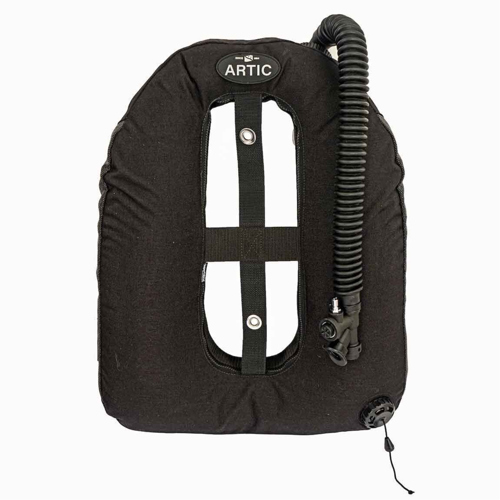
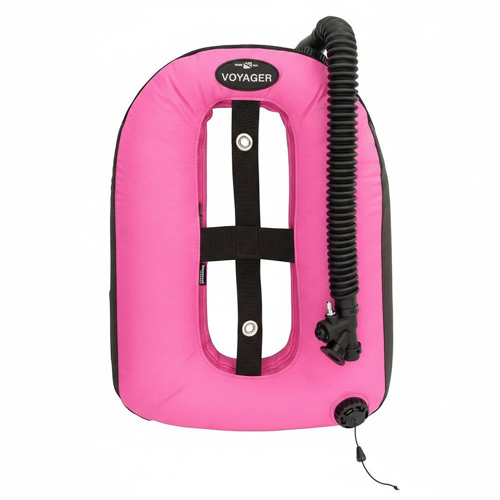
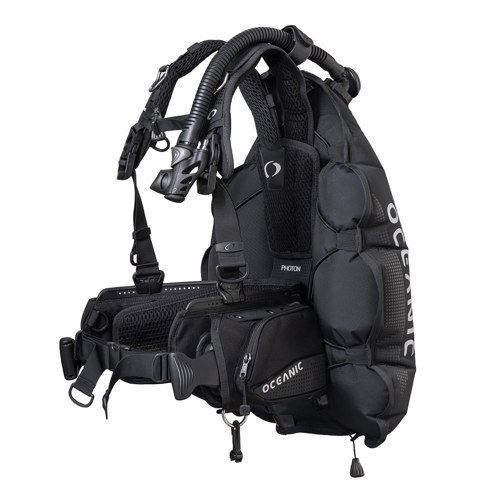
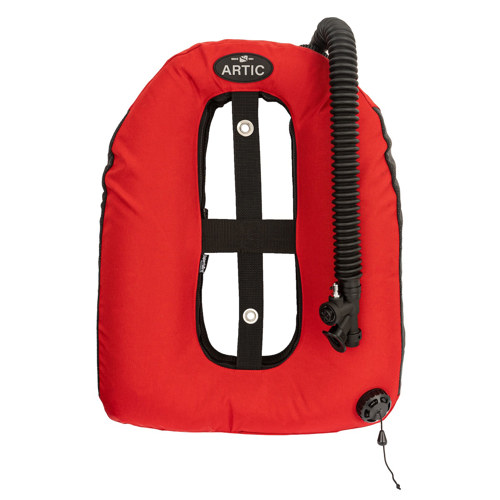
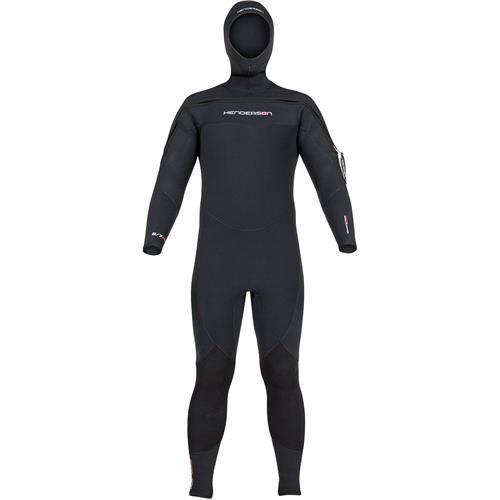
Heavy exposure protection wings are a vital component for divers venturing into demanding environments where standard buoyancy compensators simply won’t suffice. These specialized wings, commonly offering 30 to 60 pounds of lift, are engineered to support the substantial weight of heavy steel cylinders and the inherent buoyancy of thick exposure suits, such as drysuits. As January ushers in colder waters across many dive destinations, the need for robust, cold-water-ready equipment becomes especially pressing. For technical divers, public safety professionals, and anyone tackling deep, extended, or overhead environments, heavy exposure protection wings deliver the stability and reliability required to manage extra ballast and redundant gas supplies. The design philosophy behind these wings prioritizes durability, with outer shells crafted from high-denier ballistic nylon or similar abrasion-resistant materials, ensuring the gear stands up to rocky entries, wreck penetrations, and the abrasive effects of silt-laden bottoms. The contoured shape of these wings hugs the cylinder closely, minimizing drag and supporting excellent trim, which is essential when precise buoyancy control can mean the difference between a smooth dive and a struggle against the environment.
Selecting the right heavy exposure protection wing involves several practical considerations that go beyond just lift capacity. Divers must account for the total weight of their rig, including tanks, exposure suit, and accessories, to ensure they have enough buoyancy at the surface and throughout the dive. Modularity is another key feature, as most heavy-duty wings are designed to integrate seamlessly with backplate and harness systems, allowing for customization to fit individual body types and dive objectives. The placement and accessibility of dump valves, inflator hoses, and over-pressure valves can make a significant difference in comfort and control, especially when wearing thick gloves in frigid conditions. For those who regularly dive in contaminated or hazardous waters—such as public safety divers—wings built with reinforced, chemical-resistant materials offer additional peace of mind. Anecdotally, many divers recall their first winter dive in a drysuit, grappling with the unfamiliar buoyancy and realizing the inadequacy of a standard BC. Upgrading to a heavy exposure wing not only restored confidence but also transformed the experience, making it possible to maintain perfect trim even under the weight of multiple cylinders and backup gear. These wings are also a thoughtful gift for experienced divers expanding into technical or cold-water diving, as well as for instructors or dive team members who need equipment that can withstand the rigors of frequent, challenging dives.
While heavy exposure protection wings are indispensable for certain environments, it’s important to match your gear to your diving style and conditions. Divers who primarily explore warm, shallow waters or travel frequently may prefer lighter, more streamlined options. For those interested in exploring the differences, our
Minimal Exposure Wings page provides a comprehensive look at alternatives suited to less demanding conditions. Ultimately, the right wing is the one that keeps you safe, comfortable, and in control, whether you’re descending into icy blue depths, navigating the labyrinth of a wreck, or supporting a rescue operation. Investing in a heavy exposure protection wing is not just about adding another piece of equipment to your kit—it’s about opening up new possibilities, extending your season, and ensuring every dive is as safe and enjoyable as possible, no matter what the environment throws your way.