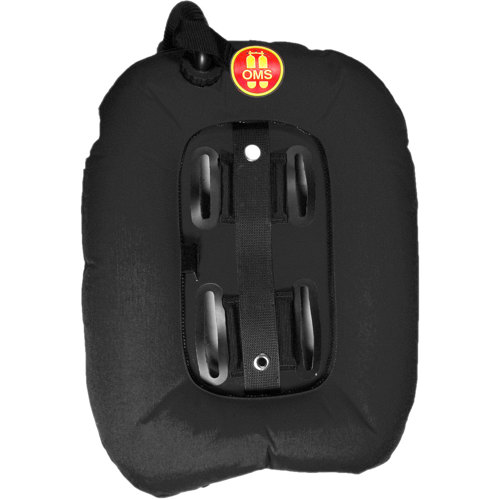
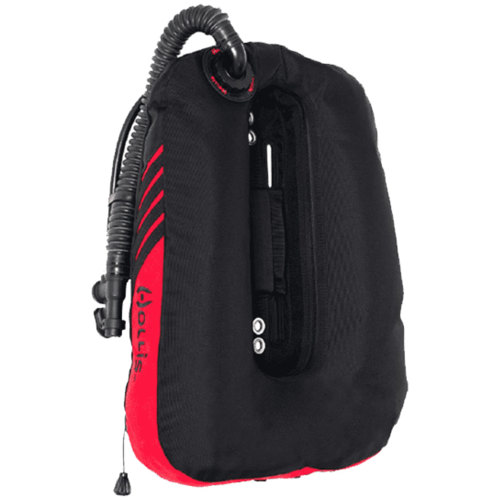
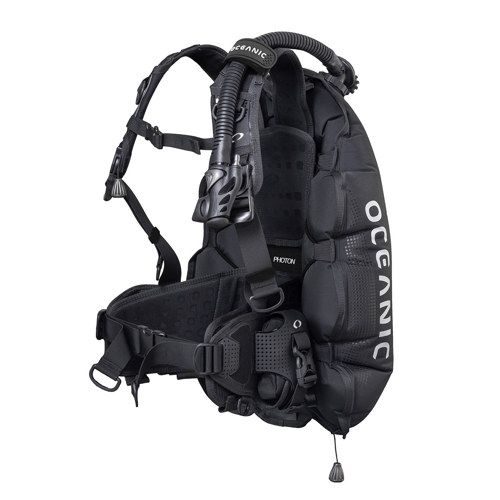
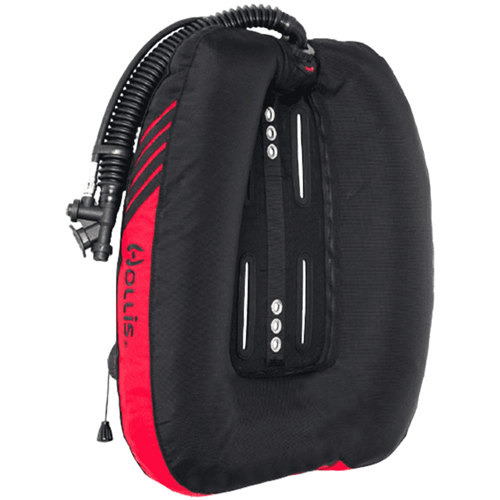
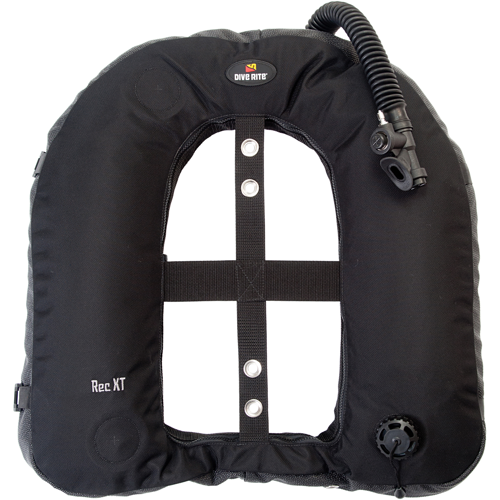
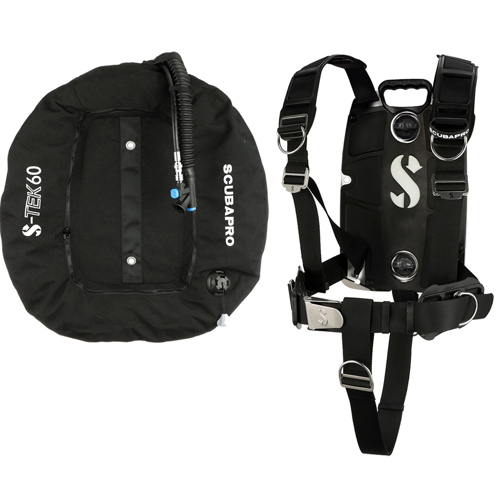
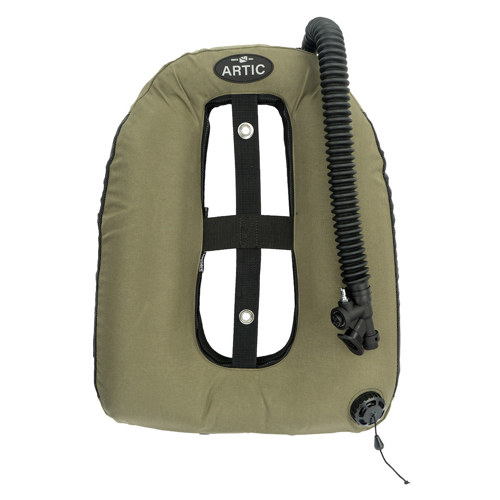
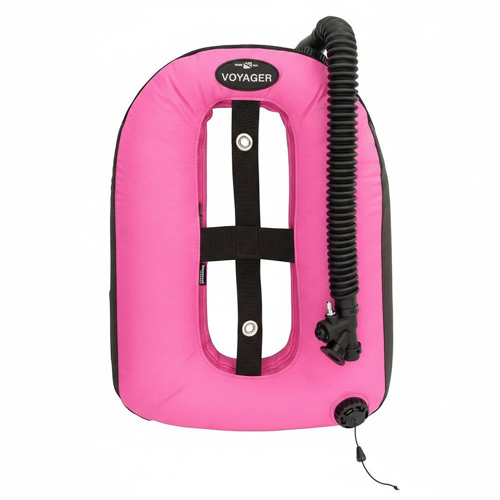
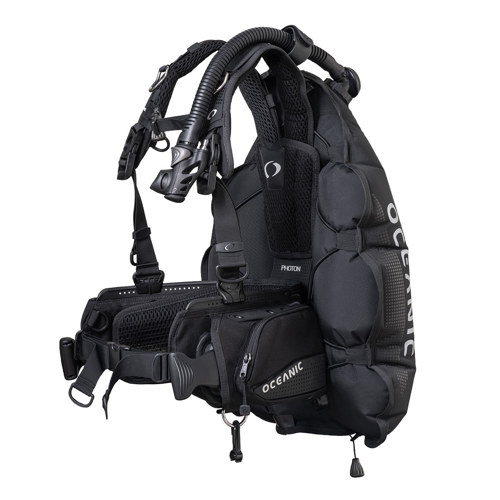
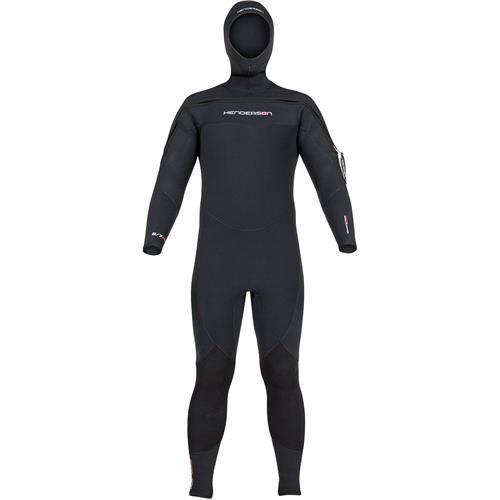
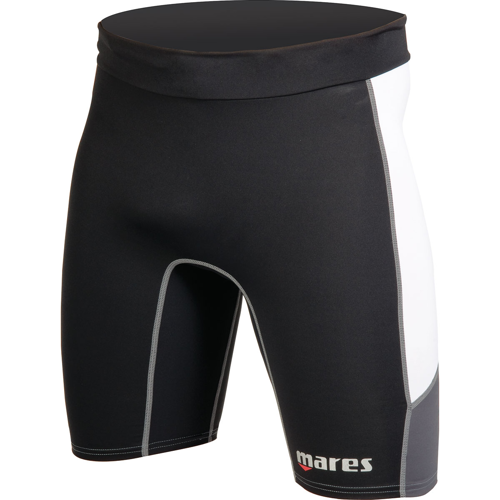
When considering exposure protection wings, it’s important to understand the unique role they play across a variety of activities—most notably in underwater sports and professional environments where safeguarding the body from environmental hazards is essential. For divers, the term “wings” often refers to the inflatable bladder component of a buoyancy compensator device (BCD), a crucial piece of equipment for controlling buoyancy and maintaining stability beneath the surface. These wings are engineered to provide the right amount of lift, tailored to the diver’s gear configuration and the demands of the dive site. Whether you’re exploring a shipwreck in brisk January waters or navigating the gentle currents of a tropical reef, the right exposure protection wing can make all the difference in comfort and safety. The streamlined design of these wings minimizes drag, allowing divers to move efficiently, while robust materials shield against the cold and abrasive contact with rocks or wreckage. For those who dive in colder months or regions, pairing a wing with a dry suit or thick wetsuit is a common strategy to ensure thermal protection and buoyancy control, especially when carrying heavier tanks or additional gear.
Exposure protection wings aren’t limited to scuba diving, though their application in the underwater world is perhaps the most recognized. In healthcare settings, particularly radiology and imaging, specialized fabric extensions—often called axillary protection wings—are integrated into lead aprons to provide additional coverage for the sensitive underarm region. This enhancement is vital for professionals who spend long hours around radiation sources, offering peace of mind and tangible protection, especially as awareness grows around occupational health risks. Similarly, in the realm of indoor cycling and water sports, exposure protection wings take on new forms: absorbent covers that shield bike frames from corrosive sweat during intense training sessions, or protective wraps guarding the rails of foil boards from dings and impacts. These innovations may seem simple, but they are the result of careful design and a deep understanding of the user’s needs, whether that’s a triathlete logging winter miles on a stationary bike or a kite surfer safeguarding their gear from the rigors of the shoreline.
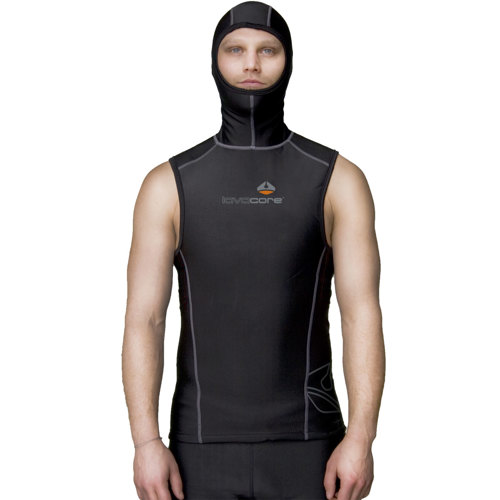
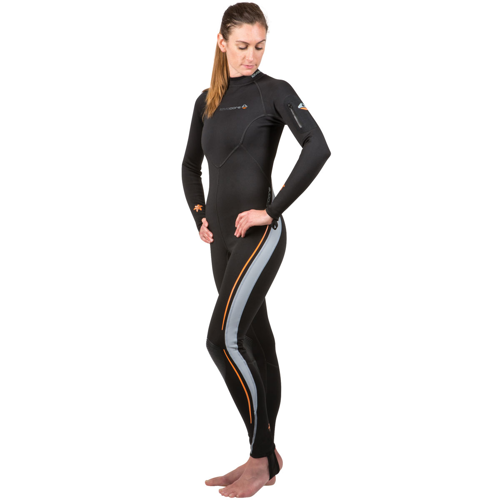
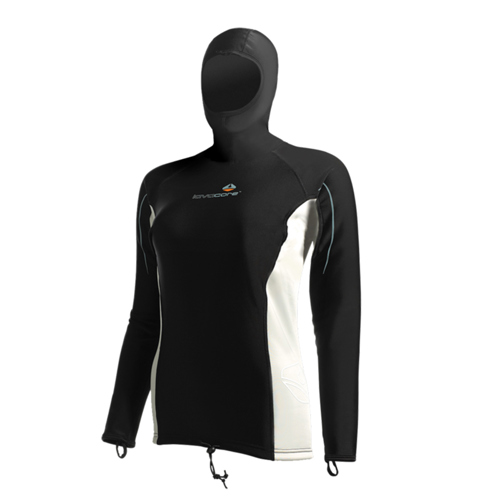
Selecting the right exposure protection wing involves considering the specific environment and activity, as well as the individual’s experience level and equipment preferences. For divers, the choice often comes down to fit, lift capacity, and compatibility with other exposure protection gear—many find that wings make a thoughtful gift for dive buddies or family members embarking on advanced training or travel to new dive destinations. Healthcare professionals may prioritize lightweight, ergonomic designs that do not impede movement during long shifts, while cyclists and water sports enthusiasts look for durability and ease of cleaning. As you browse our curated selection, remember that exposure protection is about more than comfort; it’s a key factor in safety, longevity of equipment, and overall enjoyment of your chosen activity. For those seeking additional layers of protection, our collection of
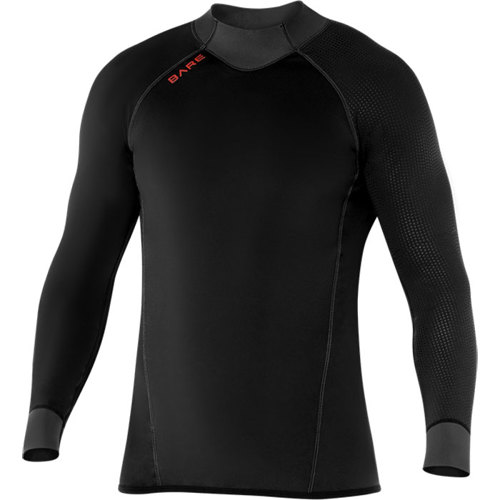
Exposure Protection Jackets offers further options to complement your gear, ensuring you’re prepared for whatever conditions the season brings. Whether you’re braving the cool depths this winter or protecting yourself and your equipment from the unseen hazards of your sport, the right exposure protection wing is an investment in confidence, performance, and peace of mind.