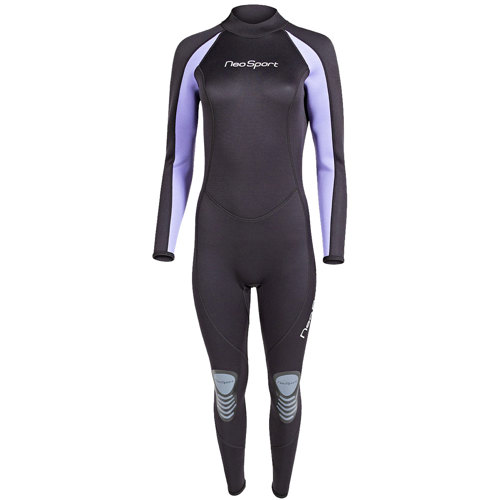
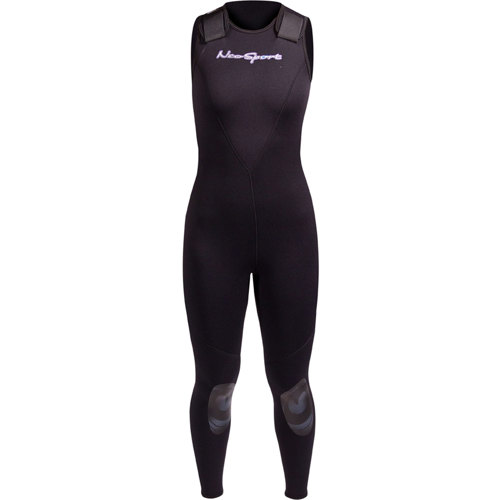
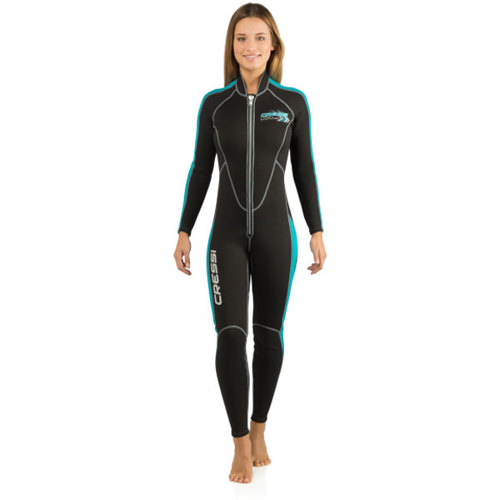
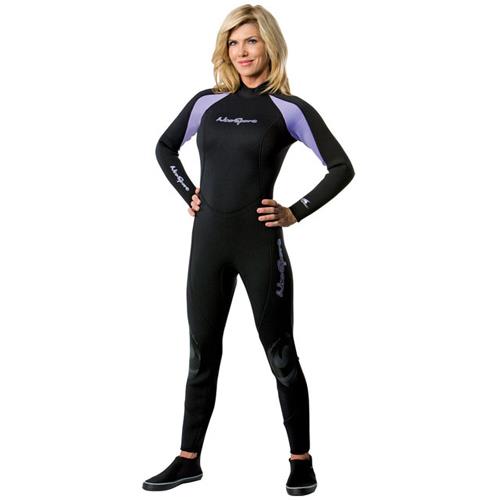
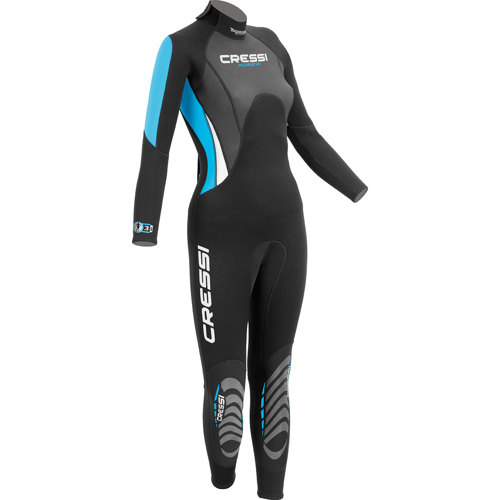
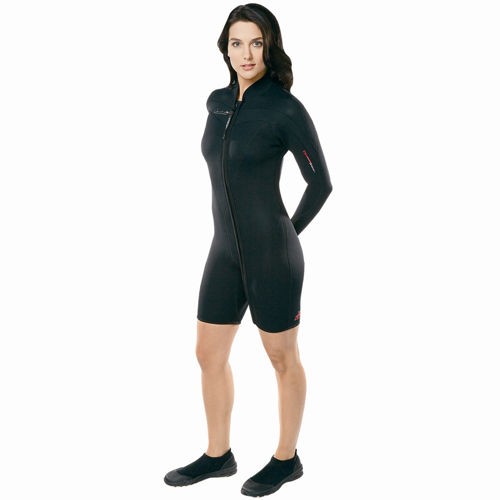
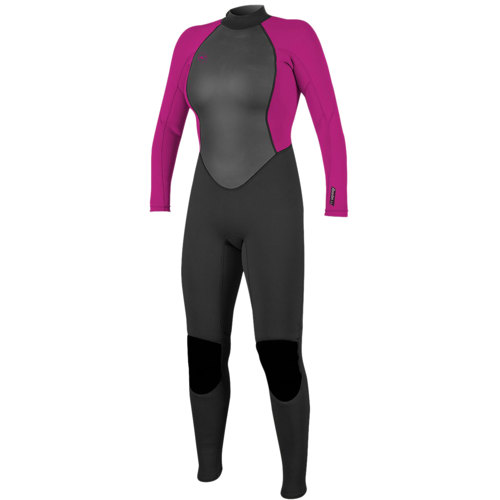
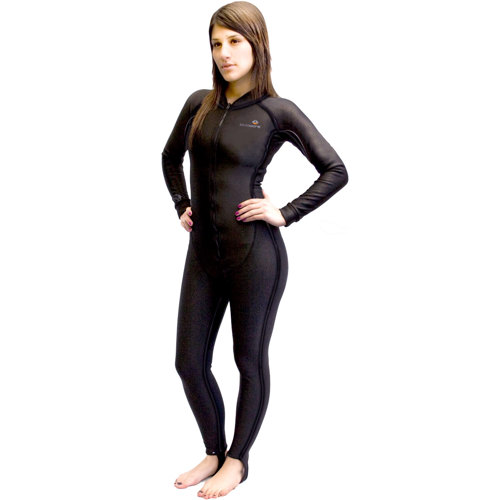
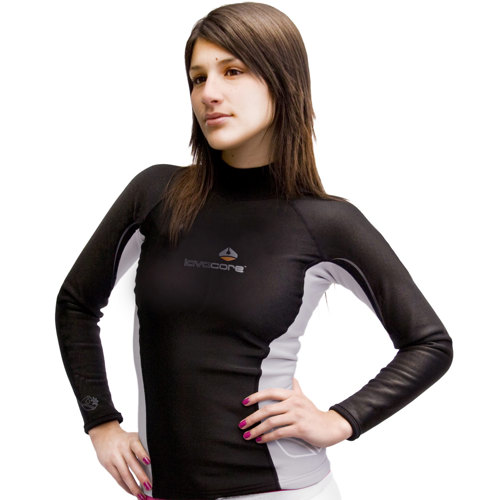
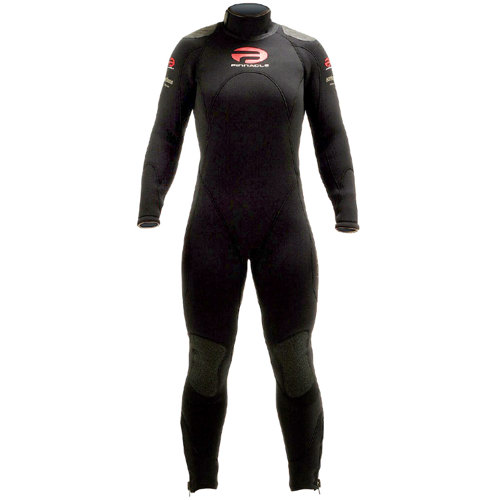
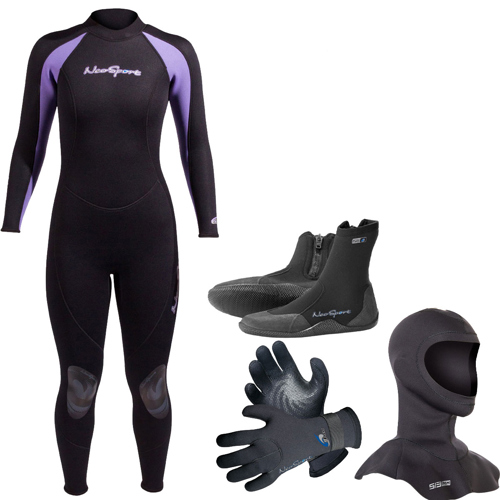
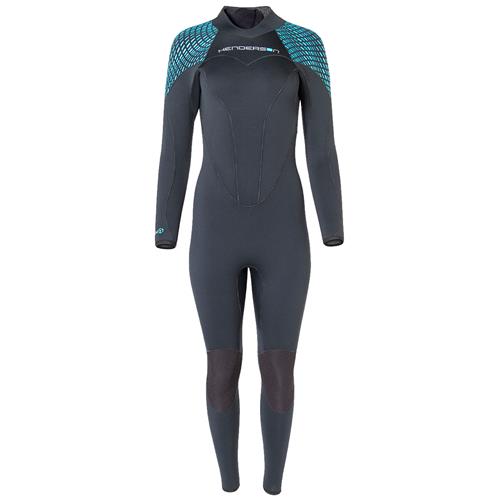
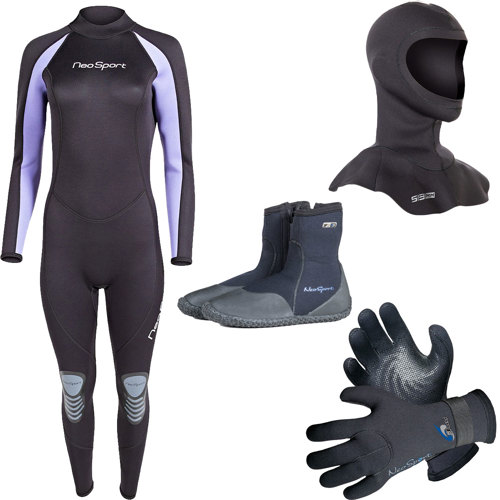
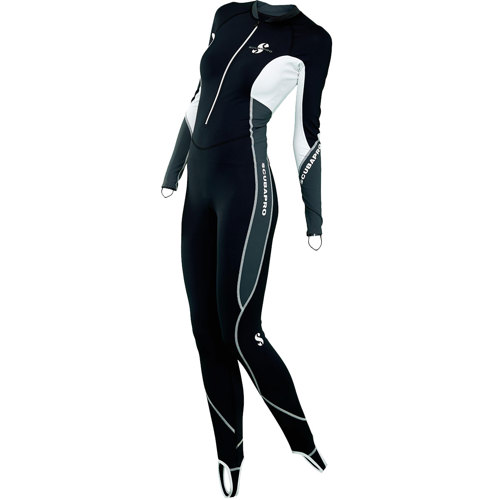
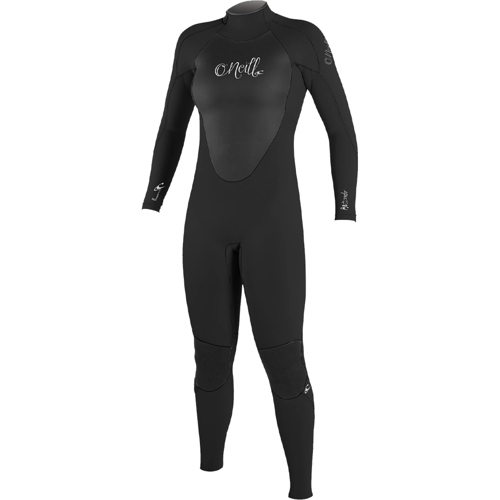
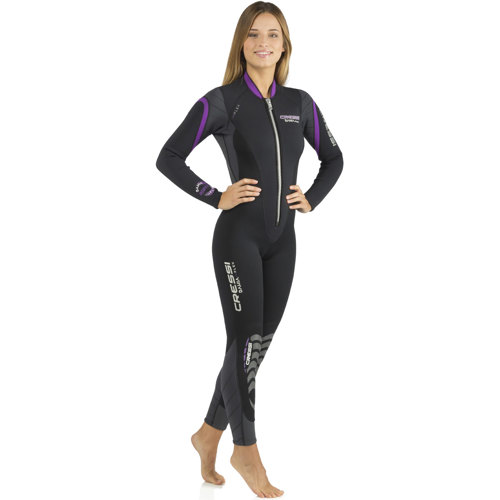
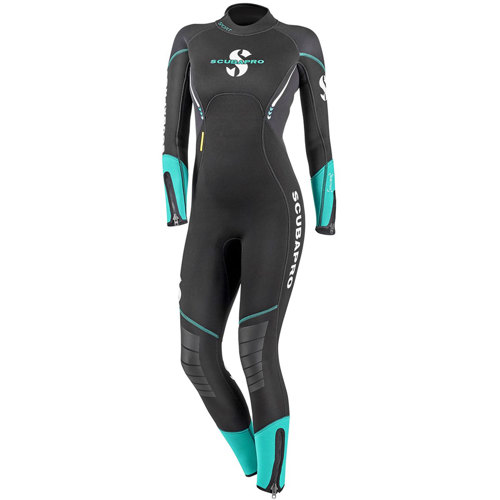
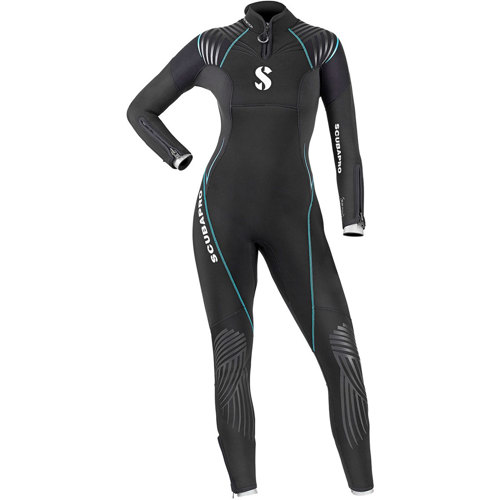
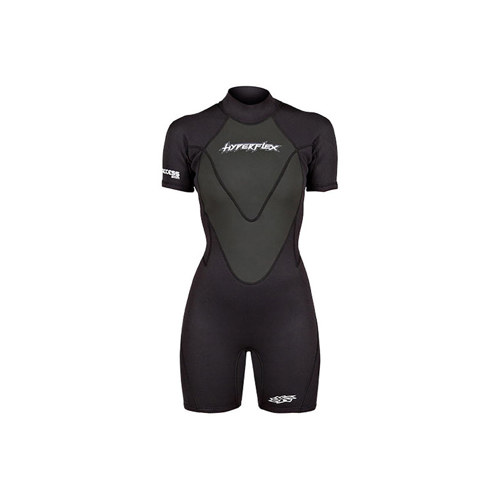
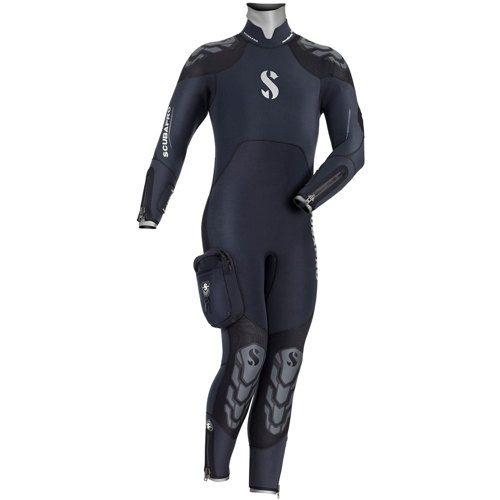
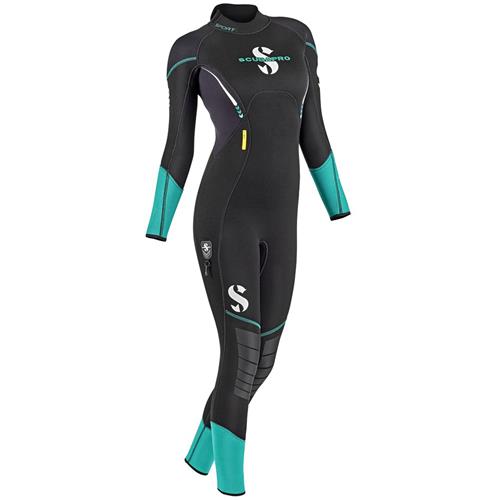
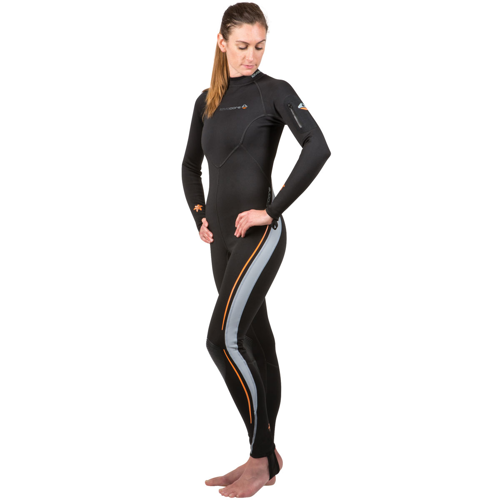
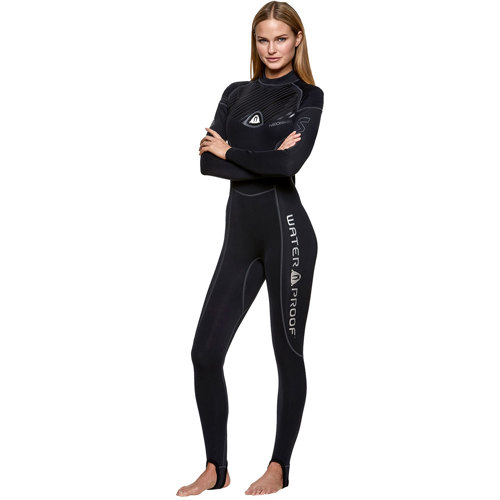
Women’s exposure protection suits are a cornerstone of safety and comfort for those venturing into a wide variety of environments—whether beneath the water’s surface, under the open sun, or in settings that require defense against hazardous materials. For divers, snorkelers, paddlers, and outdoor enthusiasts, these suits serve as a reliable barrier against the elements, offering thermal insulation, UV protection, and resistance to abrasions or stings. As the weather warms and aquatic activities become more popular, many women reach for exposure suits that are specifically tailored to fit the female form, ensuring both effective coverage and freedom of movement. The thoughtful design of these suits can make a tangible difference; a properly fitted wetsuit, for example, hugs the body to minimize water flow and maximize warmth, while a sun-protective suit with a high UPF rating shields the skin from intense rays during long days on the water or at the shoreline. For those who enjoy paddleboarding at sunrise, swimming in open water, or exploring vibrant reefs, the right suit can mean the difference between a memorable adventure and an uncomfortable outing.
Beyond recreational pursuits, women’s exposure protection suits play a vital role in occupational safety and specialized environments. Healthcare professionals, laboratory technicians, and industrial workers rely on suits engineered to guard against chemical splashes, particulates, or even radiation, with features such as sealed seams, breathable yet impermeable fabrics, and ergonomic fits that accommodate a range of motion. These suits are often selected according to rigorous standards, and choosing the right level of protection—whether for a quick lab procedure or extended time in a hazardous zone—requires careful consideration of the specific risks involved. For those working in environments with electrical hazards or fire risks, flame-resistant and arc flash suits designed with women’s proportions in mind provide essential protection without sacrificing comfort or mobility. As more women enter fields that demand such gear, the importance of suits that address anatomical differences and practical needs has never been clearer. Even outside of professional contexts, exposure protection suits can be a thoughtful gift for anyone who values outdoor adventure or works in challenging conditions—think of the friend who trains for triathlons, the daughter embarking on a marine biology internship, or the colleague who spends long hours in the field.
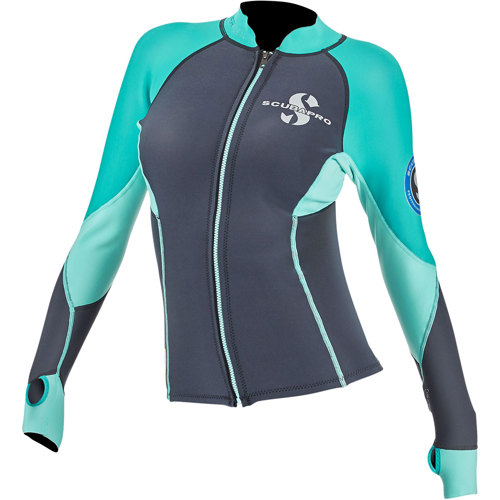
Selecting the ideal exposure protection suit involves balancing factors such as intended activity, environmental conditions, fit, and personal comfort. For aquatic use, thickness and material flexibility are crucial—thinner suits offer greater mobility and are perfect for warmer water, while thicker options provide insulation during cooler dives. Sun-protective suits with long sleeves and high necklines are especially popular during the brighter months, offering peace of mind for those sensitive to UV exposure. In industrial or medical settings, certified suits with specialized barriers are essential for meeting safety requirements. Many women also choose to pair their primary suit with additional layers, such as vests or jackets, to adapt to changing conditions or provide extra warmth when needed. For those interested in versatile layering options, our collection of
Exposure Protection Jackets offers a practical solution that can be worn over wetsuits or on their own for added protection. Ultimately, the right exposure protection suit empowers women to pursue their passions and professions with confidence, whether that means diving into new waters, working in demanding environments, or simply enjoying the outdoors with the assurance that their gear is up to the task.