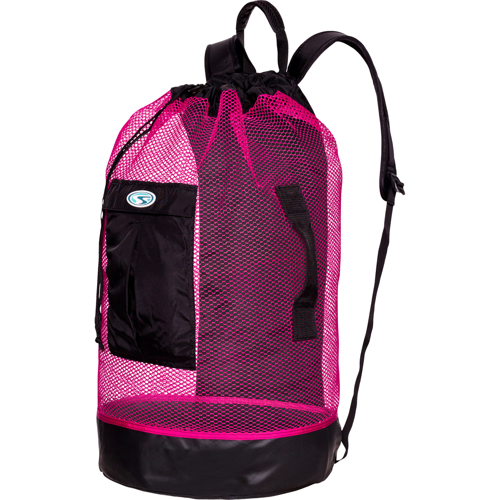
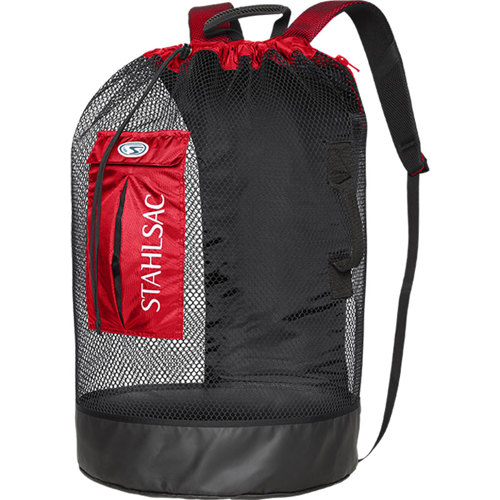
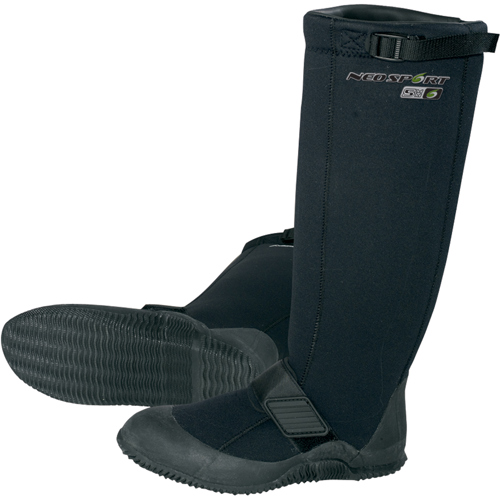
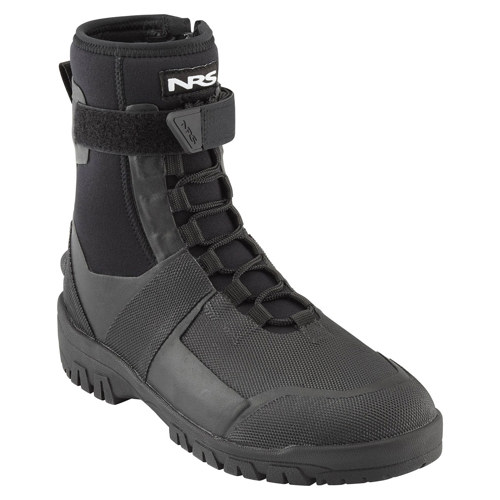
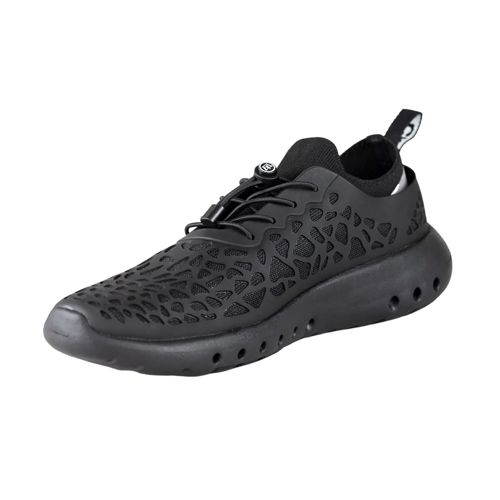
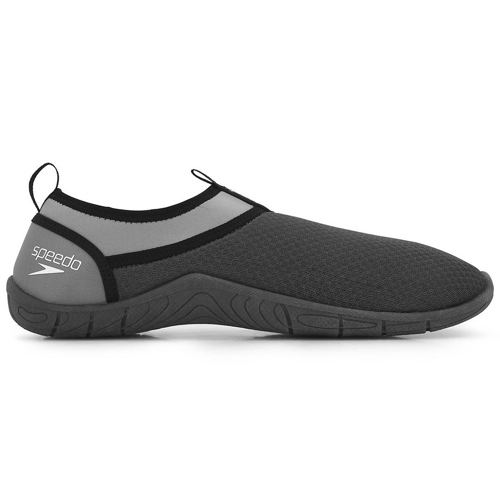
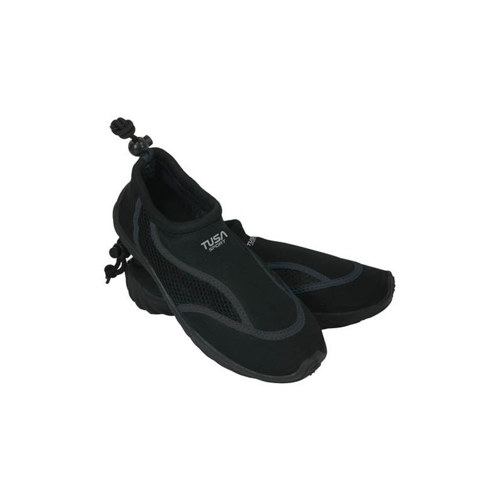
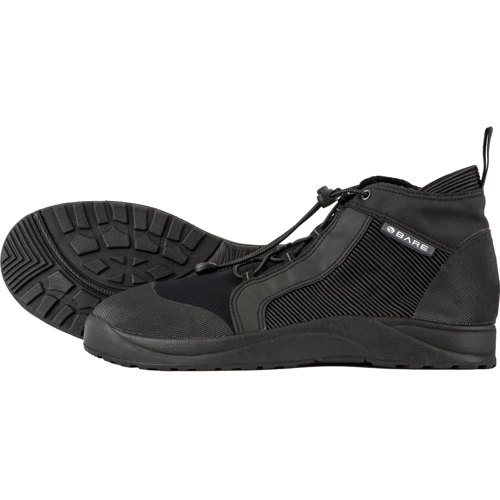
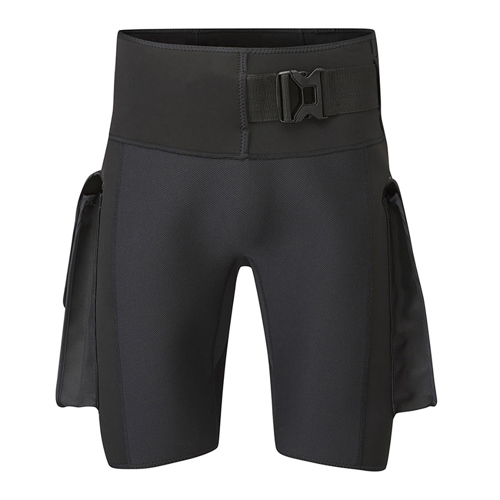
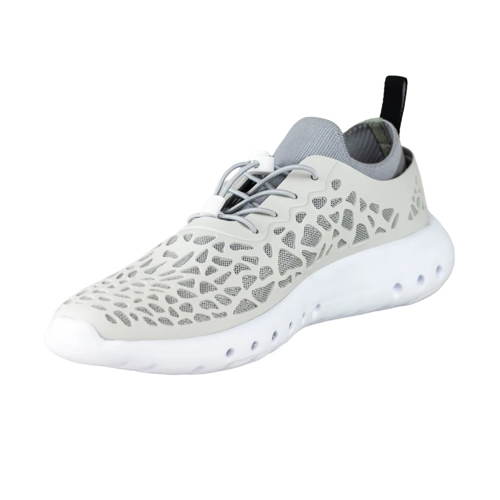
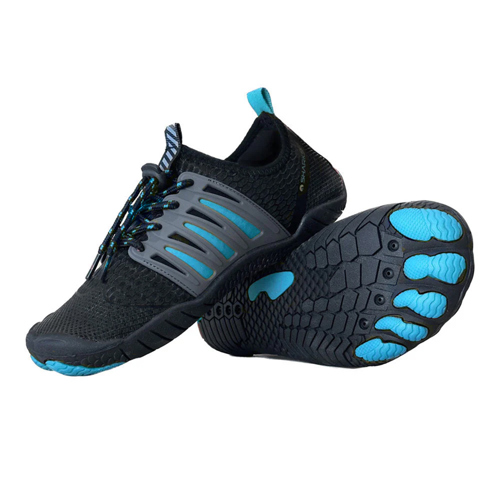
As outdoor enthusiasts look to make the most of the warmer months and the gradual transition into cooler weather, water hiking has become a favorite adventure for those seeking both serenity and challenge in nature. This unique activity blends the best of hiking and aquatic exploration, requiring specialized gear that can withstand the demands of ever-changing terrain, frequent water crossings, and prolonged exposure to moisture. Whether you’re tracing a winding creek, exploring lush riverbanks, or navigating rocky stream beds, the right equipment is essential for comfort, safety, and enjoyment. Quick-drying trail runners or neoprene water shoes are popular choices, offering superior drainage and traction compared to traditional hiking boots. These options are especially valued for their ability to dry rapidly after submersion, reducing the risk of blisters and keeping your feet comfortable over long distances. For those who venture into chillier waters or anticipate cooler mornings, merino wool or waterproof socks provide warmth and moisture control, maintaining comfort even when wet. Layering with synthetic or wool apparel that wicks moisture is equally important, as it helps prevent chafing and ensures you stay dry throughout your journey.
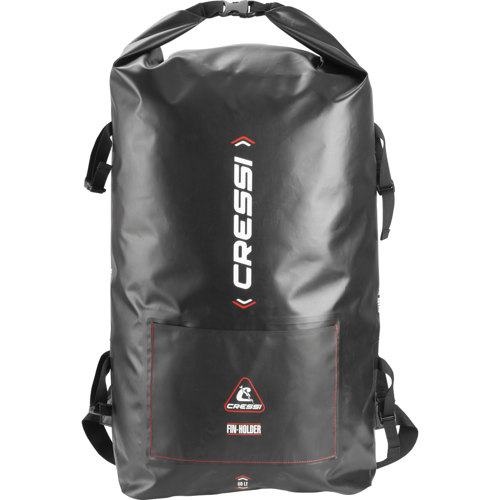
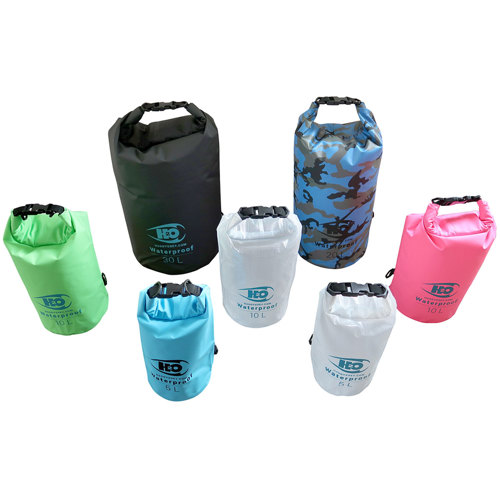
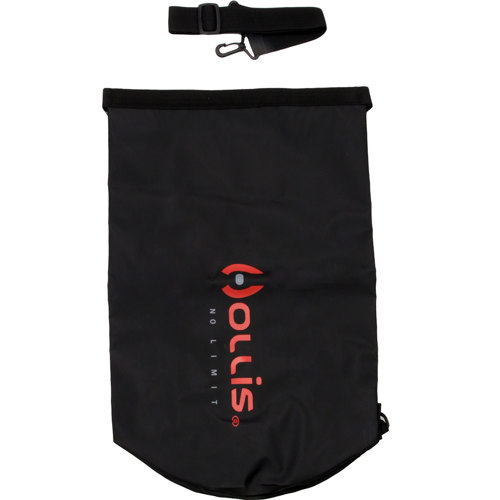
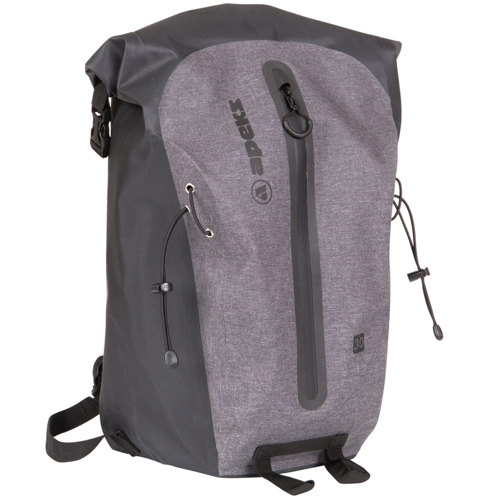
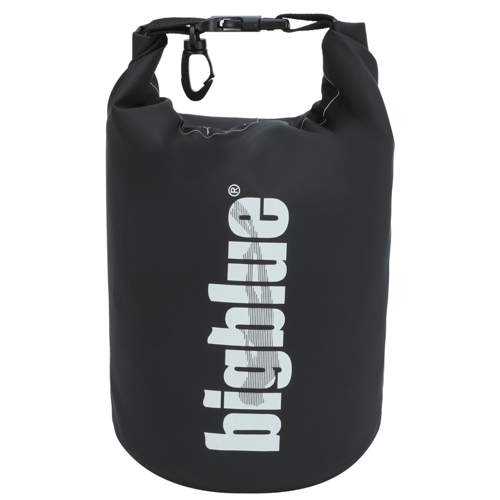
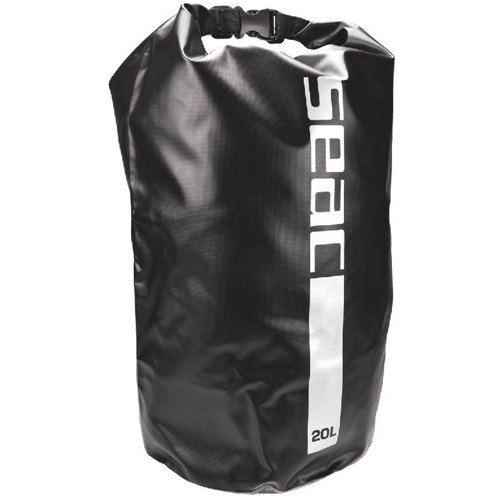
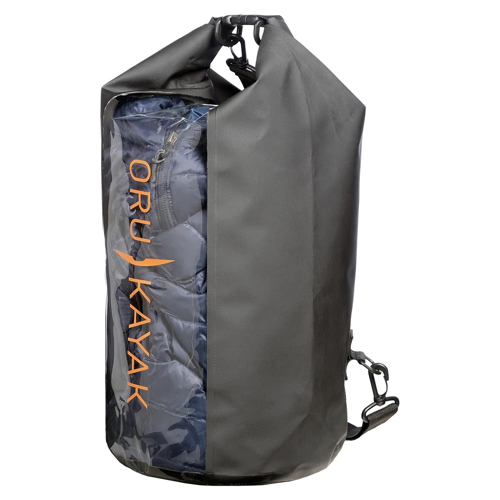
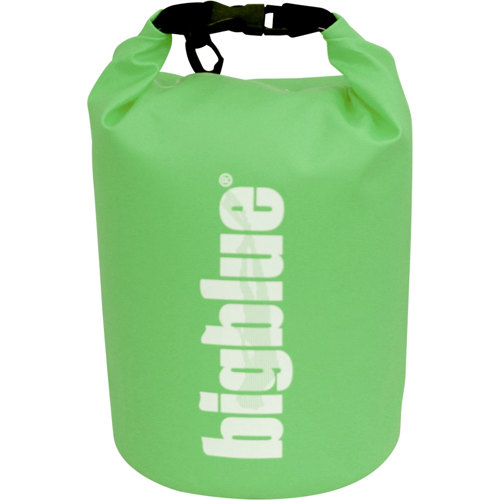
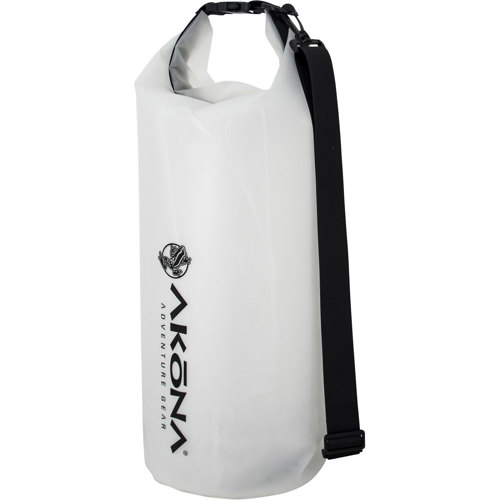
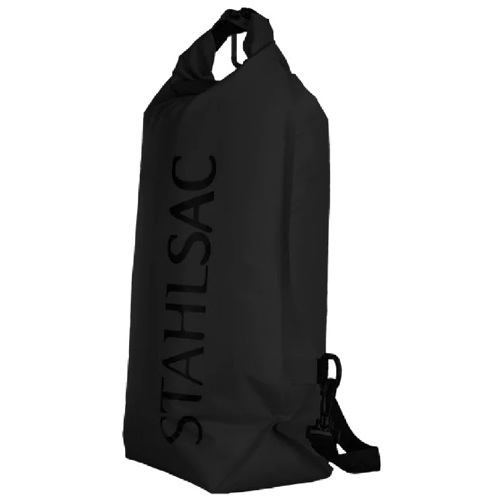
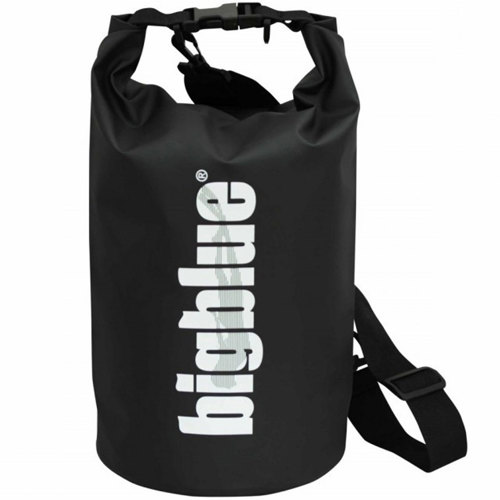
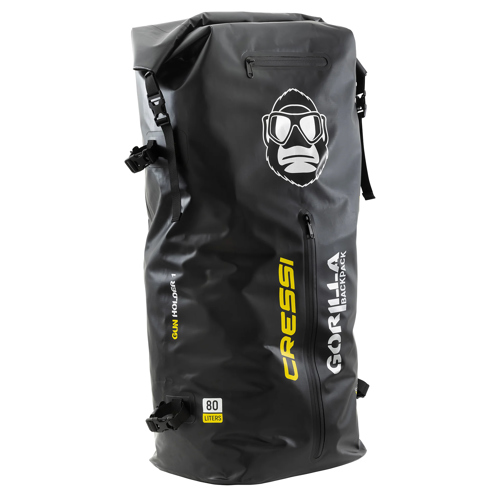
Carrying the right accessories can make all the difference on a water hike, whether you’re a seasoned trekker or introducing a friend or family member to the joys of this hybrid pursuit. Lightweight, hydration-compatible daypacks with external mesh pockets are a smart investment, allowing wet gear to air out and keeping essentials within easy reach. Many hikers opt for a hydration bladder, which not only keeps hands free for balance but also encourages steady water intake—crucial for long days under the sun. A compact, field-maintainable water filter is another must-have, providing peace of mind when refilling from natural sources and reducing pack weight by eliminating the need to carry extra water. Dry bags are invaluable for safeguarding electronics, spare clothing, and emergency supplies, ensuring that even after an unexpected dip, your necessities remain dry and functional. Trekking poles can provide extra stability on slippery rocks or muddy banks, making them a thoughtful addition for anyone navigating variable terrain. For safety, a pre-packed first aid kit with blister treatments and waterproof bandages is essential, offering reassurance for both solo adventurers and group outings.
Water hiking gear also makes a thoughtful and practical gift for outdoor lovers, especially those who enjoy exploring new environments or are looking for a fresh twist on traditional hiking. The versatility of these products means they are suitable for a wide range of ages and skill levels, from families introducing children to the outdoors to experienced hikers seeking new challenges. As the seasons shift and you plan your next adventure, consider how the right gear can enhance both comfort and confidence, whether you’re braving a misty morning or basking in afternoon sunshine. For those planning ahead for autumn excursions, you’ll find more inspiration and recommendations in our dedicated guide to
Gear For Fall Water Activities, ensuring you’re well-prepared for every adventure, no matter the season.