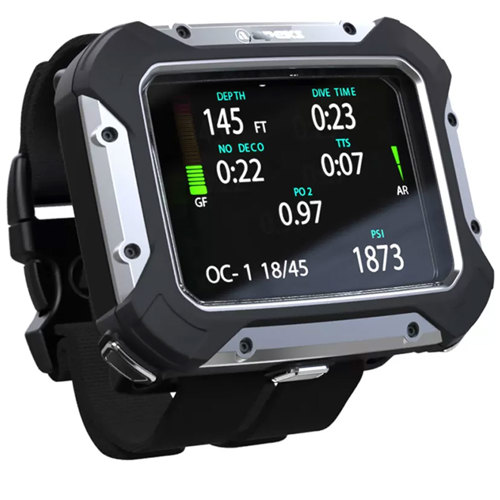
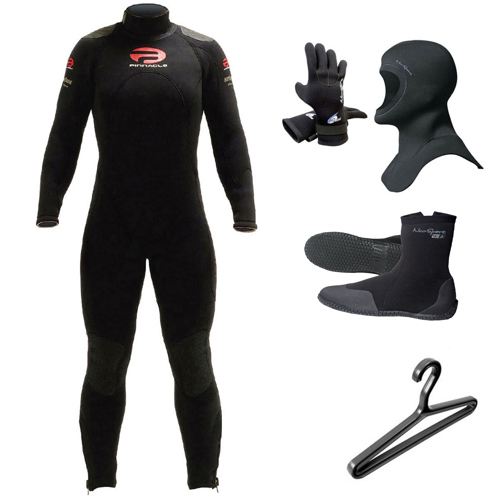
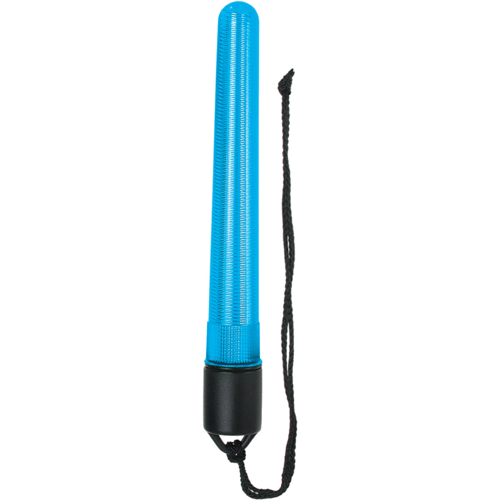
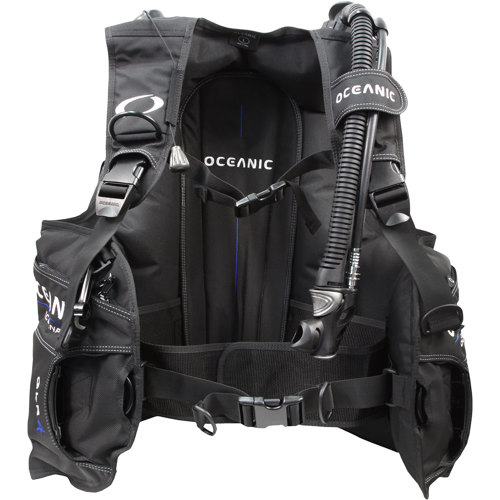
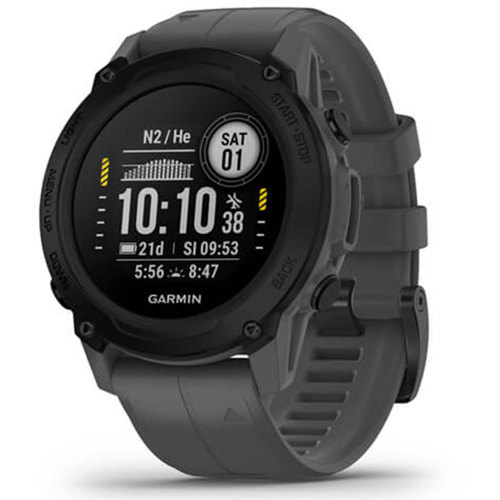
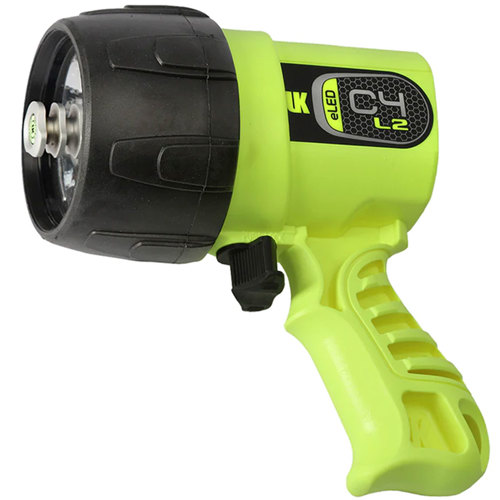
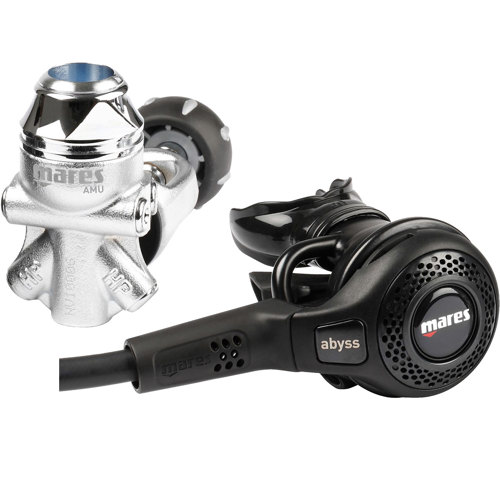
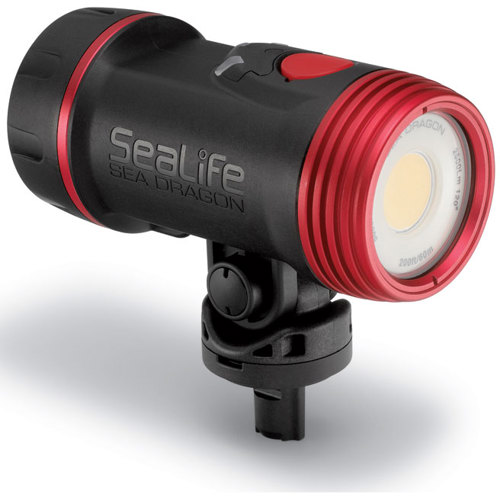
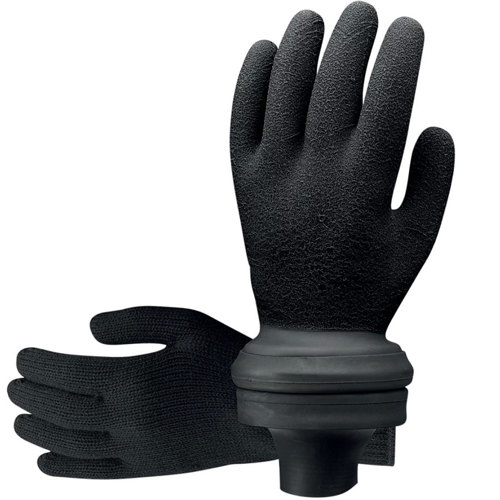
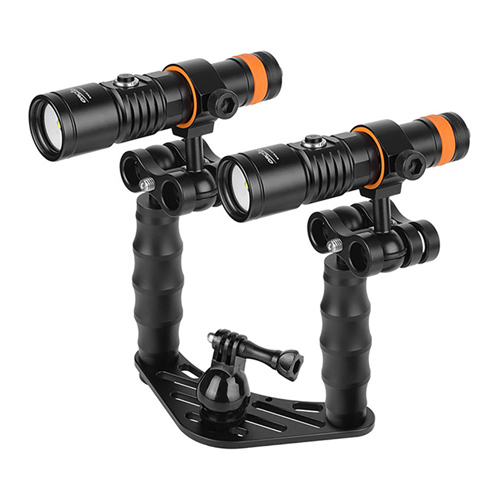
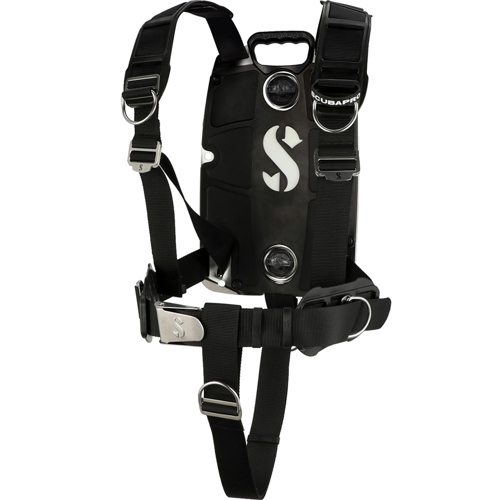
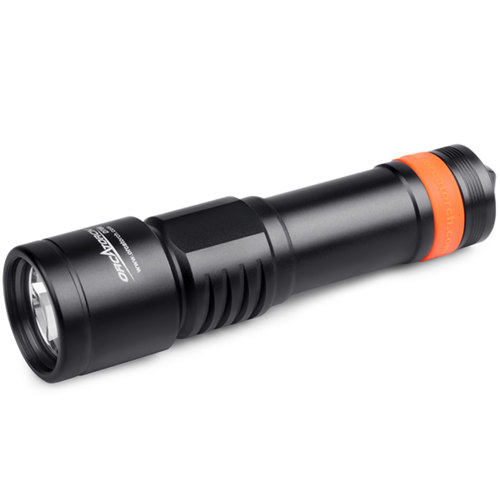
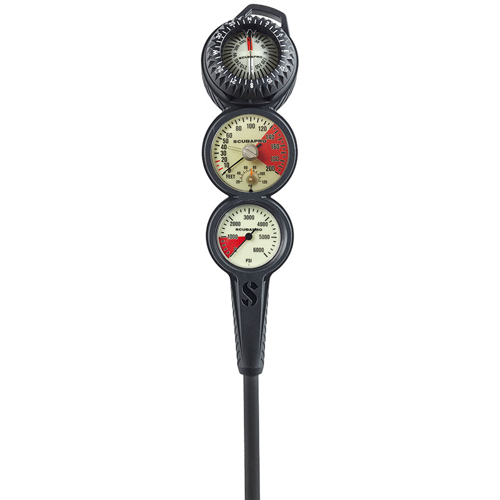
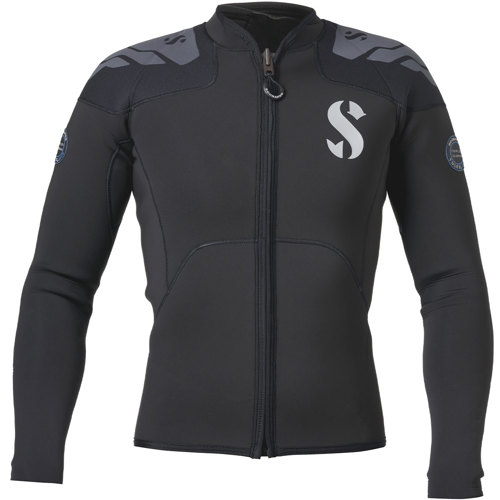
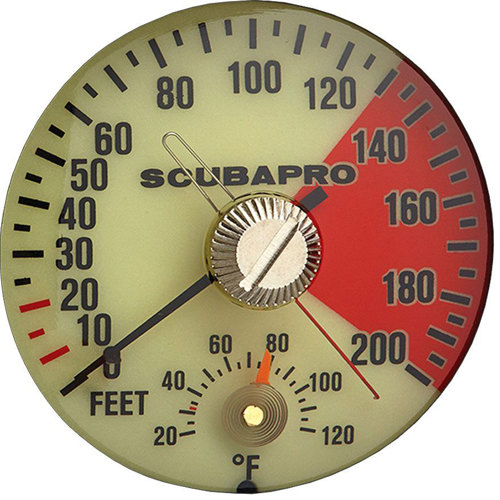
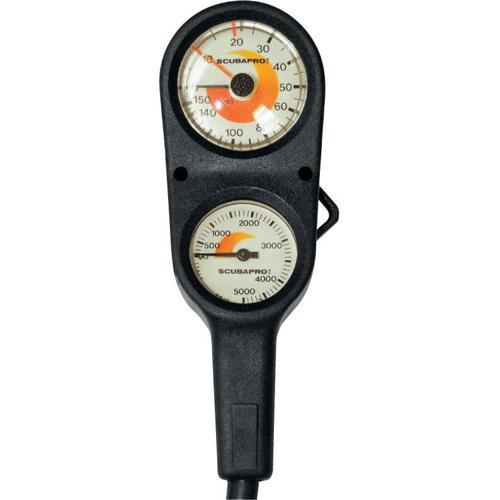
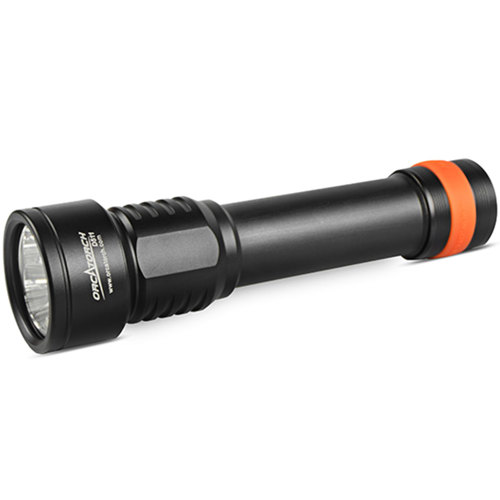
Deep sea expeditions represent the pinnacle of underwater exploration, demanding a level of preparation and equipment far beyond what’s required for recreational dives. As divers venture into the ocean’s depths—where sunlight fades and pressure intensifies—every piece of deep sea scuba diving equipment becomes critical for safety, survival, and success. Whether you’re a seasoned technical diver, a marine scientist conducting research, or part of a commercial team working on subsea infrastructure, the gear you select must be meticulously engineered to withstand the harshest environments on Earth. At these depths, specialized breathing systems like closed-circuit rebreathers or surface-supplied umbilicals are essential, allowing divers to manage complex gas mixtures and reduce the risks of nitrogen narcosis and oxygen toxicity. These systems, paired with advanced dive computers capable of decompression mapping, ensure that every stage of the dive is precisely monitored. The cold, dark waters of the deep demand robust thermal protection—think heavy-duty drysuits layered with insulated undergarments or even commercial-grade hot-water suits—to guard against hypothermia. Lighting is another non-negotiable: high-output, deep-rated LED torches and backup lights become your lifeline in the total darkness of the aphotic zone, illuminating both your path and your instruments when natural light is a distant memory.
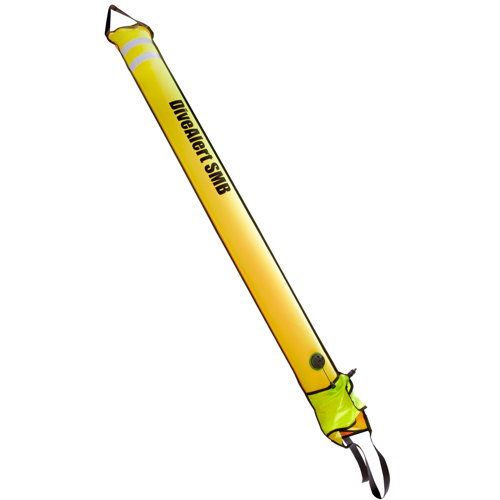
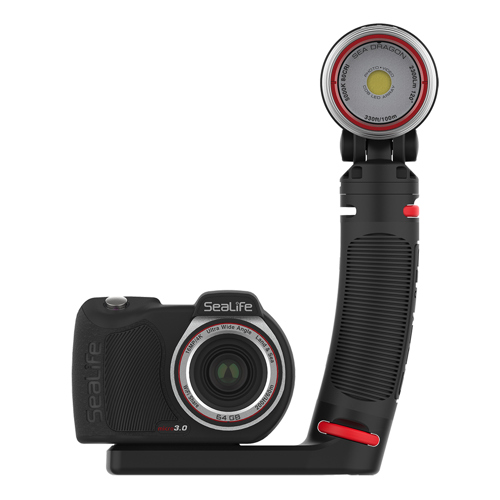
The selection of deep sea gear is highly personal, shaped by the unique goals and challenges of each expedition. Scientific teams may require additional equipment for specimen collection or underwater documentation, while commercial divers might prioritize rugged tools and communication systems for complex tasks. Regardless of your mission, redundancy is a guiding principle—backup bailout cylinders, personal locator beacons, and diver tracking systems are indispensable safeguards, providing peace of mind in the event of an emergency. Navigation and situational awareness tools, such as sonar or acoustic transponders, help divers maintain orientation and communicate with the surface, especially when visibility drops to zero. For those exploring the ocean’s most extreme frontiers, pressurized exosuits or atmospheric diving systems offer a way to withstand crushing pressures while maintaining dexterity and mobility. As the weather warms and summer transitions into fall, deep sea expeditions often ramp up, taking advantage of calmer seas and longer daylight hours for surface operations. This is also a season when many divers look to upgrade or expand their gear, making deep sea equipment a thoughtful gift for the experienced diver in your life—whether they’re planning a bucket-list expedition or advancing their technical training. Gifting high-quality, pressure-rated gear not only supports their passion but also shows a genuine investment in their safety and exploration.
For those who thrive in the world’s most challenging aquatic environments, assembling a deep sea kit is an ongoing process of research and refinement. Divers often cross-train for specialty environments, and many find their interests expanding into related realms like ice diving, where similar considerations around thermal protection, life support, and emergency backup apply. If your exploration leads you from the depths of the ocean to the frozen frontiers beneath the ice, you’ll find specialized recommendations on our
Gear For Ice Diving Trips page. No matter your destination, investing in the right deep sea scuba diving equipment is about more than just reaching new depths—it’s about ensuring every journey is as safe, rewarding, and unforgettable as possible. The right gear empowers divers to push boundaries, document new discoveries, and return to the surface with stories that inspire the next generation of explorers.