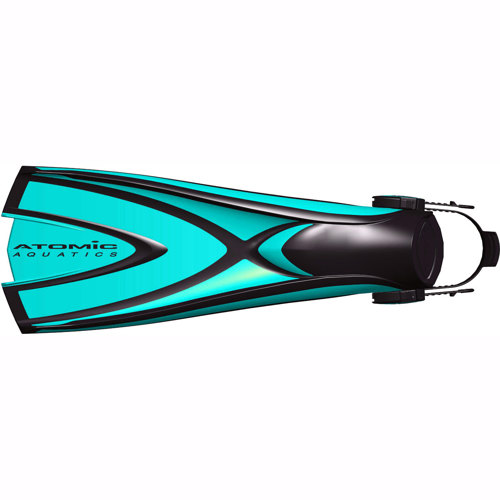
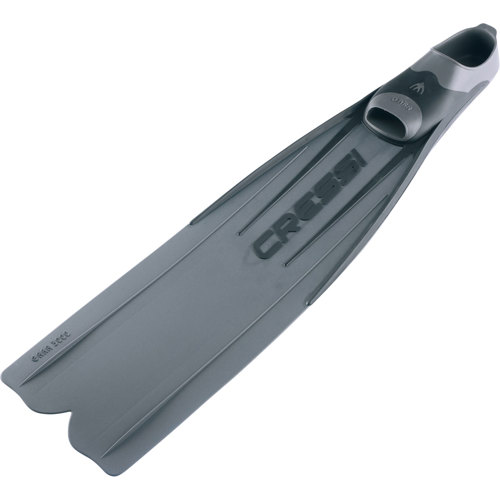
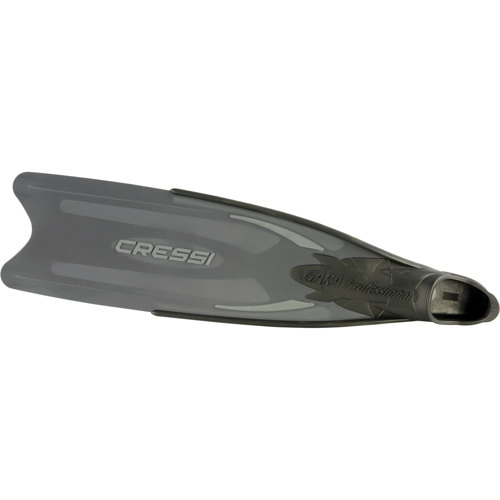
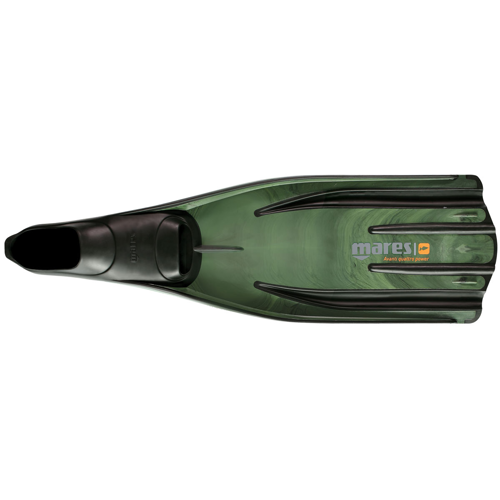
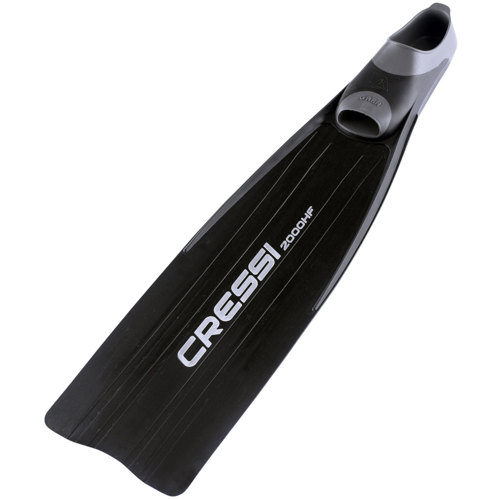
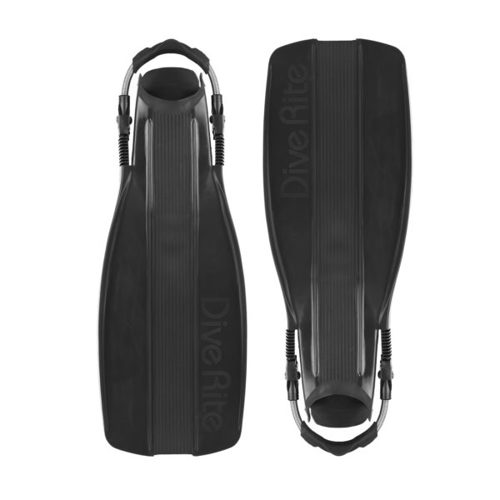
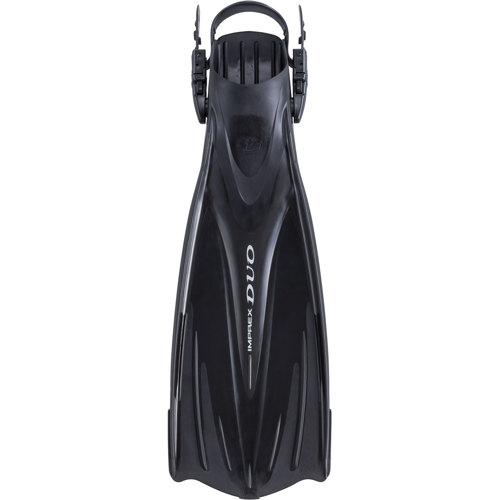
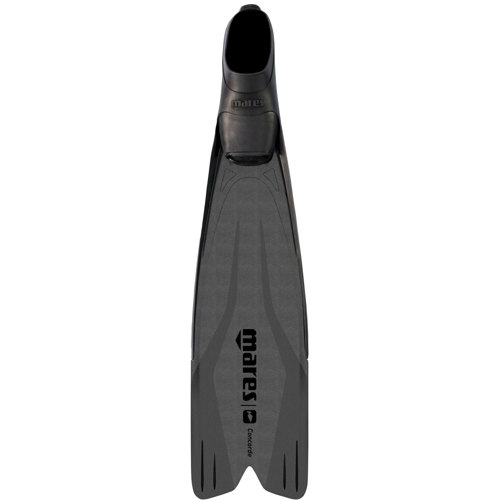
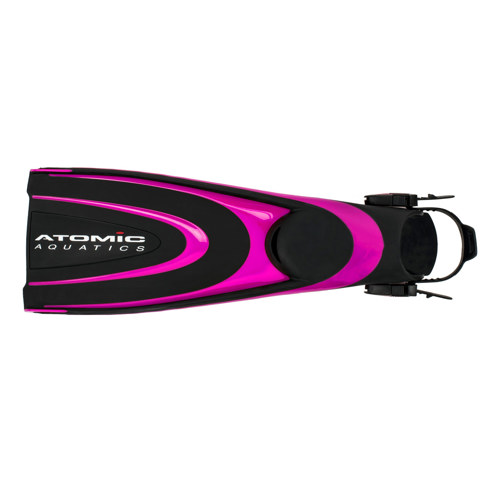
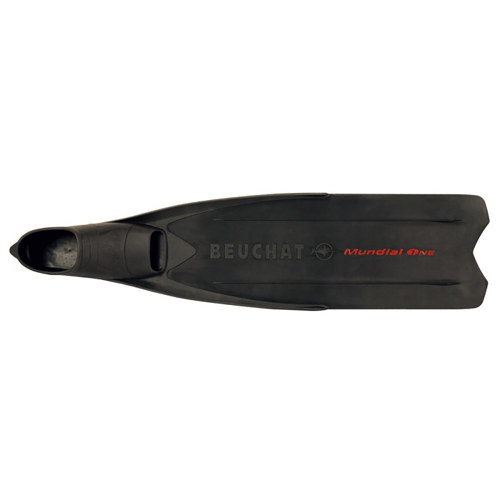
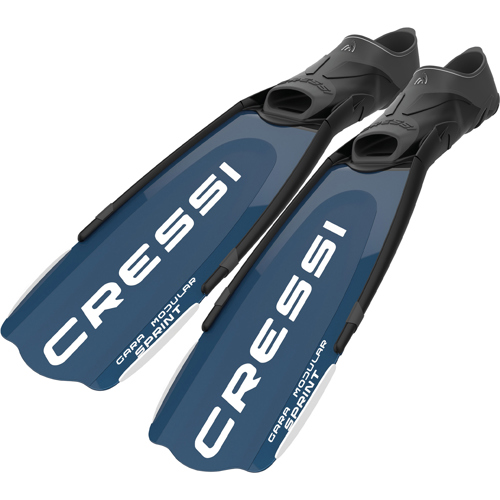
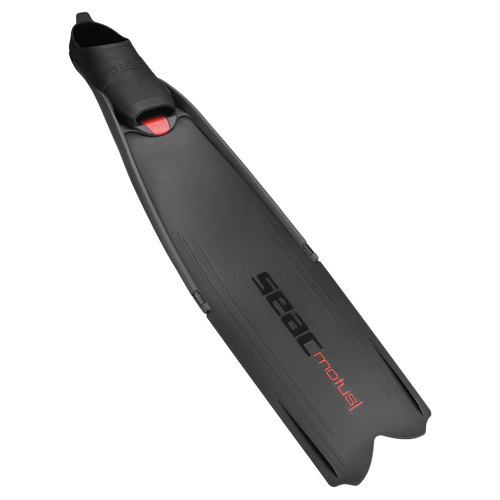
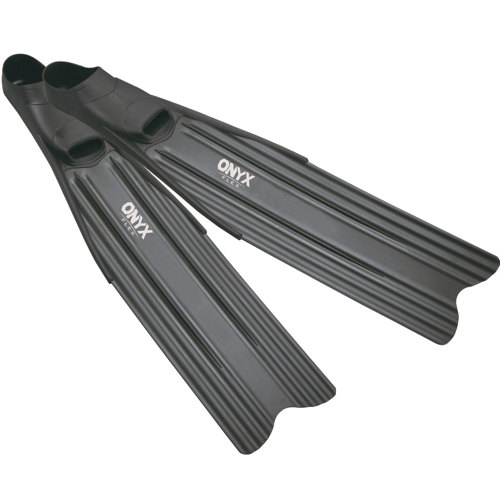
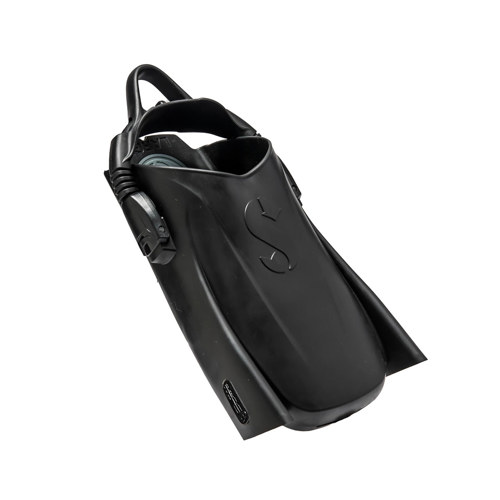
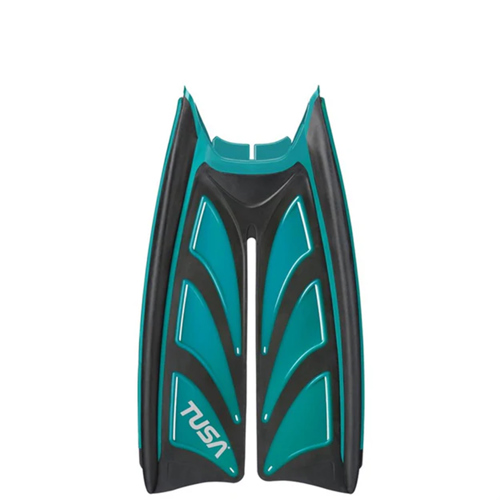
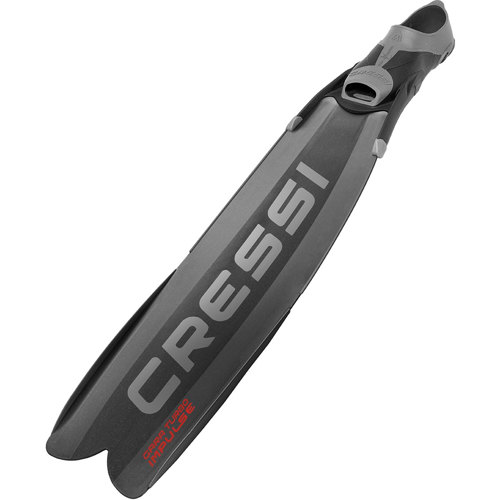
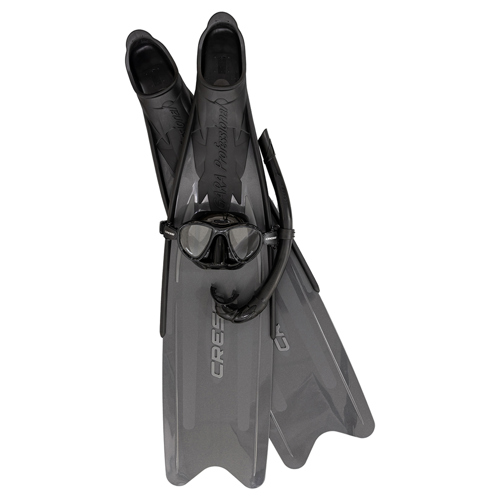
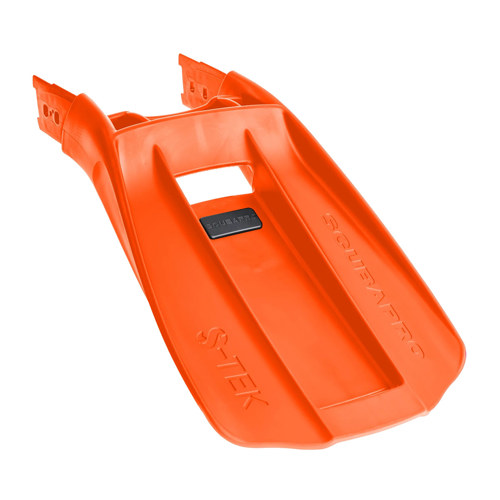
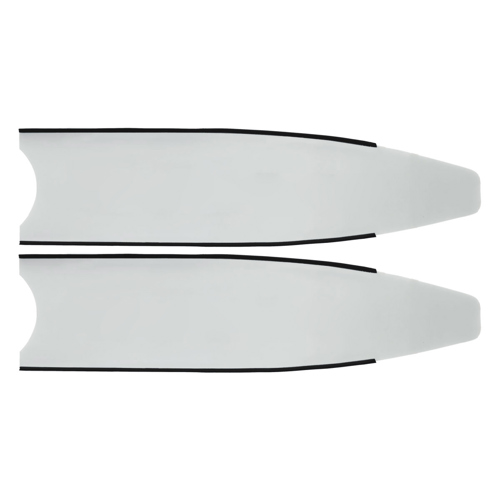
Freediving blades are an essential component for anyone who seeks to explore the underwater world on a single breath. Their unique design—longer and narrower than traditional snorkeling or scuba fins—enables divers to maximize propulsion while minimizing energy expenditure, a crucial factor when every kick counts toward conserving precious oxygen. As the water warms up in May and the ocean beckons with clearer visibility and more inviting temperatures, freedivers of all levels begin fine-tuning their gear for the season’s adventures. Whether you’re gliding through kelp forests, dropping into blue holes, or simply training for depth in local quarries, the right pair of blades can make the experience smoother, more efficient, and ultimately more enjoyable.
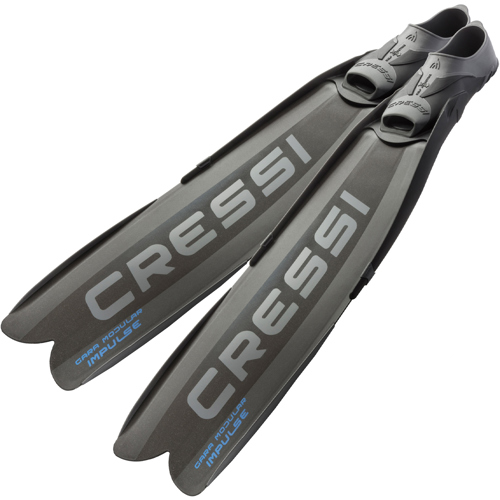
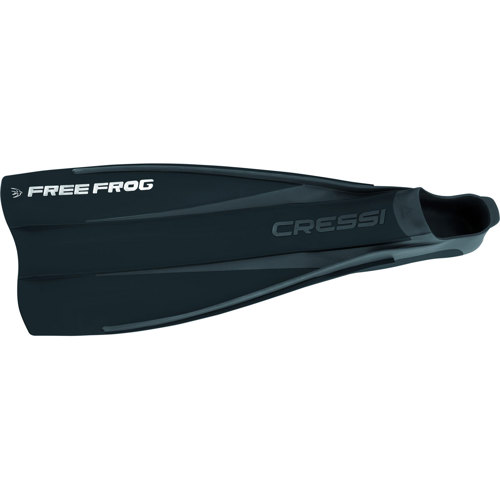
Choosing freediving blades involves considering several key factors, each tailored to individual needs and diving environments. Material is often the first decision point. Beginners may gravitate toward plastic blades for their durability and affordability, making them a smart choice for those still refining their technique or for divers who anticipate rocky shore entries and frequent travel. As skills progress, many divers upgrade to fiberglass or carbon fiber blades. Fiberglass offers a satisfying balance between responsiveness and resilience, ideal for intermediate freedivers who want more snap and energy return with each kick. For those pursuing maximum performance—perhaps aiming for deeper dives or competitive freediving—carbon fiber blades stand out for their feather-light weight and exceptional power transfer. The increased efficiency of carbon fiber is especially noticeable during long surface swims or when fighting currents, allowing experienced divers to conserve energy and extend their bottom time.
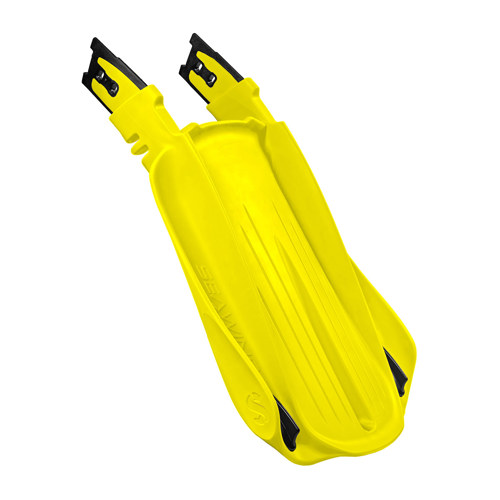
Flexibility is another important aspect, with blades typically categorized as soft, medium, or stiff. Softer blades are gentle on the legs and favored by beginners or those who specialize in long-distance swimming, as they require less effort and reduce the risk of early fatigue. Medium blades strike a versatile balance, suitable for a variety of conditions and body types, while stiff blades deliver the power needed for spearfishing or navigating strong currents, albeit with increased physical demand. The choice often comes down to matching the blade’s stiffness to your kicking style, leg strength, and the type of dives you plan to undertake. Freediving blades also make thoughtful gifts for water sports enthusiasts, especially as the season transitions into summer—a new set can inspire confidence and open up new underwater experiences. For travelers or those with limited packing space, there are specialized options like
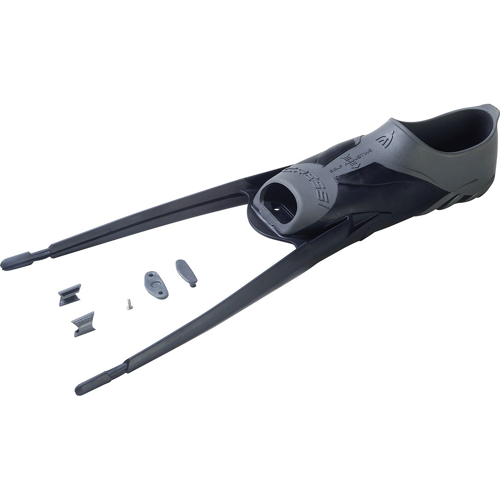
Compact Blade Freediving Fins, which provide the performance benefits of long blades in a more portable form, perfect for spontaneous trips to distant reefs or local lakes.
Ultimately, the best freediving blades are the ones that complement your skill level, diving ambitions, and favorite environments. As you build experience, you may find yourself drawn to different blade types for different adventures: softer blades for relaxed exploration, stiffer ones for powerful descents, or compact models for travel. The right blades not only enhance your performance but also deepen your connection to the underwater world, allowing you to move with grace and efficiency through the water column. Whether you’re just starting out or preparing for your next big dive, investing in the right pair of freediving blades is a step toward safer, more enjoyable, and more memorable underwater journeys.