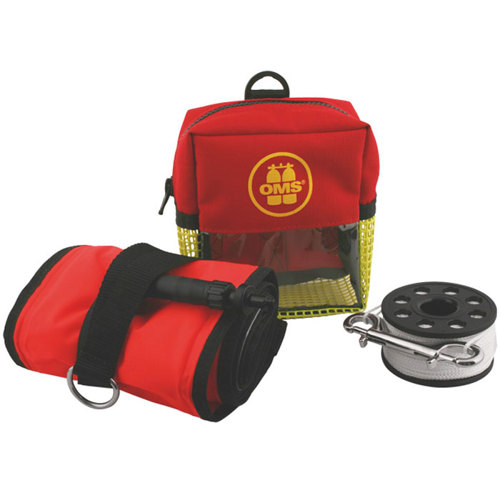
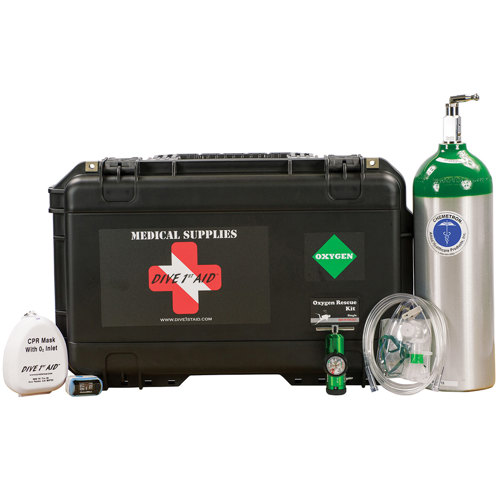
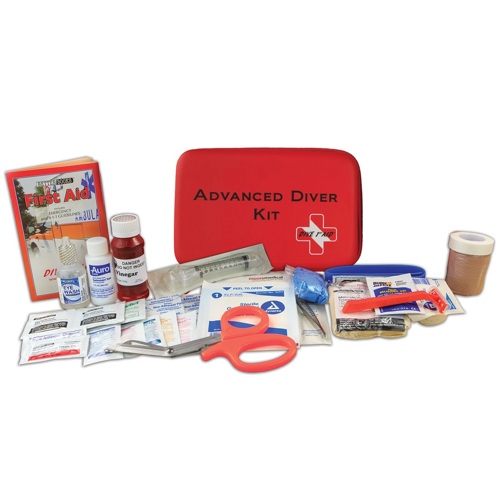
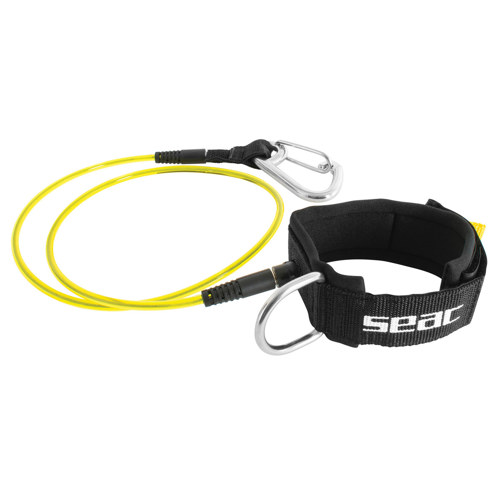
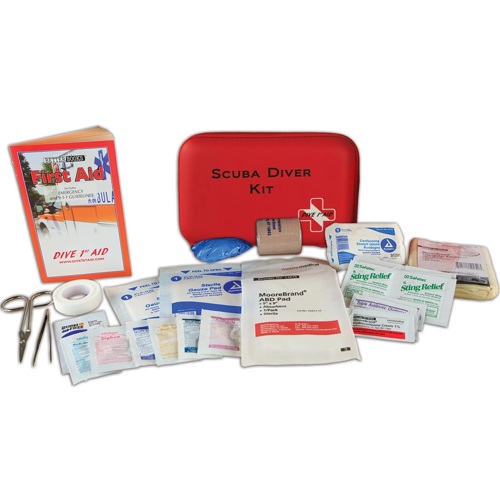
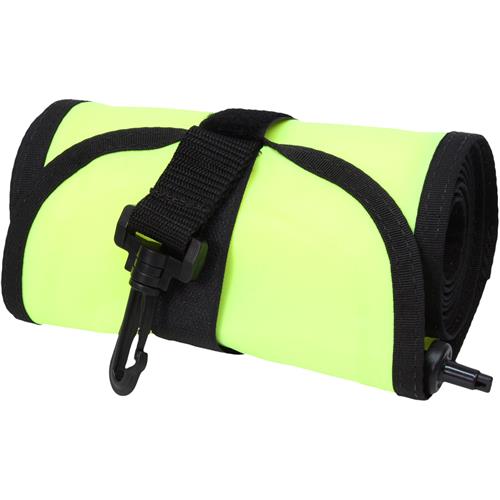
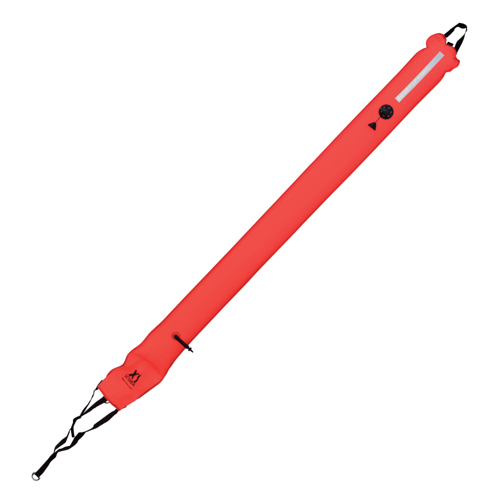
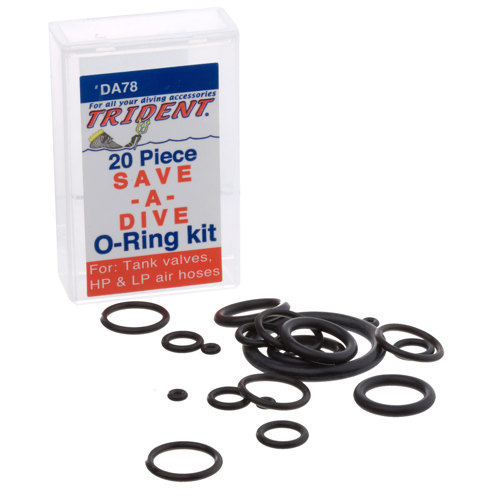
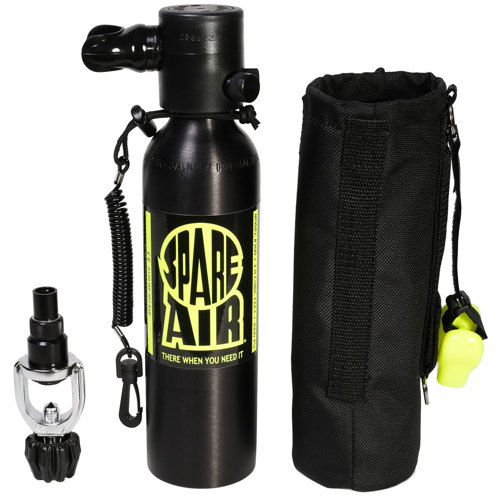
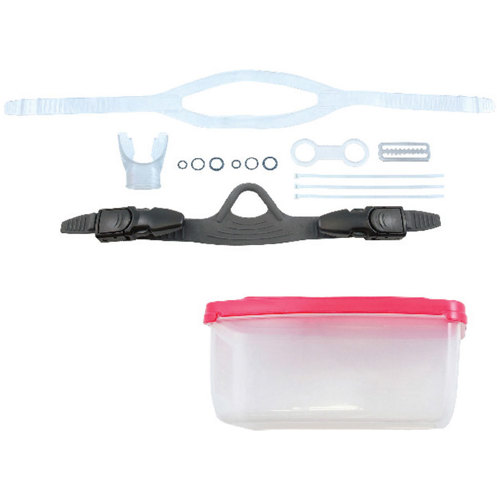
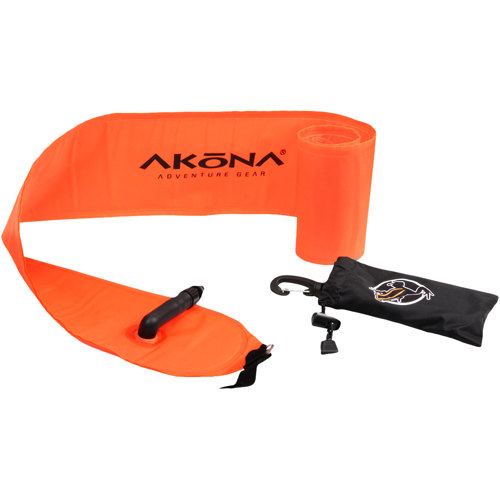
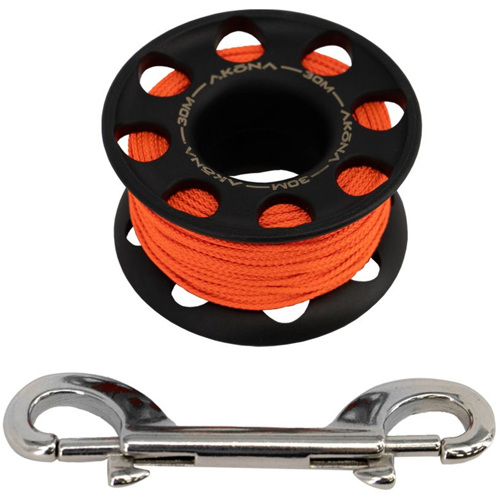
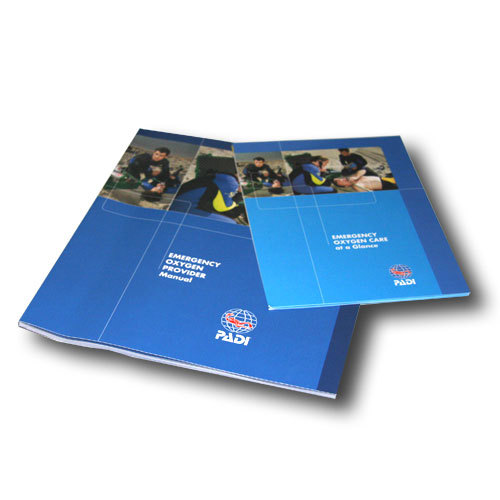
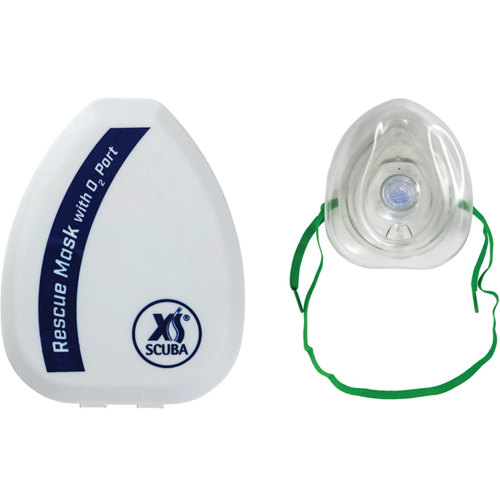
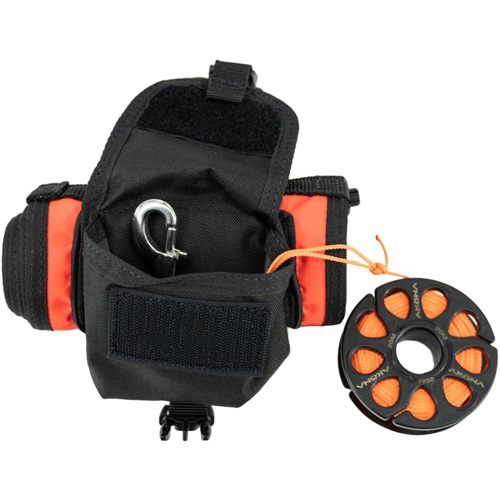
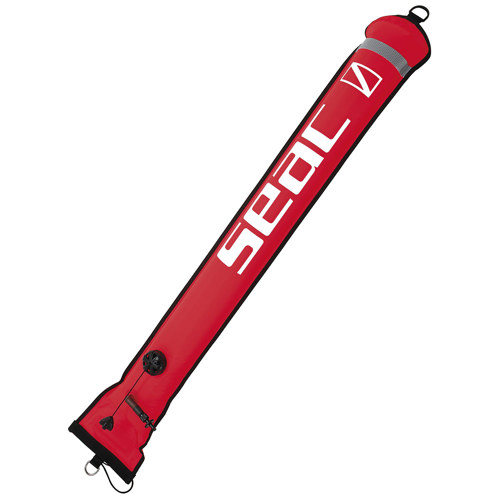
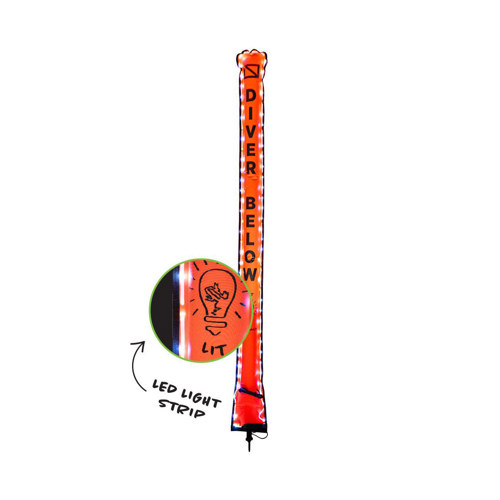
As freediving becomes more popular with adventurers seeking quiet immersion and personal challenge beneath the surface, the importance of being prepared with the right safety equipment has never been greater. Free diving safety kits are designed with both new and experienced divers in mind, providing an essential layer of security whether you’re training in a local quarry, exploring coastal reefs, or traveling to renowned dive destinations. These kits typically combine a range of rescue, recovery, and first aid tools that address the unique risks of breath-hold diving, such as shallow water blackout, entanglement, or unexpected medical emergencies. Essential components often include safety lanyards that secure the diver to a descent line while allowing for quick release in an emergency, high-visibility surface marker buoys (SMBs) and lines to mark your position for boats and fellow divers, and compact first aid kits tailored to marine environments. A well-equipped diving first aid kit can make all the difference in responding swiftly to minor injuries or more serious incidents, especially when help may be a boat ride or long swim away. Some kits also feature emergency oxygen supplies and pocket masks, which can be critical for providing immediate care while waiting for advanced medical assistance. These thoughtful details offer peace of mind and help ensure that every dive remains a positive, memorable experience.
Selecting the right free diving safety kit involves considering your experience level, typical dive conditions, and whether you’re diving solo, with a buddy, or as part of a group. For single parents who enjoy sharing the underwater world with their children, or for anyone introducing friends and family to the sport, investing in comprehensive scuba diving equipment for single parents—including reliable safety kits—adds a layer of confidence and preparedness to every outing. Safety kits also make practical and thoughtful gifts for aspiring freedivers, seasoned spearfishers, or travel enthusiasts who enjoy exploring new underwater landscapes. The flexibility to choose between pre-assembled kits and individual safety gear allows divers to customize their setup based on personal needs and the environments they frequent, whether it’s the familiar waters of a home lake or the open ocean during a summer getaway. As the weather warms and dive sites become more accessible, having a dedicated safety kit on hand ensures you’re ready for spontaneous adventures and planned excursions alike. For those who travel with their gear, exploring options like the
Diving Safety Kits For Travel page can help streamline packing while maintaining the highest safety standards, allowing you to focus on the thrill of discovery beneath the waves.
Freediving demands both physical skill and a strong respect for safety protocols, and the right equipment supports a responsible, enjoyable experience for everyone involved. Whether you’re a solo adventurer, a parent guiding the next generation of divers, or a group leader responsible for others, a well-chosen safety kit is a vital companion. It’s not just about having the right gear—it’s about fostering a culture of preparedness and care within the diving community. With the right free diving safety kit, you’re equipped to handle the unexpected, support your dive buddies, and make the most of every moment underwater, all season long.