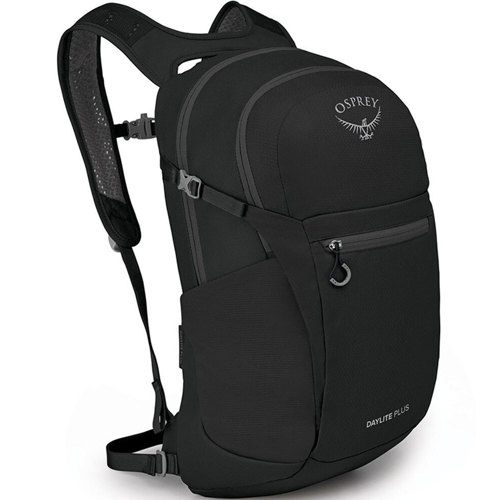
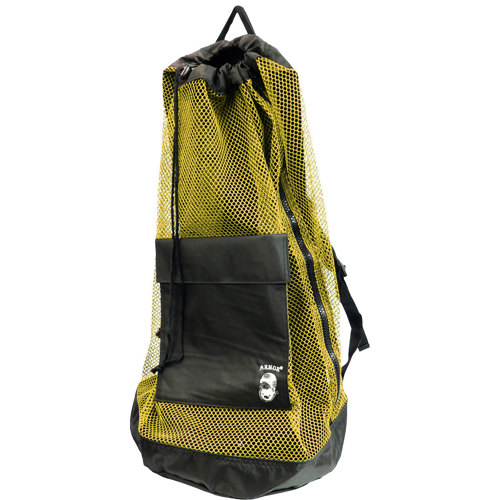
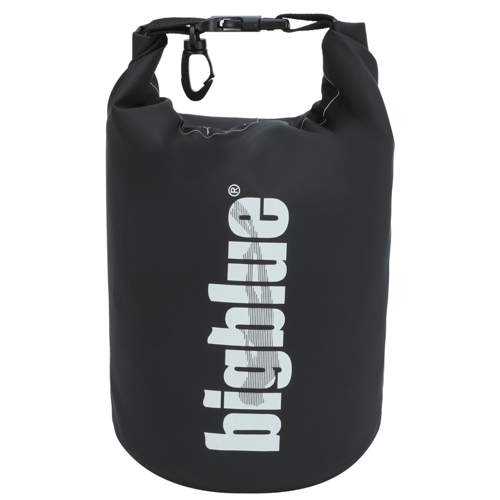
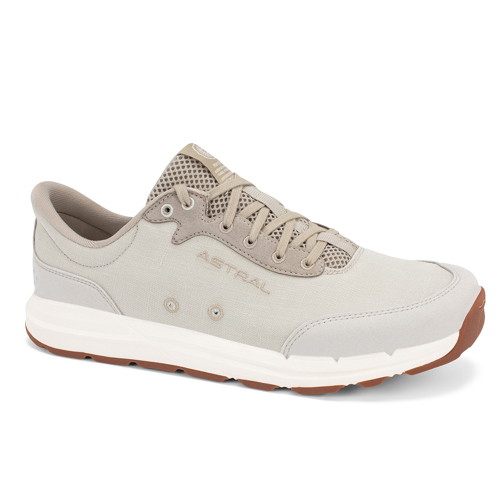
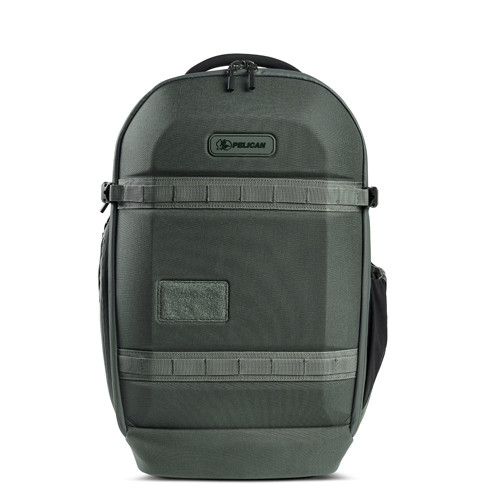
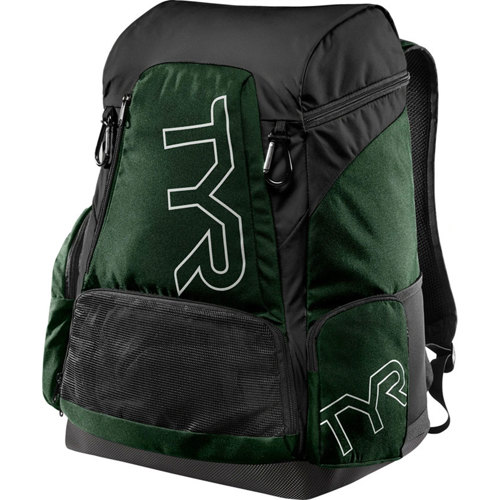
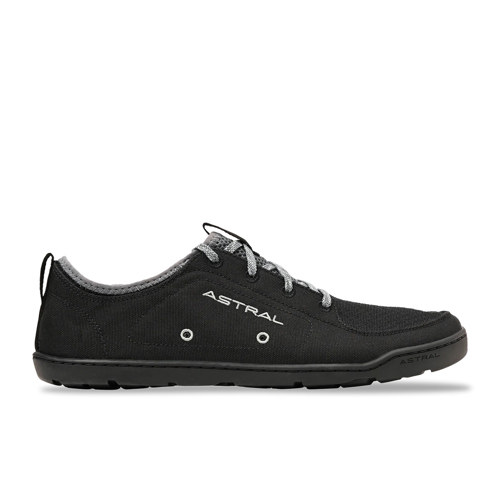
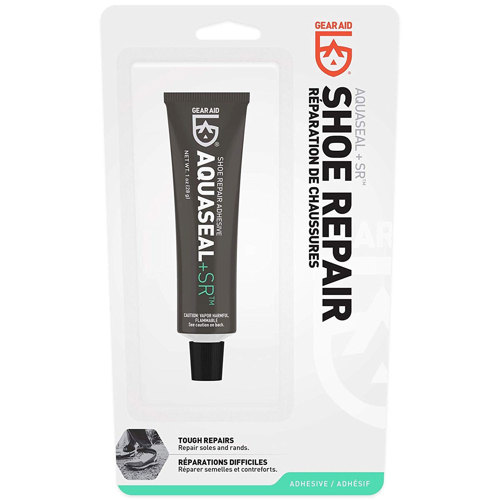
Hiking is an activity that invites you to step away from the everyday and immerse yourself in the rhythms of nature, whether you're venturing out for a few hours on a local trail or planning a full day in the backcountry. As spring arrives and trails awaken with new growth and vibrant colors, having the right gear becomes essential for both safety and enjoyment. The foundation of any hiker’s kit starts with reliable footwear—well-fitting, broken-in boots or trail shoes that provide support and traction across varied terrain. With the ground often muddy or slick from recent rains in March, sturdy footwear helps prevent slips and keeps feet comfortable mile after mile. Alongside footwear, a properly sized backpack, typically in the 20-30L range, offers enough space to carry essentials without weighing you down. This is where careful packing comes in: layering is key, as spring weather can shift from chilly mornings to sun-warmed afternoons. Lightweight insulation, a waterproof shell, and moisture-wicking base layers help regulate body temperature and protect against sudden changes in weather. Sun protection is another must—think wide-brimmed hats, UV-blocking sunglasses, and broad-spectrum sunscreen to shield skin from the strengthening spring sun.
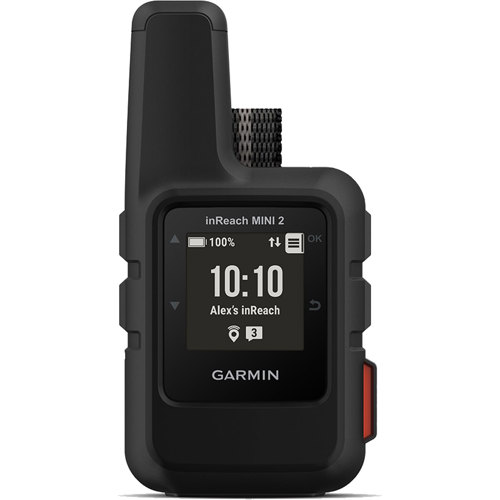
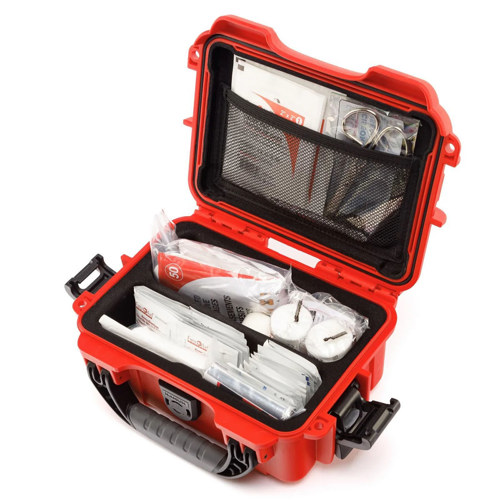
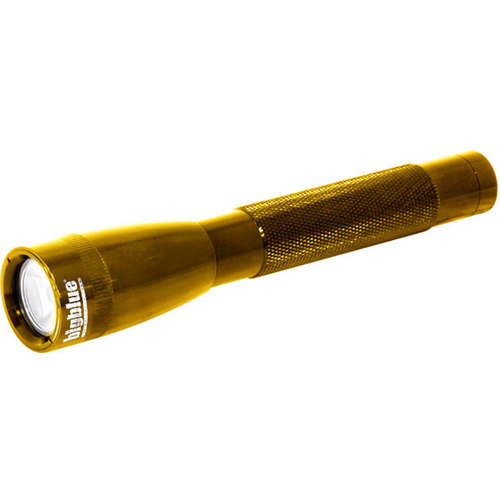
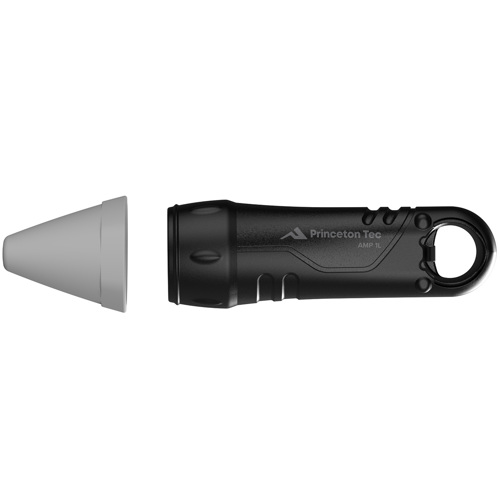
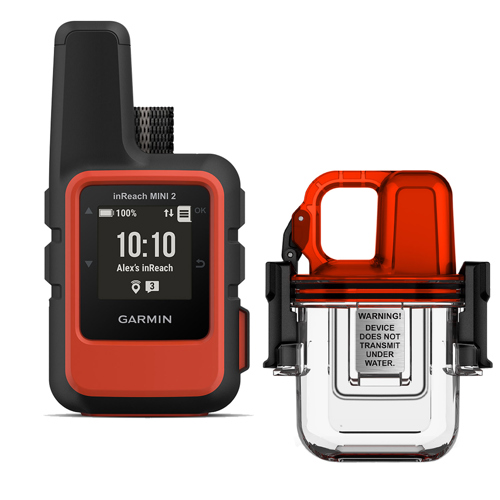
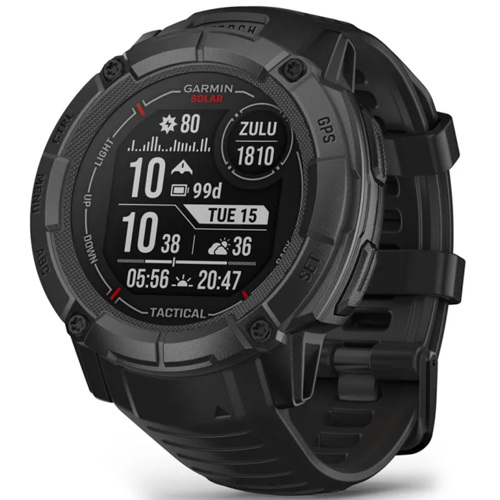
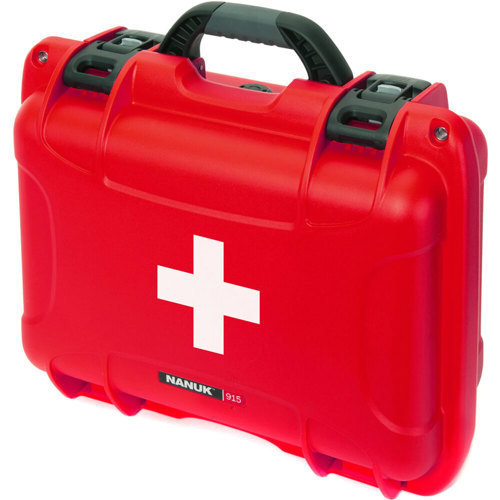
Water is a constant companion on the trail, and carrying enough to stay hydrated is non-negotiable. A good rule of thumb is about half a liter per hour of moderate activity, but always adjust for weather, elevation, and personal needs. Water purification tools, such as compact filters or tablets, can be a lifesaver if you need to refill from a stream or lake. Navigation tools remain indispensable, even when trails are well-marked. A paper map and compass, or a GPS device, ensure you can find your way if technology fails or if you lose the trail. It’s not uncommon to encounter hikers who learned the value of these tools the hard way—an unexpected detour or a foggy ridge can quickly turn a familiar path into a puzzle. Lighting is another piece of gear that often proves its worth unexpectedly; a headlamp or flashlight with extra batteries ensures you’re never caught out after sunset, especially with daylight hours still on the shorter side in early spring. A compact first-aid kit, fire starter, and multi-tool round out the essentials, providing peace of mind and practical solutions for blisters, minor injuries, or the need to make quick repairs. These items are not only useful for your own outings but also make thoughtful gifts for friends or family who are new to hiking or looking to upgrade their gear. Whether you’re assembling your own kit or searching for that perfect present, focusing on quality, weight, and versatility will ensure the gear is used and appreciated for seasons to come.
The joy of hiking lies in the freedom to explore, but that freedom is built on preparation. Experienced hikers know that even short outings can bring surprises, from sudden weather changes to unexpected trail closures. Having essential gear means you’re ready for whatever the day brings, allowing you to focus on the sights, sounds, and sensations of the trail—like the crunch of gravel underfoot, the scent of pine needles warming in the sun, or the distant call of a songbird. For those interested in expanding their kit beyond the basics, exploring specialized equipment such as trekking poles, emergency shelters, or advanced navigation aids can enhance both safety and comfort. If you’re curious about which tools might be best suited for your next adventure, or if you want to delve deeper into the practical considerations for each piece of gear, visit our comprehensive guide at
Tools For Hiking. With the right preparation and equipment, every hike becomes an opportunity to connect with nature, challenge yourself, and create lasting memories on the trail.