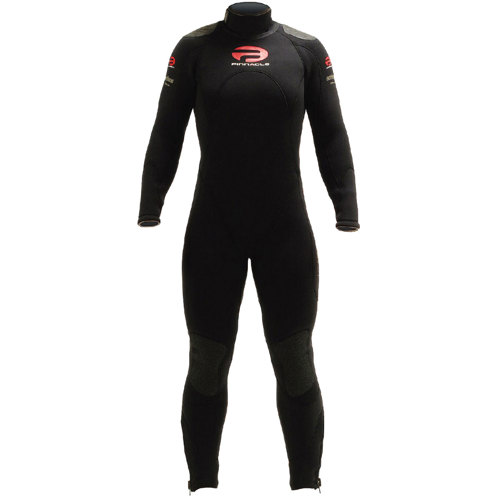
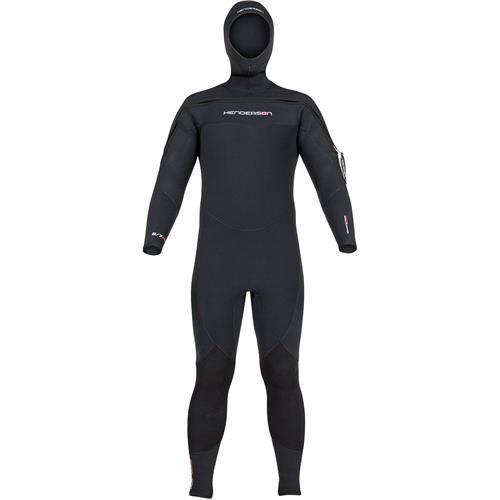
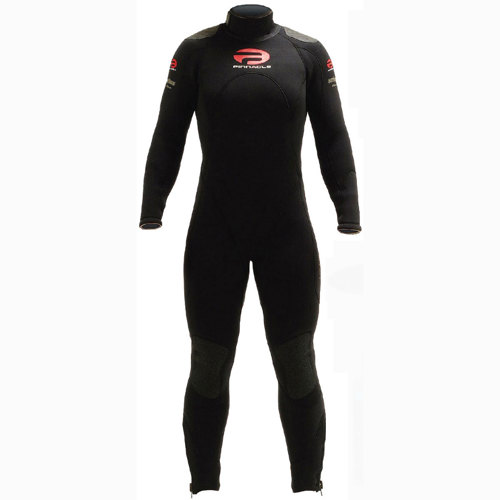
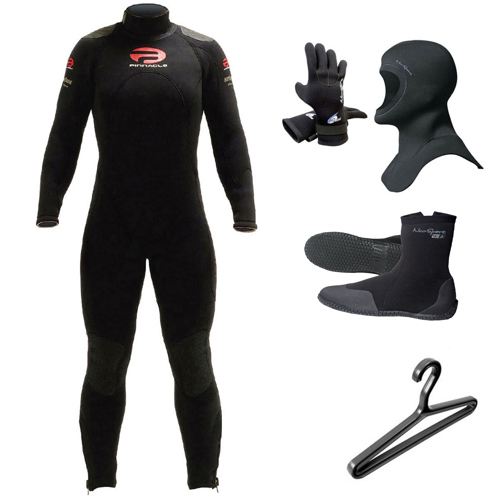
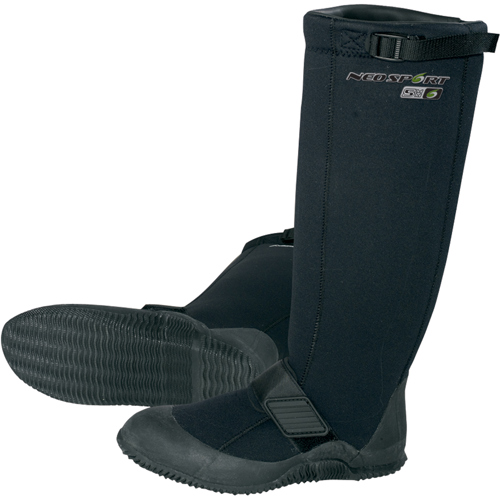
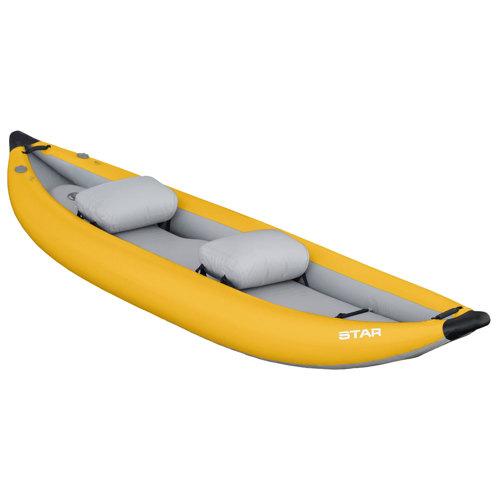
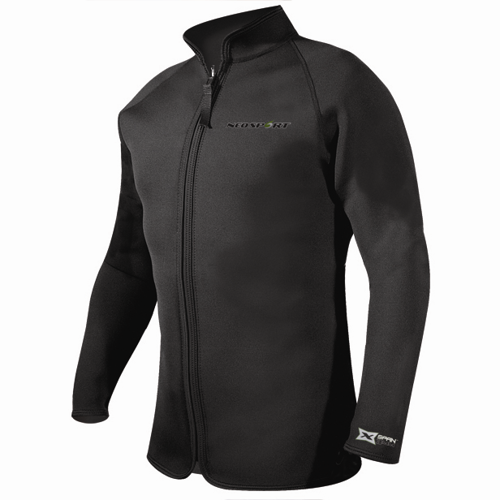
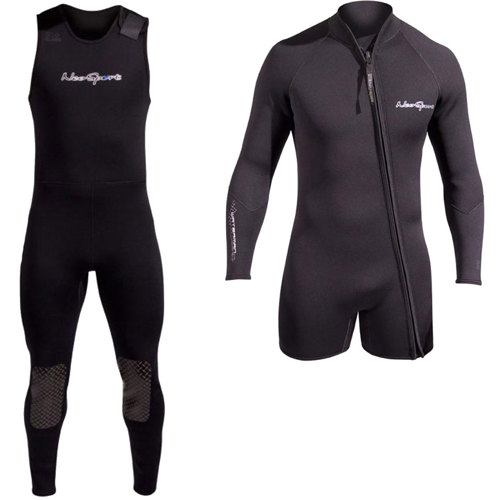
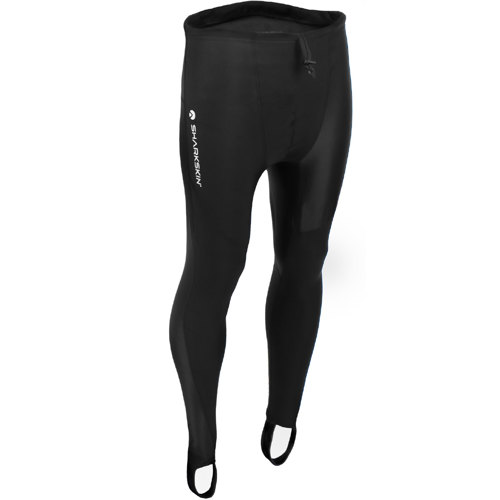
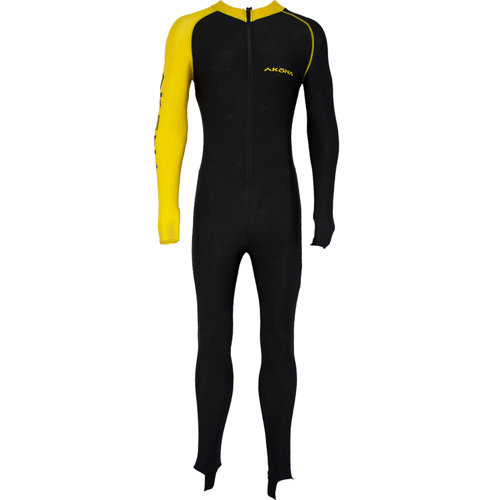
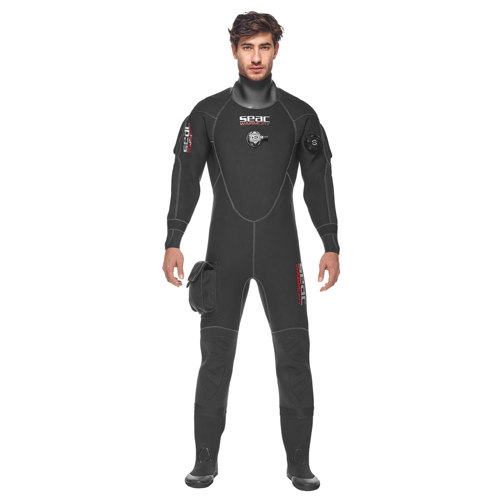
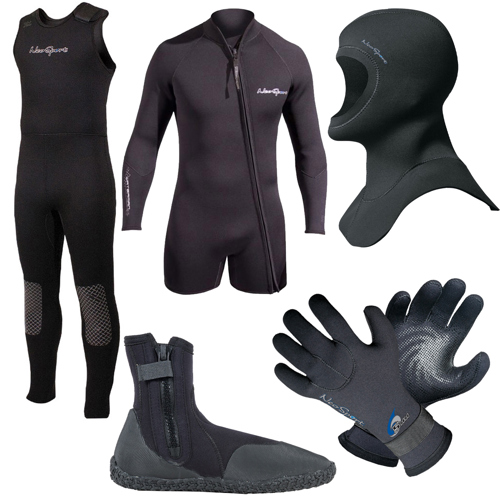
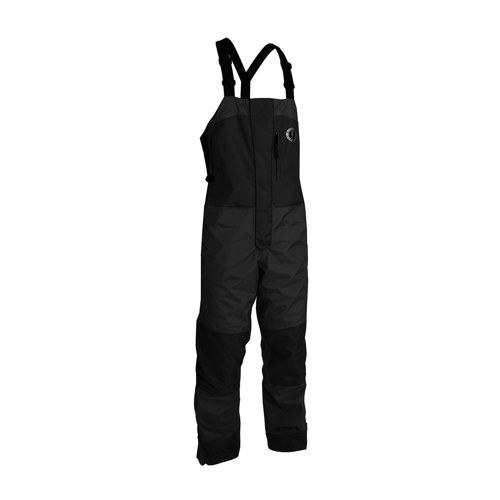
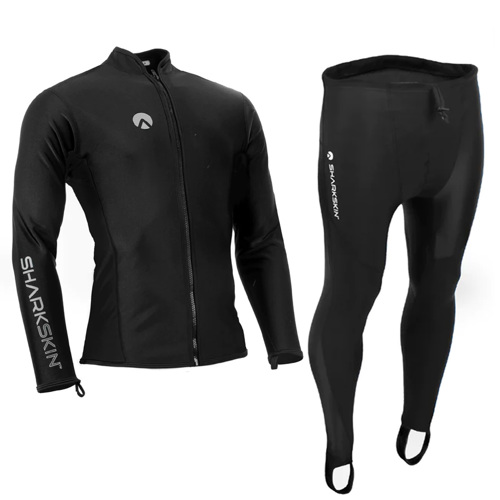
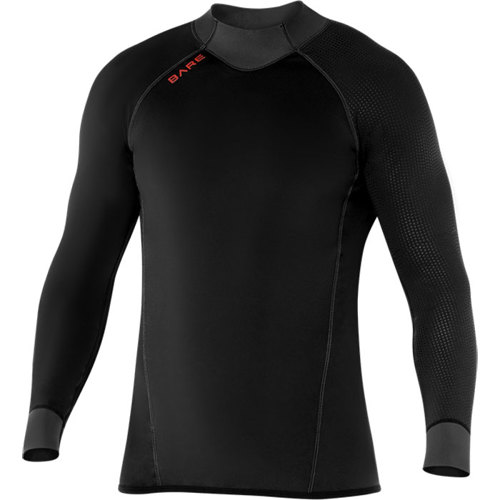
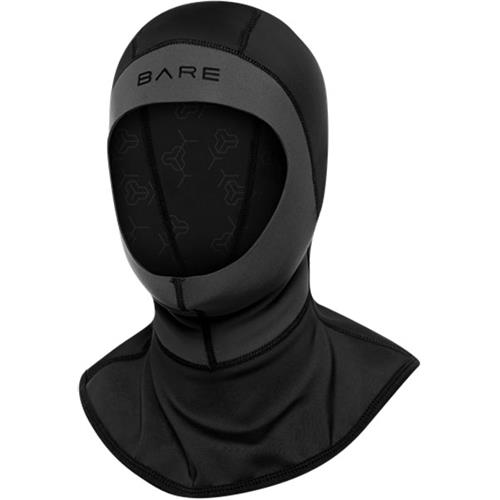
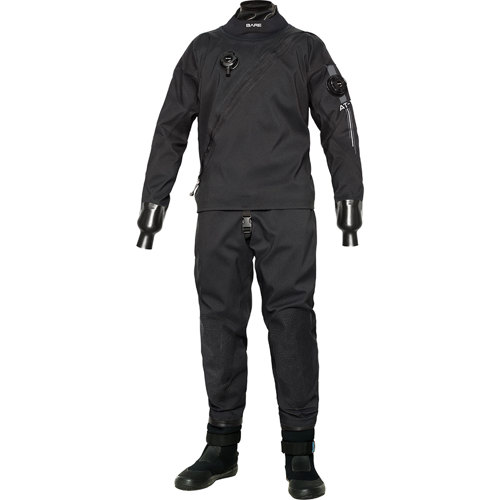
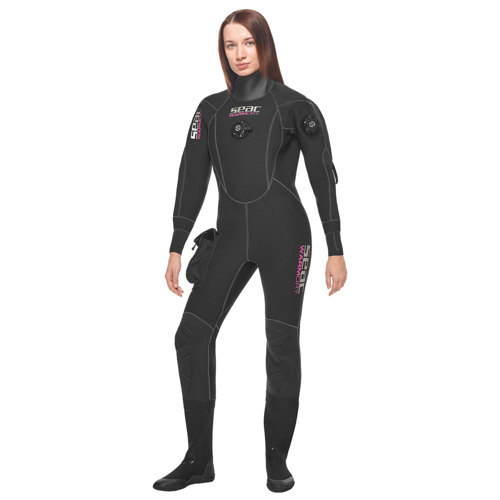
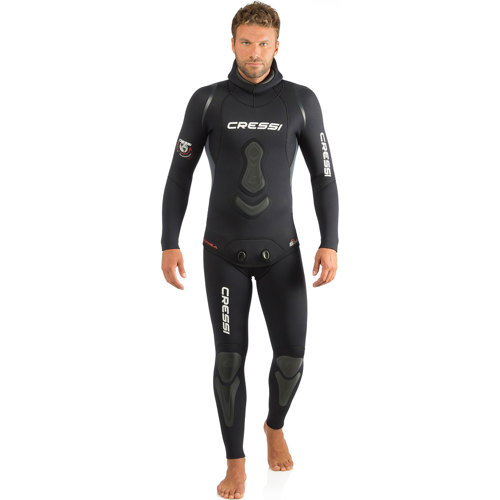
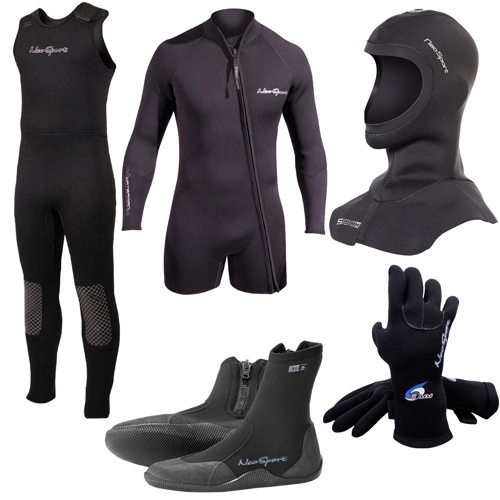
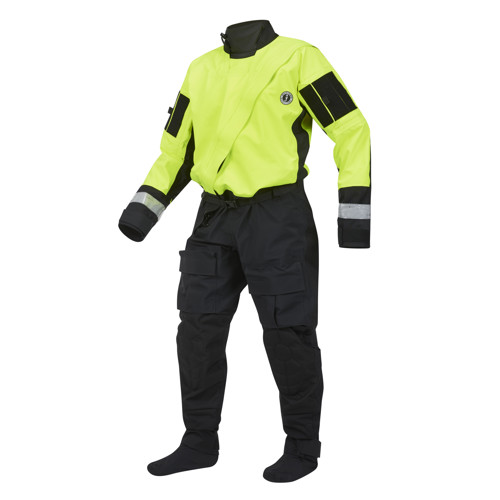
Cold water kayaking is a pursuit that demands not only skill and respect for the elements but also a careful approach to gear selection. As winter holds its grip and rivers, lakes, and coastlines take on a stark beauty, the right equipment becomes essential for both comfort and safety. The primary concern in cold water paddling is thermal protection—hypothermia can set in quickly, even for experienced kayakers, so layering becomes a ritual as important as checking your paddle or tightening your spray skirt. Drysuits are the gold standard for these conditions, providing a waterproof barrier that allows you to add insulating base and mid-layers underneath. Think of the difference between a brisk February morning with a biting wind and a calm, sunny afternoon: the right combination of synthetic or wool layers under your drysuit traps warmth close to your body, letting you focus on the rhythm of your paddle strokes rather than the chill in the air. For some, a thick wetsuit—4 to 5mm of neoprene—paired with a windproof paddling jacket offers a flexible alternative, especially when you’re working hard and generating your own heat. Both options serve as a foundation, but attention to extremities is equally important. Neoprene gloves or pogies keep your hands dexterous and responsive, while high-top neoprene booties and a fleece-lined cap ward off the numbness that can creep in from icy water. These are the details that transform a cold day on the water from a test of endurance into an invigorating adventure.
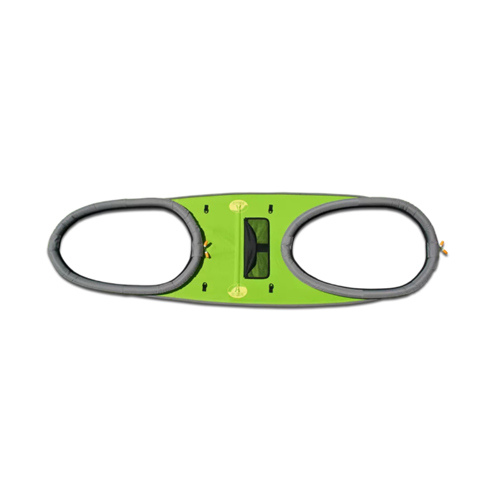
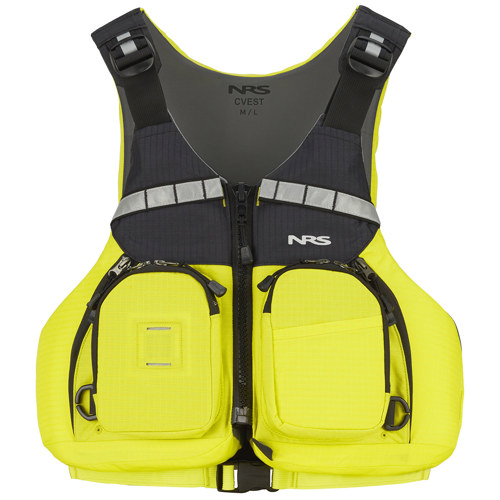
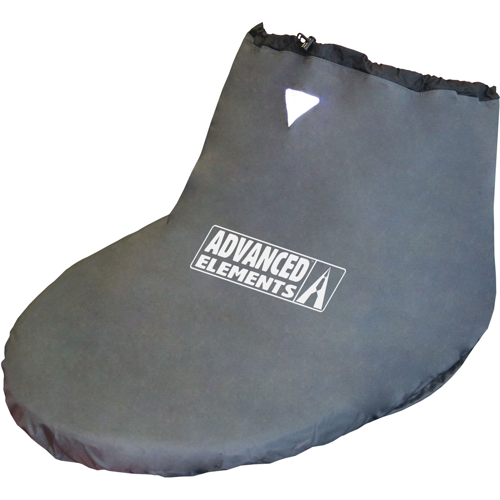
Safety is never an afterthought in cold water kayaking, and the gear you choose can make all the difference in an emergency. A securely fitted PFD (personal flotation device) is non-negotiable, providing buoyancy when you need it most and often featuring pockets for essentials like a safety whistle or a compact VHF radio. Self-rescue tools such as a bilge pump and paddle float are the quiet companions every winter paddler should have within reach, offering peace of mind whether you’re navigating a choppy bay or threading through a silent, snow-dusted river valley. A neoprene spray skirt creates a tight seal at the cockpit, keeping out frigid water and allowing you to roll or edge your kayak with confidence. Dry bags are indispensable for stowing spare clothes, snacks, and emergency gear, ensuring that if you do take an unexpected swim, you have the means to get warm and dry quickly. Many paddlers tuck a thermos of hot tea or a handful of energy bars into their dry bag, knowing how quickly the cold can sap your energy. For those who love to share their passion, cold water kayaking gear makes a thoughtful and practical gift—whether it’s for a friend eager to extend their paddling season, a family member training for a spring expedition, or a partner who relishes the solitude of winter waterways. Each piece of equipment represents not just protection, but the promise of adventure in the months when most would stay ashore.
Choosing the right gear for cold water kayaking is about matching your ambitions to the realities of the season. Whether you’re a seasoned explorer launching into snow-muffled fjords or a newcomer eager to experience the hush of winter on your local lake, the right equipment lets you paddle with confidence, safety, and comfort. As February’s chill lingers and thoughts turn to the coming thaw, it’s worth considering how your gear will transition with the seasons. When the ice melts and spring brings new challenges—swollen rivers, unpredictable weather, and changing water temperatures—you may want to explore our recommendations for
Equipment For Spring Kayaking to ensure you’re always prepared, no matter what the water brings. Cold water kayaking is a test of preparation and spirit, but with the right equipment, it’s also an invitation to discover a world transformed by winter’s touch, where every paddle stroke carries you deeper into the quiet beauty of the season.