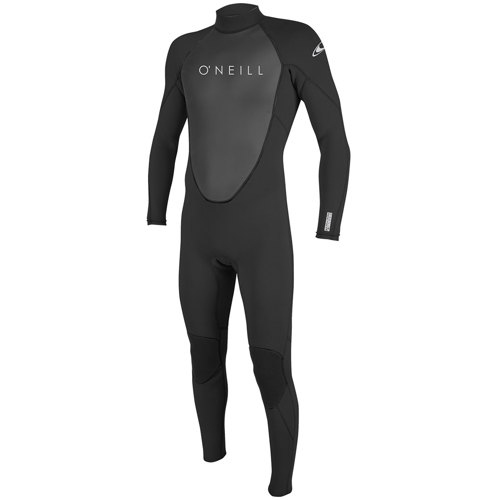
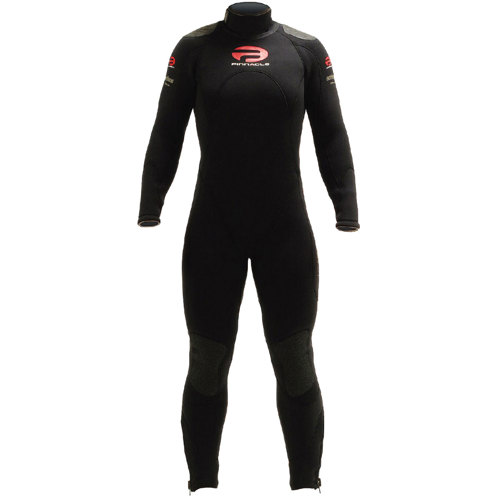
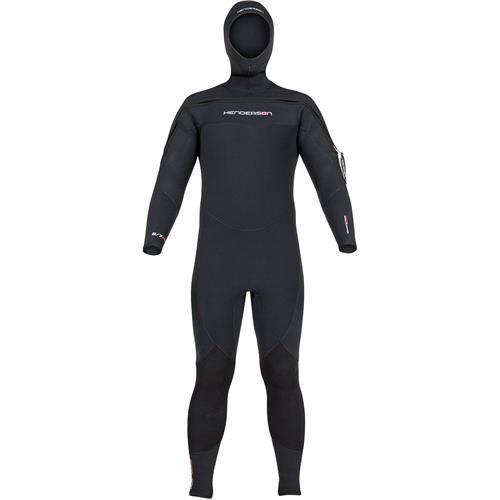
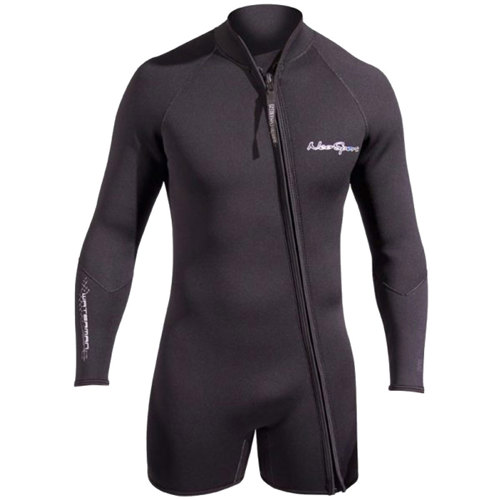
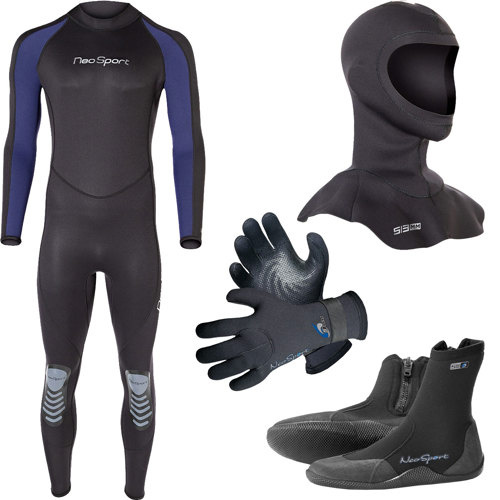
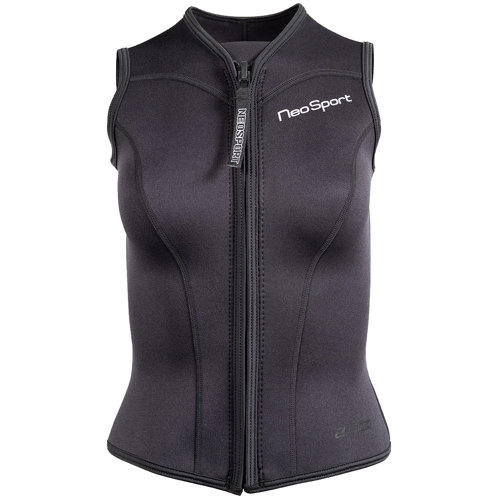
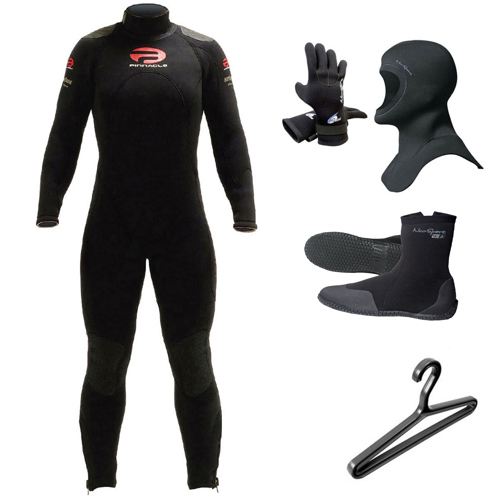
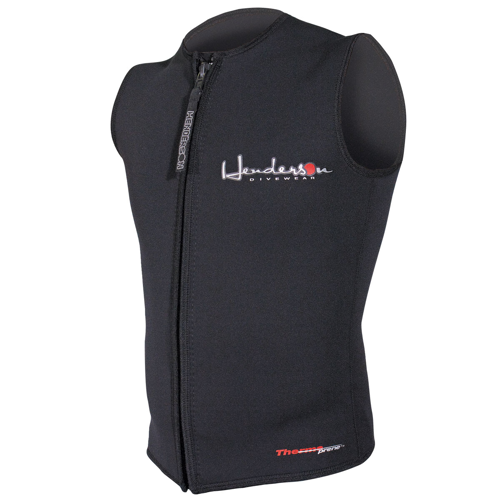
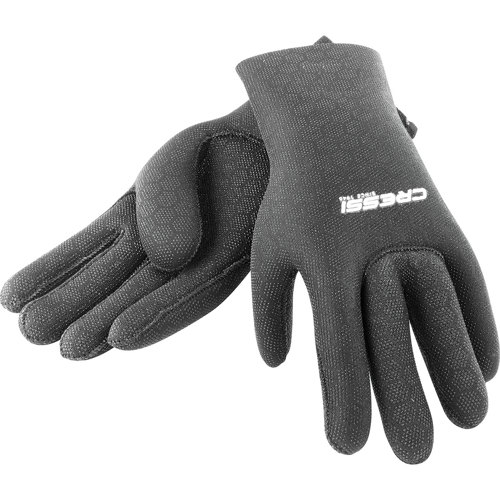
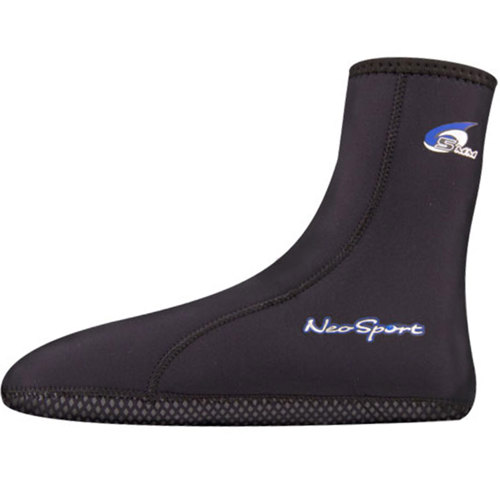
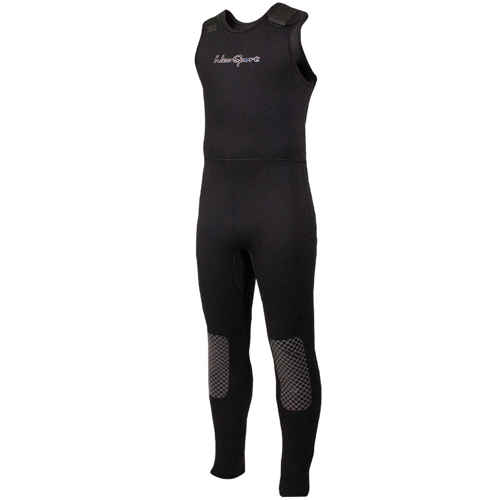
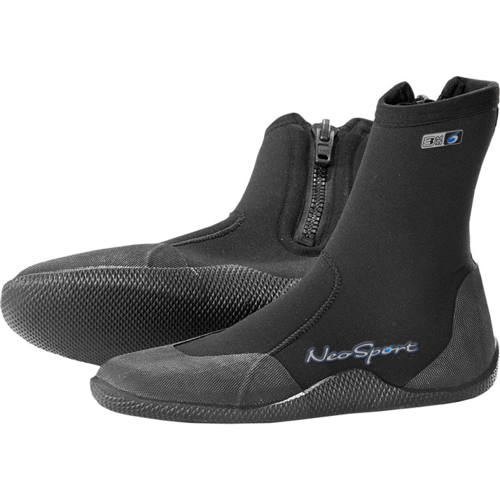
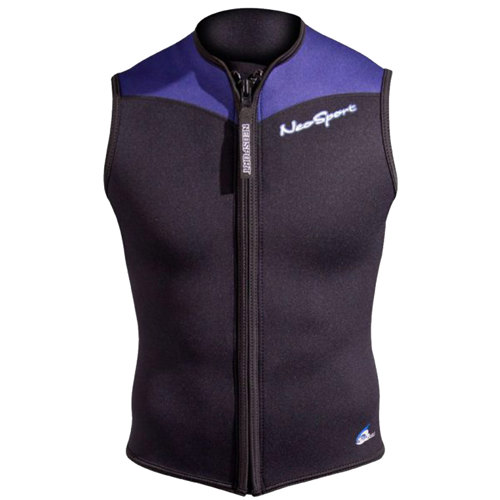
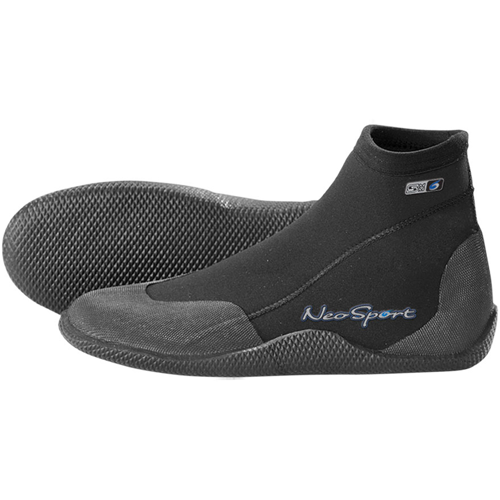
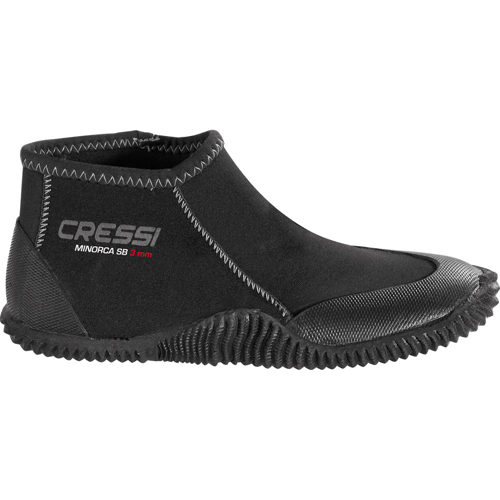
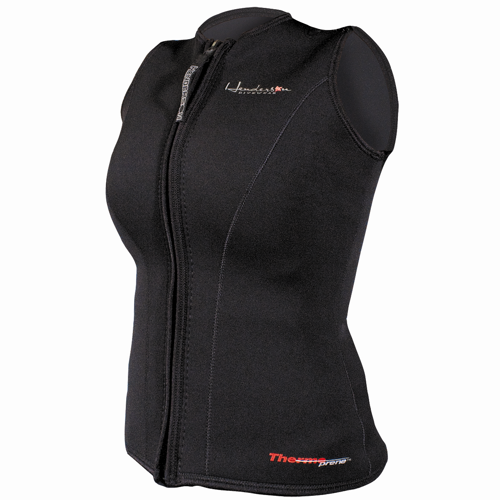
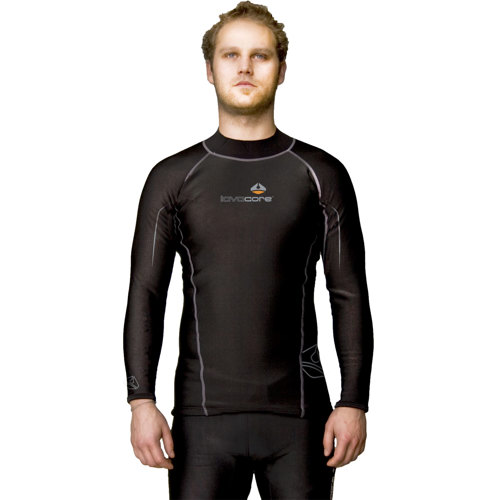
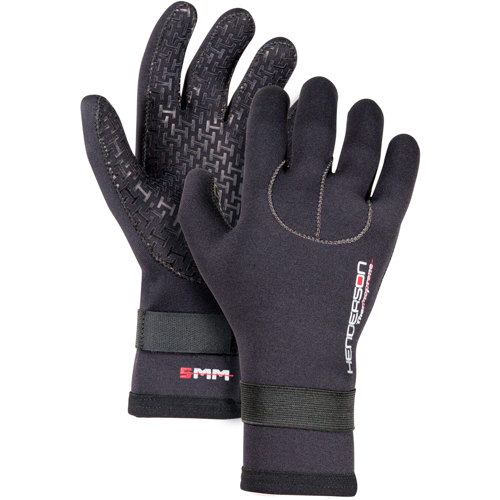
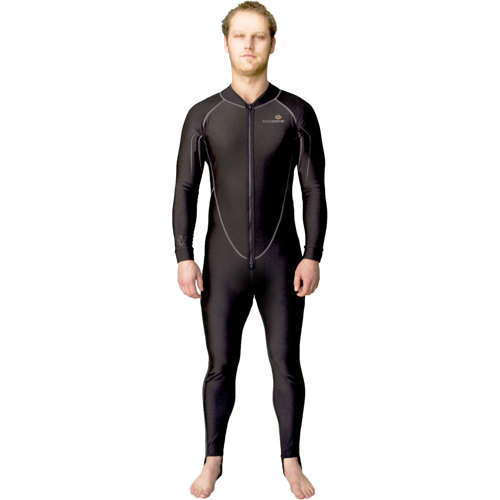
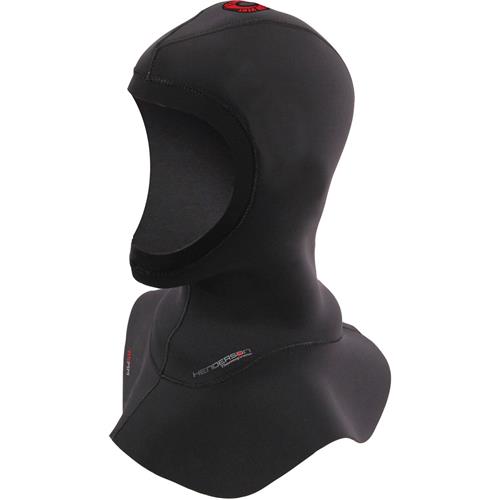
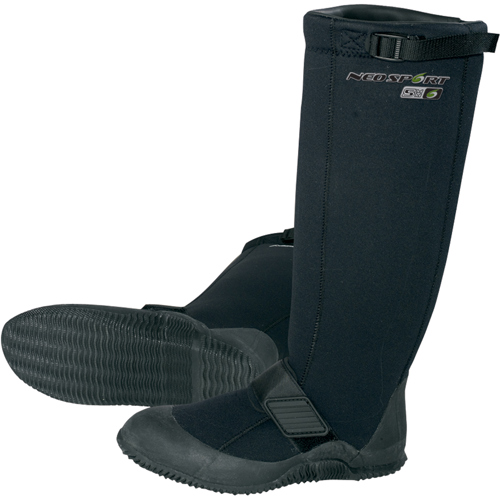
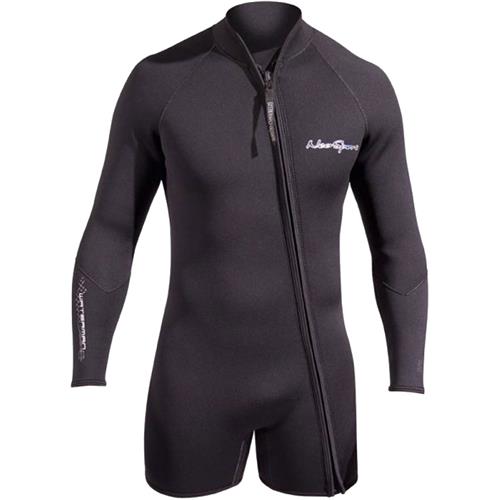
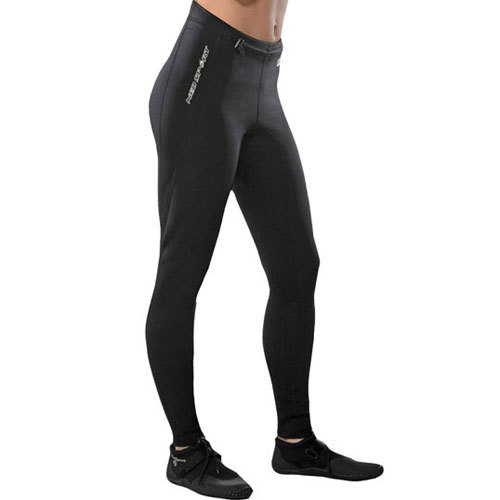
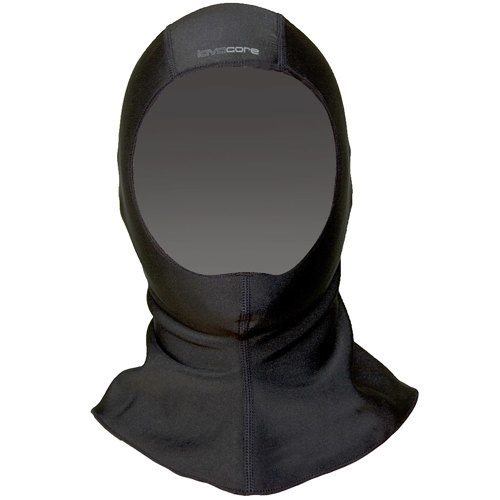
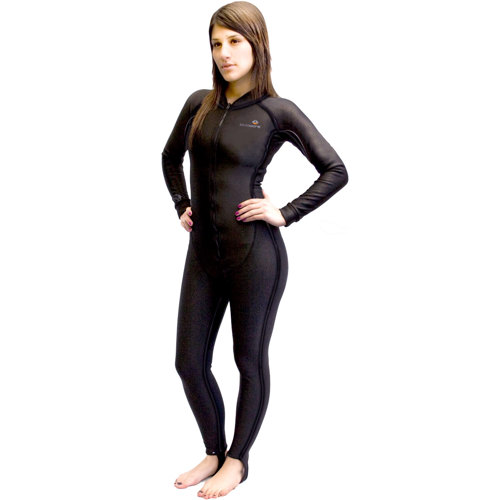
When it comes to clothes for water sports in cold conditions, choosing the right apparel is essential for both safety and enjoyment. Whether you’re braving the chill of an early morning surf, exploring northern coastlines on a paddleboard, or diving into alpine lakes, the right clothing makes all the difference in comfort and performance. Cold water draws heat from the body at a rapid pace, so it’s vital to dress for the water temperature rather than just the air. Layering is a proven approach, with neoprene wetsuits, drysuits, and thermal underlayers forming the foundation for most cold water athletes. Neoprene wetsuits in varying thicknesses—such as 5/4mm or 6/5mm—are designed to trap a thin layer of water between your skin and the suit, which your body then warms, providing insulation even in frigid conditions. For those who prefer kayaking, paddleboarding, or surface sports where immersion is less frequent but exposure is prolonged, drysuits paired with moisture-wicking and insulating base layers offer complete dryness and warmth, even when splashes and spray are constant companions. Accessories like neoprene gloves, booties, and hoods are more than just afterthoughts; they play a critical role in minimizing heat loss from extremities, which can account for a significant percentage of overall body heat dissipation. It’s also important to avoid cotton, as it holds moisture and can accelerate heat loss, increasing the risk of hypothermia. Instead, look for synthetic or wool layers that retain warmth even when damp.
Cold water sports apparel isn’t just for seasoned athletes—these products make thoughtful, practical gifts for anyone who enjoys outdoor adventures, from weekend snorkelers to dedicated open-water swimmers and paddlers. Gifting a set of quality thermal layers, a snug-fitting wetsuit, or a pair of sturdy neoprene booties can open up new possibilities for loved ones, allowing them to comfortably extend their season well beyond the warmest days. For families planning vacations to cooler destinations or friends training for endurance swims, the right gear means they can focus on the experience rather than the temperature. As the weather warms in late spring and throughout the summer, water temperatures can still lag behind the air, especially in lakes, rivers, and oceans fed by snowmelt or cold currents. This means that protective clothing remains vital even when the sun is shining. For those interested in exploring more specialized apparel, such as splash jackets or hybrid tops that balance mobility and insulation, or for guidance on selecting the ideal setup for paddling in colder environments, our dedicated resource on
Clothing for Cold Weather Kayaking offers tailored advice and product recommendations. No matter your activity or skill level, investing in the right clothes for water sports ensures that every outing is memorable, safe, and as comfortable as possible, letting you make the most of each adventure on, in, or under the water.