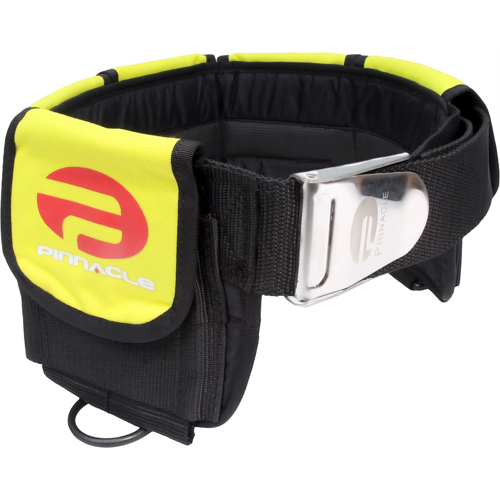
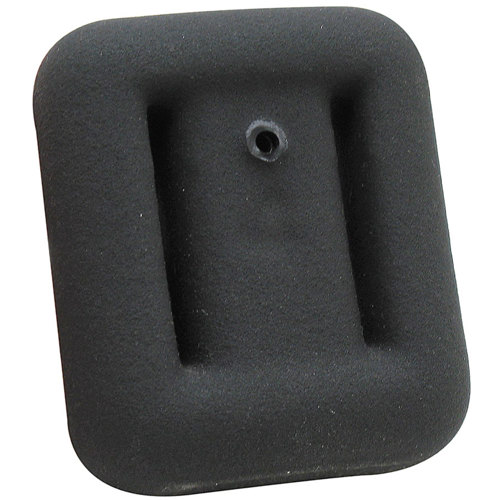
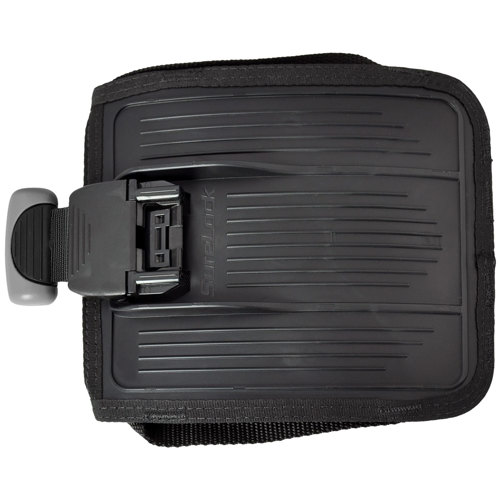
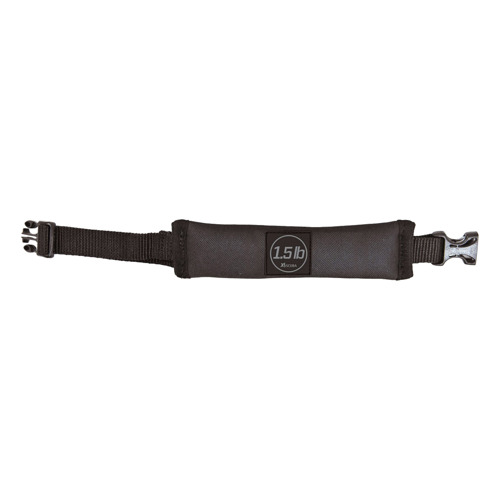
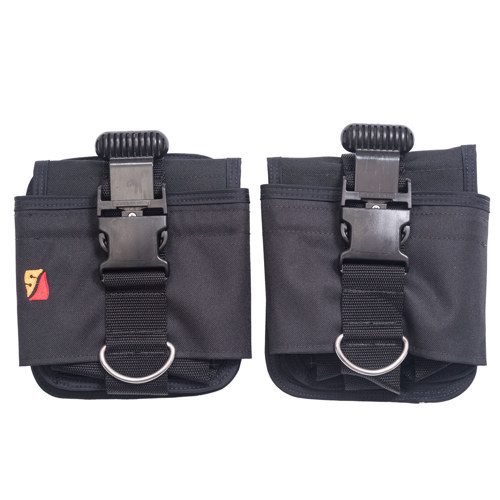
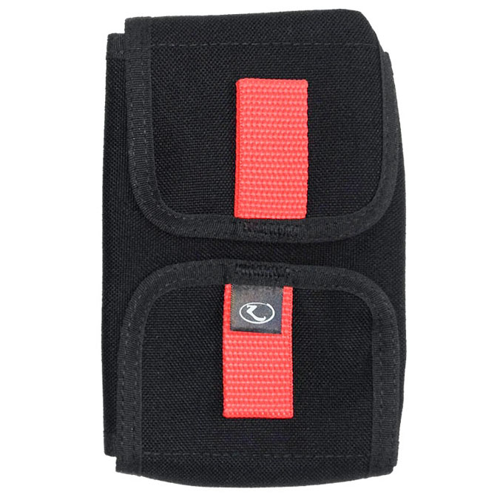
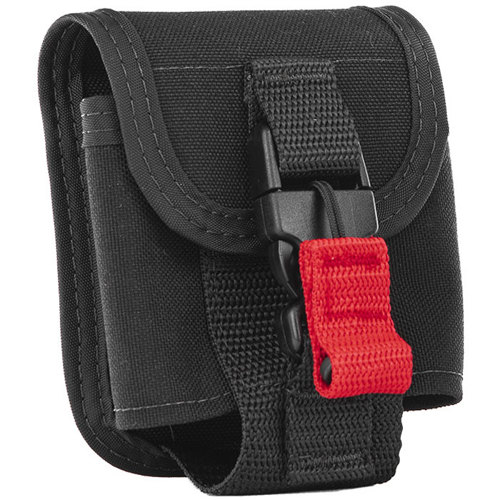
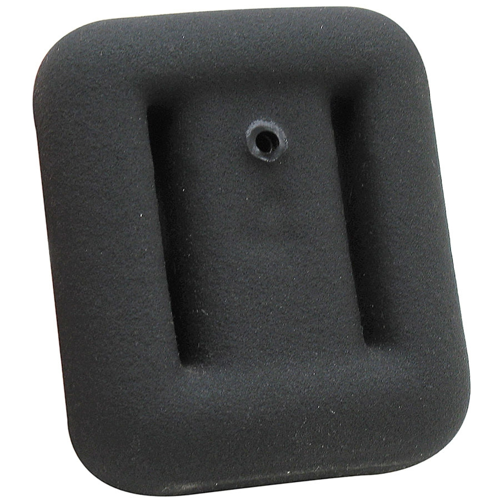
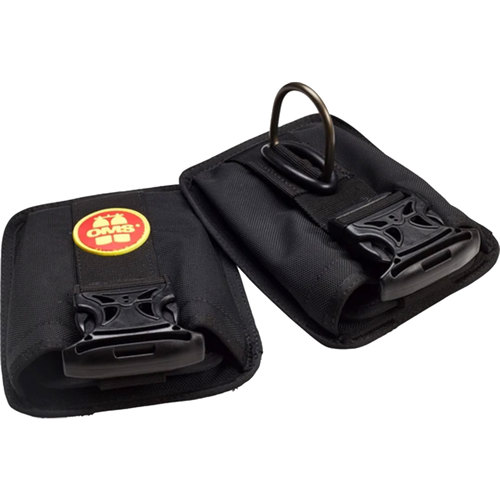
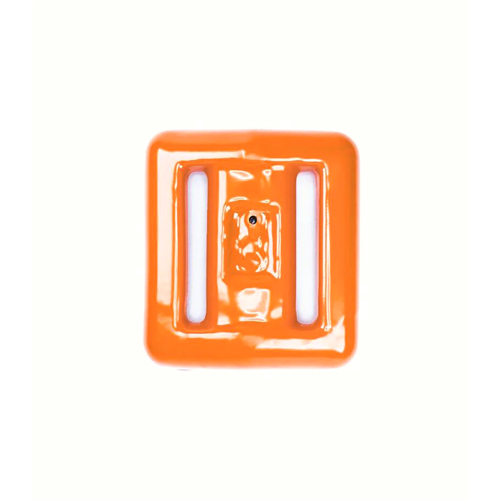
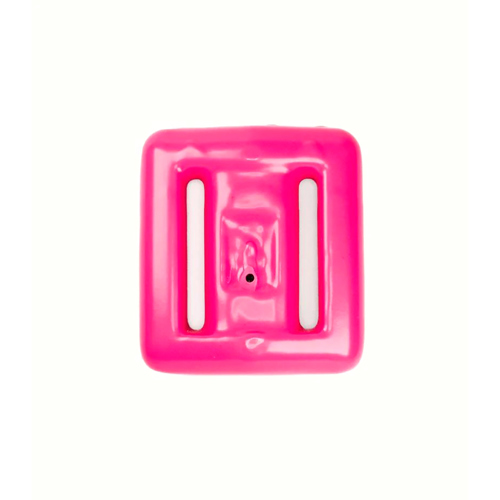
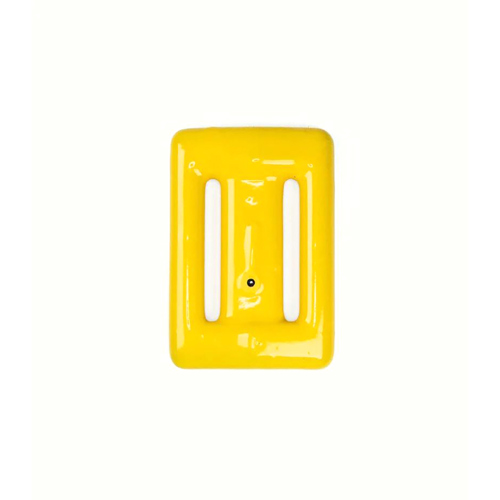
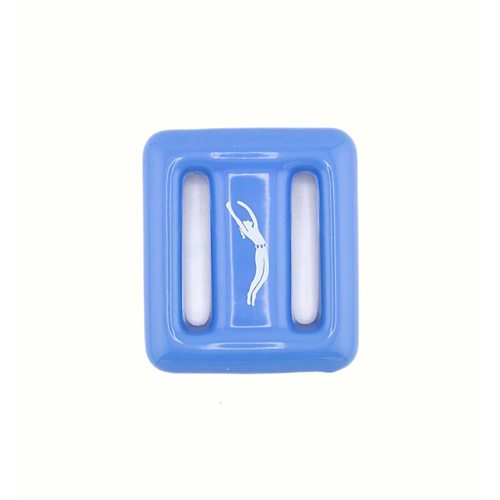
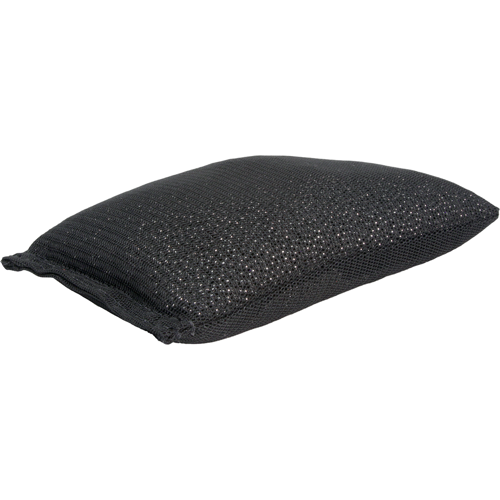
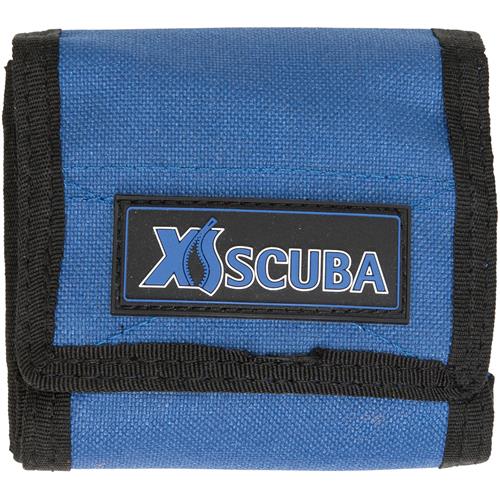
For divers venturing into cooler waters, especially as spring gives way to the brisk dives of early summer, dry suit weights are an essential part of a safe and comfortable underwater experience. Unlike wetsuit diving, where your exposure protection compresses and loses buoyancy with depth, a dry suit maintains a consistent layer of air and insulation, which means your buoyancy characteristics change significantly. This is especially true when you factor in the thick undergarments needed for cold water, which can add substantial positive buoyancy. Selecting the right diving weights, and distributing them properly, is crucial for maintaining optimal diving trim and preventing issues like uncontrolled ascents or uncomfortable dives. Many seasoned divers recall their first cold-water dives, where the challenge wasn’t just the chill but dialing in the perfect weight system—far more than they ever needed in tropical waters. The difference between a struggle and a smooth descent often comes down to thoughtful weight selection and placement, whether you’re using a traditional belt, integrated BCD pockets, or a harness system. For newer divers or those transitioning to dry suits, it’s common to start with a slightly heavier setup and then fine-tune after conducting a buoyancy check at the surface and again at the end of a dive with a nearly empty tank.
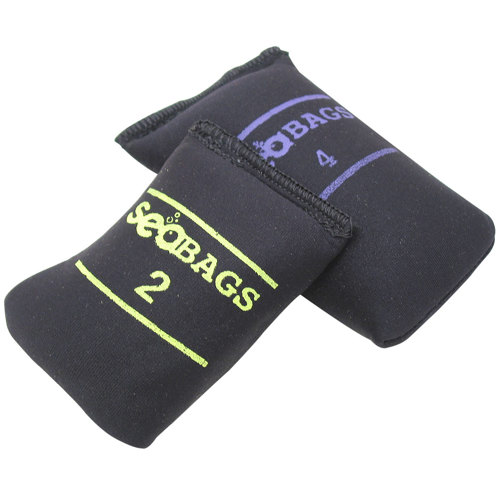
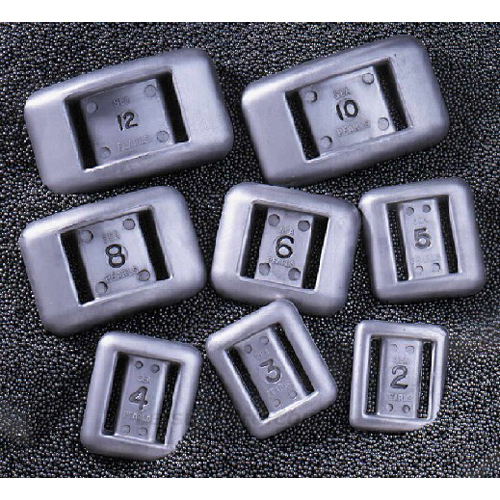
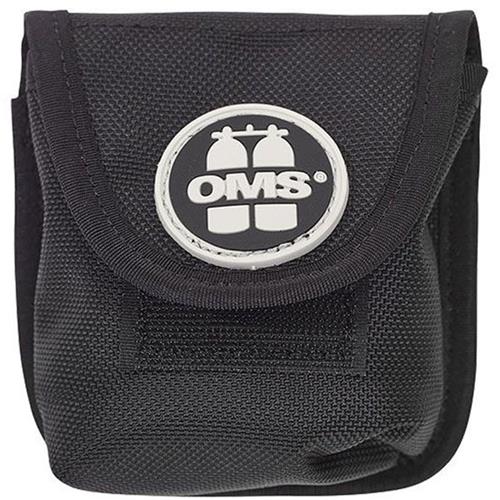
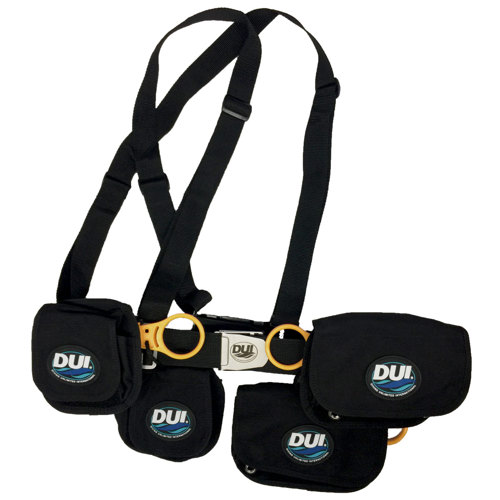
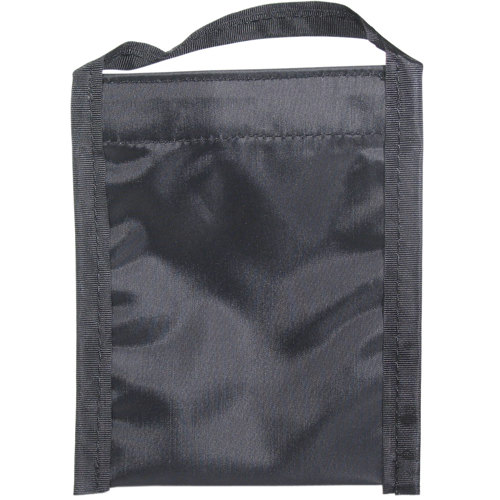
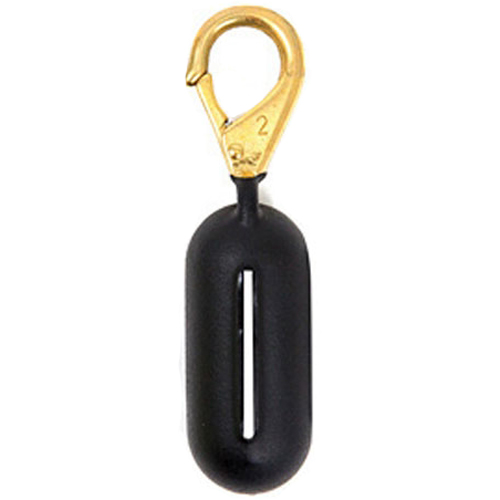
When choosing dry suit weights, consider not only the total amount needed but also how you distribute that weight for maximum comfort and control. Divers weights come in various forms, from soft pouches to hard blocks, and the configuration you choose can help alleviate pressure points and improve your ability to maintain horizontal trim. Systems designed to spread weight across your torso or hips often make longer dives less fatiguing, especially when carrying a diver 6lb weight or more to counteract the buoyancy of thick undergarments. The material of your tank also plays a role: steel cylinders are more negatively buoyant than aluminum, meaning you may need less lead. And if you’re diving in fresh water rather than salt, you can typically reduce your total by several pounds. Seasoned divers often recount the difference a well-balanced setup makes when navigating kelp forests or exploring a shipwreck, where fine-tuned buoyancy and trim allow for effortless gliding and precise maneuvering. These same considerations make dry suit weights a thoughtful gift for the avid cold-water diver in your life, offering both enhanced safety and comfort on every dive. Some divers even keep a variety of weights on hand, swapping out configurations as conditions change—much like layering clothing for unpredictable weather.
Proper weight selection is not just about comfort—it’s a cornerstone of safe diving practice. Before each dive, especially when using new gear or diving in a different environment, it’s vital to perform a thorough buoyancy check. This means confirming that you can hover neutrally at safety stop depth (around 15 feet) with a nearly empty cylinder, ensuring you have enough weight for a controlled ascent and stop. Adjustments may be needed as you gain experience or change equipment, and many technical divers rely on modular systems that allow for quick tweaks. For those exploring more advanced diving, including technical or overhead environments, you may want to explore the options available in our
Technical Diving Weights collection, which offers specialized solutions for complex dives. No matter your level of experience, investing time in selecting and configuring your dry suit weights pays off with greater confidence, energy, and enjoyment underwater. Whether you’re gearing up for a summer of local lake dives or planning a cold-water expedition, the right diver lift and trim can transform your dives from challenging to truly unforgettable.