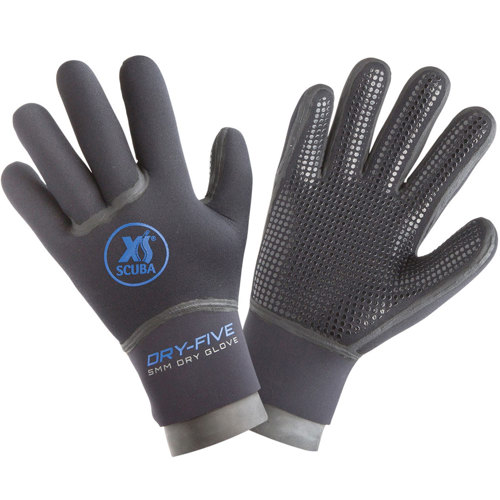
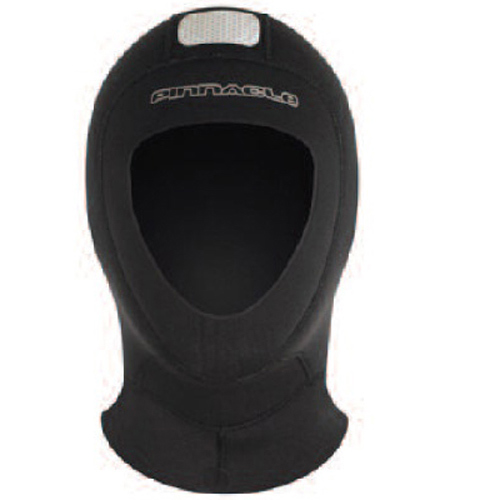
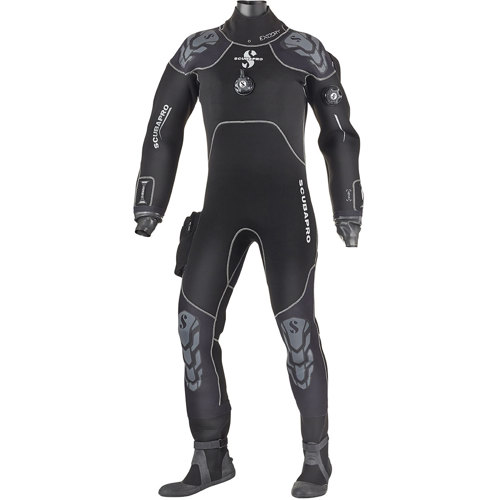
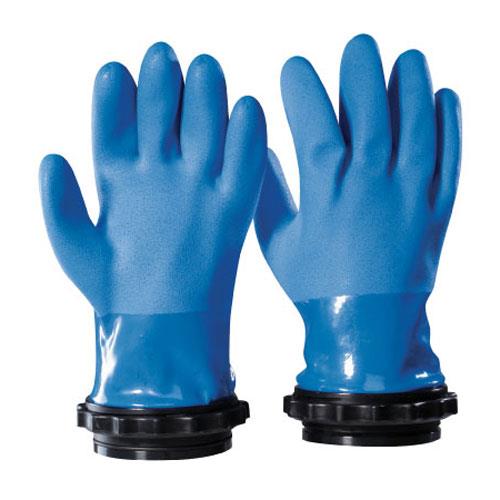
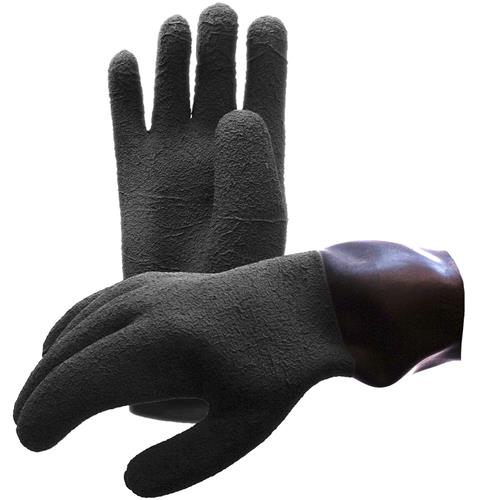
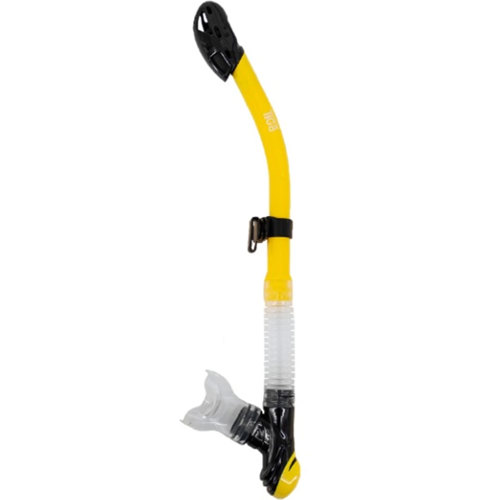
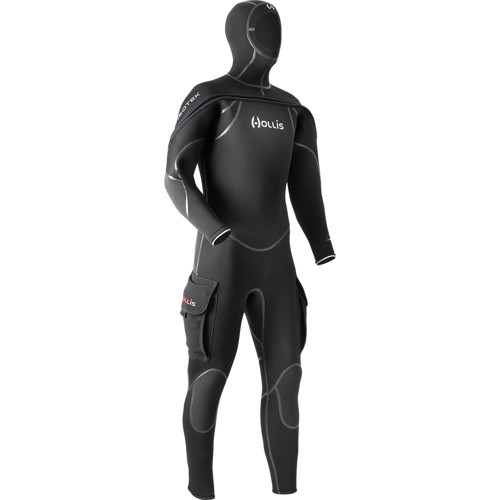
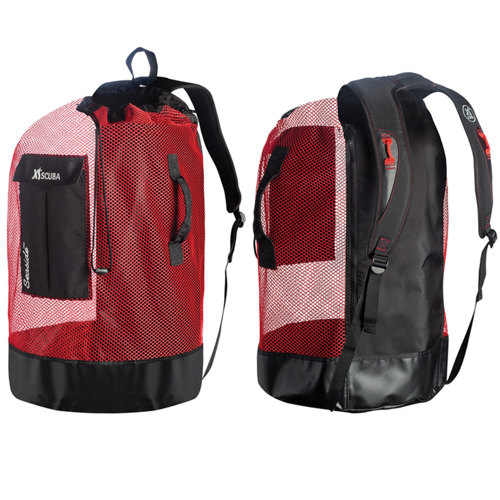
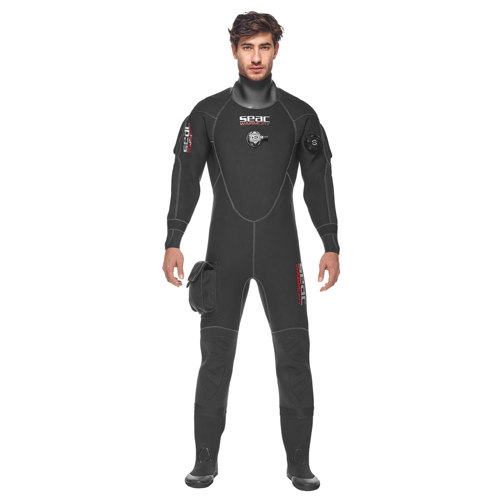
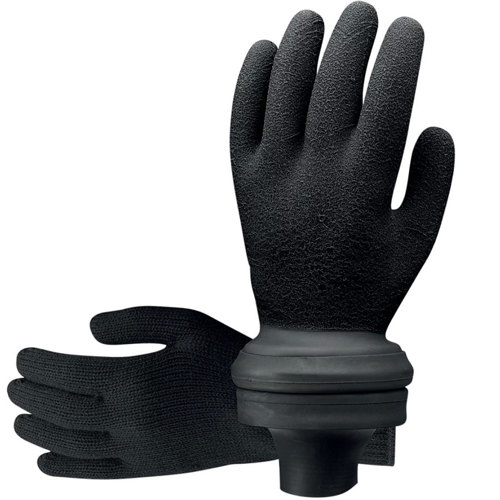
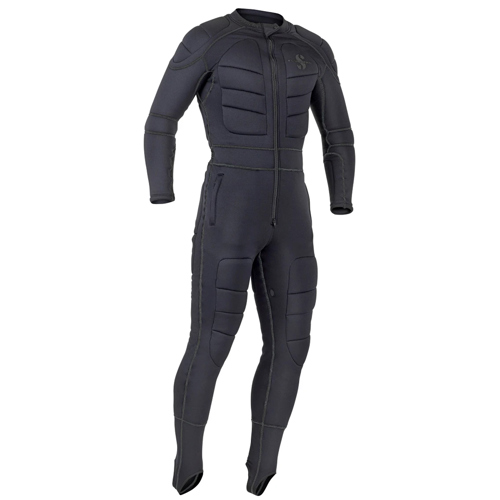
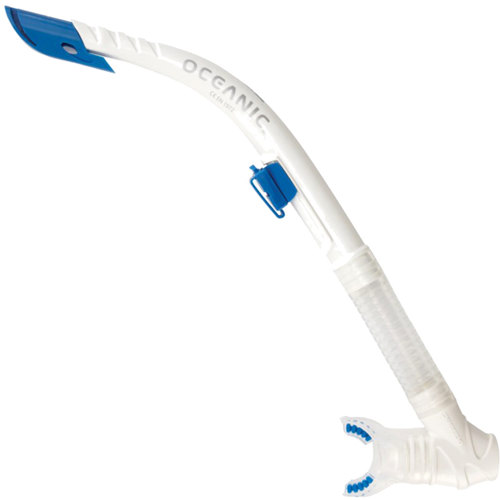
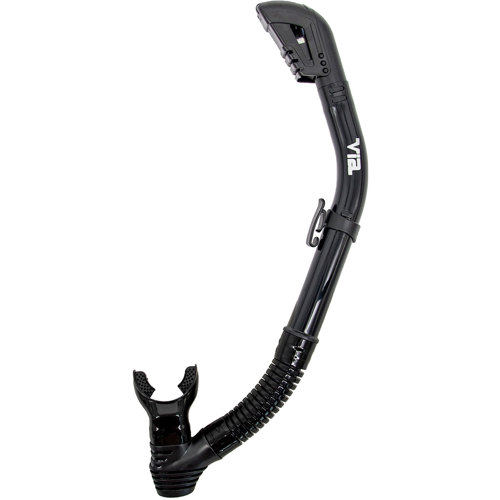
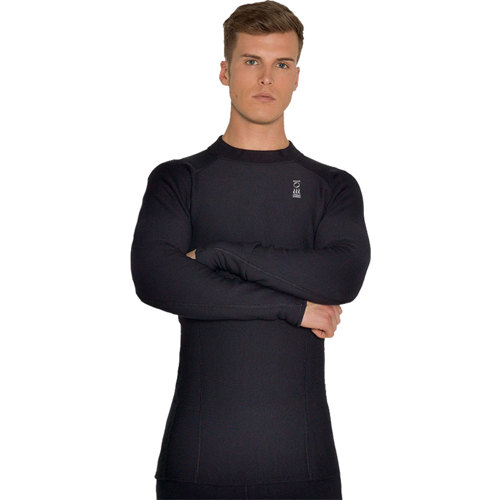
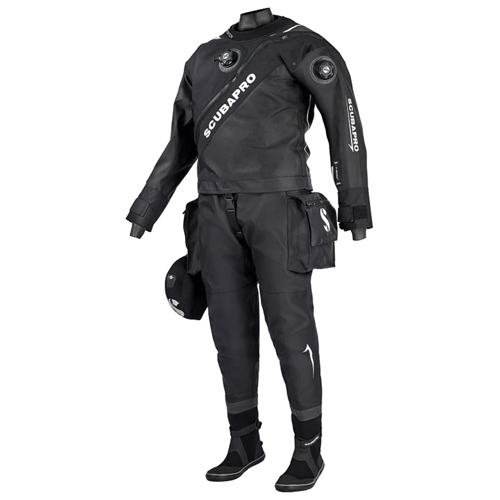
Dry diving gear is essential for anyone who wants to explore beneath the surface in comfort, especially in environments where the water temperature can quickly sap body heat. Unlike wetsuits, which allow a thin layer of water to enter and rely on your body to warm it, drysuits and their accessories create a complete barrier, keeping you dry and allowing you to layer insulating garments underneath. This makes dry diving gear a top choice not only for technical and cold-water divers but also for those who want to extend their diving season or travel to destinations with variable conditions. Whether you’re planning a summer trip to northern lakes, visiting coastal waters where upwellings can chill the surface, or prepping for early fall dives as the air cools, the right dry diving setup is a game changer. The system typically includes a drysuit with robust seals at the neck and wrists, thermal undergarments for warmth, and specialized accessories like dry gloves, hoods, and integrated boots. These components work together to manage buoyancy and maintain core temperature, letting you focus on the marine life and underwater landscapes rather than the cold. For divers who pursue underwater photography, scientific research, wreck exploration, or simply want to maximize comfort on long dives, investing in dry diving gear can open up a whole new world of possibilities.
Selecting the right dry diving gear involves a few key considerations, from fit and material to intended use and maintenance. Drysuits come in a range of materials—such as trilaminate, crushed neoprene, and vulcanized rubber—each offering a unique balance of flexibility, durability, and thermal protection. Some divers prefer the streamlined feel of neoprene for added warmth, while others opt for the lightweight versatility of membrane suits, especially when traveling or layering for extreme cold. Proper fit is crucial, as the seals at the neck and wrists must be snug enough to prevent leaks without restricting movement. Many suits offer adjustable features or custom sizing to ensure a comfortable, watertight fit. Donning the right undergarments is just as important; fleece or synthetic loft materials trap warmth and wick away moisture, keeping you cozy even during extended dives. Accessories like dry gloves and hoods can be mixed and matched based on your specific needs, whether you’re braving glacial waters or simply want extra protection during shoulder seasons. Maintenance is another factor—rinsing your gear after each use, checking seals for wear, and storing your suit properly will ensure it lasts for years to come. For anyone shopping for a diver, dry diving gear makes a thoughtful and practical gift, especially for those who are passionate about year-round diving, underwater photography, or exploring new environments. If you’re outfitting yourself for the first time, or upgrading your kit for more challenging adventures, consider complementing your setup with specialized accessories such as
Dry Diving Masks for a truly comprehensive dry diving experience.
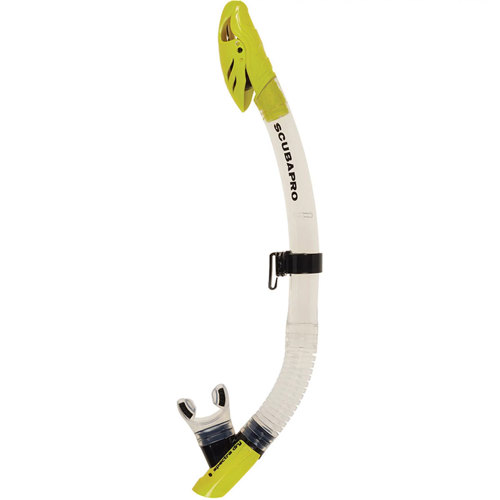
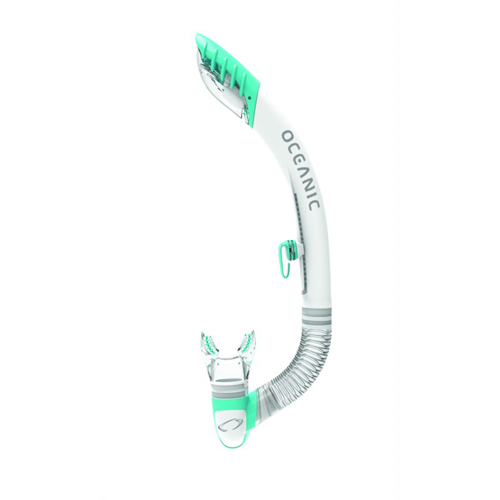
Dry diving gear isn’t just for the seasoned explorer—snorkelers, instructors, and even casual weekend divers can benefit from the comfort and safety it provides. As the weather transitions from the warmth of early summer through the milder days of fall, water temperatures can fluctuate, making it vital to have reliable exposure protection. The peace of mind that comes from staying dry and warm allows you to focus on refining your skills, enjoying the unique beauty of underwater ecosystems, and making the most of every dive. Whether you’re navigating kelp forests, investigating sunken wrecks, or simply enjoying the tranquility of a quiet cove, the right dry diving gear lets you dive deeper and longer, regardless of the season. With a little care and the right combination of suit, undergarments, and accessories, you can look forward to memorable dives and new discoveries, all while staying comfortable and protected beneath the surface.