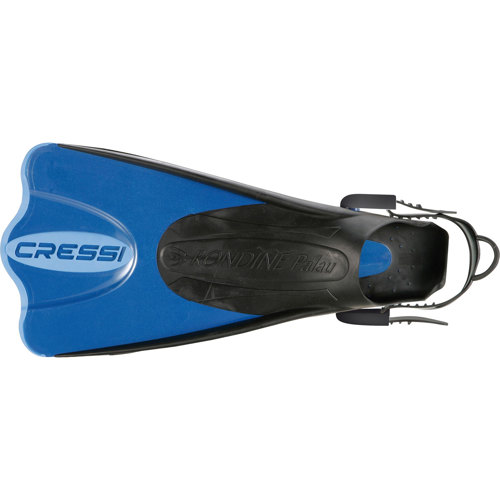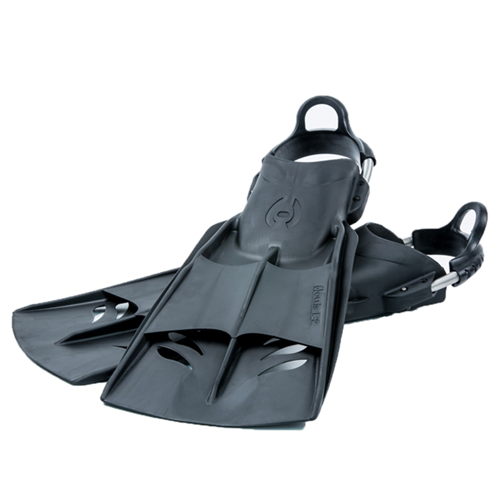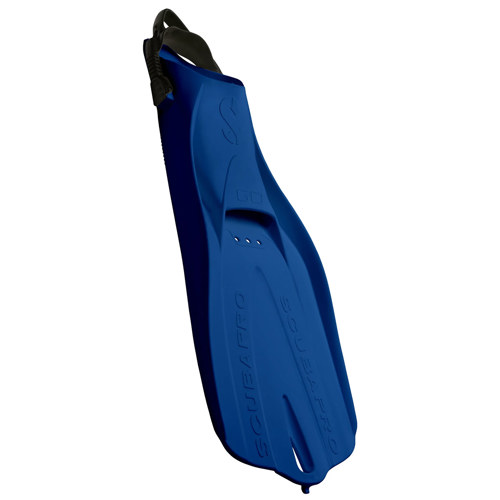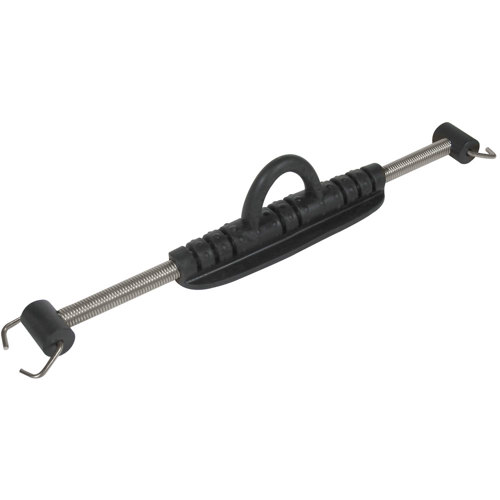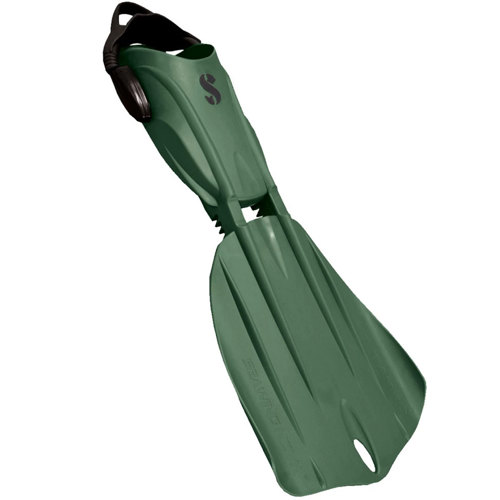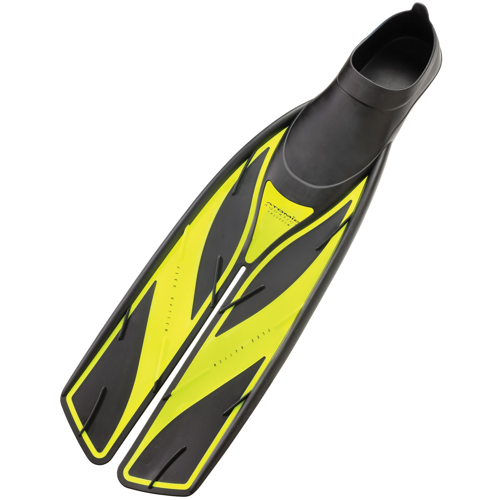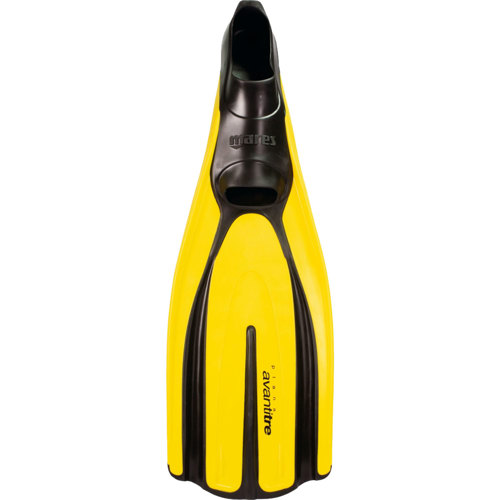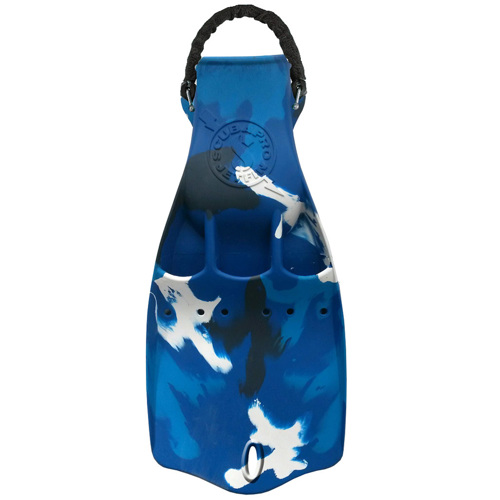
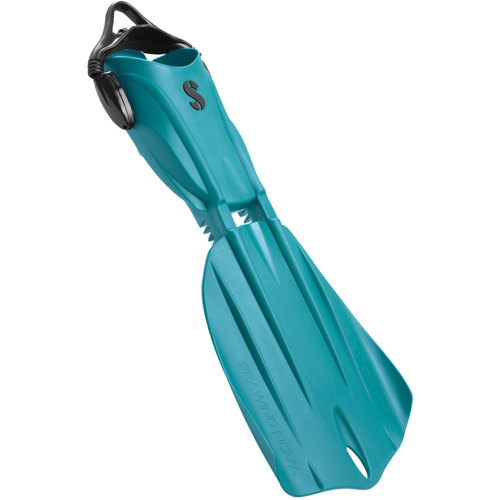
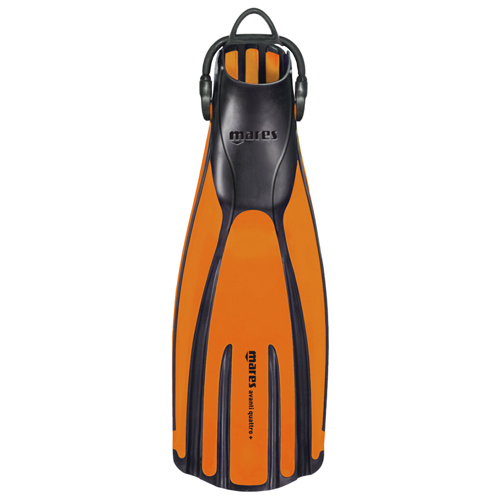
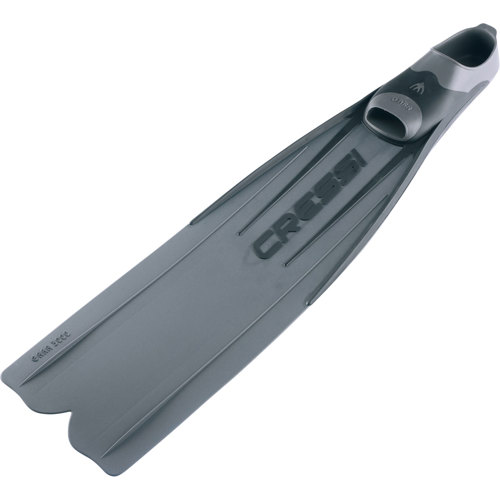
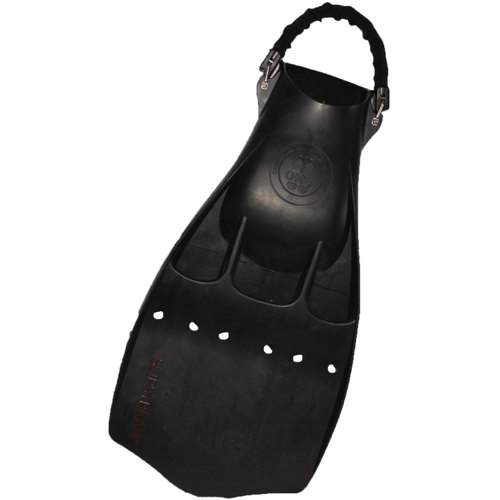
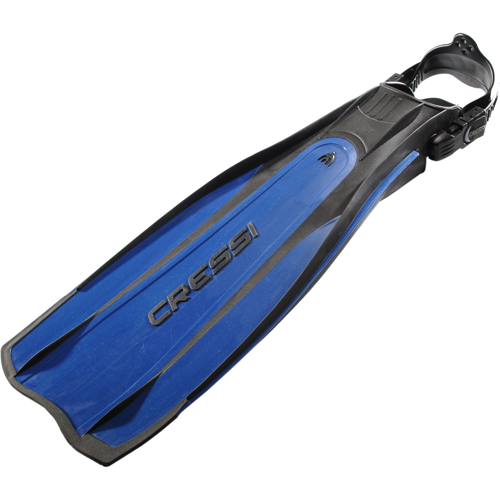
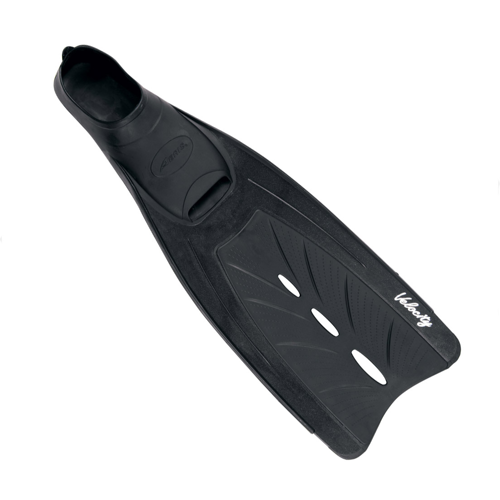
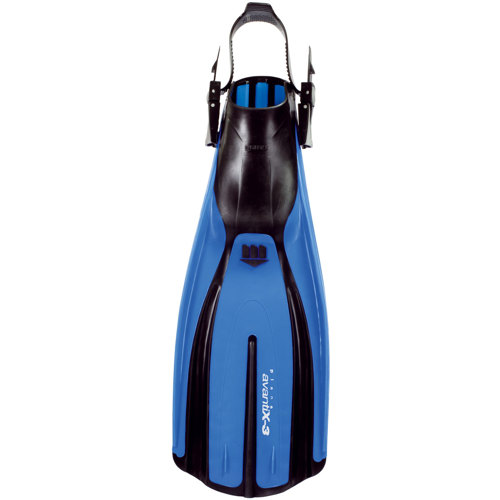
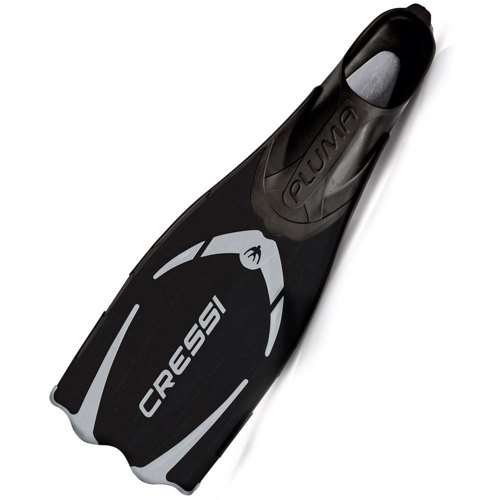
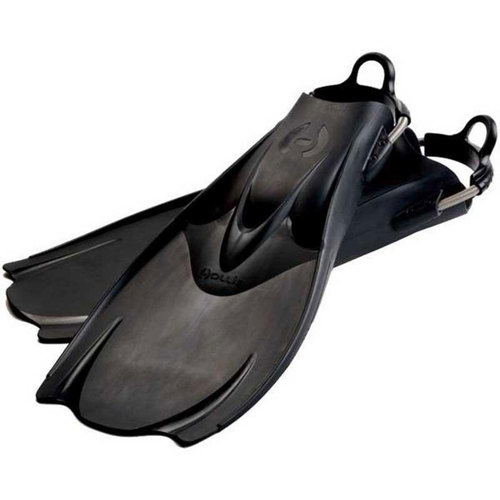
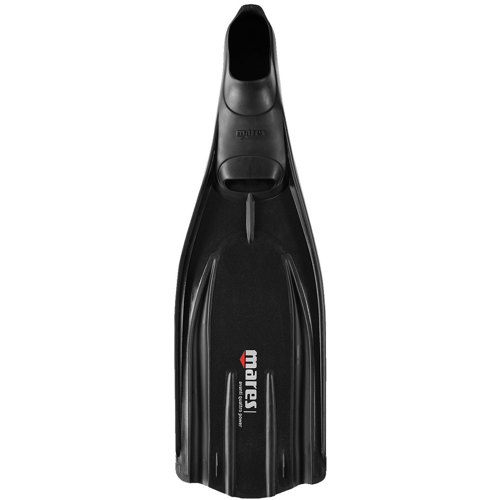
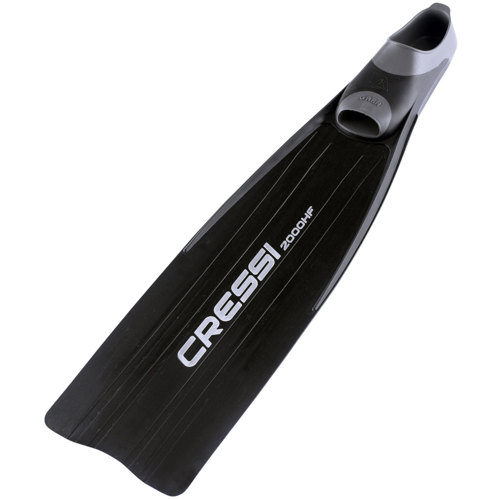
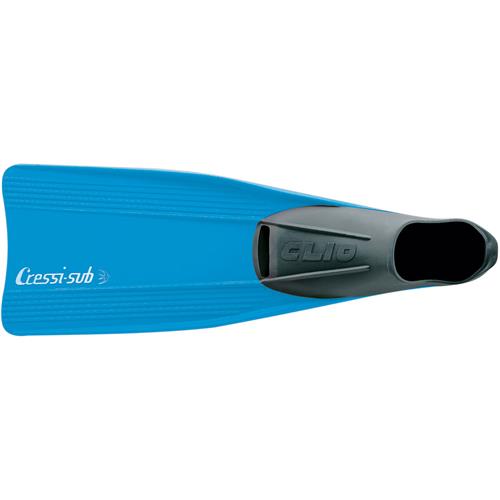
Donning fins is a fundamental moment for every diver, snorkeler, or underwater explorer, marking the transition from land to water and setting the stage for a smooth, enjoyable aquatic experience. Whether you are gearing up for your first open water dive or preparing for a casual snorkeling session on a tropical vacation, choosing the right pair of fins and learning to don them efficiently can make all the difference. Fins come in a variety of styles, including full-foot and open-heel designs, each catering to different water temperatures, activity levels, and user preferences. Full-foot fins are often favored by warm-water snorkelers and travelers due to their lightweight construction and ease of use, while open-heel fins—paired with neoprene boots—offer greater versatility and protection for divers who frequent colder waters or rocky shorelines. The process of donning fins is more than just slipping your feet into foot pockets; it’s about ensuring a secure, comfortable fit that will support powerful kicks, minimize fatigue, and prevent blisters or chafing during extended sessions underwater.
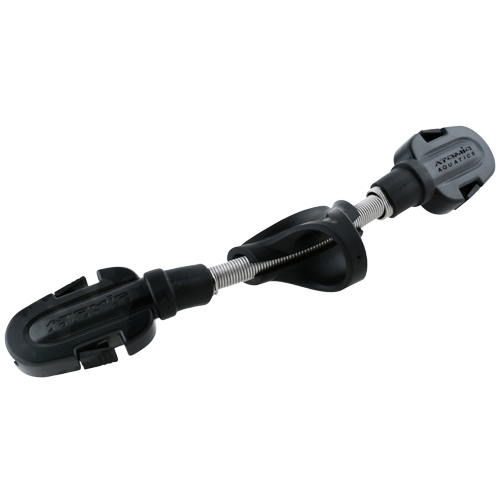
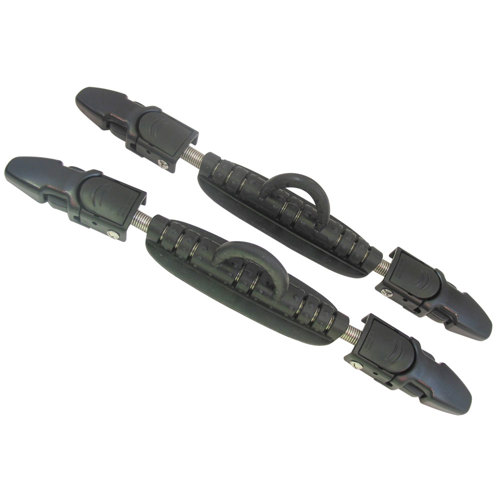
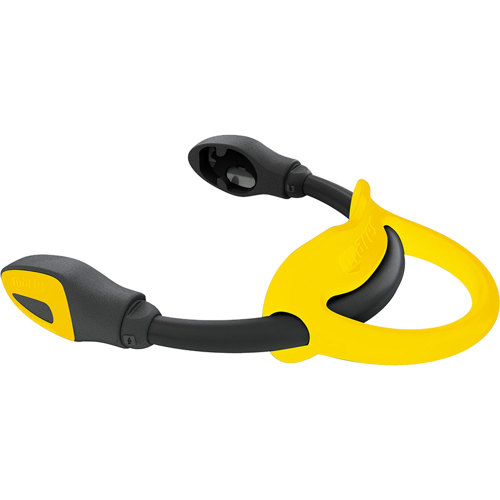
For many, the act of donning fins is a ritual that signals the start of adventure, whether it’s a weekend dive at a local lake or a once-in-a-lifetime trip to a coral reef. It’s common to see divers sitting at the edge of a boat or dock, adopting the “Figure 4” position—ankle crossed over the opposite knee—to guide their feet smoothly into the foot pockets, carefully adjusting straps for a snug, yet non-restrictive fit. The right technique not only ensures comfort but also helps avoid fumbling at the water’s edge, especially when conditions are less than ideal. For those who prefer to enter the water before putting on their fins, chest-deep entry offers buoyancy support, making it easier to don fins without struggling against gravity or slippery surfaces. Spring straps have become a popular upgrade for technical divers and frequent travelers alike, thanks to their self-adjusting design and durability, which streamline the donning process and reduce the risk of strap failures at critical moments. If you’re shopping for fins as a gift, consider the recipient’s experience level, travel habits, and the environments they’re likely to explore—fins are a thoughtful present for anyone who loves the water, from seasoned divers to families planning their first snorkeling holiday.
As the winter months give way to spring, many divers and snorkelers begin planning their next aquatic adventures, making February an ideal time to invest in new gear or upgrade existing equipment. Fins are more than just a means of propulsion—they are a vital link between the body and the water, transforming leg movements into efficient, controlled motion. When selecting fins, pay close attention to sizing, adjustability, and the quality of materials, as these factors directly influence performance and comfort. Features like ergonomic foot pockets, quick-release buckles, and reinforced blades can enhance your underwater experience, while specialized options such as split fins or travel-friendly compact designs cater to specific needs. For those who anticipate walking short distances in their fins—such as along sandy beaches or boat decks—exploring the range of
Walking Fins can provide additional stability and ease of movement. Ultimately, the right pair of fins empowers you to move gracefully through the water, conserve energy, and fully immerse yourself in the beauty and tranquility of the underwater world. Whether you’re preparing for a local dive, a tropical getaway, or simply looking to share the joy of the ocean with a loved one, thoughtful consideration of your fin selection and donning technique will help ensure every aquatic journey begins on the right foot.