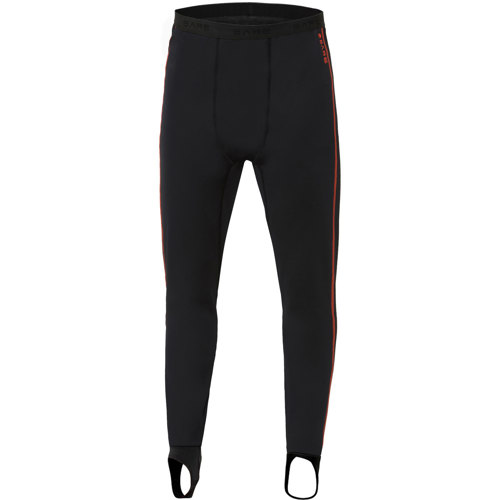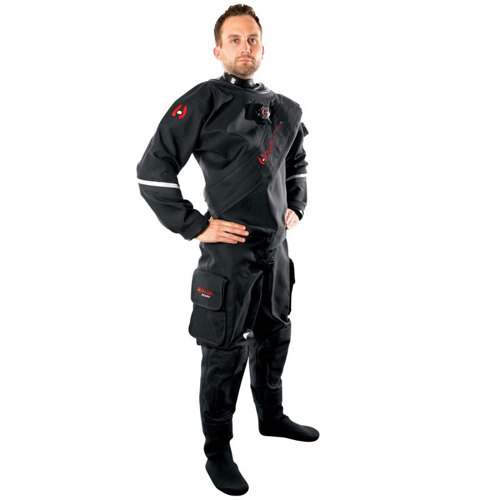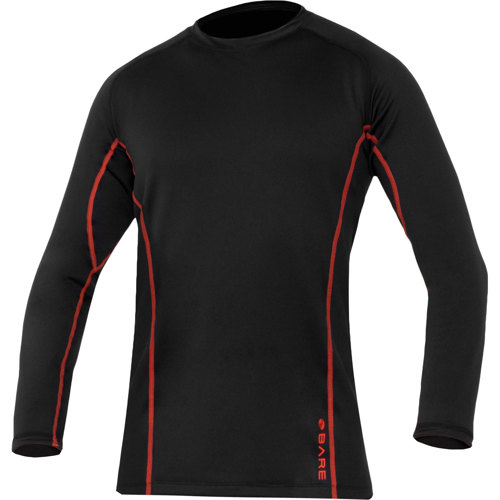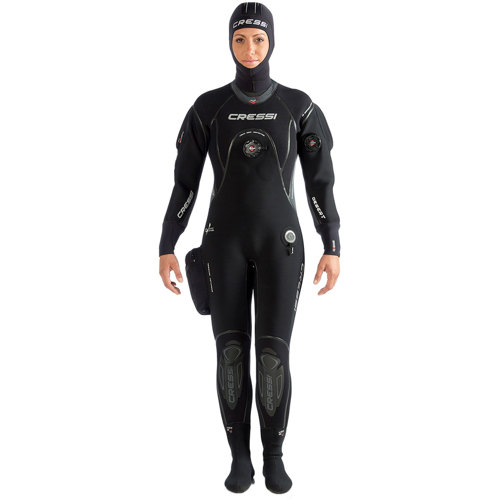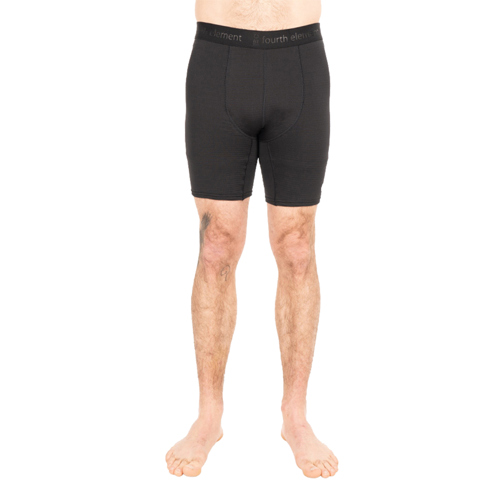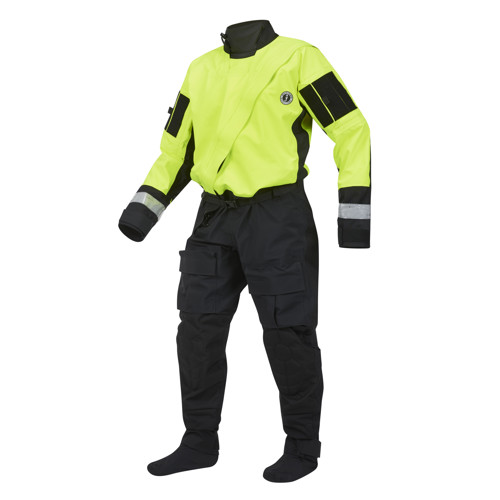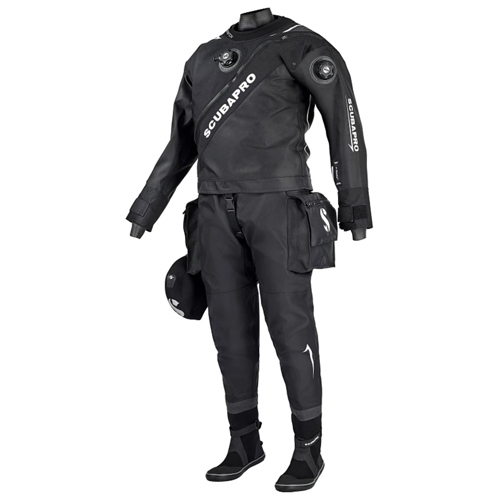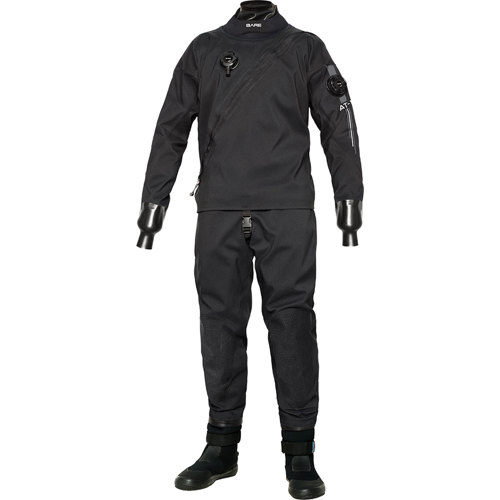
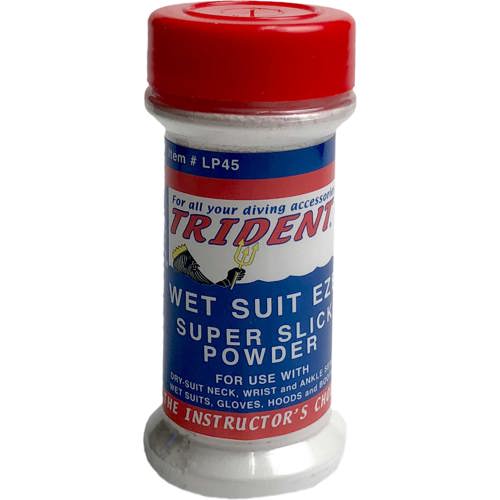
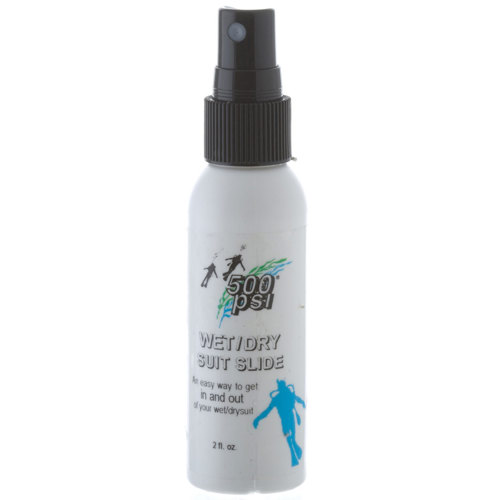
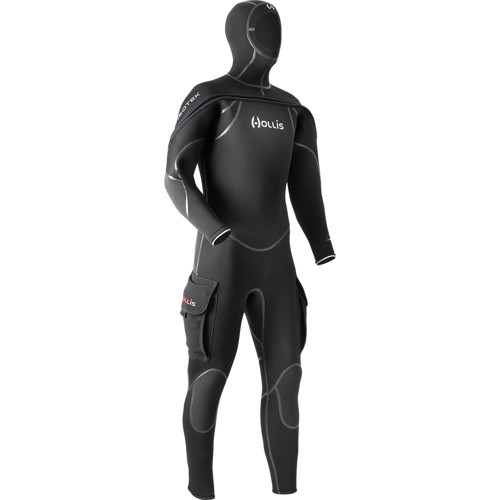
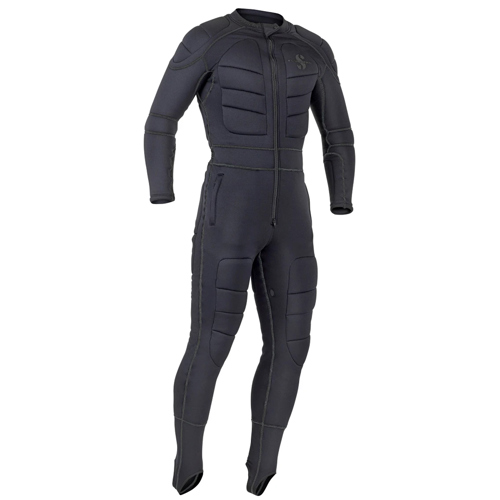
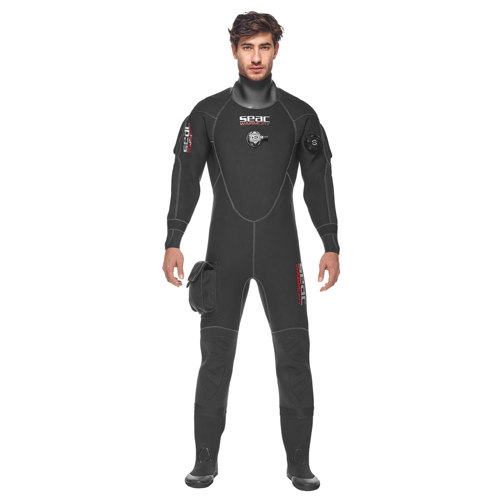
Drysuits are an essential piece of equipment for divers who want to extend their season into the colder months, explore temperate or polar waters, or simply stay warm and dry during long surface intervals. As January brings crisp air and chilly water temperatures, donning a drysuit becomes not just a matter of comfort but of safety and endurance. Whether you’re a seasoned technical diver preparing for a winter wreck dive, a dive instructor leading classes year-round, or a passionate recreational explorer eager to experience the tranquility of off-season underwater environments, the right drysuit accessories and donning aids can make all the difference. The process of gearing up for a drysuit dive is a ritual in itself, often beginning with the careful selection of thermal undergarments to layer beneath the suit. These layers are chosen for their insulation and moisture-wicking capabilities, ensuring that even as the water temperature dips near freezing, your body remains protected from the chill. The next step involves methodically stepping into the suit, one leg at a time, taking care to keep the interior free of sand or debris, and gently guiding hands and feet through latex or neoprene seals. Using a lubricant designed for drysuit gaskets can help prevent unnecessary strain on the material, reducing the risk of tears while making it easier to slide through snug openings.
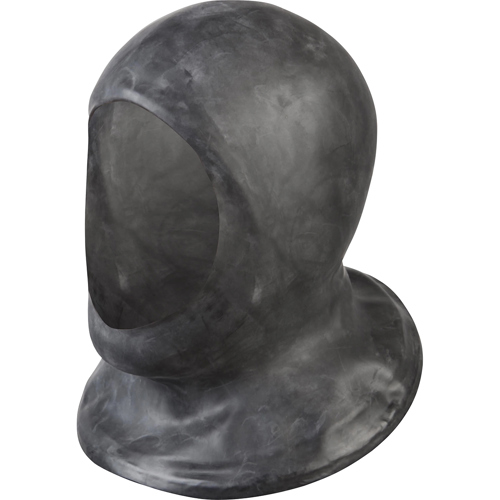
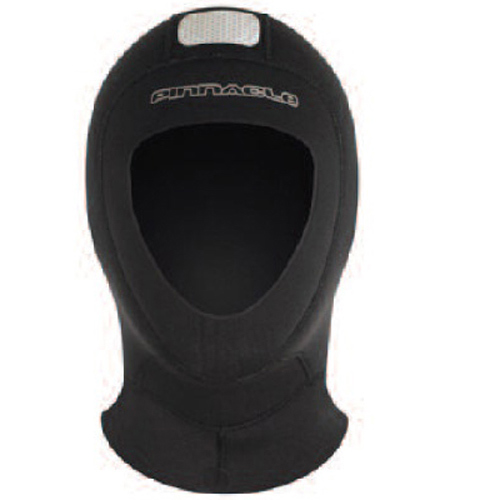
Attention to detail is crucial as you work the suit over your shoulders and bring the neck seal into place. Divers with long hair know the importance of tucking it neatly under a hood or cap to avoid uncomfortable pinching or leaks at the neck. A smooth, steady motion is best for pulling the seal over the head, and a touch of silicone lubricant can make this step far easier, especially on cold mornings when latex can feel less forgiving. The drysuit’s zipper—often a robust, waterproof affair—demands respect and care. Many divers rely on a buddy to ensure it is fully closed and properly seated, as even a small gap can lead to an unwelcome flush of cold water. Protecting the suit’s built-in socks or boots from sharp surfaces is another detail that experienced divers never overlook; a clean, soft surface or a changing mat can help preserve the integrity of the suit for countless dives to come. Before entering the water, it’s common practice to “burp” the suit, gently squeezing out excess air to achieve a close, comfortable fit that minimizes drag and helps maintain buoyancy control. Each of these steps, from the first layer of insulation to the final buddy check, is part of a rhythm that experienced drysuit divers come to appreciate as second nature.
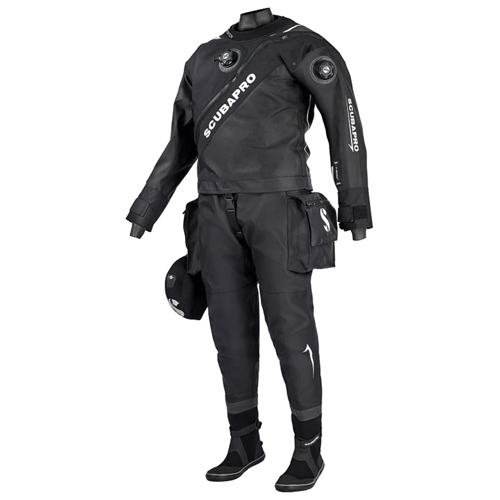
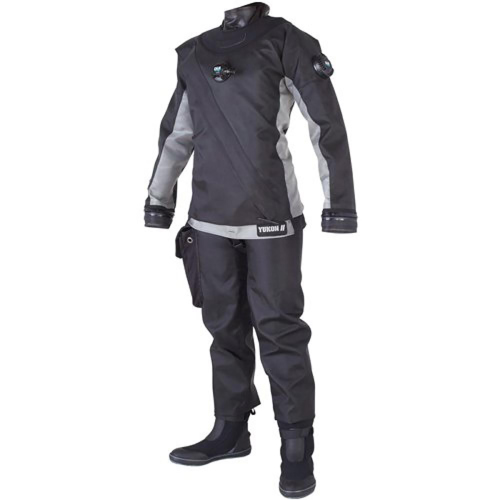
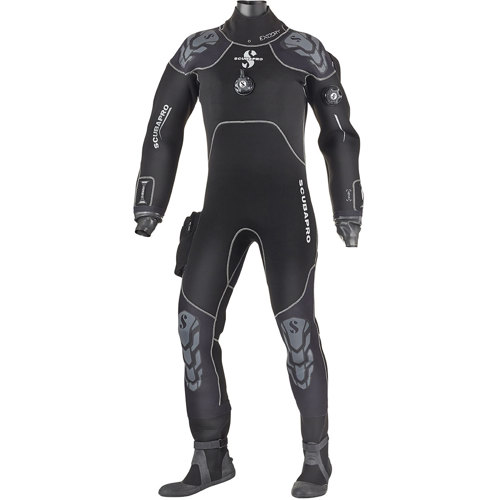
For those considering a drysuit for the first time, or for loved ones searching for the perfect gift for the diver in their life, there are a few important factors to keep in mind. Fit and comfort are paramount, as a well-fitting suit not only enhances warmth but also reduces fatigue and improves mobility underwater. The type of seals—latex, neoprene, or silicone—can affect both the donning process and long-term maintenance, with each offering its own blend of flexibility and durability. Accessories such as donning aids, zipper wax, and protective mats may seem small, but they can greatly simplify the gearing-up process and extend the life of the suit. Divers who regularly explore colder regions or who participate in professional or technical diving may want to browse the selection of
Professional Drysuits for advanced features and robust construction. Ultimately, the process of donning a drysuit is about more than just staying dry—it’s about preparing for adventure, embracing the unique challenges of cold-water diving, and ensuring every dive is as comfortable and safe as possible. With the right preparation, even the coldest January morning can become the start of an unforgettable underwater journey.