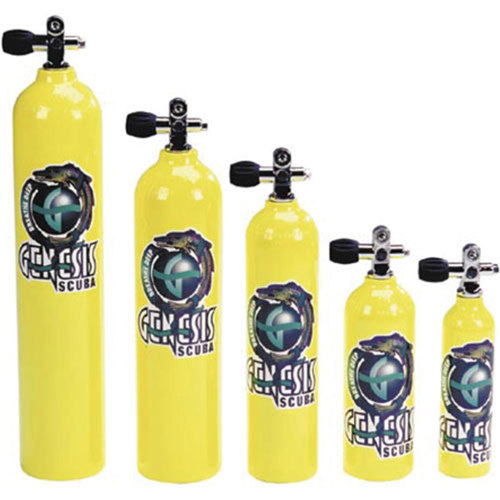
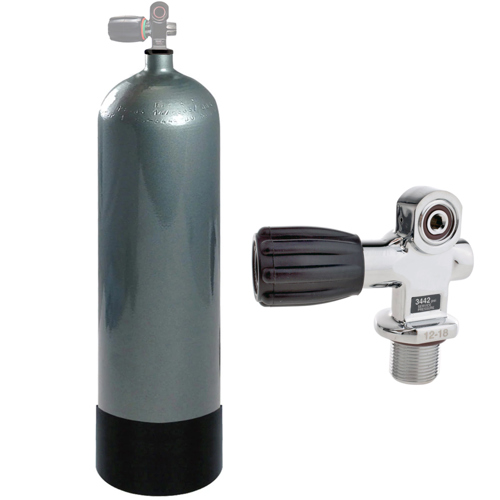
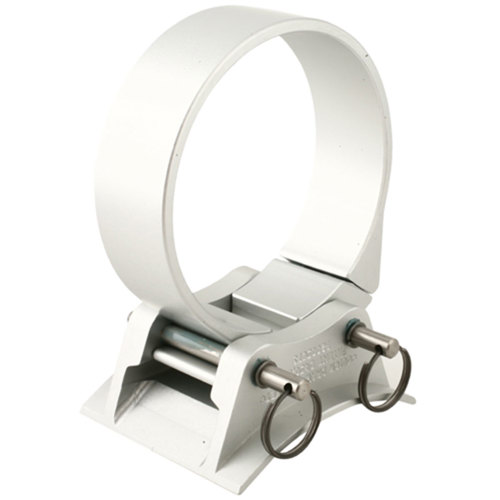
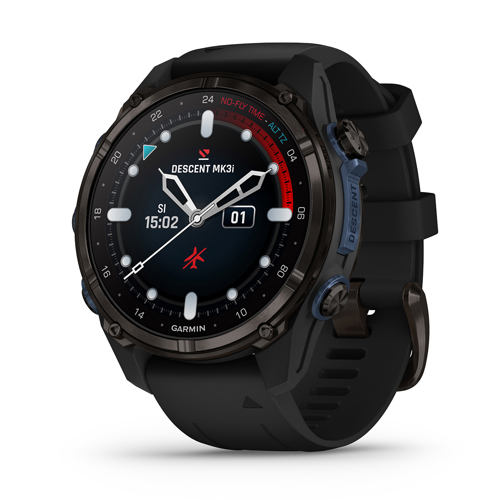
Diving with multiple cylinders is a practice that opens up a world of advanced underwater exploration, catering to divers who seek greater gas capacity, enhanced safety, and the flexibility to tackle more ambitious dives. Whether configuring a classic twinset with a manifold or adopting a sidemount setup, the decision to dive with more than one cylinder is often rooted in the desire for redundancy and extended bottom time. Technical divers, cave explorers, and those venturing into deeper wrecks frequently rely on these systems, as they allow for independent gas supplies and critical backup in case of equipment failure. The feeling of descending along a sheer wall, knowing you have the reserves and redundancy to safely manage your dive plan, is both empowering and reassuring. For many, the transition from single-tank recreational diving to managing multiple cylinders marks a significant step in their diving journey, demanding a higher level of skill and awareness but rewarding them with access to environments and experiences that would otherwise be out of reach.
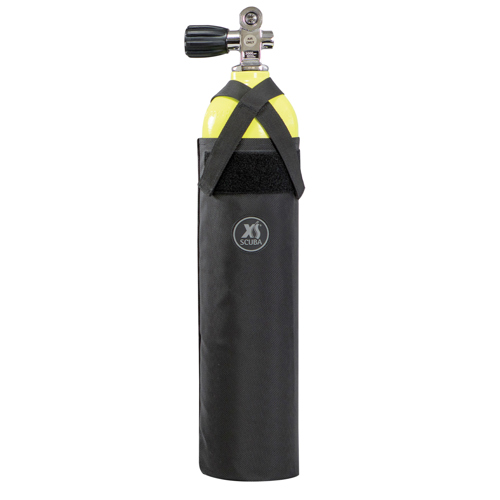
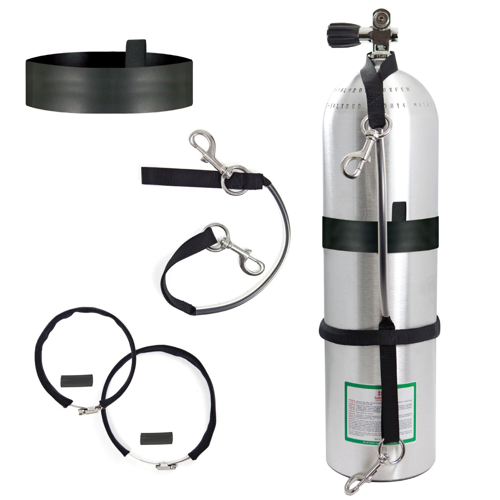
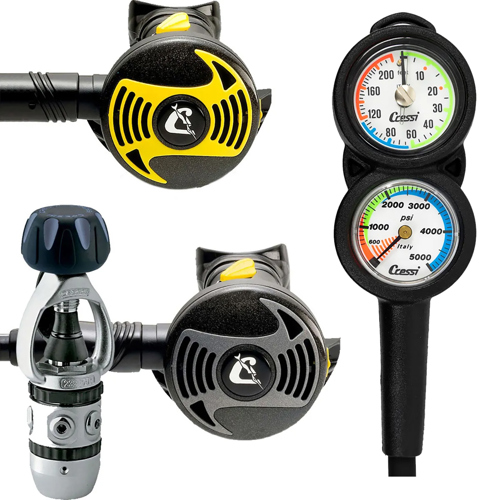
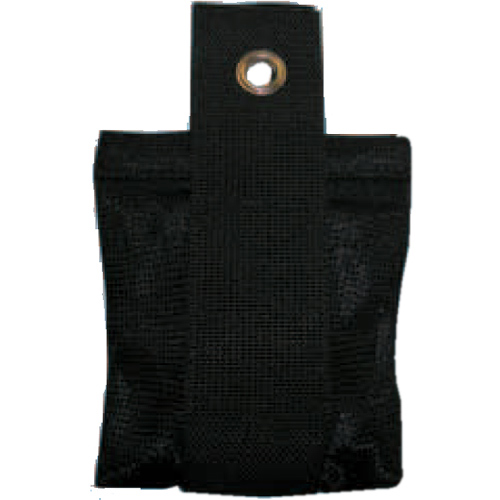
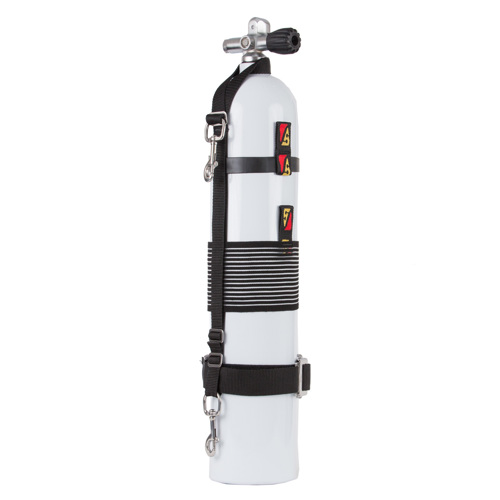
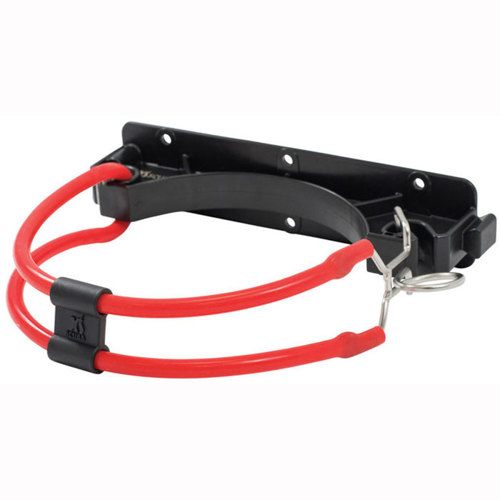
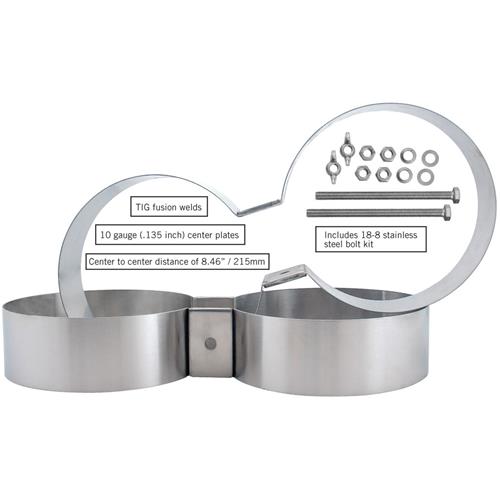
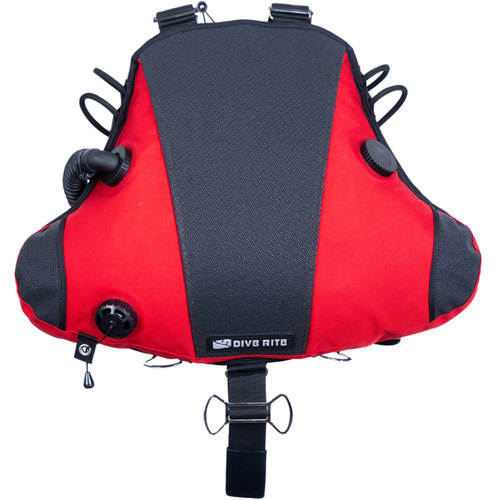
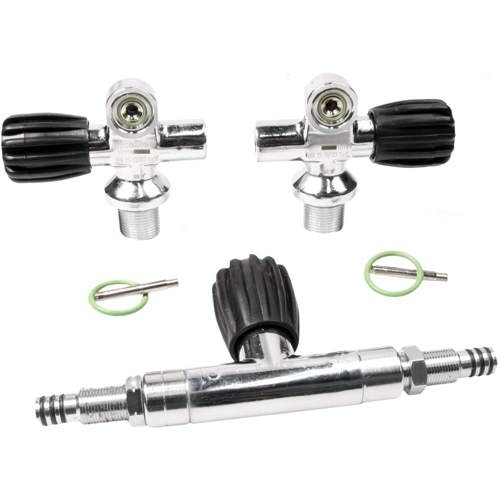
When considering equipment for diving with multiple cylinders, it’s essential to think about the specific demands of your diving style and environment. Twinset configurations, often featuring two cylinders joined by a manifold and isolator valve, are popular for back-mounted setups where stability and horizontal trim are priorities. These are favored by divers who enjoy the predictability and streamlined profile of back-mounted tanks, especially in open water or when navigating overhead environments like wrecks. Sidemount systems, on the other hand, offer a different approach—cylinders are clipped to the diver’s sides, providing easier access to valves and a customizable fit that can be especially comfortable for those with back issues or those diving in tight spaces. Many technical divers appreciate the flexibility of sidemount, as it allows for independent gas management and easier handling at the surface, especially during shore entries or when dealing with heavy gear. Stage and decompression cylinders, often slung alongside a primary setup, are indispensable for dives that require gas switches, such as accelerated decompression or extended range exploration. Each configuration demands careful attention to harnesses, regulators, and buoyancy control devices designed to accommodate the additional weight and complexity of multiple tanks.
Spring is an ideal time to refine your diving skills and gear setup, as the promise of warmer water and improved visibility draws divers back to the ocean, lakes, and quarries. For those looking to upgrade or expand their kit, products for diving with multiple cylinders make thoughtful and practical gifts for the experienced diver in your life—perhaps someone preparing for a technical diving course or planning a bucket-list trip to a renowned cave system. Choosing the right equipment is about more than just capacity; it’s about finding the perfect balance of comfort, reliability, and adaptability to suit your diving ambitions. Proper training is a must, as managing multiple cylinders requires proficiency in buoyancy, gas switching, and emergency procedures. As you explore the possibilities, you may also want to learn more about the types of tanks available and how they fit into various configurations—our dedicated guide on
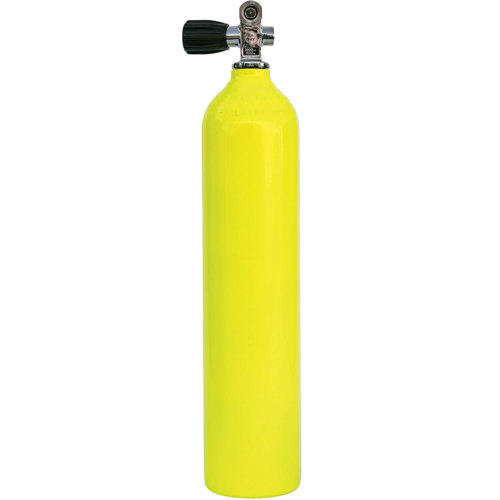
Diving High Pressure Tanks offers in-depth insights to help you make informed decisions. With the right preparation and equipment, diving with multiple cylinders transforms the underwater world into a playground of limitless adventure and discovery.