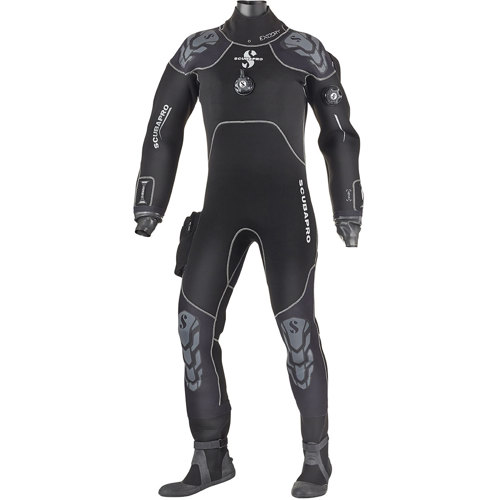
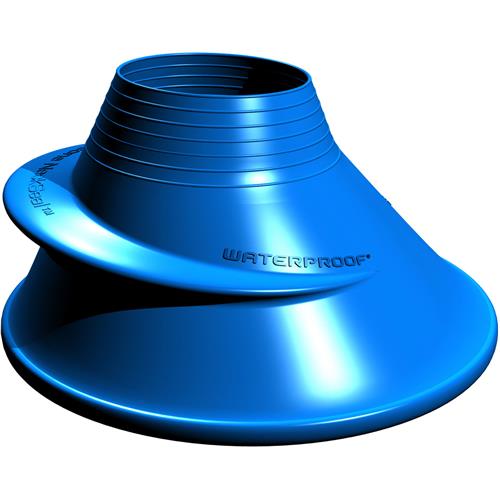
Diving silicone seals have become an essential component for divers seeking comfort, performance, and reliability in their drysuit systems. Favored for their soft, flexible feel and hypoallergenic properties, silicone seals are a popular upgrade from traditional latex options, especially for those who spend extended hours underwater or have sensitivities to latex materials. As the weather warms and dive sites become more accessible, both recreational and technical divers look for gear that can keep up with increased activity, and silicone seals are well-suited for the demands of late spring through late summer diving. Their remarkable elasticity allows for a snug yet gentle fit around the neck and wrists, reducing pressure points that can cause discomfort during longer dives. The material’s resistance to UV rays, ozone, and harsh chemicals means these seals maintain their integrity even after repeated exposure to sunlight and saltwater—conditions common during the busy diving season.
Selecting the right silicone seal involves considering the type of diving you plan to do, your drysuit’s compatibility, and your personal comfort preferences. Many modern silicone seals are designed for tool-free installation, often utilizing quick-change or ring systems that make it easy to swap out worn seals at home or on the go, without the need for adhesives or professional servicing. This is especially beneficial for divers who travel frequently or need to make fast repairs between dives, as you can replace a damaged seal in minutes and get back in the water. For those with latex allergies, silicone is the gold standard, offering peace of mind alongside performance. These seals are also a thoughtful gift for the avid diver in your life, whether they’re gearing up for a summer dive trip, exploring local wrecks, or simply looking to upgrade their existing drysuit. The low-maintenance nature of silicone—no talc required for donning and doffing, and easy cleaning—further enhances their appeal for divers of all experience levels. However, it’s important to handle silicone seals with care, as their stretchiness can make them susceptible to nicks or tears from sharp objects. Storing your drysuit properly and inspecting seals before each dive can help maximize their lifespan.
Whether you’re a seasoned technical diver preparing for deep, extended explorations or a recreational enthusiast enjoying the vibrant marine life of the warmer months, silicone seals provide a reliable barrier against water intrusion and enhance overall comfort. Their advanced design supports greater freedom of movement, allowing for easier head turns and wrist flexibility—features that become especially noticeable during challenging dives or when maneuvering through tight underwater spaces. For those interested in learning more about the various types of suit seals available, including latex and neoprene alternatives, be sure to visit our comprehensive guide at
Diving Suit Seals. Investing in quality silicone seals is a smart choice for anyone serious about their underwater adventures, ensuring that each dive is safer, more enjoyable, and free from the distractions of leaks or discomfort.