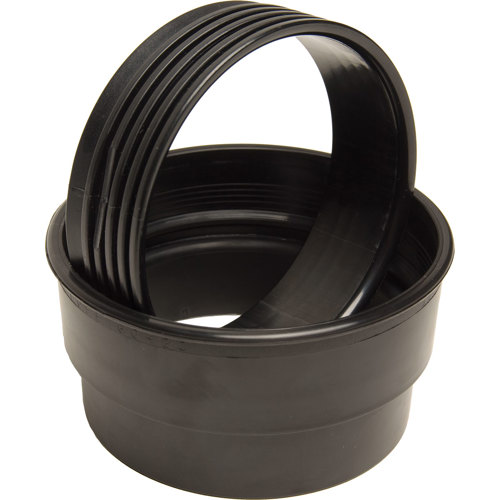
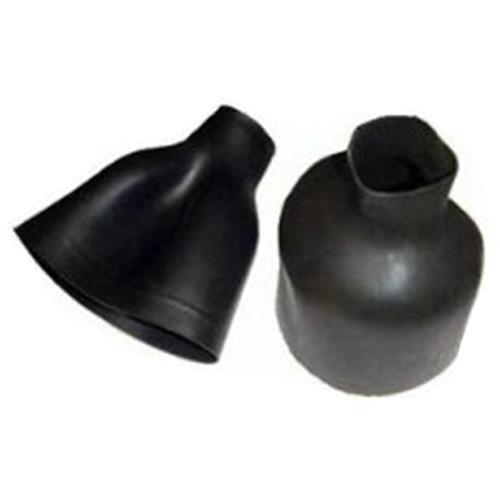
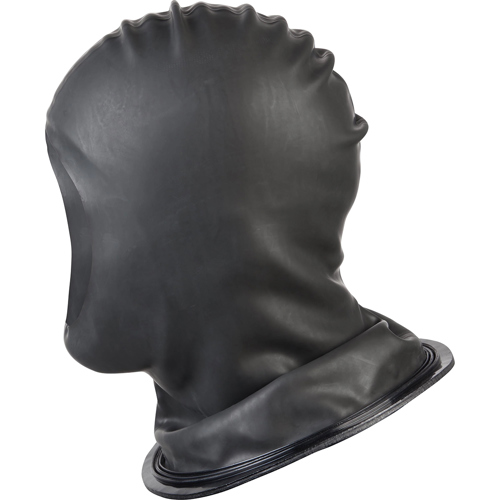
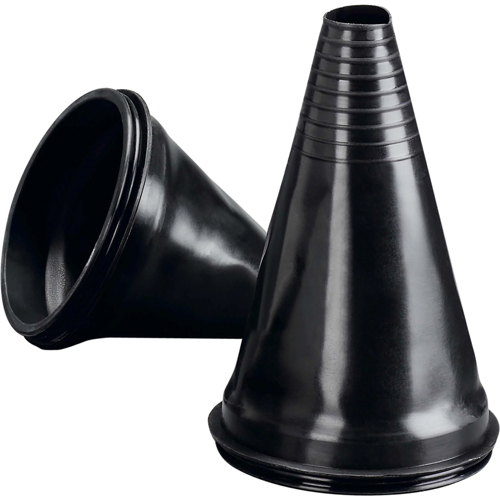
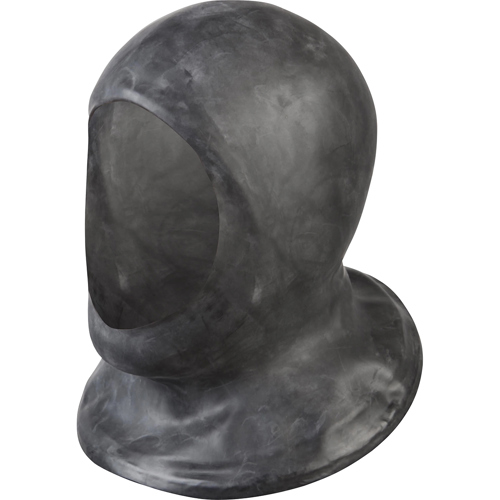
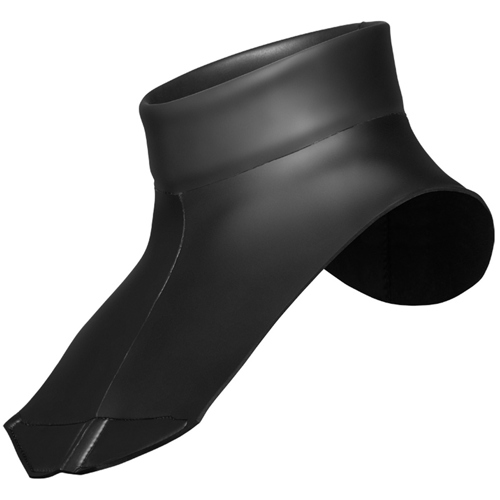
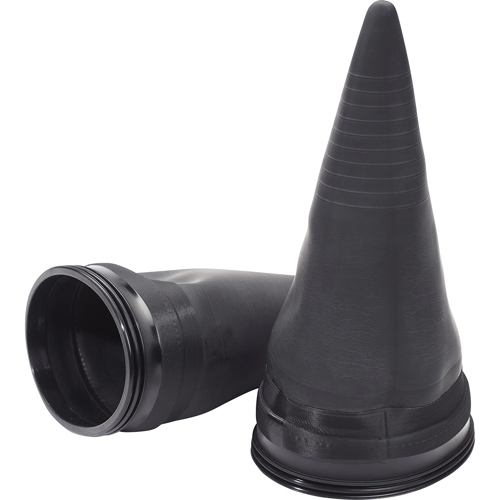
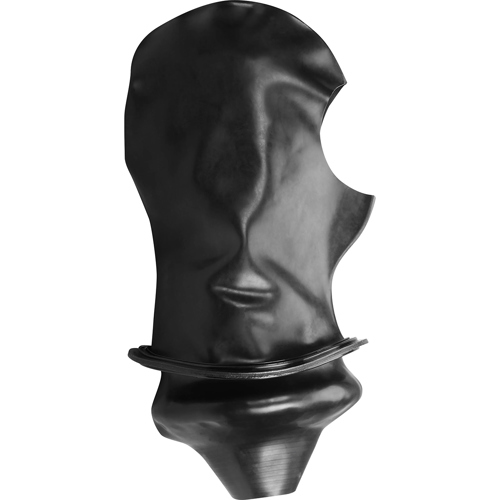
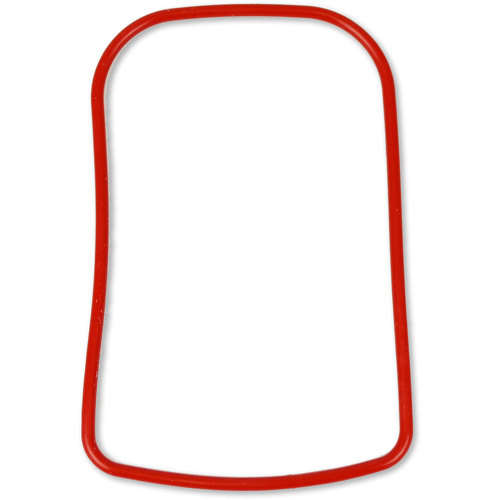
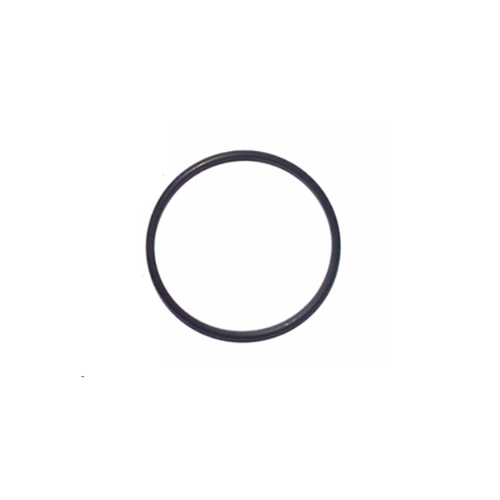
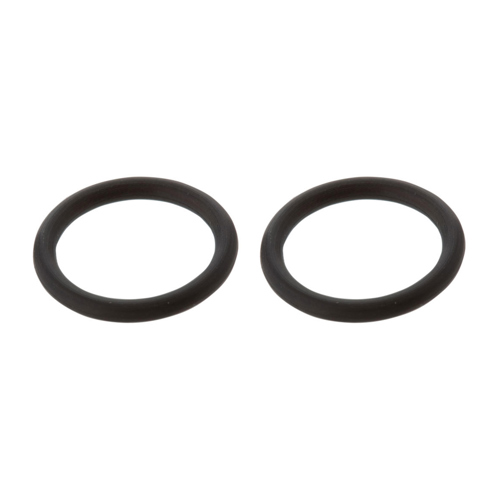
Diving seal replacements are an essential part of maintaining the integrity and longevity of your underwater gear, whether you’re a seasoned technical diver, a weekend recreational enthusiast, or someone who prefers capturing the magic of the underwater world with a camera. Over time, seals such as O-rings, wrist and neck gaskets for drysuits, and the critical gaskets found in camera housings and dive computers are subjected to constant wear from exposure to saltwater, UV rays, ozone, and the simple act of donning and doffing your equipment. The shift from cooler months into the warmth of summer and back again brings more frequent dives, increased travel, and greater exposure to the elements, all of which can accelerate the natural aging process of these vital components. Regularly inspecting and replacing seals is not just a matter of comfort; it’s a crucial safety step that prevents leaks, protects sensitive electronics, and ensures your dives remain enjoyable and trouble-free.
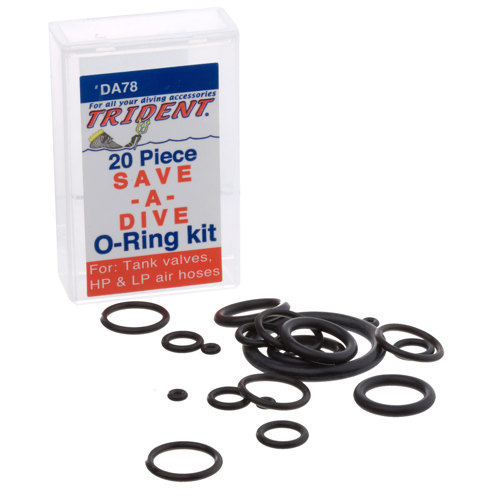
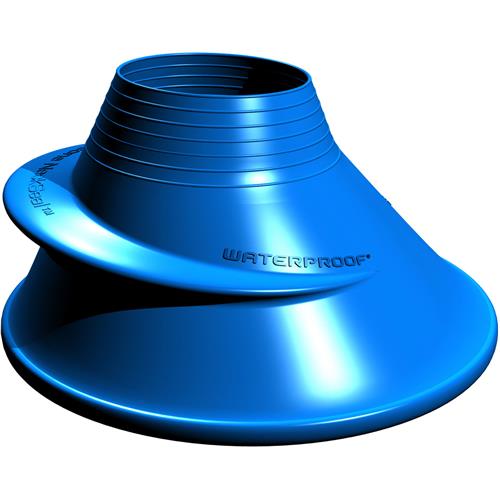
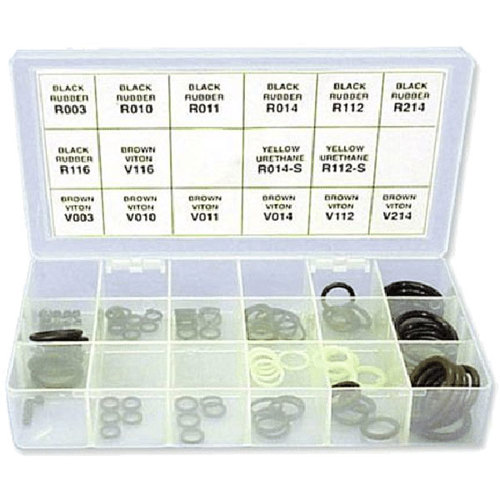
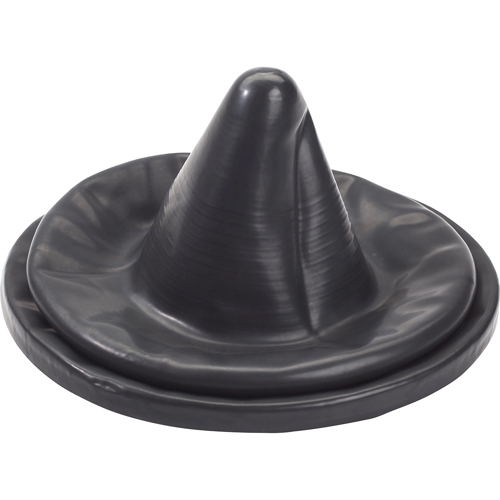
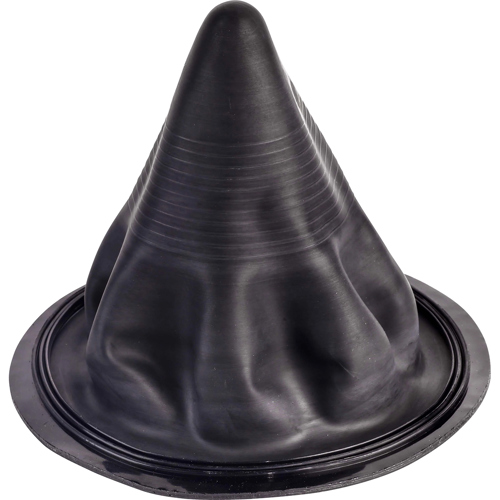
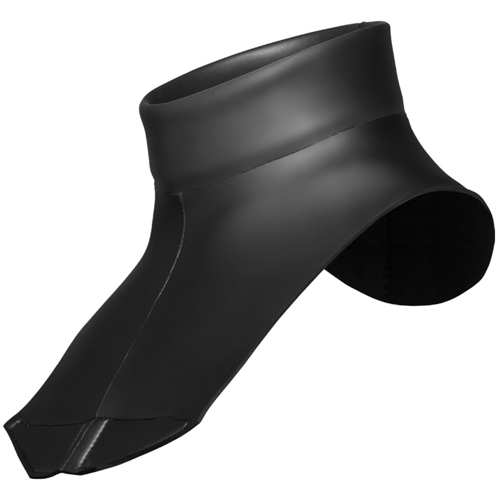
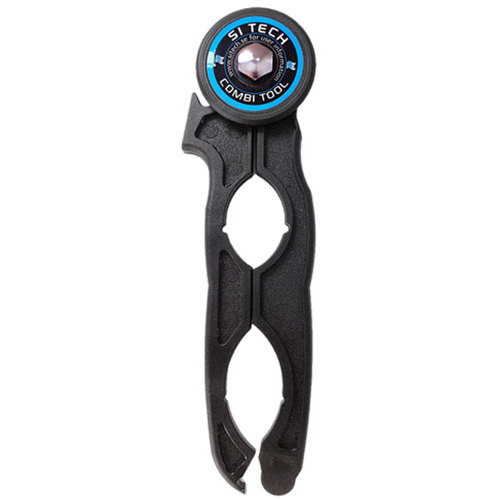
For many divers, especially those who rely on drysuits in colder or variable waters, replacing neck and wrist seals is a familiar task. Latex seals, known for their snug fit and affordability, are prone to degradation over time—tearing or becoming brittle after repeated exposure to sunlight and salt. Silicone seals, on the other hand, are gaining popularity for their durability and ease of use, often featured in quick-change systems that allow for rapid replacement without the need for adhesives or specialized tools. O-rings, the unsung heroes of underwater photography and dive computers, require just as much attention. A single cracked or dry O-ring can mean the difference between a successful dive and a flooded housing or failed regulator. Keeping a kit of spare O-rings and a small tube of silicone grease in your save-a-dive bag is a habit many experienced divers swear by, often recalling the time a quick swap on a crowded dive boat saved an entire trip. These replacement parts also make practical gifts—thoughtful additions to a diver’s kit that show you understand the importance of preparedness and gear care.
Whether you’re prepping for a liveaboard adventure, gearing up for a series of local shore dives, or simply maintaining your equipment between seasons, sourcing the correct diving seal replacements can make all the difference in your experience. Commercial divers and underwater photographers know that a proactive approach—replacing seals before they fail—protects both your investment and your safety. And if your interests extend to other critical components, such as buoyancy compensators, you’ll find our dedicated page for
Diving Bc Replacements offers further resources to keep your gear in top condition. Taking the time to check, clean, and replace seals is a small investment that pays off every time you slip beneath the surface, ensuring your focus remains on the wonders below rather than the worry of water intrusion or equipment failure.