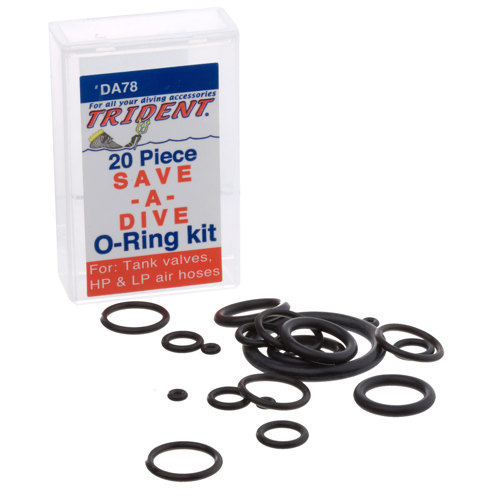
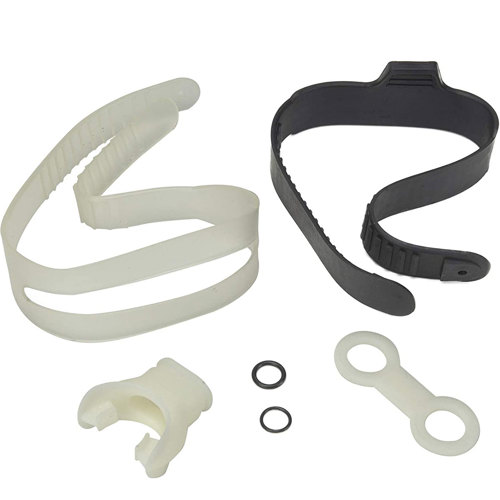
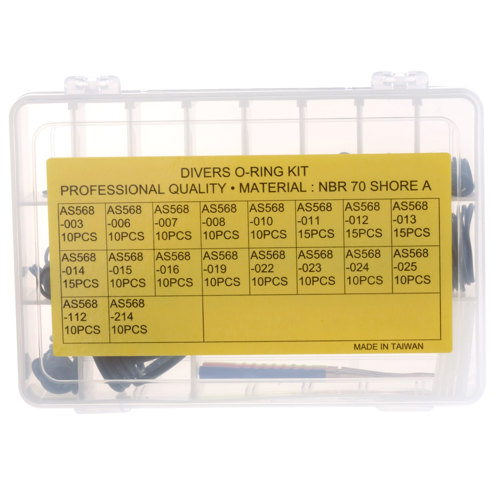
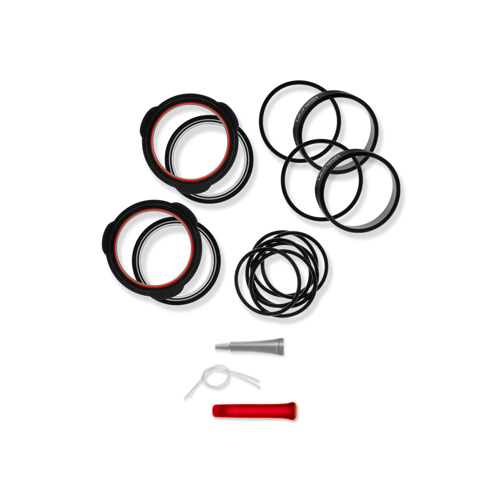
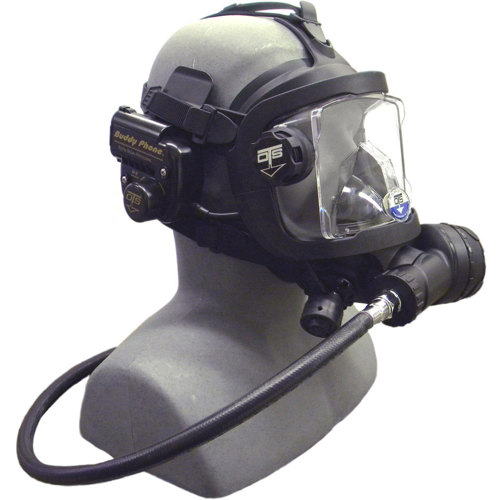
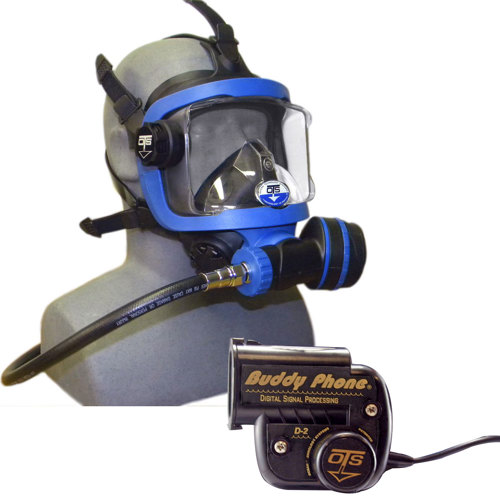
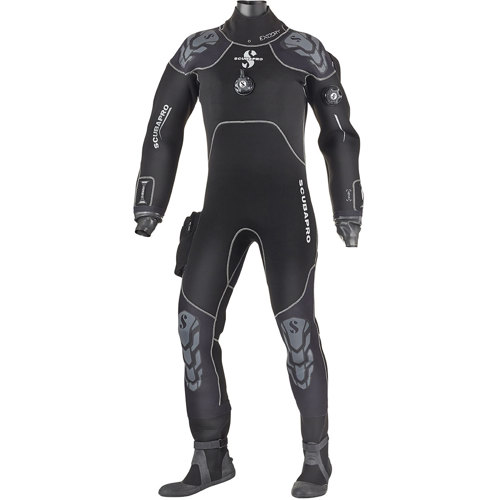
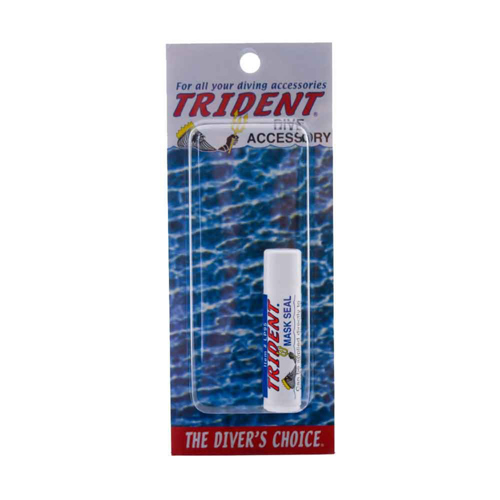
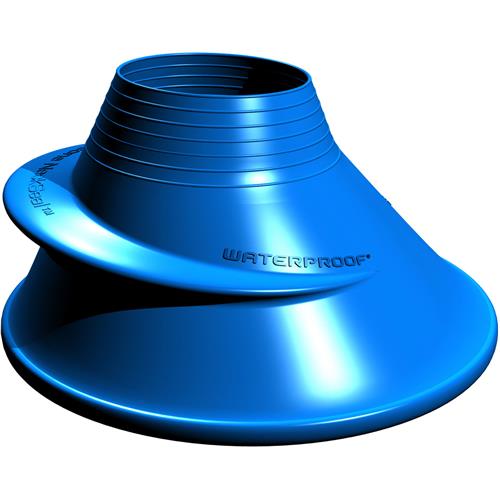
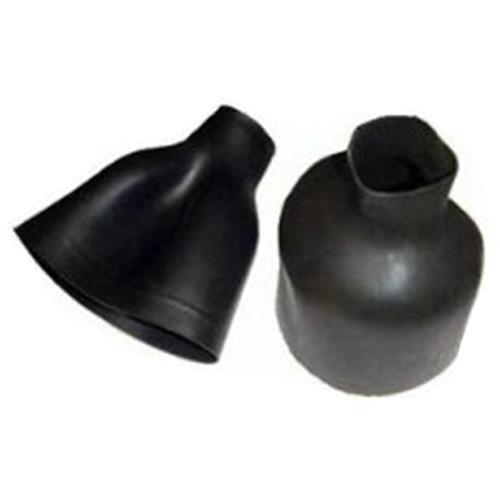
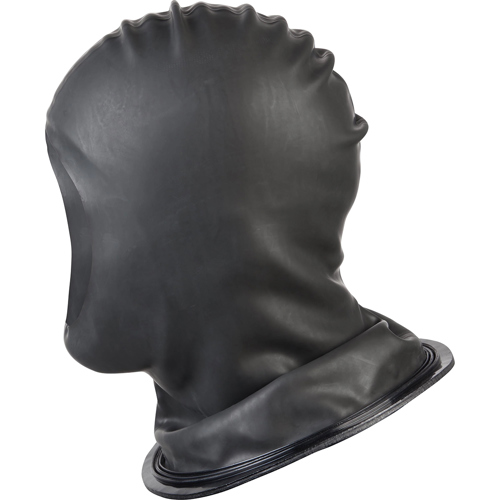
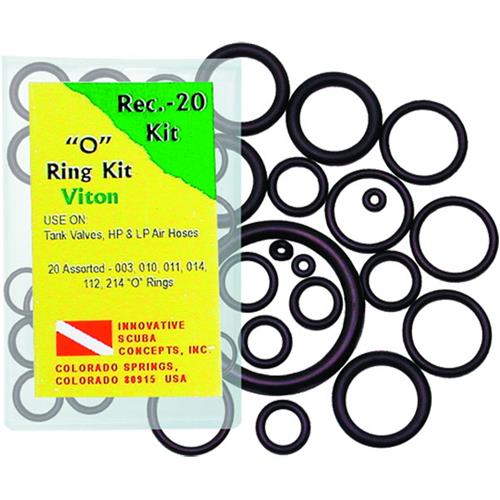
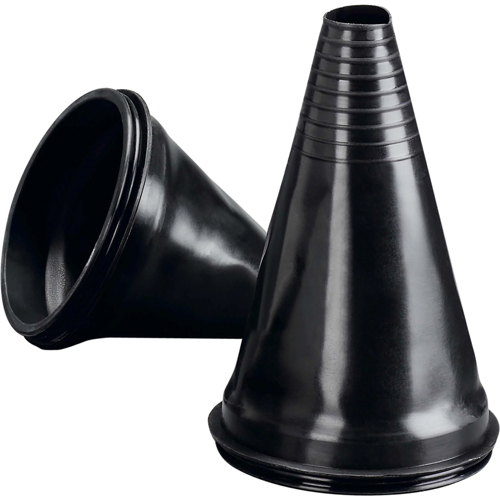
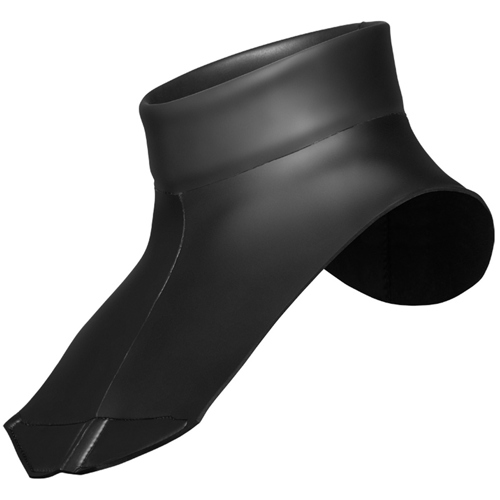
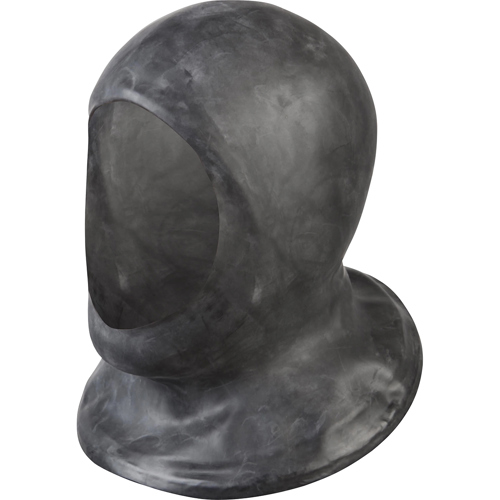
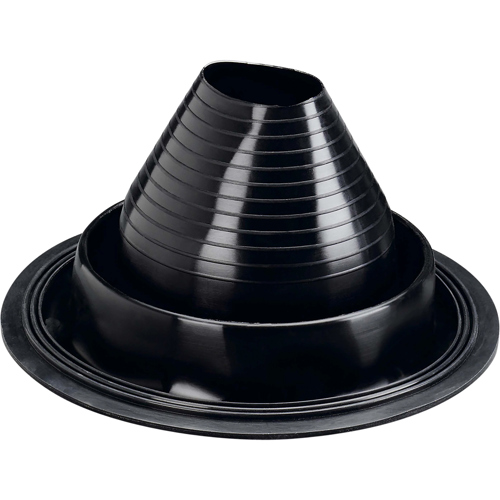
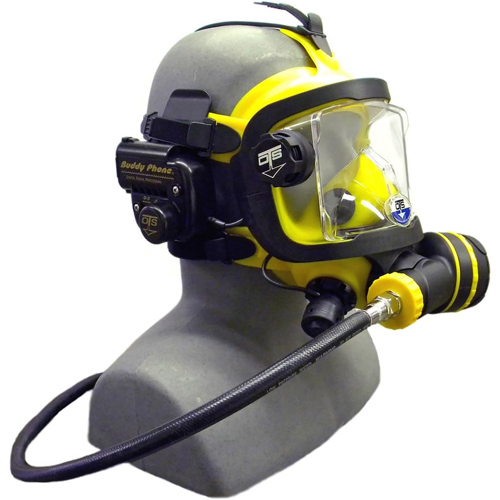
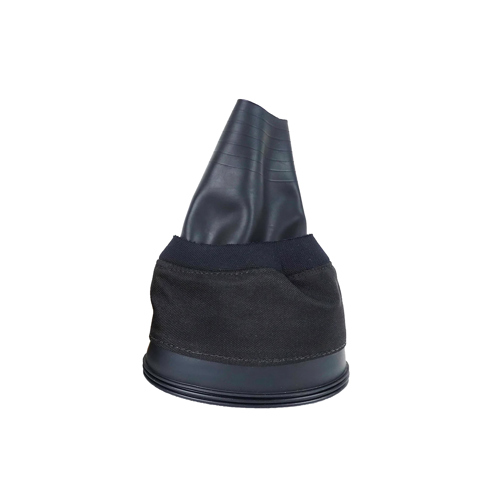
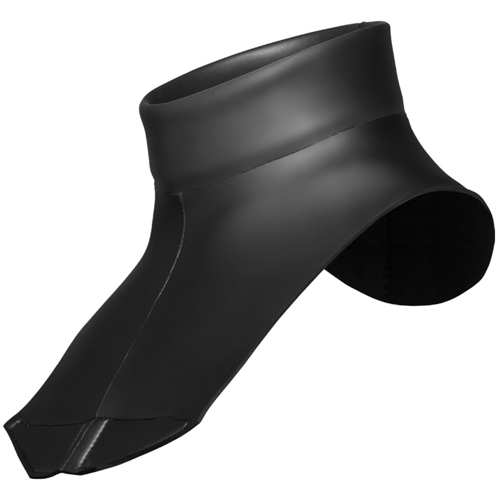
As the days grow longer and the water beckons with the promise of adventure, many divers and water sports enthusiasts find themselves preparing their gear for the active season ahead. Dive kit seals play a crucial role in ensuring that every underwater excursion is comfortable, safe, and worry-free. Whether you’re gearing up for a series of deep dives, planning a snorkeling getaway, or simply refreshing your equipment after a long winter, having the right seals in your kit can make all the difference. These essential components act as the first line of defense against water intrusion, maintaining the integrity of your wetsuit, drysuit, or other protective gear. For anyone who spends significant time below the surface—be it seasoned divers exploring shipwrecks, instructors leading certification courses, or casual snorkelers enjoying a weekend by the coast—reliable seals are indispensable. They not only keep you dry and warm but also help extend the lifespan of your equipment by preventing saltwater and debris from causing wear and tear.
Dive kit seals are also a thoughtful and practical gift for the water lover in your life, especially as people look forward to more time outdoors during the warmer months. If you know someone who’s just earned their open water certification or is heading off on a much-anticipated dive trip, a set of high-quality seals or a complete seal maintenance kit is a gesture that shows you understand their passion and want them to dive with confidence. These products are suitable for all skill levels, from beginners assembling their first set of gear to experienced divers who appreciate the peace of mind that comes from well-maintained equipment. The versatility of dive kit seals means they’re just as valuable for those who enjoy kayaking, paddleboarding, or other water sports where keeping gear dry is a priority. With proper care, seals can withstand the rigors of repeated use, exposure to sun, and the challenges of both salt and freshwater environments. As you browse the selection, consider factors such as material durability, ease of installation, and compatibility with your existing gear, ensuring you choose seals that match your needs and activity level.
For anyone who values safety and comfort during aquatic adventures, investing in the right dive kit seals is a smart move. They offer reassurance on every dive, whether you’re navigating kelp forests, exploring coral reefs, or simply enjoying a swim in your favorite lake. The transition from spring into the heart of summer and beyond is an ideal time to check your gear, replace worn components, and make sure everything is ready for the season’s adventures. For those interested in exploring more specialized options or learning about the latest advancements in seal technology, our dedicated page on
Dive Protection Seals provides additional resources and recommendations to help you make informed choices. No matter where your underwater journey takes you, having dependable seals in your kit ensures that every moment spent in the water is focused on discovery, not discomfort.