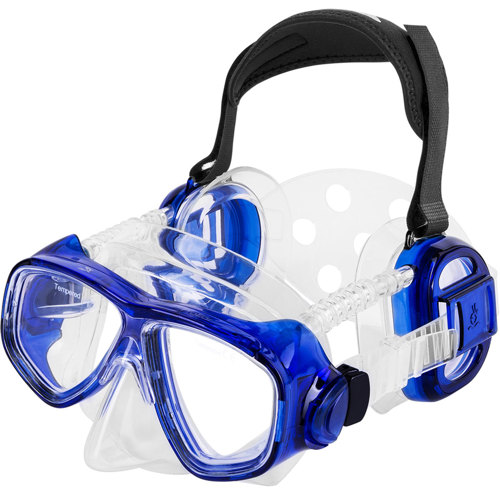
Diving safety gear for beginners is the foundation of every confident, enjoyable, and secure underwater adventure. Whether you’re just starting your journey into the world of scuba or looking to equip a loved one for their first lessons, understanding what makes up an effective safety kit is essential. The right gear not only helps you explore with peace of mind but also supports your learning as you build skills and comfort beneath the surface. For new divers, the essentials often begin with a well-fitted mask, snorkel, and fins. These items are highly personal and greatly impact your comfort and field of vision. A mask that seals well to your face prevents leaks and fogging, transforming the underwater world into a clear, mesmerizing panorama. A dependable snorkel allows you to conserve energy and air at the surface, especially useful when waiting for your group or exploring shallow reefs. Fins provide the propulsion needed to glide efficiently, making every kick count—something you’ll appreciate on longer dives or when currents pick up. For those gifting safety gear to a new diver, these basics are thoughtful choices that will be used on every single outing, making them both practical and memorable.
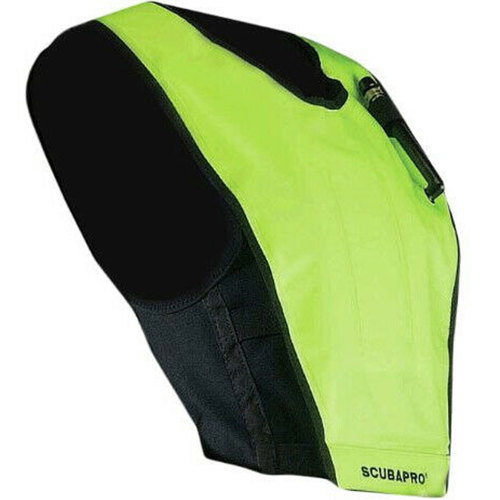
As the seasons shift into autumn, many diving destinations offer quieter waters and unique marine life encounters, but the cooling temperatures add new considerations for safety gear. Thermal protection becomes increasingly important, with wetsuits or drysuits acting as a barrier against the chill and potential scrapes from rocks or coral. If you’re not sure where to start, our guide to
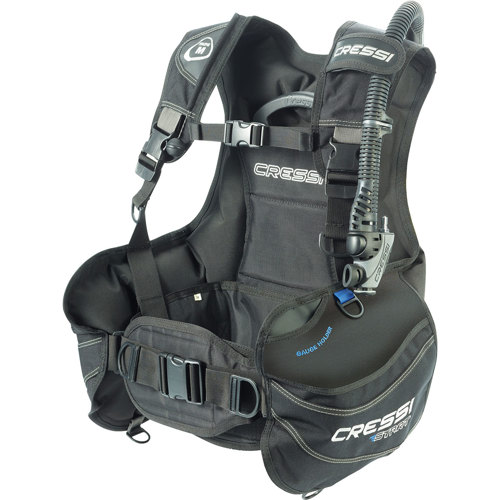
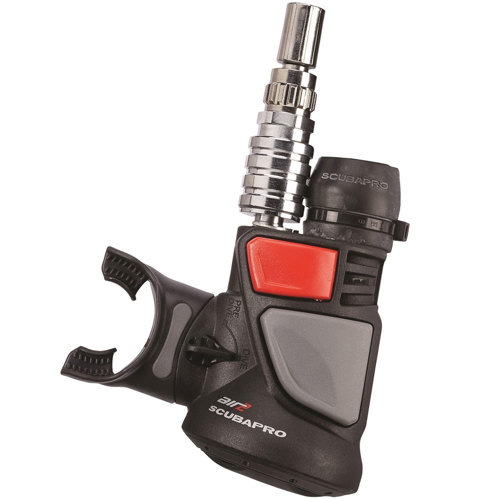
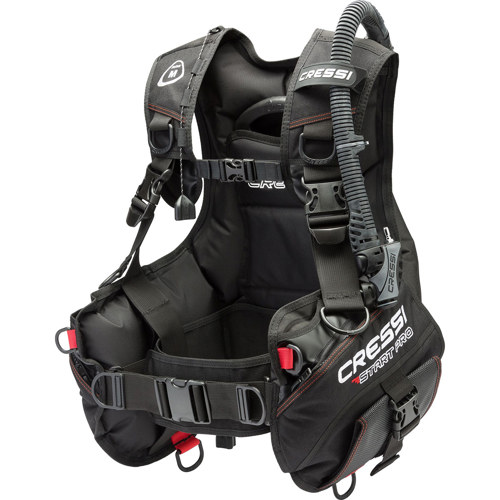
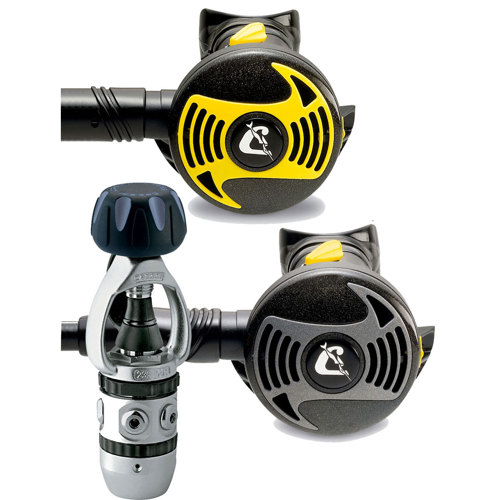
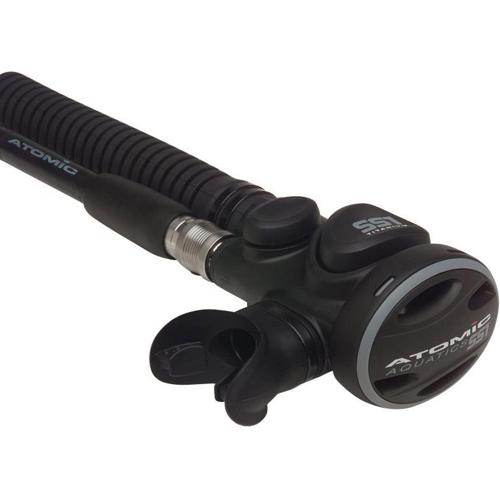
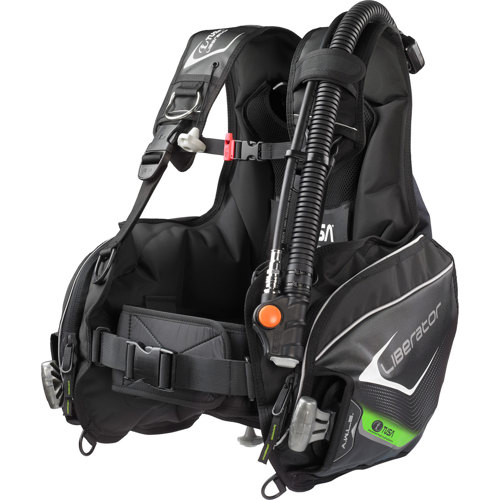
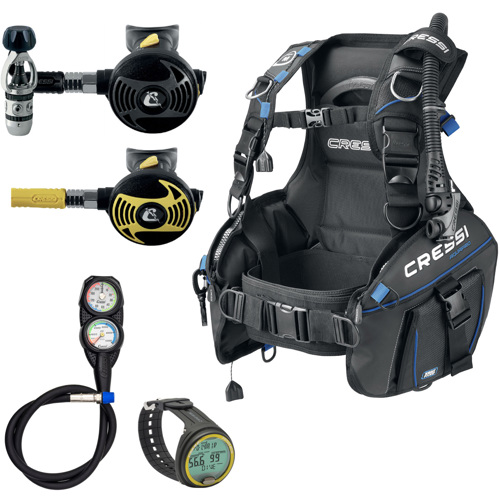
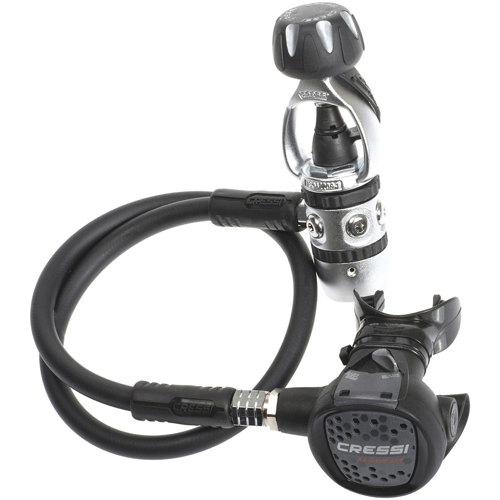
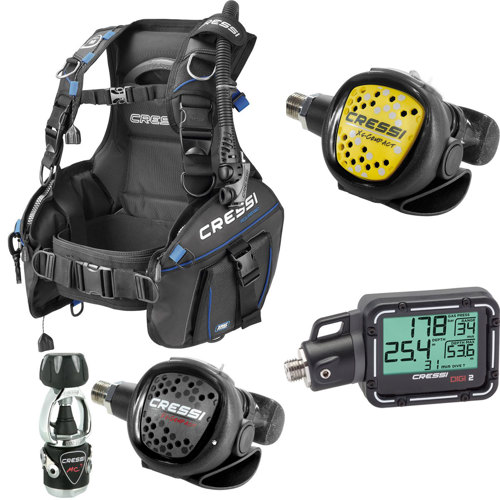
Diving Suits For Beginners breaks down the differences and helps you choose the right suit for your needs. Beyond exposure protection, beginners quickly learn the importance of buoyancy control. A buoyancy control device (BCD) is central to safe diving, allowing you to fine-tune your position in the water and maintain neutral buoyancy, which is crucial for avoiding accidental ascents or descents. Many new divers choose to rent BCDs and regulators at first, as these are significant investments that require a proper fit for maximum safety and comfort. However, as your experience grows, owning your own BCD and regulator ensures familiarity with your equipment—an underrated aspect of dive safety.
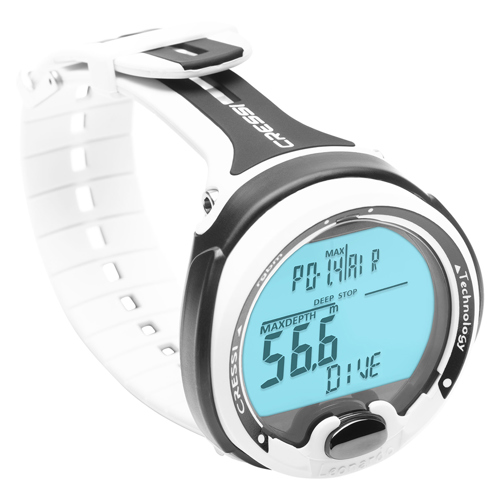
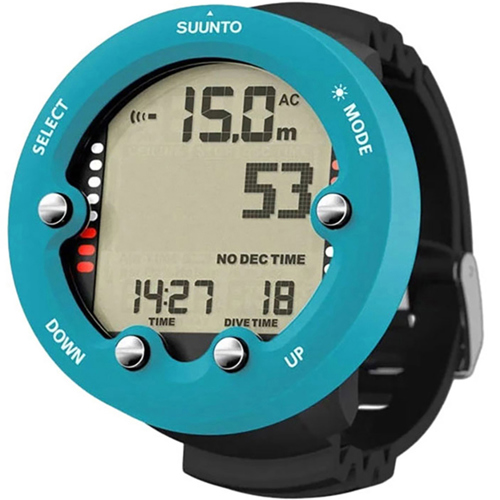
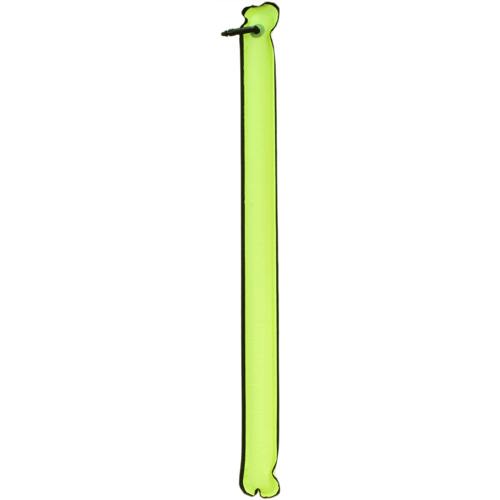
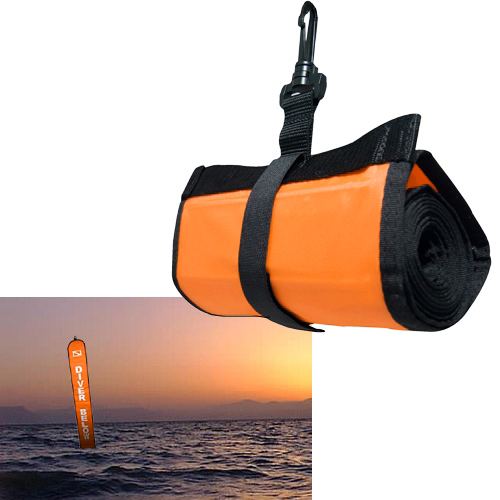
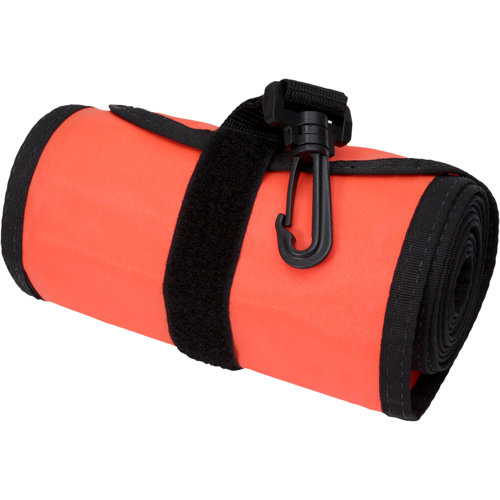
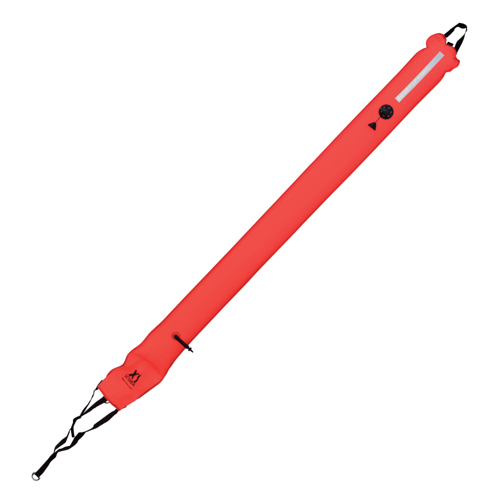
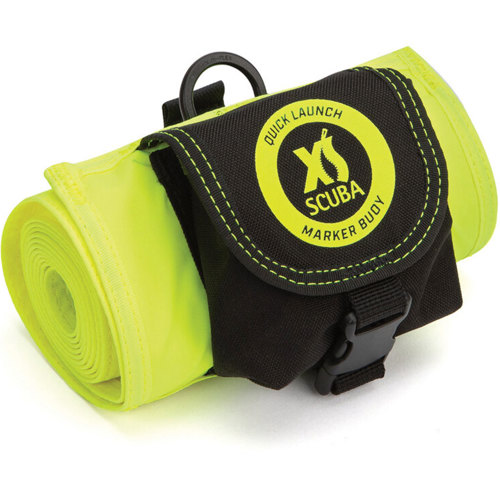
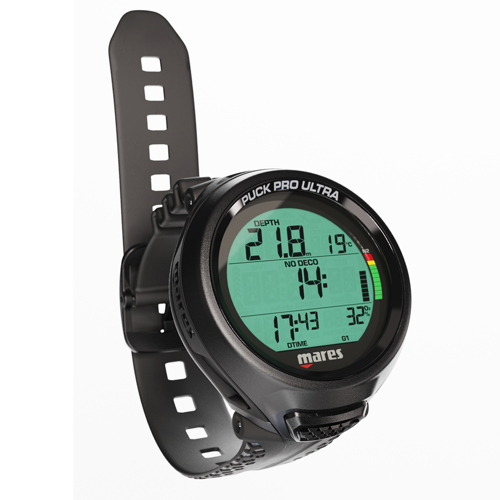
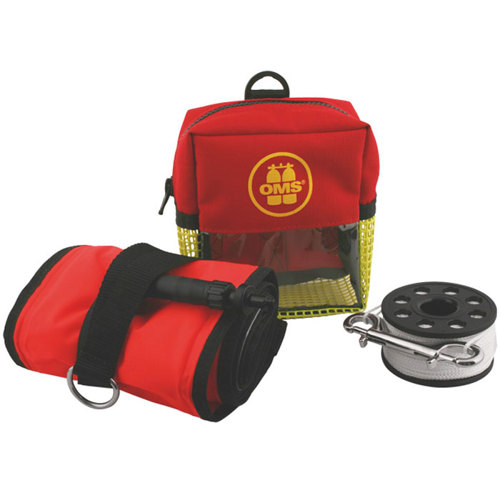
No set of scuba gear for beginners is complete without the tools to monitor and manage your dive. A dive computer is an invaluable companion, tracking your depth, time, and ascent rate to help you stay within safe limits and avoid decompression sickness. Many divers recall their first experience using a dive computer as a turning point, where the complexities of dive planning became manageable and the underwater world felt more accessible. Monitoring your air supply is equally critical, which is where a submersible pressure gauge (SPG) comes in. Knowing exactly how much air you have left means you can plan your return with confidence. For added safety, a cutting tool such as a dive knife can be a literal lifesaver in the rare event of entanglement, and a surface marker buoy (SMB) makes you visible to boats and fellow divers when you surface, especially in busy or low-visibility conditions. As you explore new environments—perhaps a twilight dive along a kelp forest or a shipwreck at dusk—an underwater torch is indispensable for illuminating the hidden colors and creatures that emerge after dark. Each piece of safety gear is a step toward building self-reliance and confidence, whether you’re diving in warm tropical waters or exploring the crisp, clear seas of autumn. Choosing the right gear, investing in quality, and understanding how each item works together is the best way to ensure every dive is as safe and enjoyable as possible.