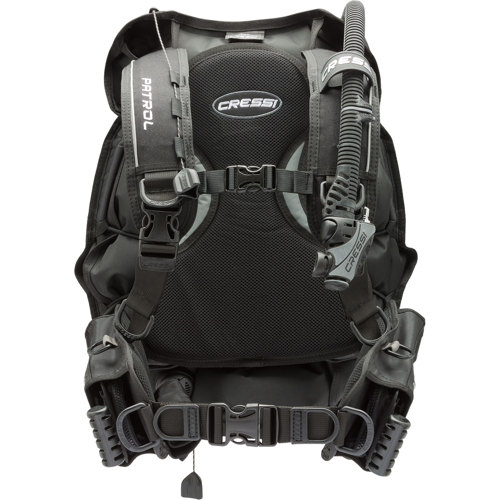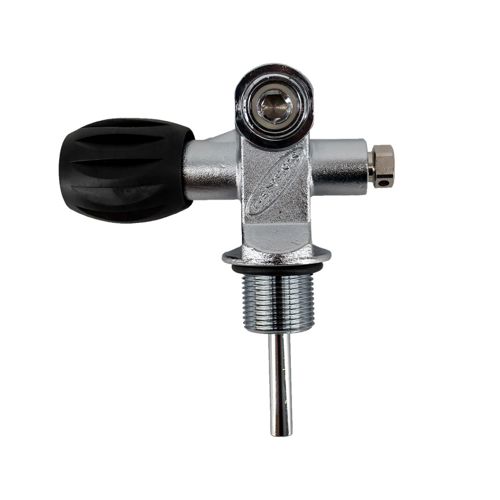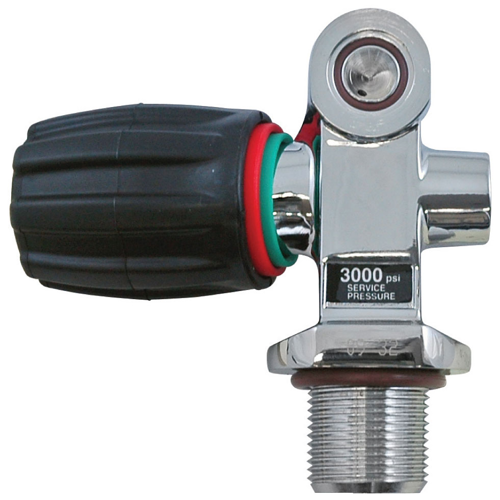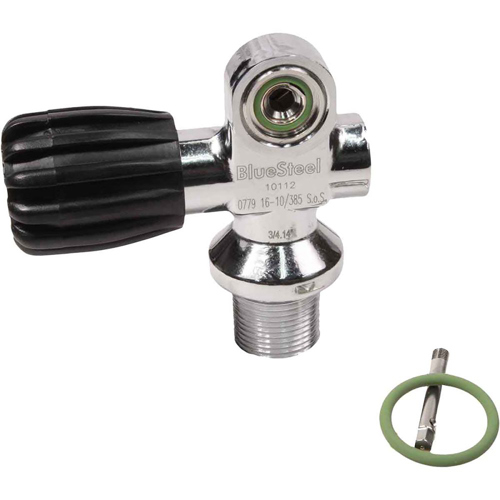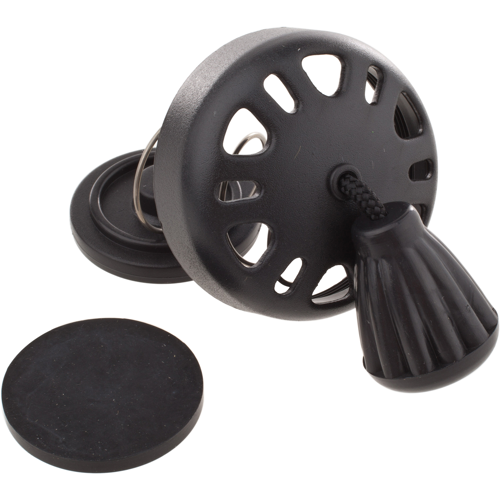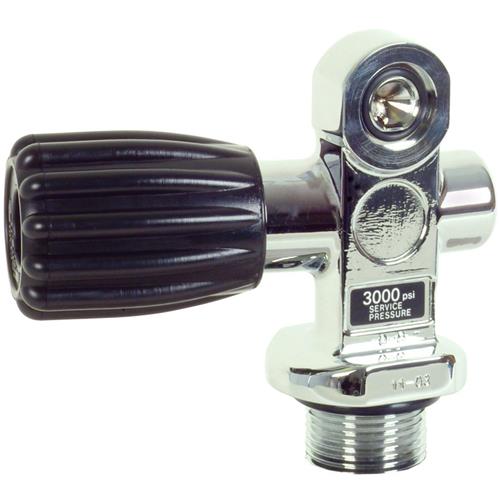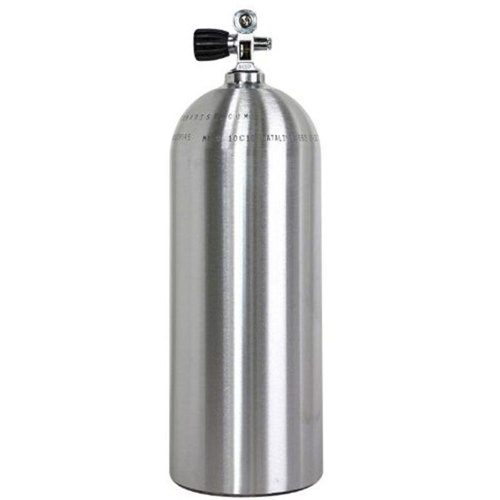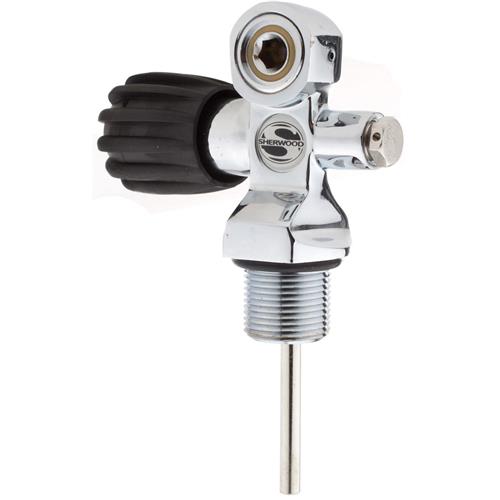
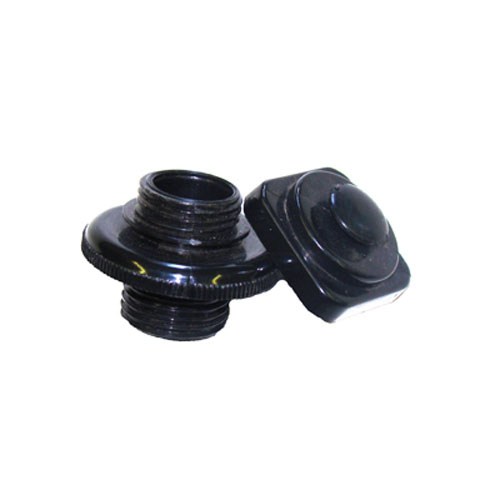
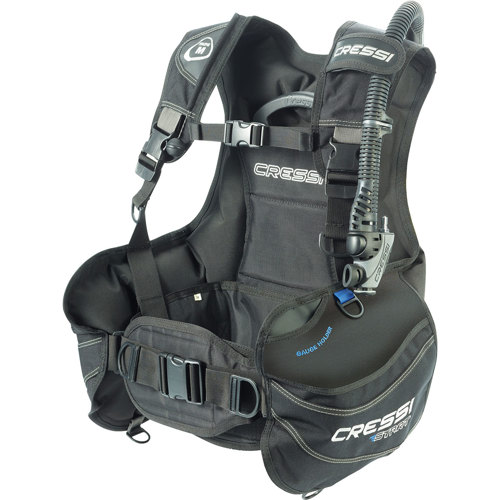
Diving flat valves have become an essential component in modern scuba diving gear, particularly for those who value streamlined equipment and precise buoyancy control. These low-profile, one-way valves are designed with both performance and comfort in mind, making them a popular choice for recreational divers, technical explorers, and anyone who spends extended time underwater. As the weather warms up in May and the dive season kicks into high gear, many divers are taking the opportunity to upgrade or fine-tune their setups, and flat valves are often at the top of the wish list. Flat E-valves, for example, are commonly integrated into buoyancy compensators (BCDs) and are engineered to allow for rapid air dumping from any orientation in the water. This means whether you’re hovering upside down while inspecting a coral ledge or making a controlled ascent from a wreck, a push or pull on the actuator lever provides instant deflation and prevents unwanted water entry. The low-profile design is particularly appreciated by divers who prefer a sleek silhouette, reducing snag hazards and drag—an advantage that becomes especially noticeable when navigating through kelp forests or tight overhead environments.
Beyond their role in BCDs, diving flat valves are also found in other critical applications, such as drysuit “pee valves” and over-pressure valves (OPVs). Drysuit flat valves are a discreet solution for long, cold dives where comfort and hygiene are paramount, allowing divers to manage waste without compromising the suit’s integrity. These valves are often glued directly onto the suit and are designed to sit flat under harness systems, minimizing bulk and pressure points during extended technical dives or when carrying additional gear. Over-pressure flat valves, on the other hand, provide a vital safety function by automatically venting excess air from bladders or drysuits, protecting against accidental over-inflation that can occur with rapid ascents or equipment malfunctions. With a precisely calibrated crack pressure, these valves maintain the perfect balance between retaining buoyancy and preventing dangerous pressure build-up. For those assembling or maintaining their own gear, selecting the right flat valve involves considering factors like valve material, ease of actuation, compatibility with existing equipment, and the specific diving conditions you expect to encounter. Divers who frequently travel or dive in varied environments often appreciate the versatility and reliability that flat valves offer, while instructors and dive leaders may recommend them for students seeking to optimize their gear for both safety and ease of use.
Flat valves also make thoughtful gifts for the divers in your life, especially as the diving calendar fills up with summer trips and new certifications. Whether it’s a seasoned technical diver looking to streamline their harness system or a newer diver hoping to enhance their BCD’s performance, a high-quality flat valve is a practical addition that demonstrates both care and expertise. When shopping for these components, it’s helpful to think about the recipient’s typical dive style and the environments they frequent—whether that’s the cool, clear waters of a spring-fed quarry or the bustling reefs of a tropical destination. And for those interested in exploring more advanced pressure management solutions, or who want to compare the benefits of different valve technologies, a visit to our
Diving Balanced Valves page offers additional insights and options. Ultimately, investing in reliable, well-designed flat valves is a smart move for anyone looking to maximize the safety, comfort, and enjoyment of their underwater adventures throughout the season and beyond.