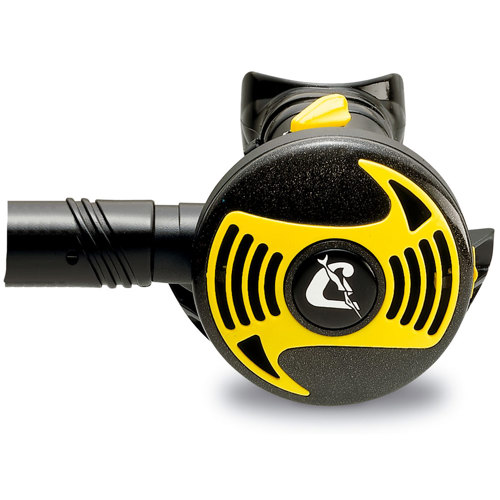
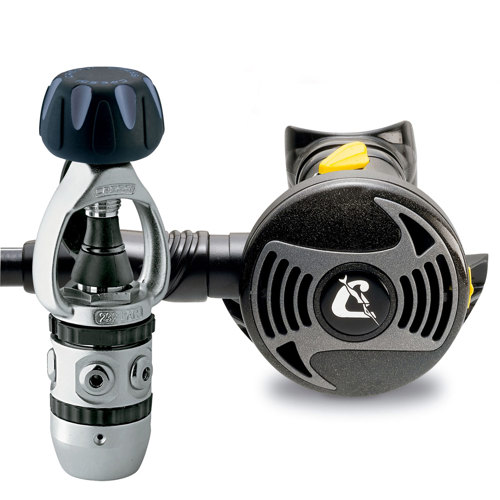
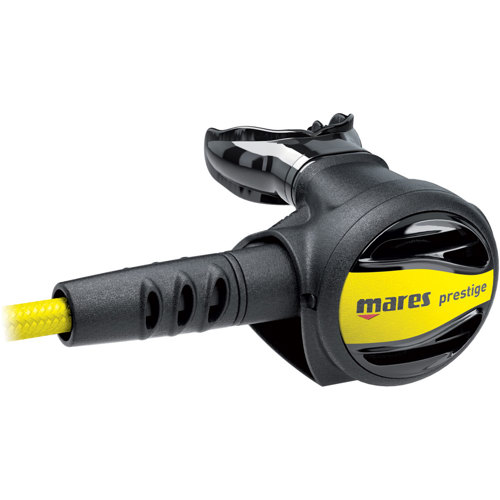
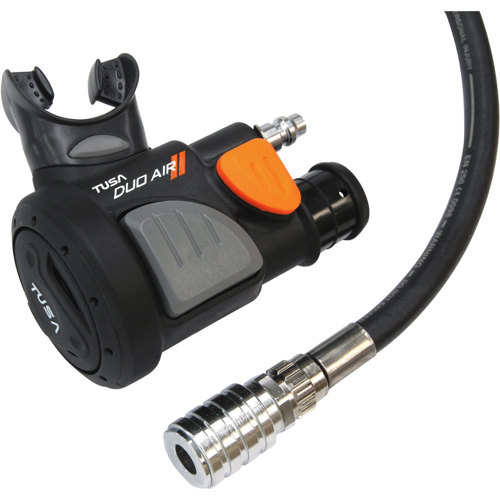
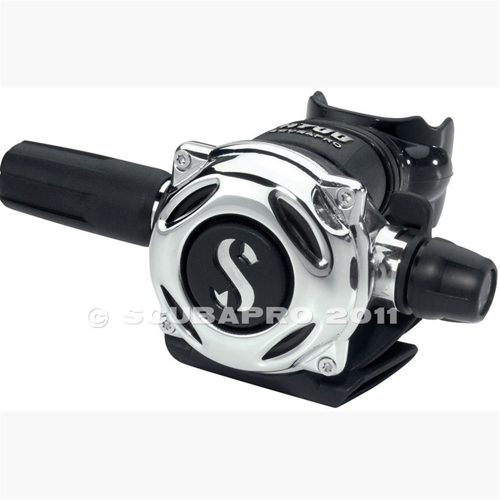
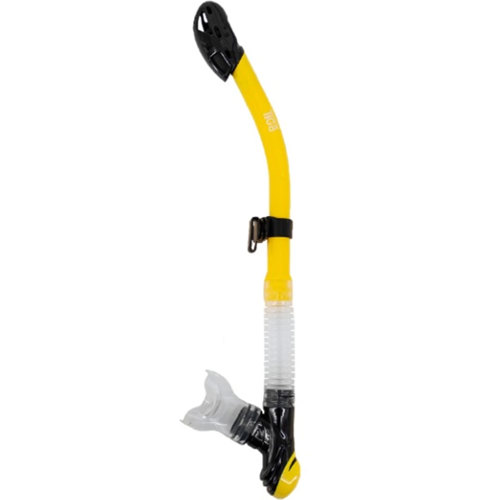
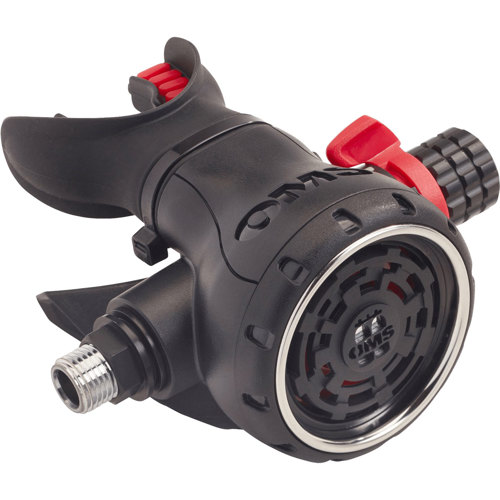
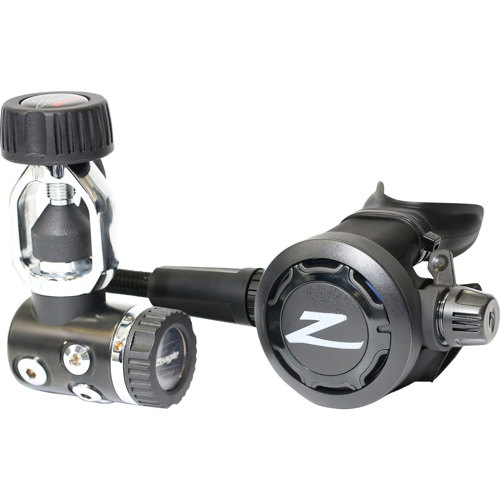
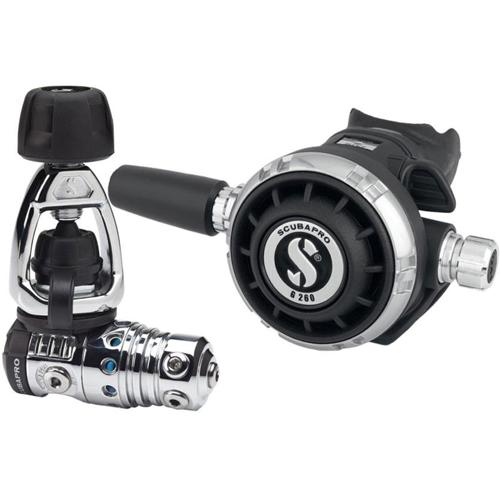
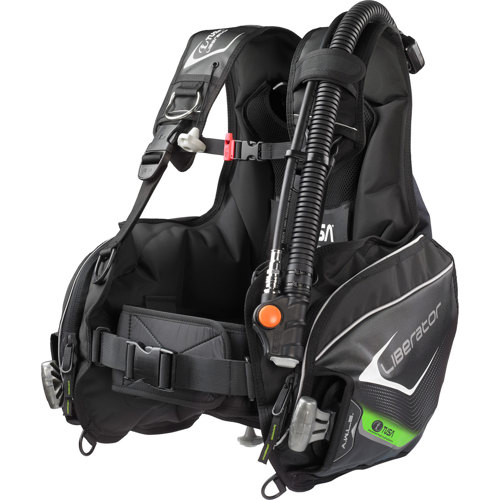
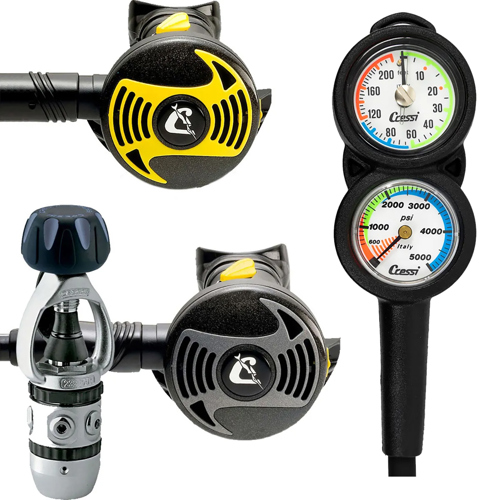
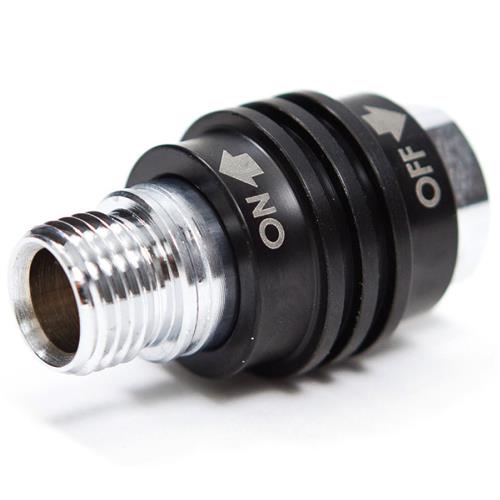
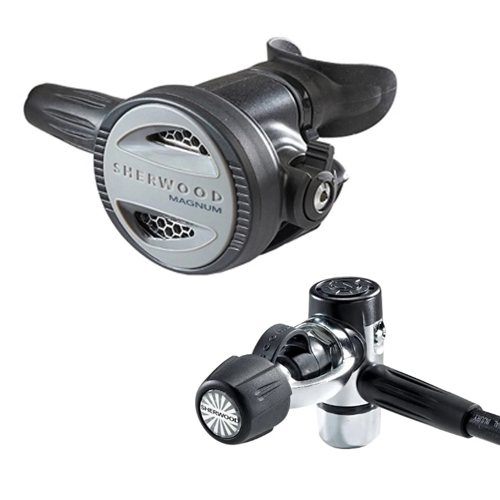
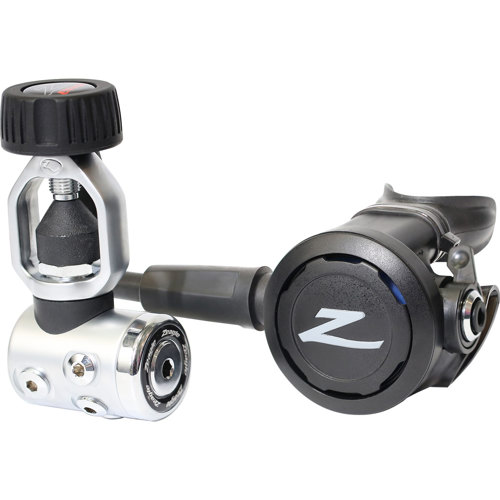
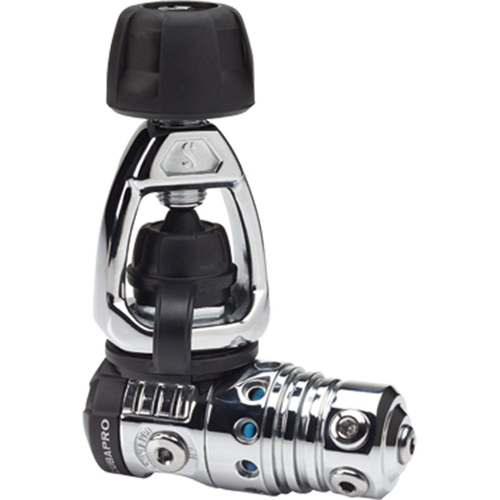
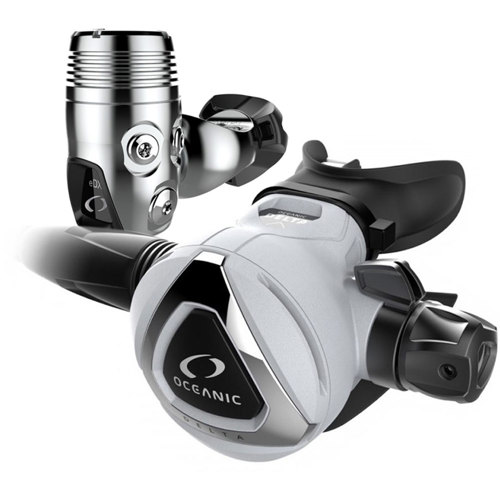
Diving airflow control equipment plays a pivotal role in ensuring a safe, comfortable, and enjoyable underwater experience for divers of all levels. Whether you’re a seasoned technical diver exploring deep wrecks or a beginner taking your first breaths beneath the surface, the ability to manage breathing gas efficiently can make all the difference. The heart of any diver’s breathing system lies in the regulator, which is composed of a first stage that attaches to the tank and reduces high-pressure air to an intermediate level, and a second stage that further adjusts that pressure to match the surrounding water, delivering air with each inhalation. Modern airflow control devices are designed with features such as purge buttons for clearing water, Venturi switches to prevent free-flow or ease inhalation, and adjustment knobs that fine-tune breathing resistance. These controls not only provide the diver with a tailored breathing experience but also add an extra layer of safety, especially in challenging conditions such as cold water, where free-flow can occur due to icing. Winter diving, as January brings colder waters in many regions, heightens the importance of reliable airflow control—divers often appreciate equipment that performs flawlessly even when temperatures drop and conditions become more demanding.
Selecting the right airflow control equipment requires careful consideration of your diving environment, experience level, and personal preferences. For recreational divers, ease of use and comfort are paramount, making intuitive controls and ergonomic mouthpieces particularly attractive. Technical divers or those venturing into overhead environments may prioritize robust build quality, precise adjustment options, and proven reliability under stress. Surface-supplied divers, such as those working in commercial or scientific roles, rely on air control consoles that can manage multiple divers simultaneously, sometimes integrating communications and heating for extended missions. Maintenance is another crucial factor—regular servicing ensures that airflow remains consistent and dependable, dive after dive. These products also make thoughtful gifts for avid divers, instructors, or even those just starting their certification journey; giving the gift of enhanced breathing control is a gesture of care and encouragement, supporting their underwater adventures with dependable gear.
The nuances of airflow management extend beyond equipment alone. Effective air consumption is shaped by a diver’s technique: slow, deep breathing, maintaining neutral buoyancy, and staying relaxed all contribute to longer, safer dives. Many divers recall moments when mastering airflow control transformed their confidence underwater—like learning to clear a flooded regulator with a gentle press of the purge button, or adjusting the Venturi lever to prevent free-flow during a sudden thermocline. These experiences highlight the importance of both the right gear and the skills to use it. As you explore the world of diving airflow control, remember that each component, from the diaphragm and lever mechanism to the adjustment knobs, is engineered for your safety and enjoyment. For those interested in exploring specialized applications or learning more about equipment designed for constant air delivery, visit our dedicated resource on
Diving Constant Air Flow. Whether you’re gearing up for winter dives, planning a tropical getaway, or simply refining your skills, investing in quality airflow control gear is an investment in every future adventure beneath the waves.