Dive Hp Hoses
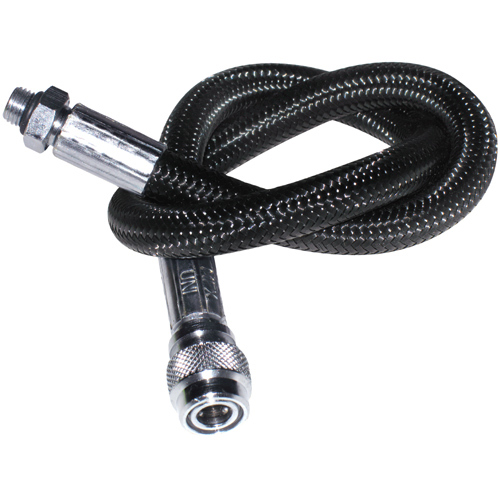
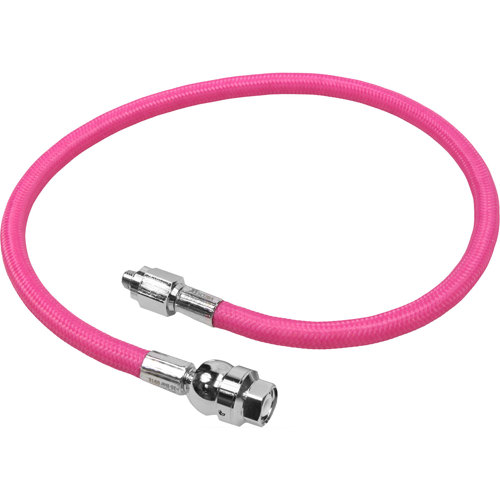
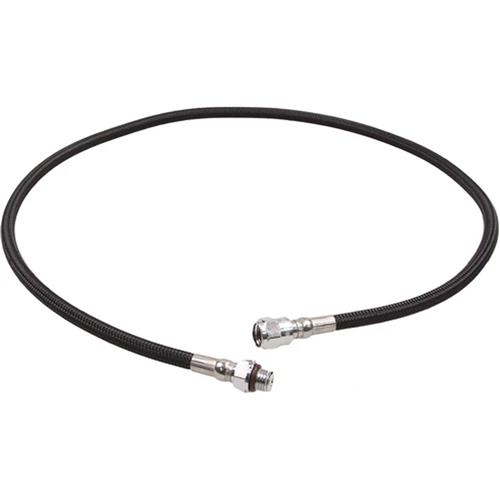
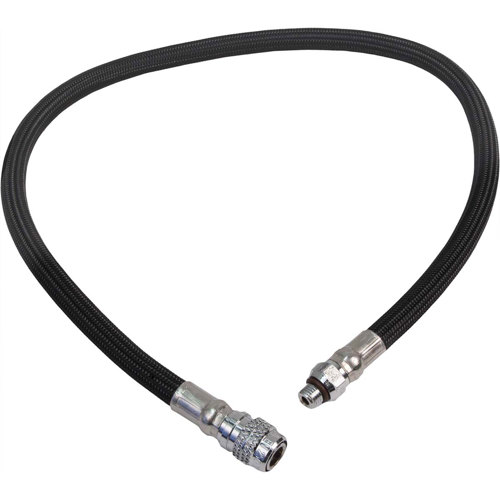
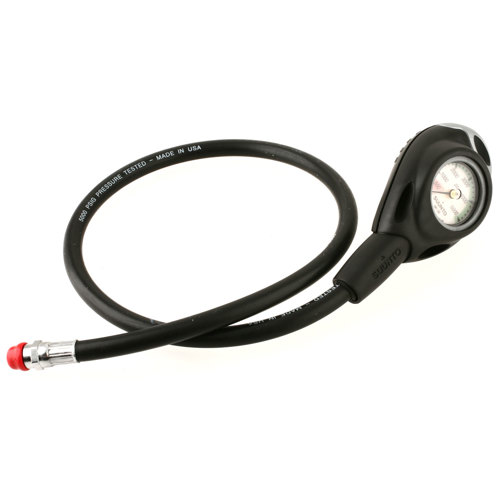
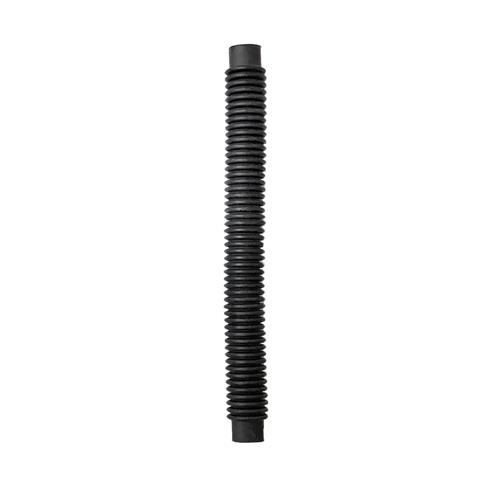
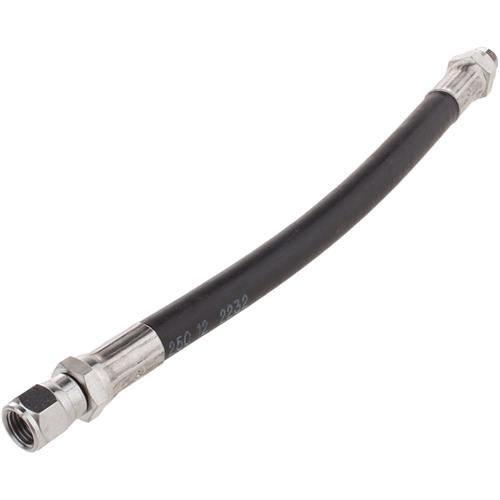
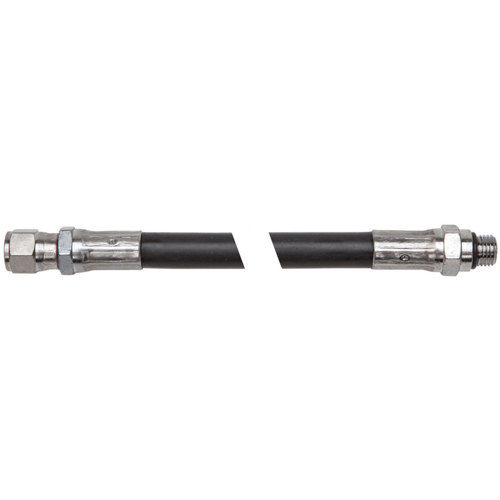
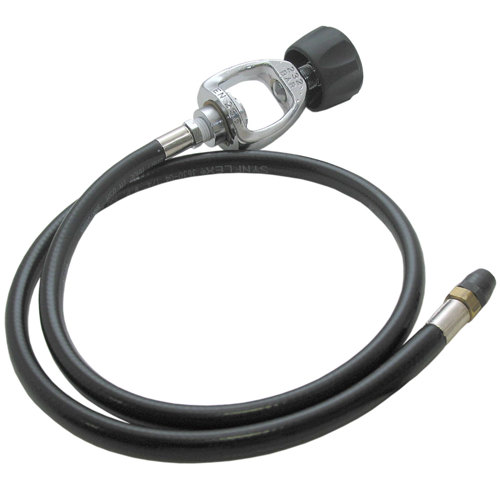
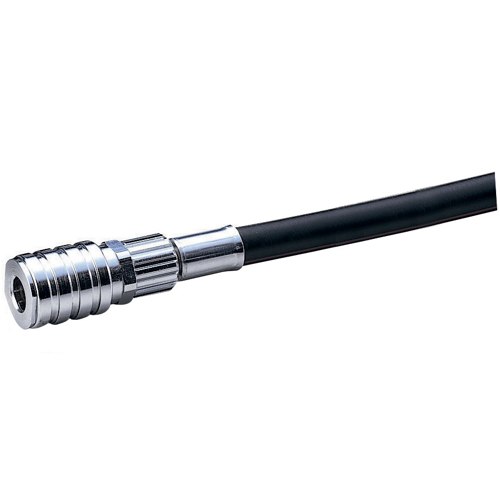
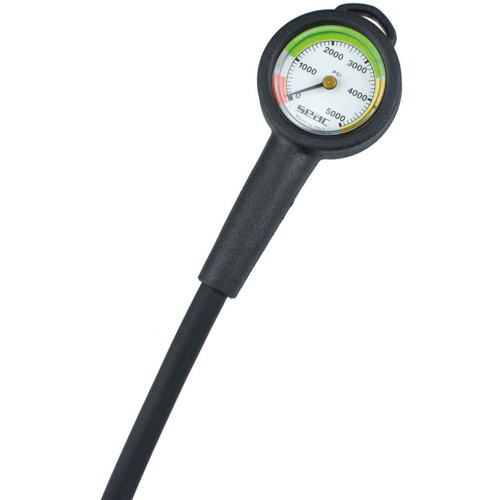
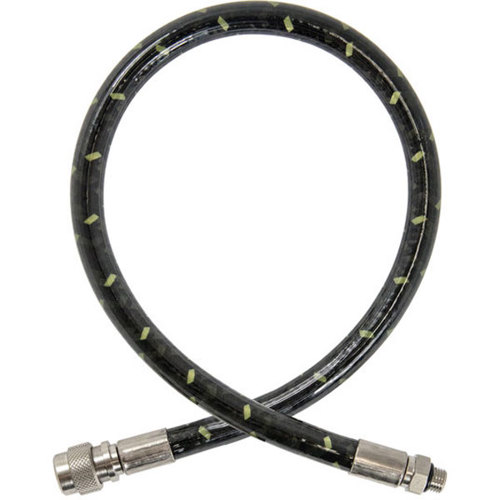
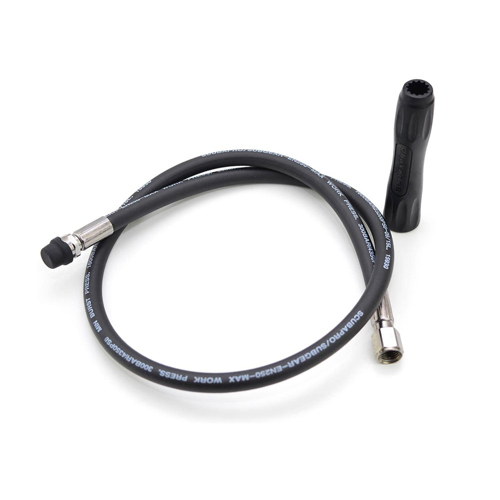
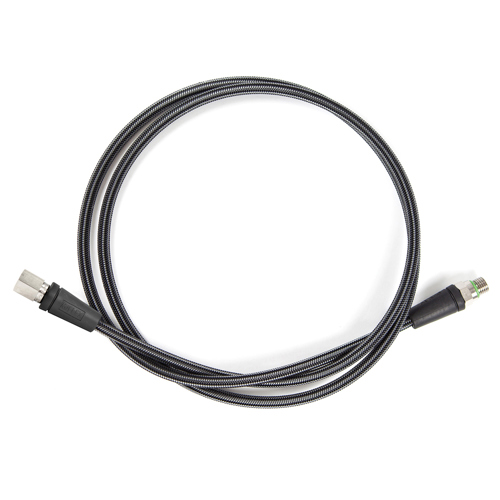
When it comes to assembling or upgrading your scuba gear, the choice of a dive HP hose is a detail that deserves careful attention. The scuba high pressure hose is the vital link between your first stage regulator and your submersible pressure gauge (SPG) or air-integrated transmitter, delivering accurate tank pressure readings that are crucial for dive safety. Whether you are a seasoned technical diver prepping for deep wreck explorations or a recreational diver enjoying vibrant reefs as the weather warms, the right hp hose scuba setup ensures you can monitor your air supply with confidence. High pressure scuba hoses are engineered to withstand thousands of PSI, and their construction has evolved over the years to meet the diverse needs of the diving community. Traditional rubber HP hoses have long been favored for their robust feel and natural resistance to kinking—qualities especially appreciated by instructors or divers who value a predictable, sturdy setup. In contrast, braided and Kevlar-reinforced hoses offer increased flexibility and abrasion resistance, making them a popular choice for those who value lightweight gear and easy hose routing. These flexible options are particularly useful for divers who travel frequently or dive in environments where gear is subject to frequent movement and contact with rough surfaces. Some newer models, made from carbon or polyurethane blends, deliver even greater flexibility and weight savings, which can be a game-changer for technical divers managing multiple tanks or for anyone who prefers a streamlined, low-drag profile underwater.
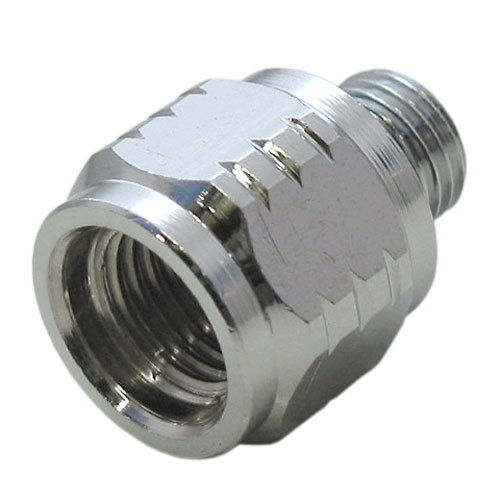
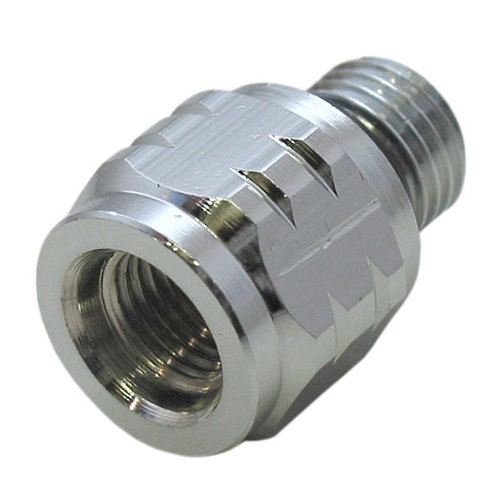
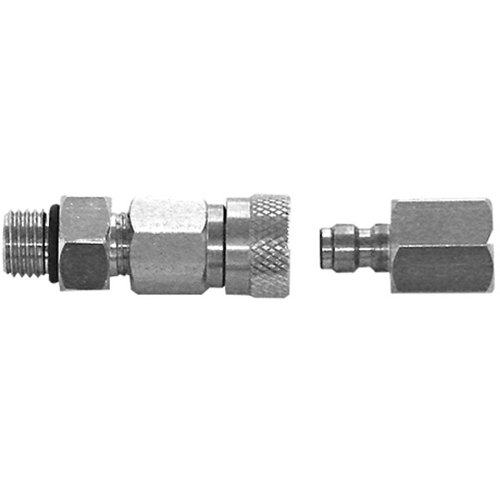
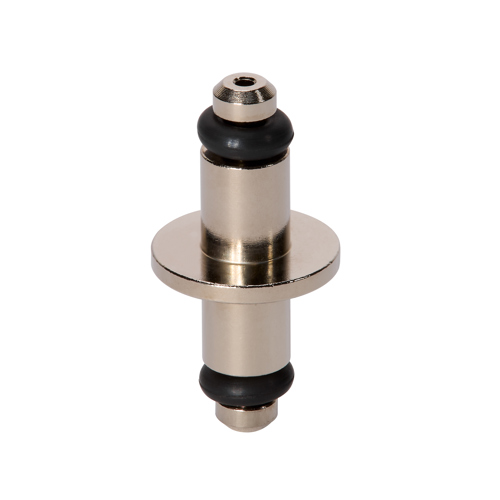
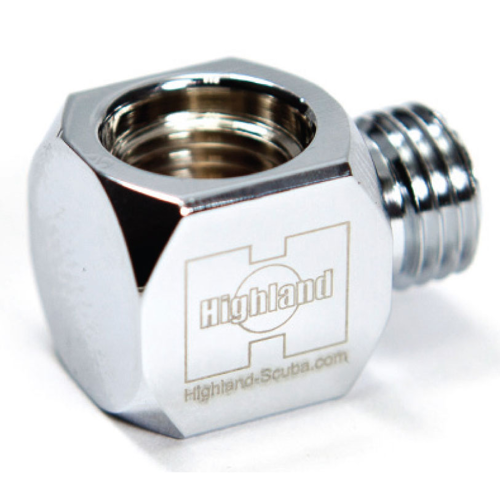
Selecting the correct length and material for your scuba HP hose is not just a matter of comfort—it's about optimizing your entire dive setup for both safety and enjoyment. Shorter hoses, typically in the 6 to 9-inch range, are often chosen for pony bottle kits or for direct-mounting air transmitters, where a compact profile is essential. Standard SPG setups usually pair well with 24 to 26-inch hoses, offering enough slack for easy gauge reading without unnecessary bulk. Technical divers or those who prefer to route their gauge under the arm may opt for longer hoses, sometimes up to 48 inches, for greater flexibility and custom hose routing. It’s also important to consider the small but essential components like air spools and swivels; an air spool with properly seated O-rings ensures a secure connection between the hose and SPG, while a rotary swivel can add comfort by allowing the gauge to rotate freely, reducing strain on both the hose and your wrist. As summer transitions into fall and dive conditions shift, having the right high pressure scuba hose can mean the difference between a smooth, enjoyable dive and an equipment hassle that distracts from the underwater experience. These hoses also make thoughtful gifts for dive buddies or family members who are upgrading their gear or preparing for a new certification, as they are both practical and essential for any diver’s kit. If you’re looking for options tailored to more compact setups or backup systems, explore our curated list of
Short Diving Hoses to find the perfect fit for your needs.
Investing in a quality scuba HP hose is about more than just replacing a worn-out part; it’s about enhancing your connection to the underwater world and ensuring every dive is as safe and enjoyable as possible. From the anticipation of gearing up on a sun-dappled morning to the satisfaction of a well-executed dive plan, every detail matters. The right high pressure scuba hose can make your setup feel custom-tailored, whether you’re fine-tuning hose routing for technical dives or simply seeking a more comfortable way to check your pressure gauge. As you plan your next underwater adventure—whether it’s a local shore dive as the days grow longer or a bucket-list trip to a distant reef—consider how an upgraded HP hose can contribute to your peace of mind and diving enjoyment. With a wide range of materials, lengths, and features available, there’s an ideal option for every diver, from beginners building their first kit to experienced explorers refining their setup for specific environments.