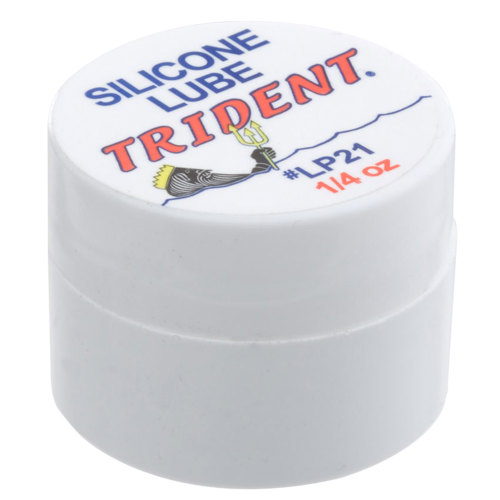
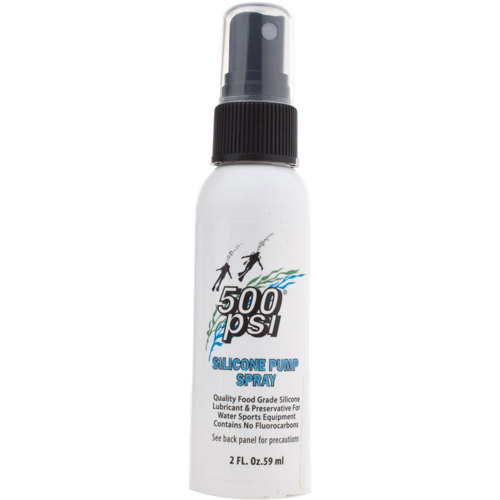
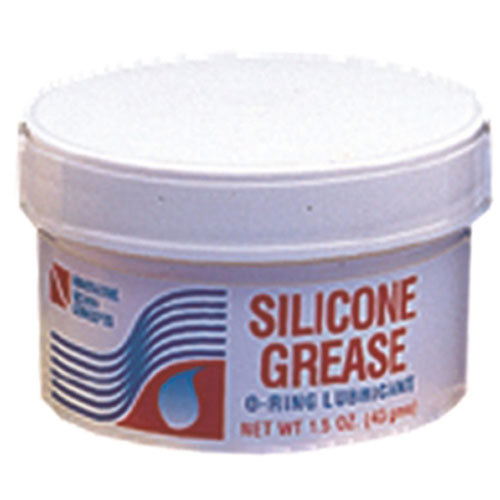
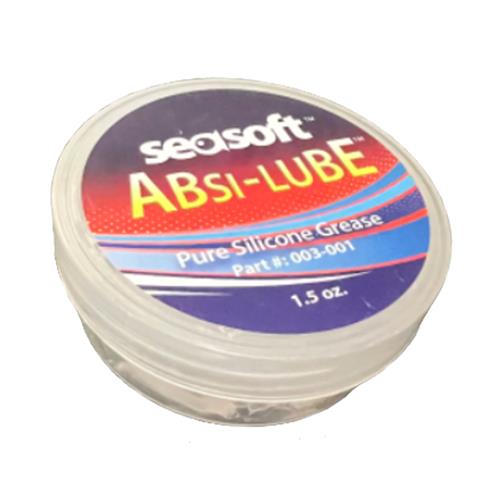
Dive Greases
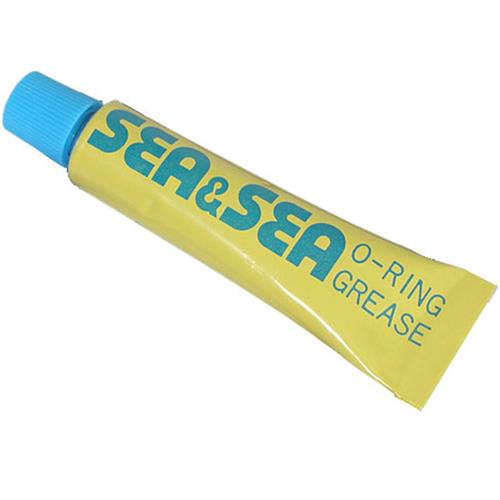
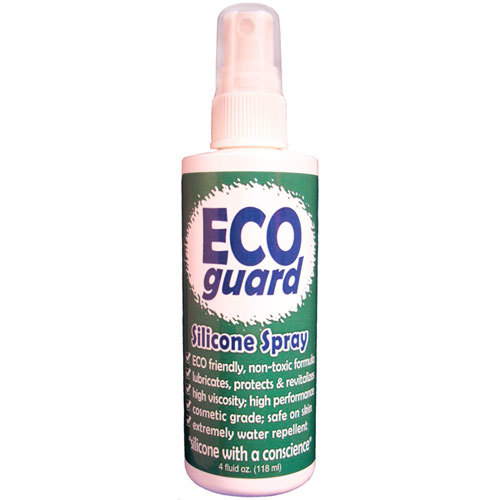
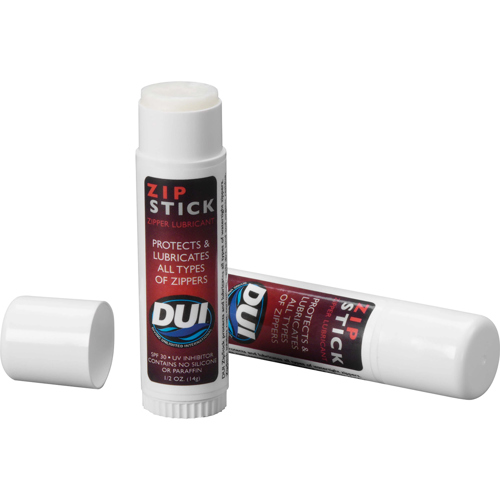
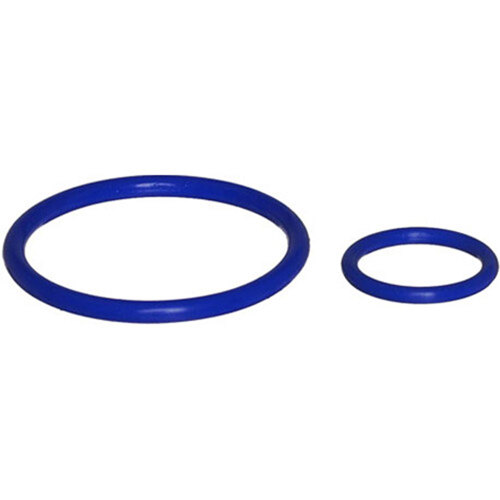
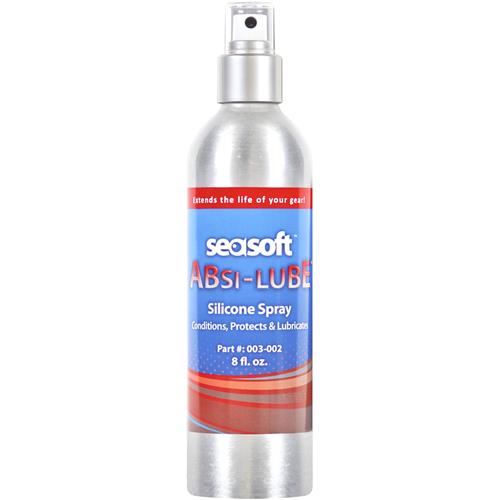
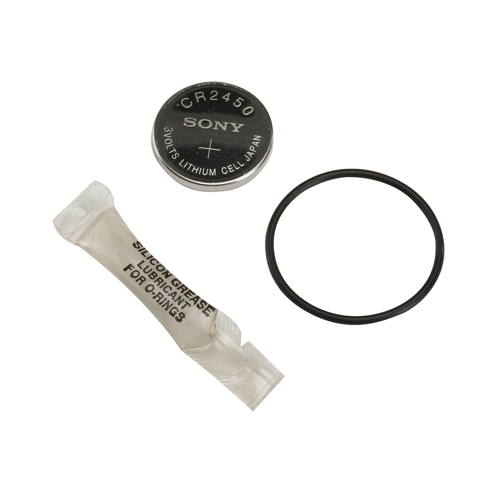
In the world of scuba diving, maintaining your gear is more than just a routine—it’s a critical part of ensuring safety, performance, and the longevity of your equipment. Dive greases play a vital role in this process, acting as specialized lubricants designed to protect and condition O-rings, rubber seals, and a variety of plastic components found throughout your scuba setup. Whether you’re assembling a regulator before a weekend dive or prepping an underwater camera housing for vibrant reef photography, a thin layer of the right grease can make all the difference. These greases are formulated to resist water intrusion, prevent friction, and shield sensitive parts from the relentless effects of salt, sand, and sun. As the weather warms and dive season picks up, more divers are pulling their gear from storage, discovering that a little preventative care with dive grease can save a trip from being cut short by a torn O-ring or a stubborn valve. It’s a simple step, but one that every diver—from the seasoned instructor to the eager beginner—comes to appreciate after a few seasons in the water.
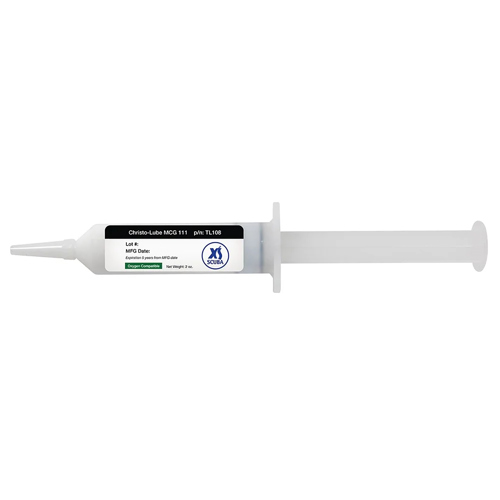
Dive greases aren’t just for the professionals or those logging deep technical dives. They’re an essential addition to any diver’s save-a-dive kit and make a thoughtful, practical gift for anyone passionate about underwater exploration. Imagine the relief of a buddy who, on a tropical shore or a brisk early-morning boat launch, is able to revive a sticky camera housing or ensure a regulator’s perfect seal thanks to a dab of grease kept handy. These products are especially important for divers who use enriched air or nitrox, as certain lubricants are specifically engineered to handle higher oxygen concentrations safely, reducing the risk of combustion. It’s crucial to select a grease that matches your gear and diving style—food-grade silicone greases are a mainstay for most applications, while those using high-oxygen mixes should look for oxygen-compatible options. Avoiding petroleum-based products is key, as these can degrade the very materials they’re meant to protect. And in every case, less is more: a light, even film is all that’s needed, since excess grease can attract grit or debris that might compromise a seal. For those looking to keep their equipment in peak condition, pairing dive greases with dedicated
Dive Gear Cleaners is a smart way to ensure every dive is as smooth and safe as the last. As dive adventures unfold through late spring and into the warmth of summer, a well-maintained kit, supported by the right lubricants, helps keep every underwater journey worry-free and full of discovery.