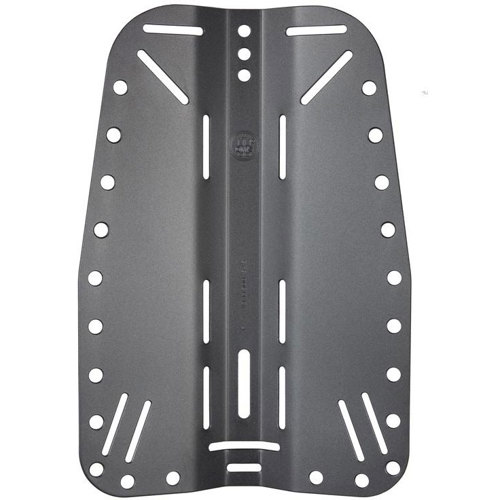
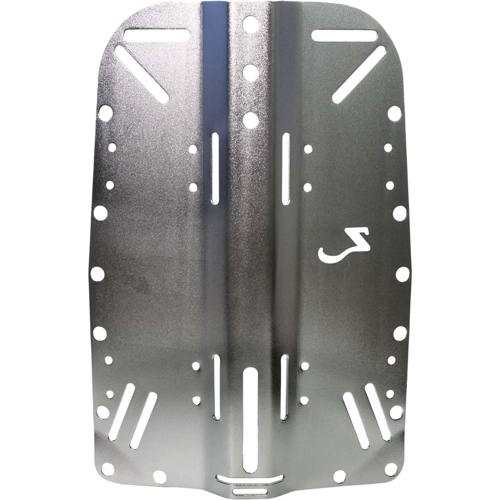
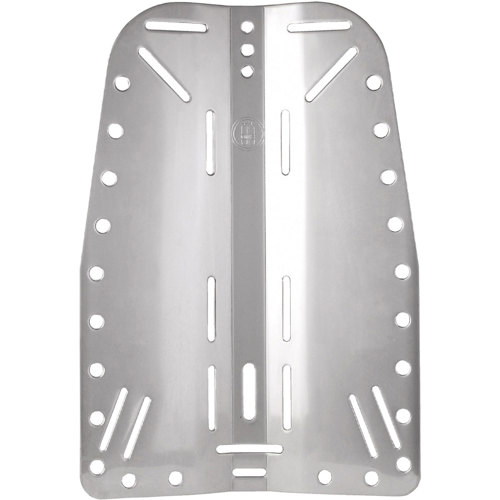
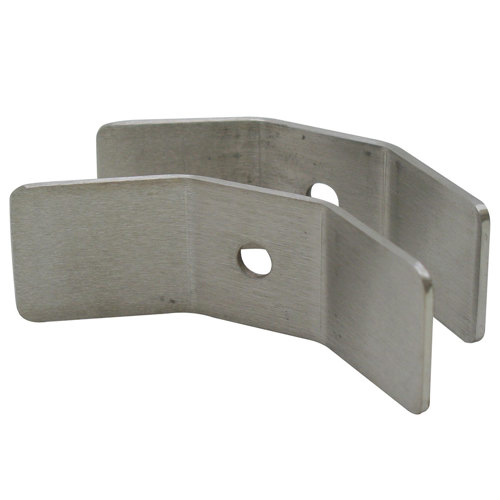
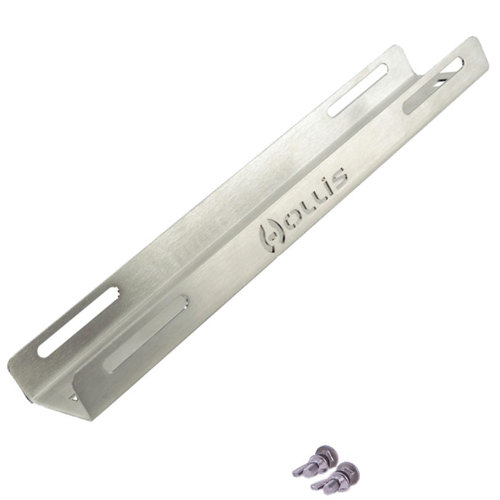
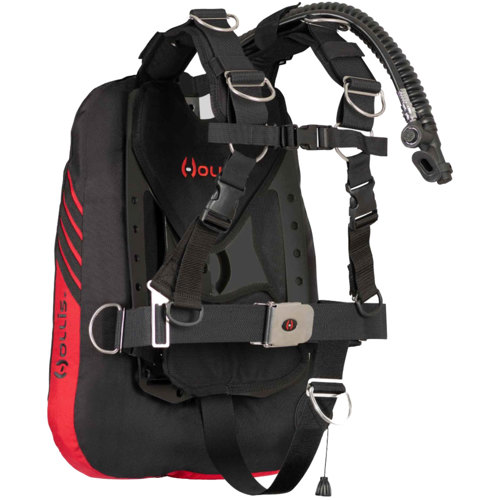
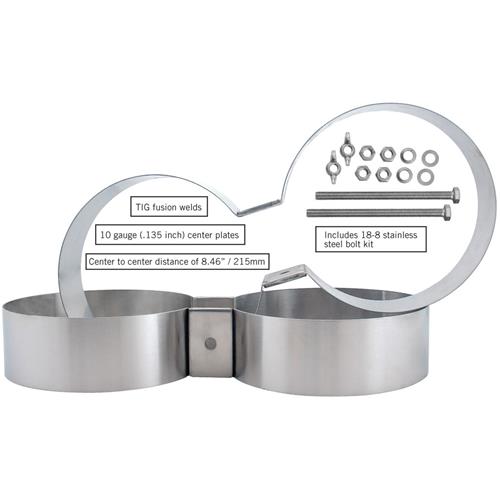
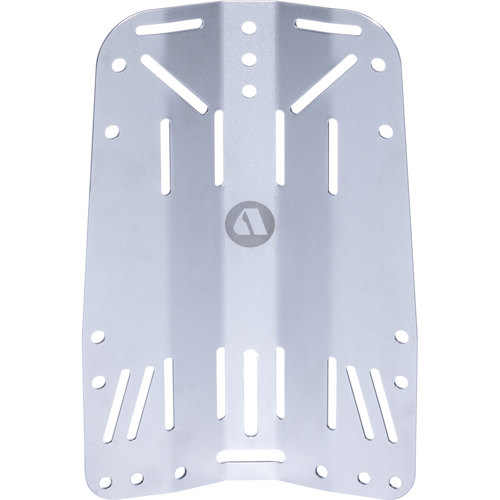
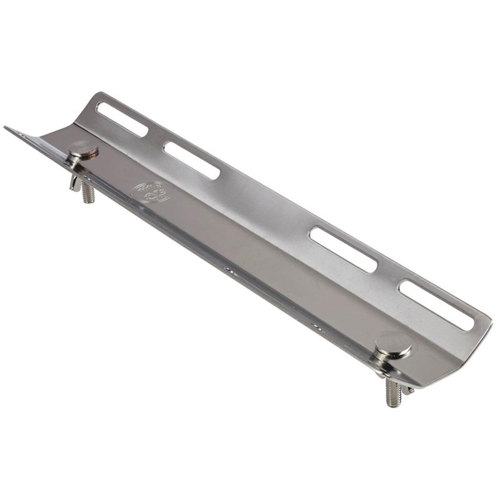
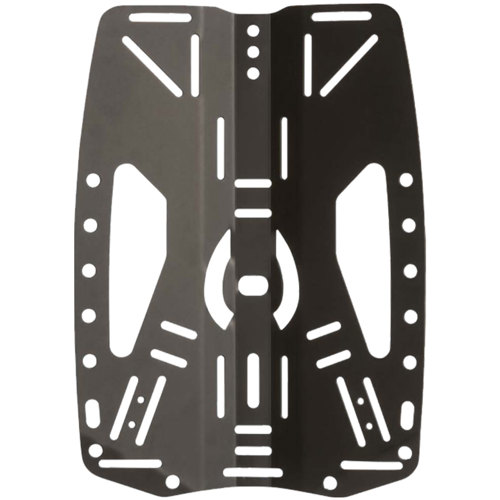
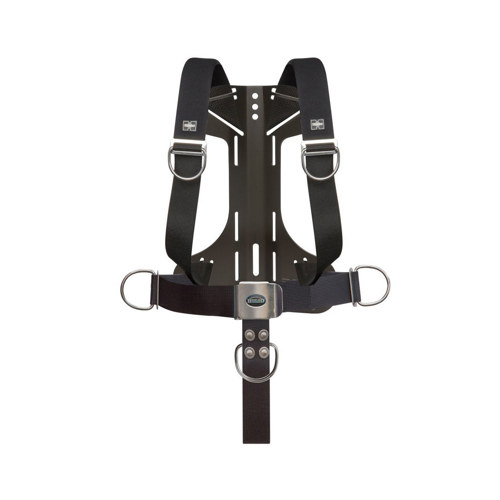
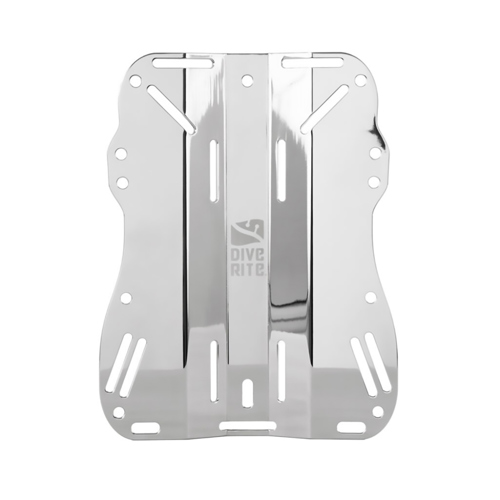
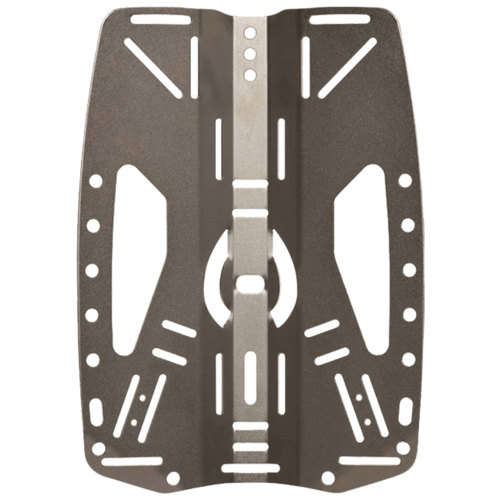
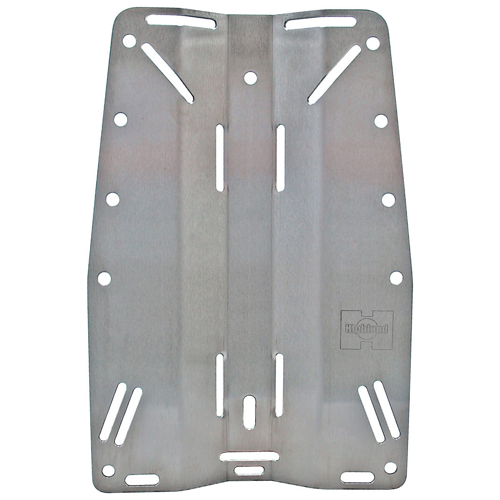
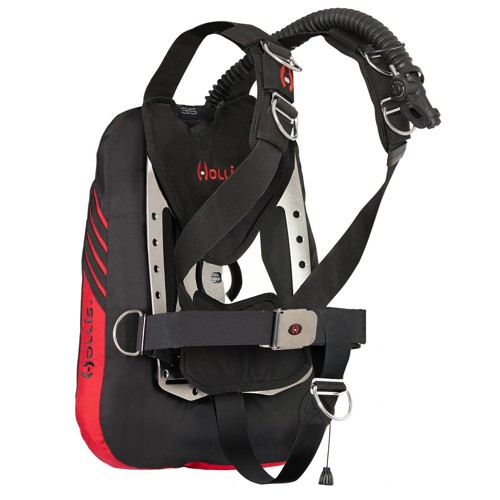
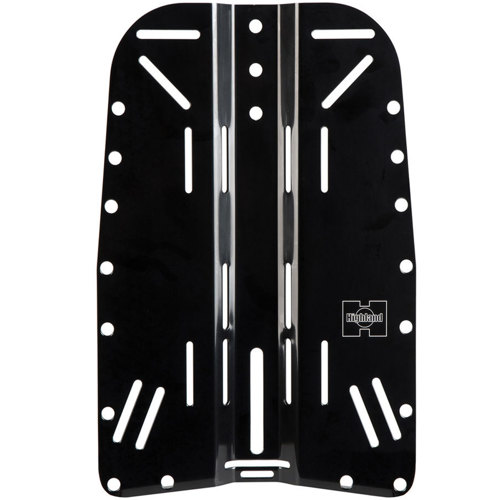
When it comes to choosing backplates for scuba diving or marine environments, corrosion resistance is a critical factor that can make all the difference in both safety and gear longevity. Whether you're gearing up for a summer of warm-water dives or preparing for cooler, off-season adventures, the right corrosion-resistant backplate will help ensure your setup remains reliable in the harshest conditions. Divers who spend time in saltwater know how quickly standard metals can deteriorate, so investing in a backplate made from materials like marine-grade stainless steel, titanium, carbon fiber, or anodized aluminum is a smart move. Each of these materials offers a unique balance of strength, weight, and resistance to rust, making them suitable for different diving styles and preferences. For example, stainless steel backplates are favored for their durability and built-in ballast, which can help offset buoyancy in thick wetsuits or drysuits. Titanium and carbon fiber, on the other hand, are exceptionally lightweight and immune to saltwater corrosion, making them ideal for traveling divers or anyone who values easy handling without sacrificing strength.
When selecting a corrosion-resistant backplate, consider the type of diving you’ll be doing, your travel needs, and the environment where you’ll use your gear most often. Technical divers who carry multiple tanks or spend long hours underwater may appreciate the robust feel and negative buoyancy of a stainless steel backplate, especially during deep or wreck dives. Recreational divers who prefer warm, tropical waters might lean toward lighter options like carbon fiber or titanium, which are effortless to pack and carry. Aluminum backplates are also a popular choice for those who want a good compromise between weight and corrosion resistance; just be mindful of pairing them with compatible hardware to avoid galvanic corrosion. If you’re interested in exploring more about these lightweight, rust-proof options, you can find a curated selection of
Aluminum Backplates that are well-suited for both travel and everyday diving. These products also make thoughtful gifts for dive buddies, instructors, or anyone building out their own modular system—especially as the diving season stretches from the warmth of summer into the crisp days of early fall.
Beyond the world of scuba, corrosion-resistant backplates serve important roles in marine hardware, boating, and even industrial settings, where salt spray and moisture can quickly degrade unprotected metals. Boat owners and marine technicians often rely on stainless steel or galvanized steel backplates to reinforce rigging, secure electrical enclosures, or provide stable mounting surfaces for critical gear. In these applications, the peace of mind that comes from using the right material—one that won’t fail after months of exposure to the elements—is invaluable. Whether you’re upgrading your personal dive kit, outfitting a boat, or setting up rugged outdoor hardware, understanding the properties of corrosion-resistant backplates will help you make informed choices that stand up to both the demands of the environment and the test of time.