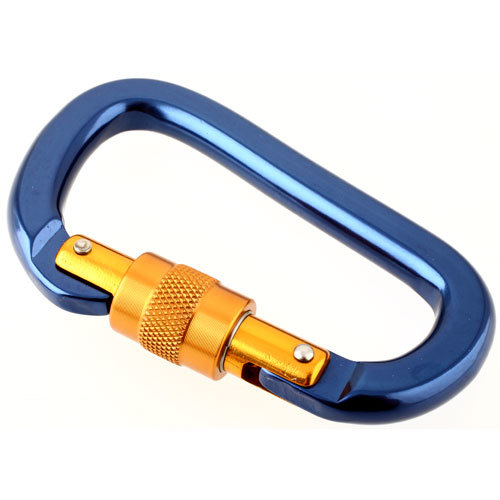
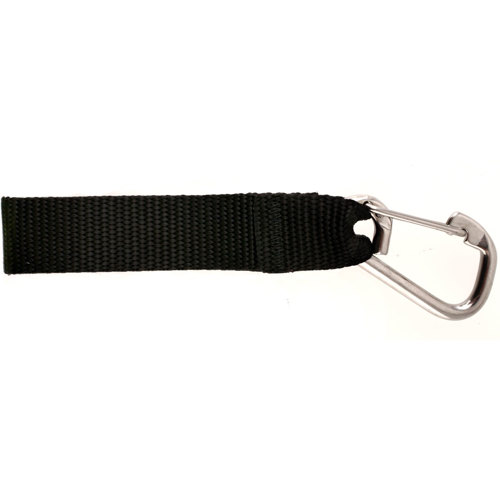
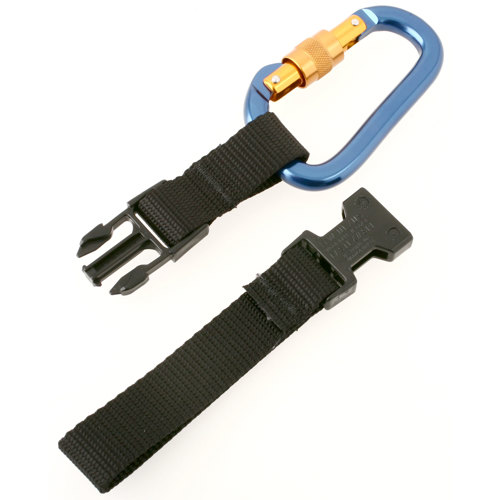
Carabiners come in a wide array of sizes and shapes, each thoughtfully engineered to serve a specific function—whether you’re organizing your gear for a day at the crag, prepping for a multi-pitch climb, or simply looking for an efficient way to secure accessories to your backpack or dive bag. As the weather warms and outdoor adventures beckon, understanding carabiner sizes becomes especially important for anyone heading out for hiking, camping, climbing, or water sports. Micro and mini carabiners, typically measuring between 1.5 to 2 inches, are ideal for lightweight tasks such as attaching keys, securing a small flashlight to your zipper pull, or keeping emergency whistles accessible during a paddle. Their compact size and featherlight design make them a favorite among backpackers and travelers who count every ounce. Slightly larger, small or standard utility carabiners (usually 2.25 to 3 inches) are versatile for everyday carry—clipping water bottles to your pack, organizing cords, or keeping gloves handy on a belt loop. These make practical gifts for students, commuters, or anyone who appreciates a tidy, organized setup, especially as routines shift with the changing season.
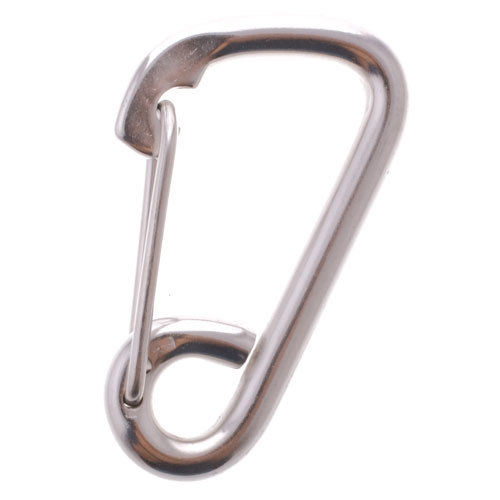
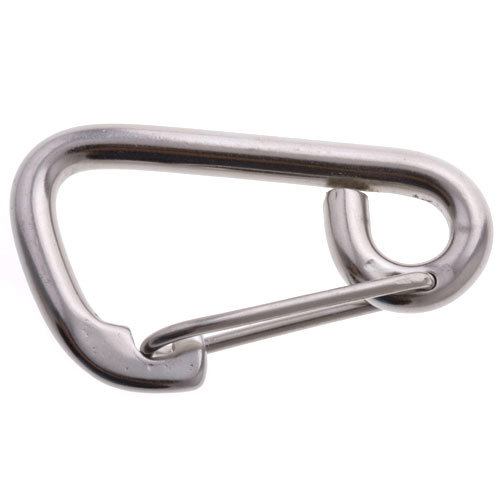
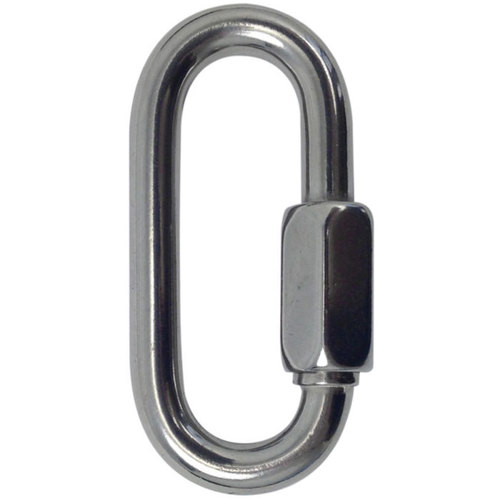
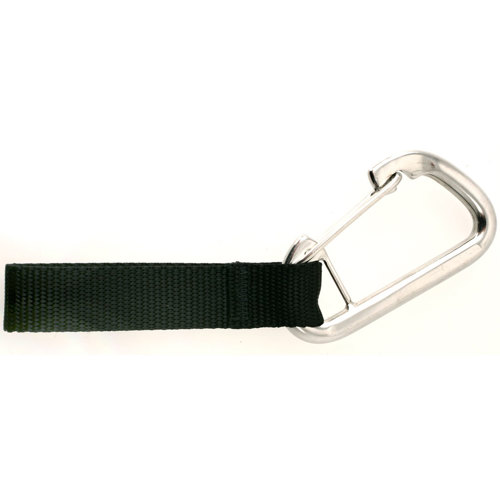
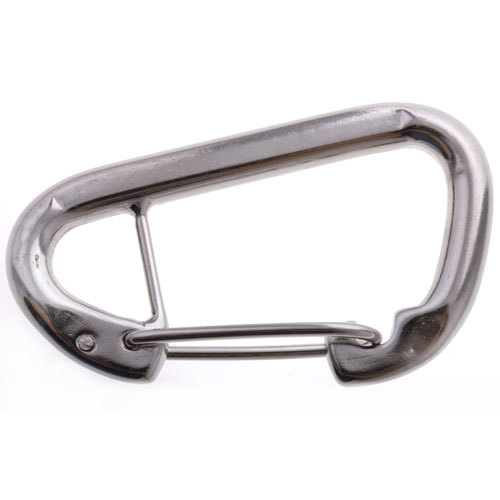
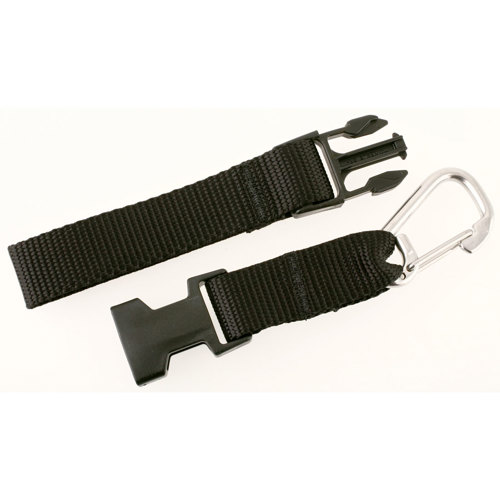
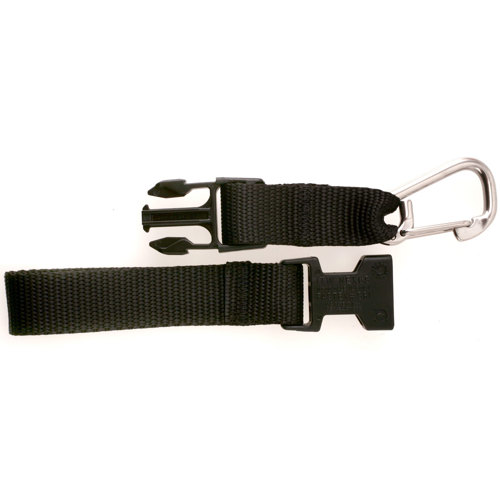
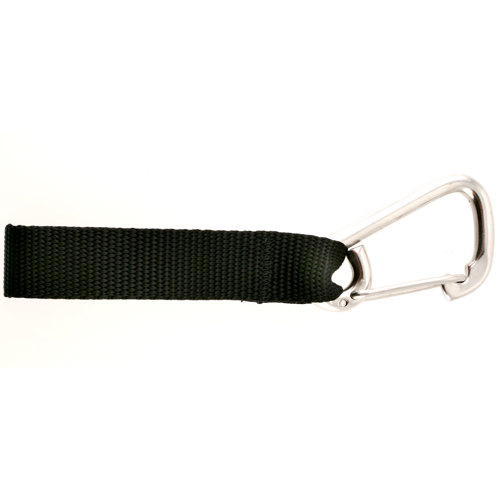
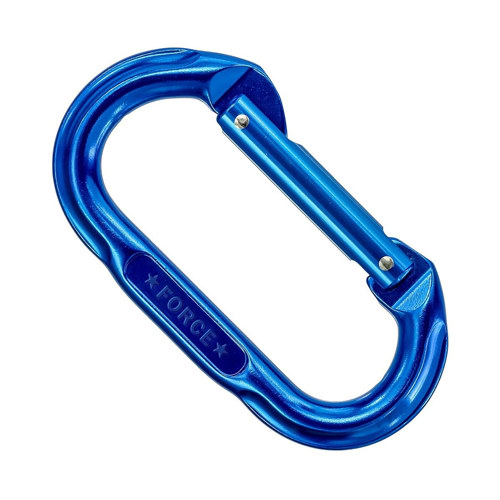
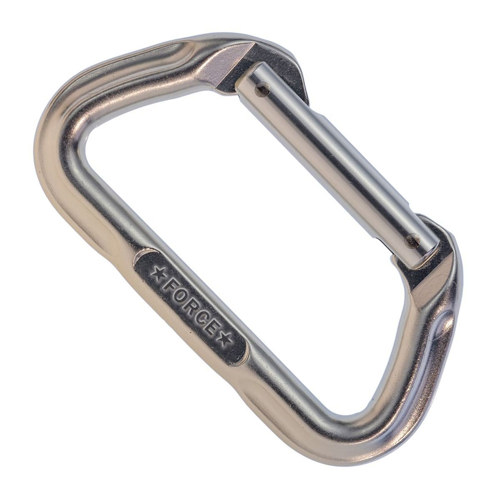
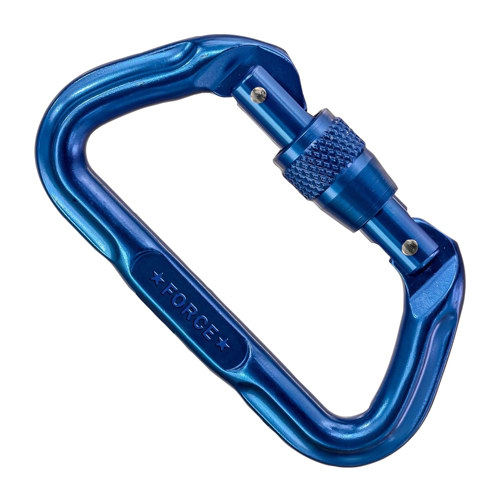
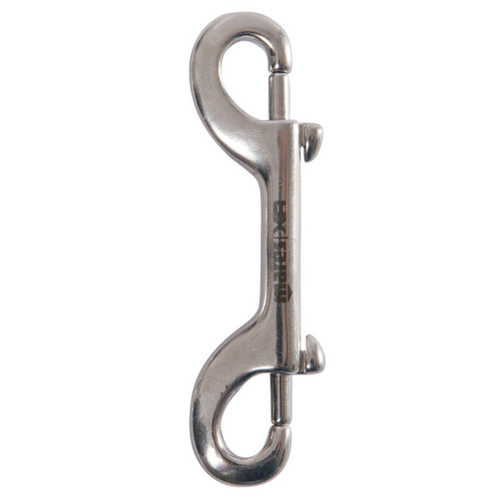
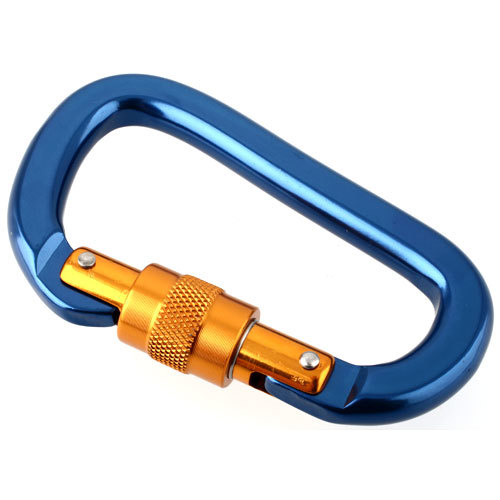
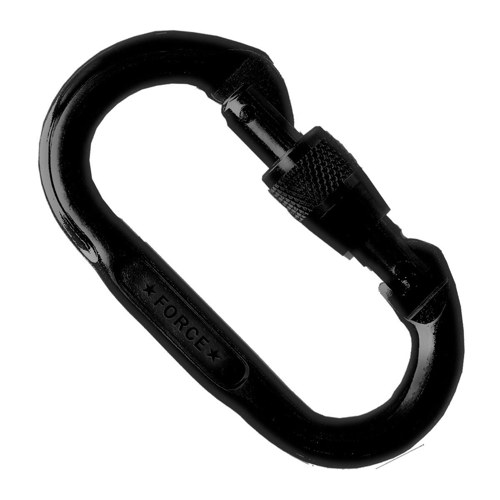
When it comes to more demanding pursuits—like climbing, diving, or heavy-duty hauling—larger carabiners step up to the challenge. Heavy-duty or snap hook carabiners, ranging from 4 to over 7 inches, are designed to handle significant loads. These are commonly used in industrial settings, marine environments, or for managing bulky gear such as dive tanks, ropes, or even dog leashes for strong, active breeds. For climbers and technical users, carabiner size isn’t just about length; it’s also about gate opening, weight, and shape. Standard or mid-size climbing carabiners (typically 30-50 grams with a 20-23 mm gate opening) are the workhorses of the climbing world—perfect for building quickdraws or anchoring to protection points. Large or HMS (pear-shaped) carabiners, with their wider gate and spacious top, accommodate multiple knots, hitches, or belay devices, making them indispensable for rappelling or belaying a partner on a challenging route. Oval and D-shaped carabiners each offer unique advantages: ovals are excellent for managing pulleys and keeping loads balanced, while D-shapes maximize strength by directing force to the spine of the carabiner. As you consider which size and shape suits your needs, think about the activities you enjoy most—whether that’s organizing a diver’s tool kit, setting up a hammock for a summer afternoon, or rigging a pulley system for hauling gear up a steep trail.
Choosing the right carabiner size is as much about safety and efficiency as it is about convenience. For those involved in climbing, caving, or rescue work, selecting carabiners with the appropriate strength rating and gate clearance is essential, especially when multiple ropes or accessories need to be clipped in quickly. Even for non-technical users, matching the size to the intended use—whether for everyday organization, travel, or outdoor recreation—can make all the difference in comfort and peace of mind. Carabiners also make thoughtful gifts for outdoor enthusiasts, gearheads, and anyone who values practical, reliable equipment. When selecting your next carabiner, consider the material, locking mechanism, and the specific demands of your activity. If you’re interested in exploring options designed for maximum strength and durability, visit our
Strong Carabiners page for a curated selection that meets rigorous standards. Whether you’re gearing up for a summer of adventure or preparing for the cooler months ahead, choosing the right carabiner size ensures your equipment is secure, accessible, and ready for whatever the season brings.