Cable connectors play a fundamental role in ensuring reliable connections across a wide range of applications, from underwater electronics to everyday home projects and advanced networking setups. For divers, underwater photographers, and marine technicians, selecting the right connector is not just a matter of convenience—it’s about safety, signal integrity, and equipment longevity. As the weather warms and outdoor activities become more frequent, the demand for durable, corrosion-resistant connectors rises, especially for use in marine environments where exposure to saltwater and moisture is inevitable. Whether you’re preparing gear for a summer dive trip, upgrading your boat’s navigation system, or maintaining underwater lighting, choosing connectors that offer secure, watertight seals and compatibility with your specific cable type is essential. Lever-actuated splicing connectors, for example, provide a quick and tool-free way to join wires, making them ideal for field repairs or temporary setups on the go. Meanwhile, twist-on wire connectors, or wire nuts, remain popular for their simplicity and effectiveness in both household and marine electrical applications. For more permanent or high-stress connections, butt connectors with heat-shrink tubing offer an added layer of protection, ensuring that the connection remains stable even in challenging conditions.
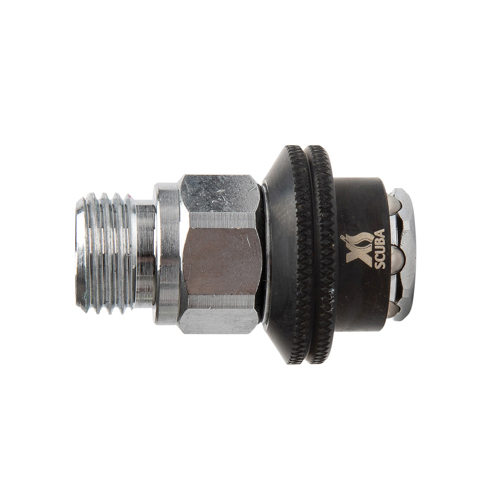
Beyond the technical aspects, cable connectors are a thoughtful gift for anyone who enjoys tinkering with electronics, maintaining their own gear, or personalizing their boat or dive equipment. They’re especially appreciated by those who value self-sufficiency—think of the diver who wants to customize their underwater camera rig, or the boating enthusiast preparing for a busy season on the water. Fiber optic connectors and RJ45 modular plugs are indispensable for anyone setting up high-speed data links on a vessel or in a home office, while F-type and compression connectors are must-haves for marine entertainment systems and communications gear. Quick disconnects and crimp terminals simplify the process of swapping out accessories or performing routine maintenance, making them a staple in any toolkit. When selecting connectors, it’s important to match the connector type to your cable’s gauge and intended use, and to consider environmental factors such as exposure to water, UV rays, or vibration. For those working with specialized equipment, such as scuba diving inflator hoses, it’s worth exploring dedicated solutions like our selection of
Diving Inflator Cables, which are engineered for reliable performance in underwater conditions. No matter your project, investing in the right cable connectors ensures that your connections remain secure, your equipment functions flawlessly, and you can focus on enjoying your adventures both above and below the surface.