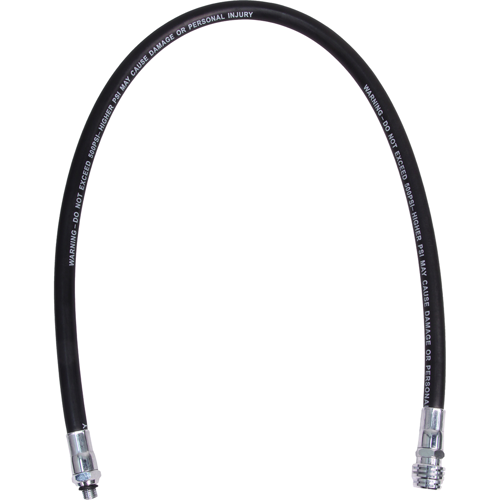
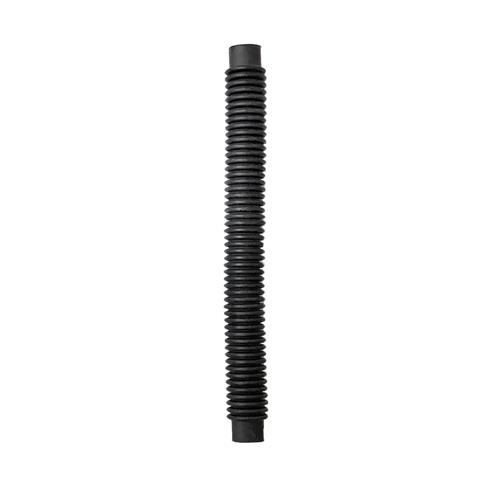
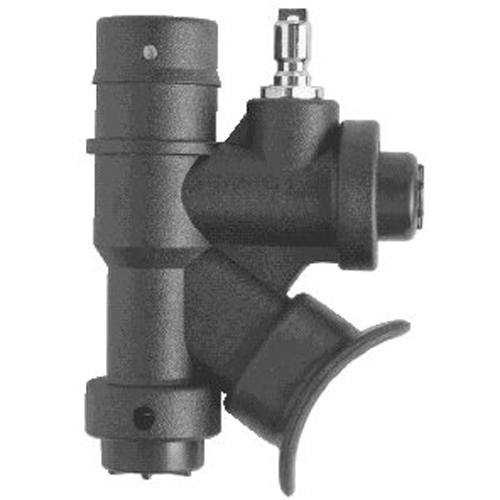
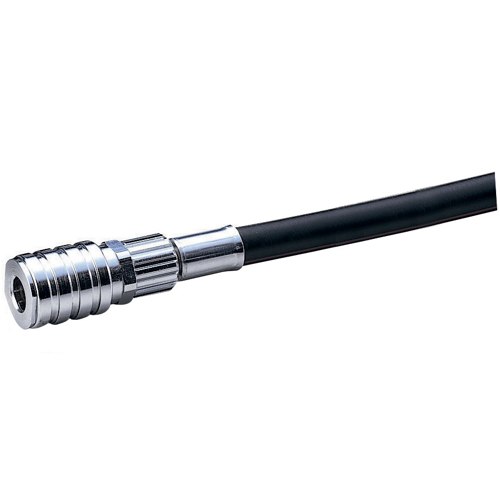
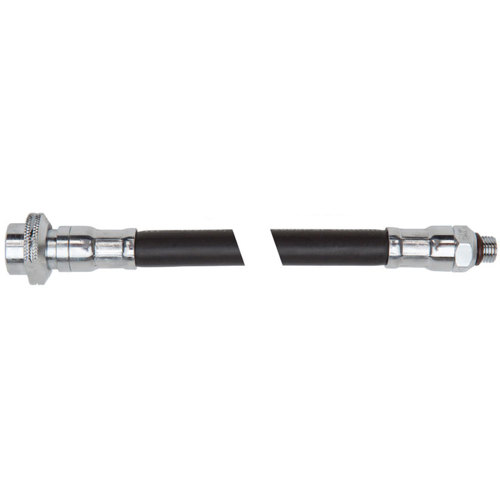
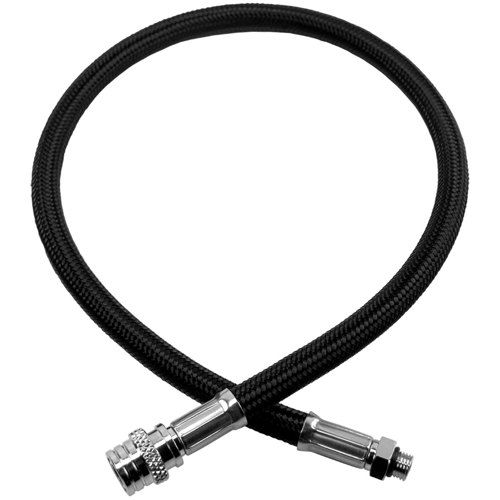
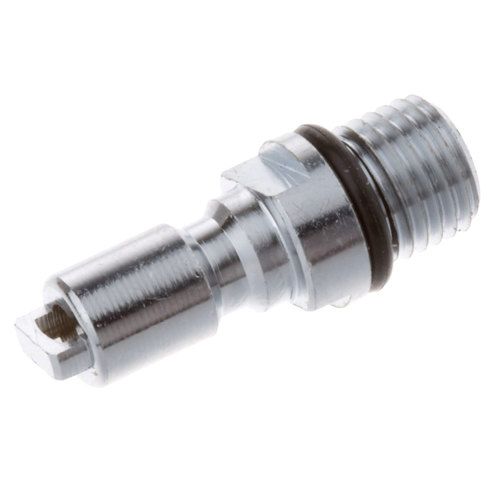
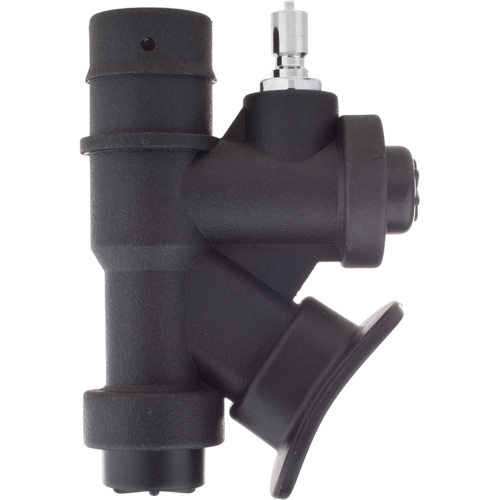
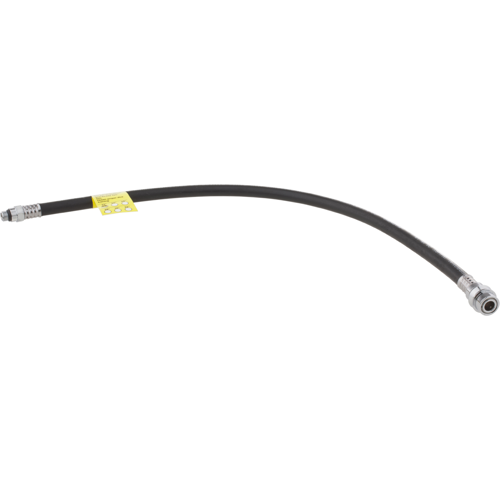
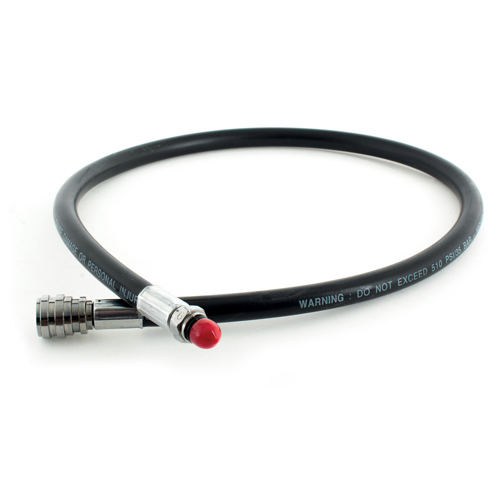
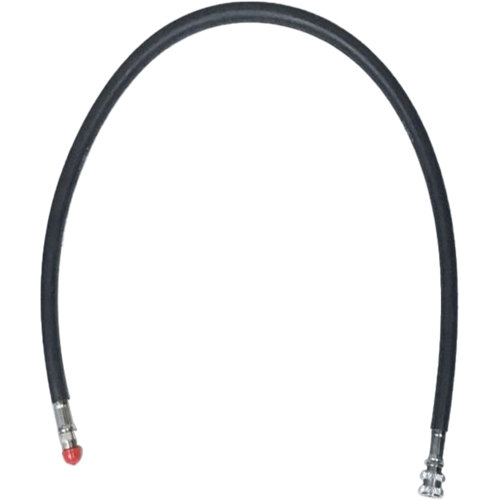
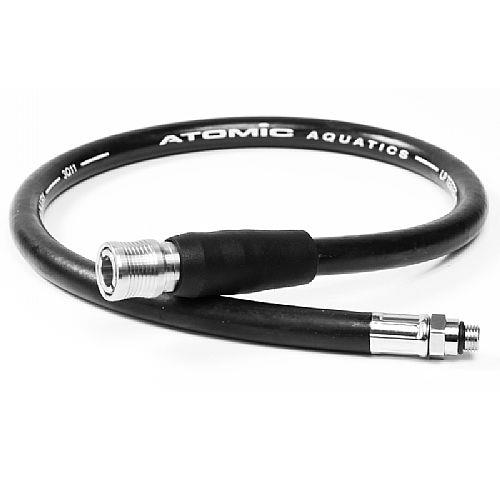
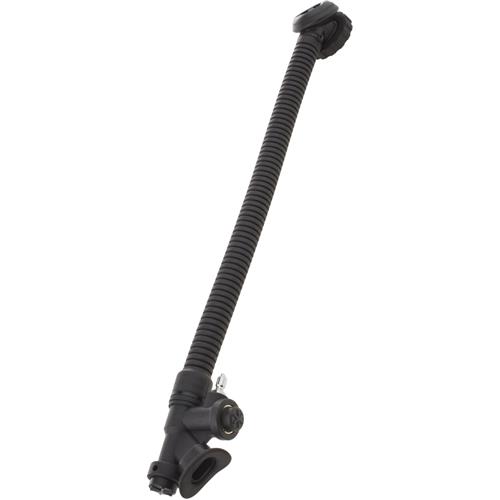
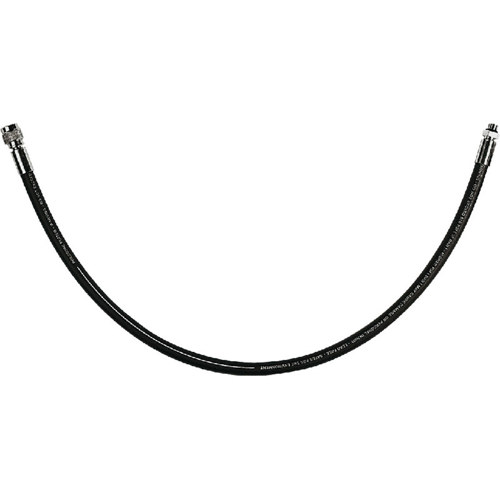
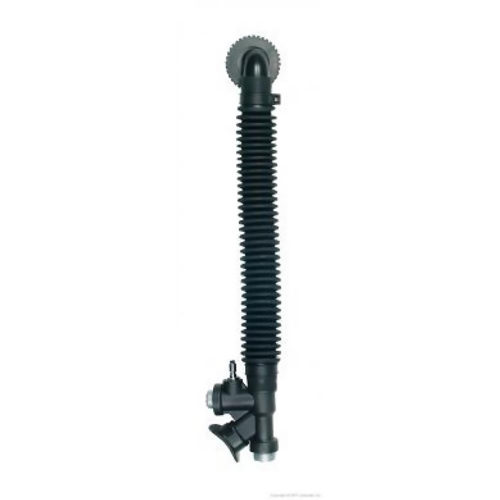
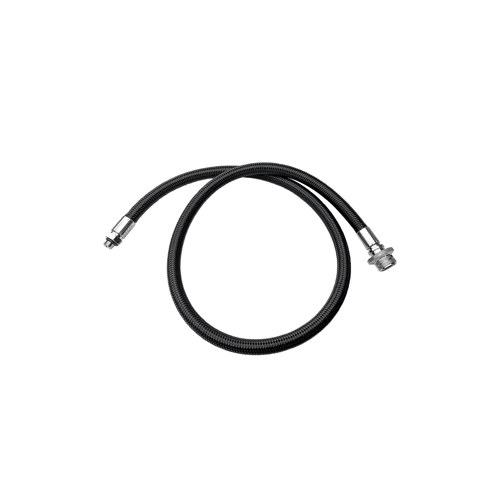
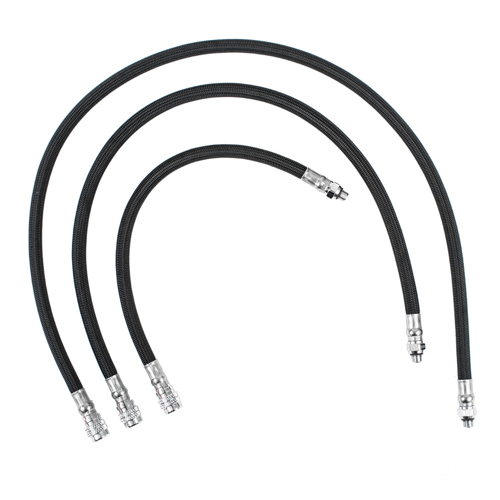
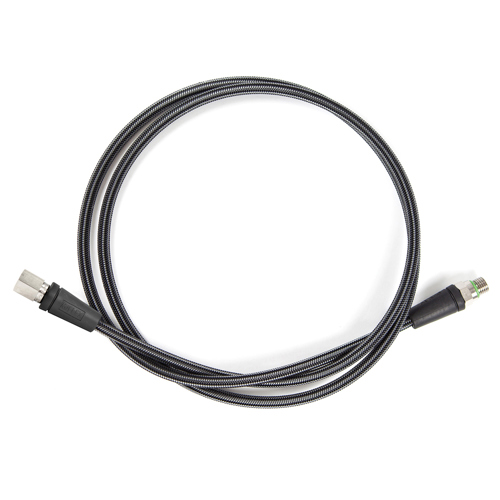
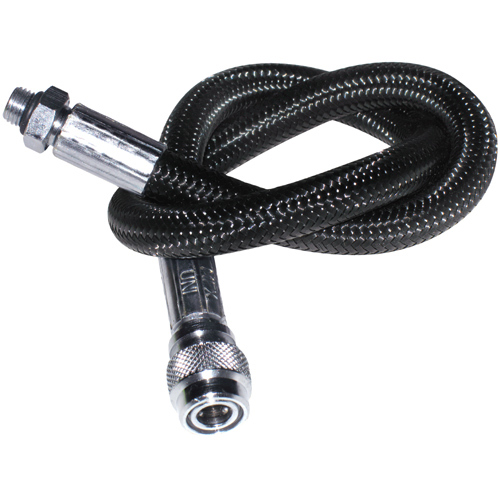
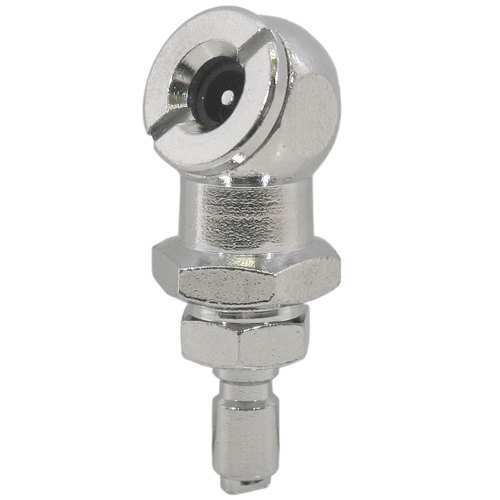
As the weather warms and dive sites across the country come alive with activity, many divers take the opportunity to fine-tune their gear in preparation for a busy season underwater. Among the essential but often overlooked components of a diver’s setup are diving inflator cables, sometimes referred to as internal pull-to-dump cables. These slender yet sturdy lines—crafted from stainless steel or durable plastics—run discreetly inside a BCD’s corrugated hose, linking the power inflator to the upper dump valve. With a simple downward tug on the inflator, the cable activates the dump valve, allowing for a quick and controlled release of air. This streamlined mechanism is especially valued by experienced divers who rely on precise buoyancy control during descents, ascents, and moments when rapid adjustments are crucial, such as navigating surge-prone entry points or hovering effortlessly above a vibrant reef. Whether you’re a seasoned technical diver accustomed to wing-style BCDs or a recreational explorer using a standard jacket, the configuration and type of inflator cable in your system can make a noticeable difference in both comfort and safety.
Choosing the right inflator cable often comes down to understanding your own gear and diving style. Stainless steel cables are a favorite among divers who prioritize rigidity and reliability, as they deliver a crisp, immediate response when the inflator is pulled—ideal for those who want absolute confidence that their dump valve will engage every time. On the other hand, lightweight plastic or cord-based cables are commonly found in travel-oriented or ultra-light BCDs, where every ounce counts and flexibility is key. These options offer a “remote-exhaust” feature, making them a smart choice for divers who frequently travel or need to pack light for boat-based adventures. For those using backup BCDs or minimalist wings, it’s not uncommon to find hose-less designs that do away with internal cables altogether, relying instead on standard dump valves located elsewhere on the rig. Regardless of the configuration, all inflator cables are exposed to the relentless effects of salt, water, and mechanical tension, making regular inspection and timely replacement a must. Look for telltale signs like corrosion, fraying, or a stiff inflator button—these are clear indicators that it’s time for a service kit or a new cable. Swapping out an inflator cable is a straightforward task for most divers with a bit of mechanical confidence: simply snip the retaining ties, unhook the old cable, and secure the new one, taking care to test for leaks and smooth operation before hitting the water.
Diving inflator cables also make thoughtful gifts for dive buddies, instructors, or anyone gearing up for a season of exploration. They’re a practical addition to a diver’s maintenance kit—something that often goes unpurchased until it’s urgently needed. Gifting a high-quality inflator cable, or even a complete inflator service kit, shows a level of care and foresight that any diver will appreciate, especially as dive trips and travel plans ramp up over the summer and early fall. For those new to maintaining their own gear, or anyone curious about the finer points of inflator systems, there’s a wealth of resources available to guide you through the process. If you’re looking to brush up on the mechanics or find information tailored to your specific BCD, you’ll find expert tips and step-by-step advice in our
Diving Inflator Hose Guides. Taking the time to select and maintain the right inflator cable ensures every dive begins and ends with confidence, whether you’re exploring local kelp forests, traveling to remote atolls, or simply enjoying the peace of mind that comes with well-cared-for equipment.