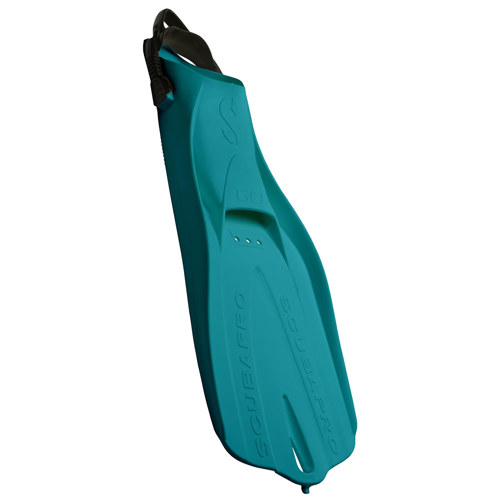
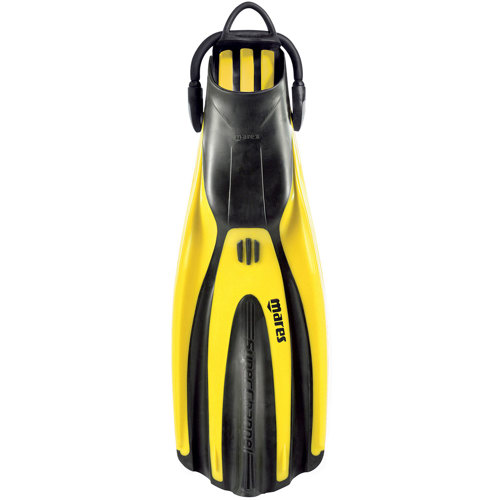
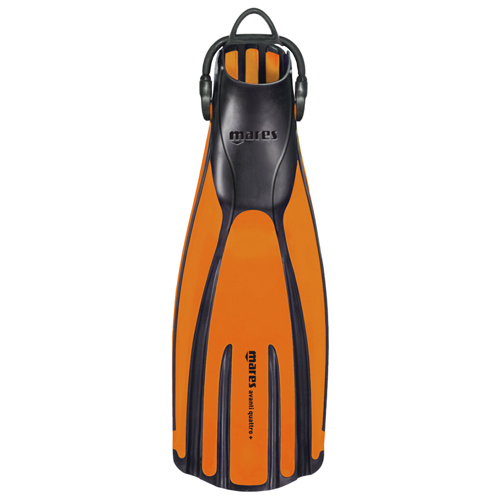
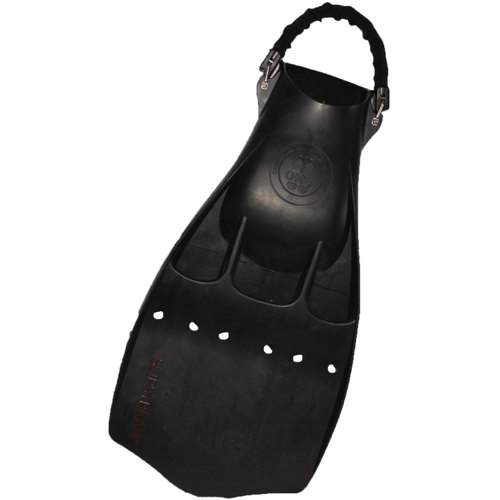
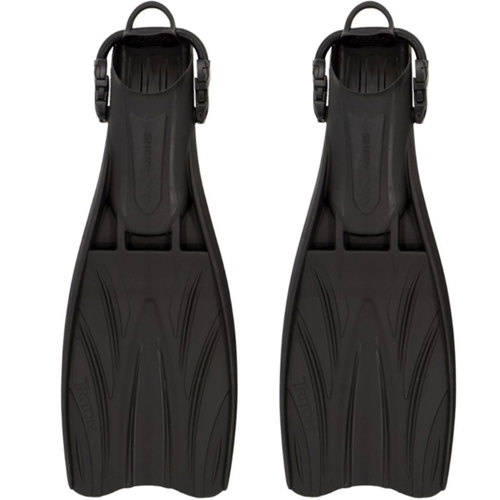
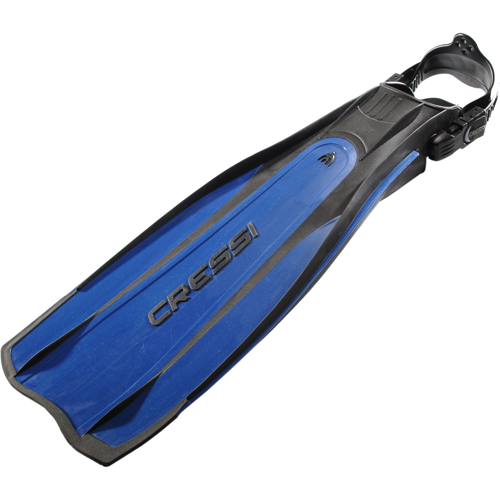
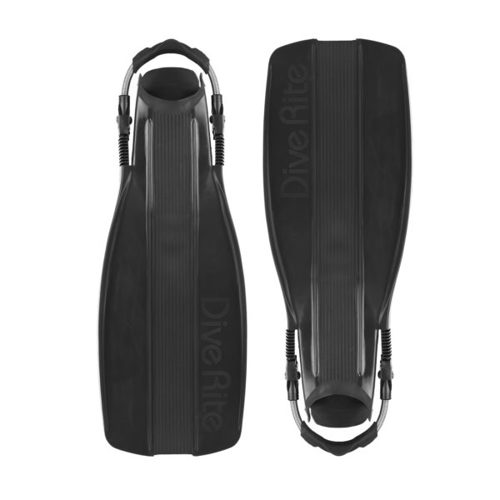
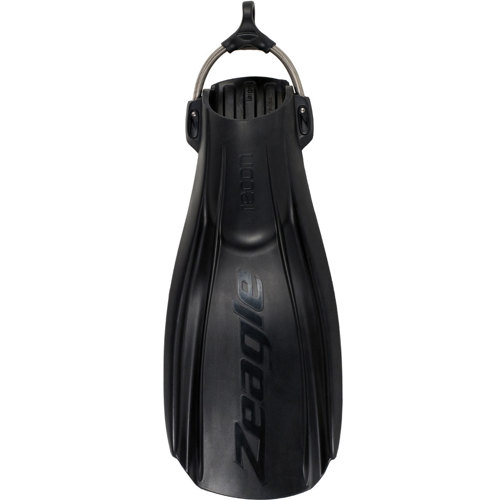
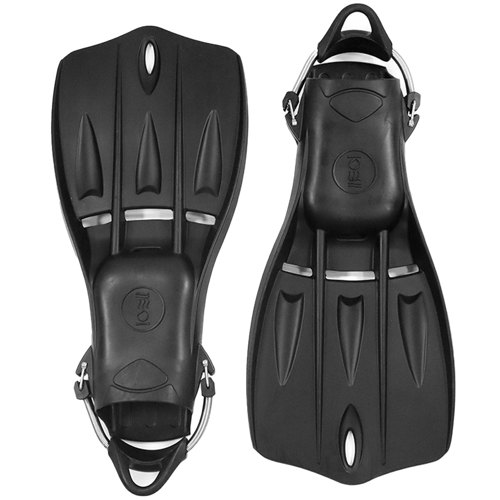
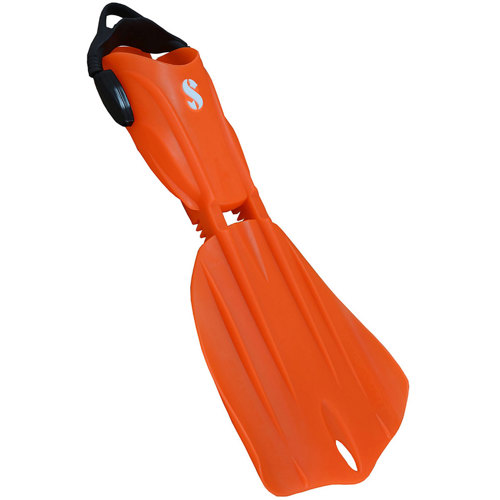
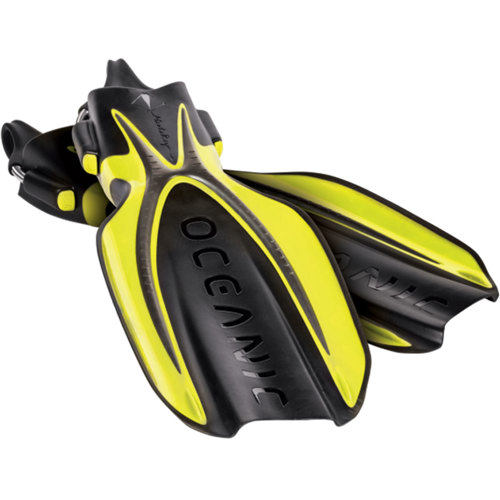
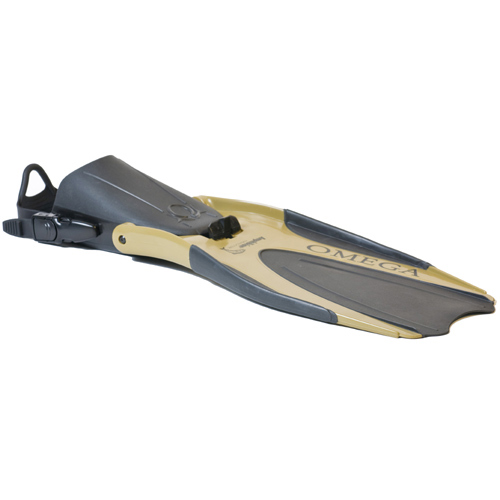
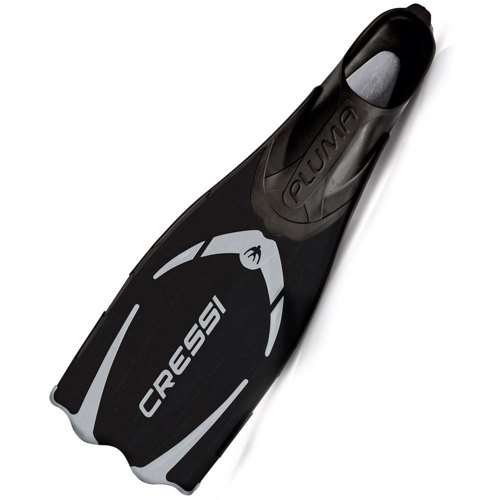
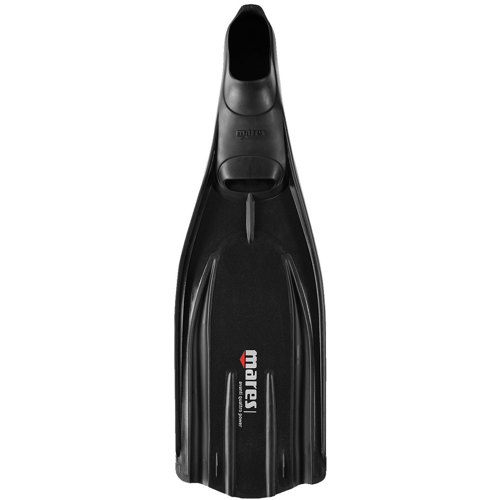
When selecting buoyant fins for scuba diving or snorkeling, understanding the subtle interplay between fin buoyancy and your overall in-water experience can make a remarkable difference. Buoyant fins—whether positively, negatively, or neutrally buoyant—are designed to help divers achieve optimal trim, comfort, and efficiency underwater. For those new to diving or looking to upgrade their gear as spring approaches, the right pair of fins can feel like an extension of your own body, subtly influencing your posture, effort, and enjoyment with every kick. Warm-water divers often favor positively buoyant fins, which provide a gentle lift to the legs, counteracting the tendency for feet to sink when wearing lighter exposure suits. This characteristic is especially appreciated during leisurely tropical drift dives, where maintaining a relaxed, streamlined position lets you glide effortlessly over reefs and sandy bottoms. On the other hand, cold-water enthusiasts—bundled up in thick wetsuits or drysuits—typically reach for negatively buoyant fins. These heavier fins help anchor the legs, counterbalancing the buoyancy of insulation layers and keeping the body horizontal, which is crucial for efficient propulsion and minimizing drag.
The decision between positively and negatively buoyant fins is more than a matter of comfort; it’s about fine-tuning your underwater balance and energy use. If you’ve ever noticed your legs floating too high or sinking despite adjustments to your buoyancy control device, the buoyancy of your fins might be the missing piece of the puzzle. For example, a diver who tends to float feet-up may benefit from the grounding effect of negatively buoyant fins, while someone whose legs tend to drop can restore equilibrium with positively buoyant options. Even experienced divers find that switching fin types can transform their trim and ease of movement, especially when conditions or exposure protection change with the seasons. Snorkelers and freedivers, too, appreciate the subtle support of buoyant fins—many discover that the right pair makes it easier to maintain a relaxed, horizontal glide at the surface. If you’ve ever wondered, “do flippers help you float?” the answer is yes, but the effect depends on their buoyancy and your overall gear setup. Some fins, like aqualine fins, are specifically engineered to balance propulsion with just the right amount of lift, making them a thoughtful gift for a loved one who enjoys exploring the underwater world, whether they’re a seasoned diver or just starting out.
Beyond buoyancy, other factors such as material flexibility, foot pocket design, and blade shape all contribute to the feel and performance of your fins. Spring is a perfect season to review your gear, as water temperatures and conditions start to shift, and travel plans to new dive destinations take shape. If you’re searching for fins that combine buoyancy control with cutting-edge comfort and responsiveness, you may also want to explore options like
Highly Elastic Fins, which offer an extra measure of adaptability for different dive environments. Choosing the right fins is a personal journey—one that often involves trial, error, and a bit of self-discovery as you tune your gear to match your unique style and needs. Whether you’re gifting a new set of fins to a friend embarking on their open water certification or upgrading your own kit for the next adventure, the right buoyant fins can enhance every moment beneath the surface, helping you move with confidence, efficiency, and grace.