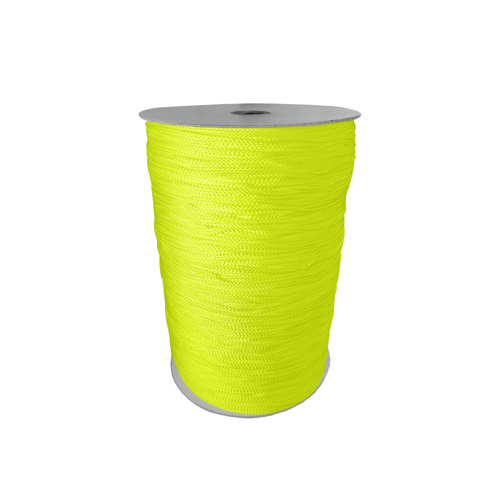
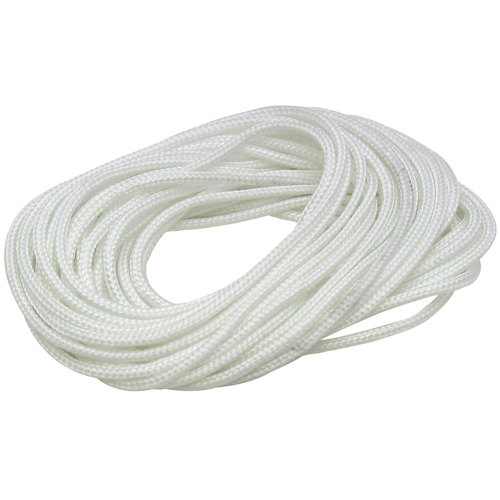
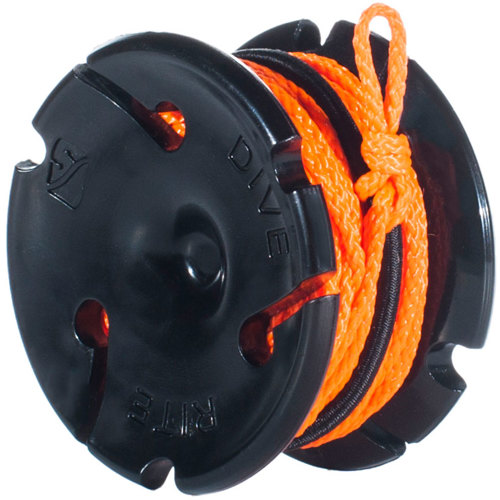
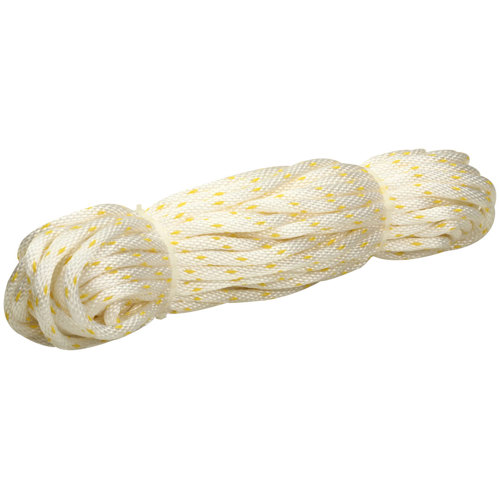
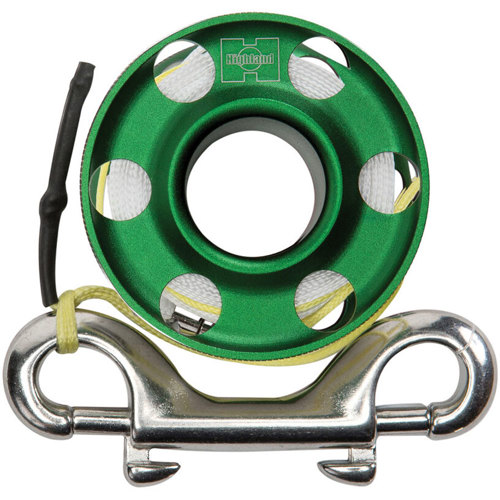
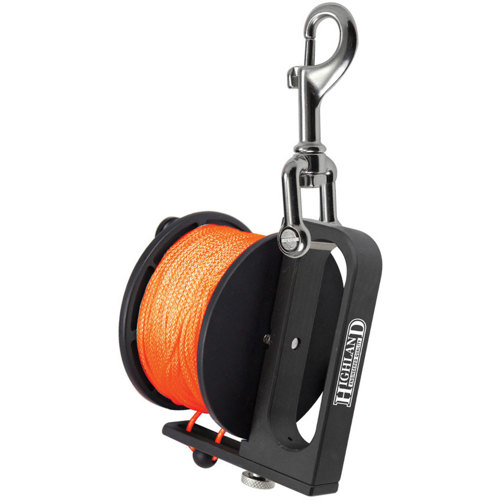
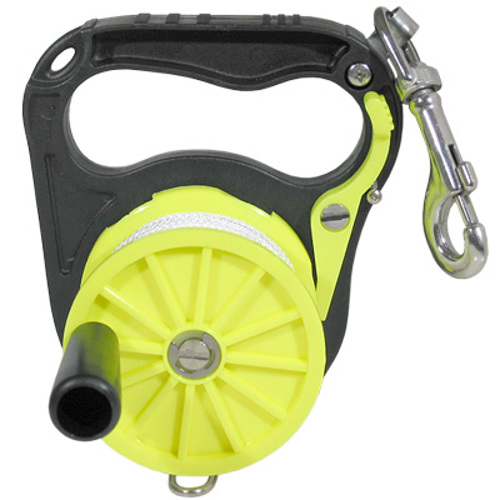
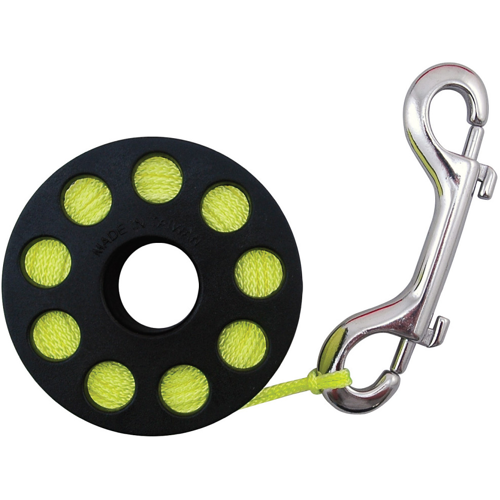
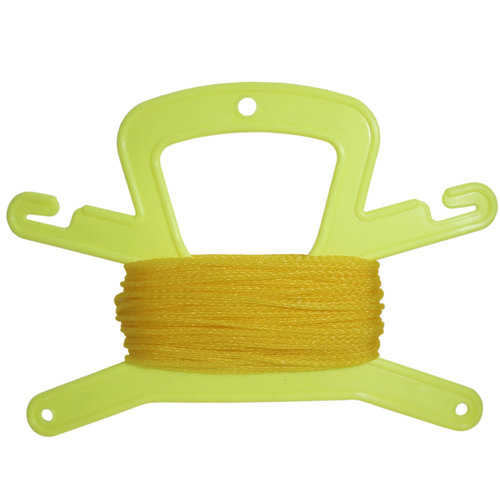
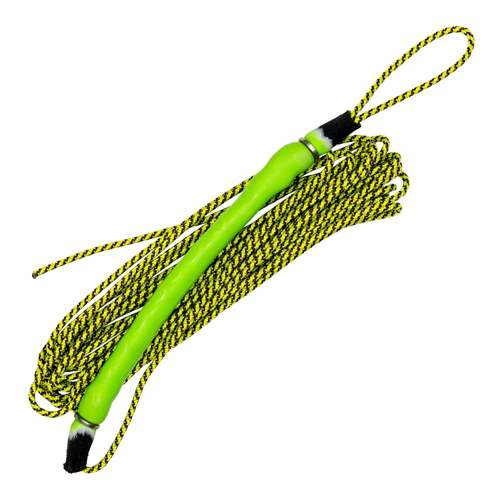
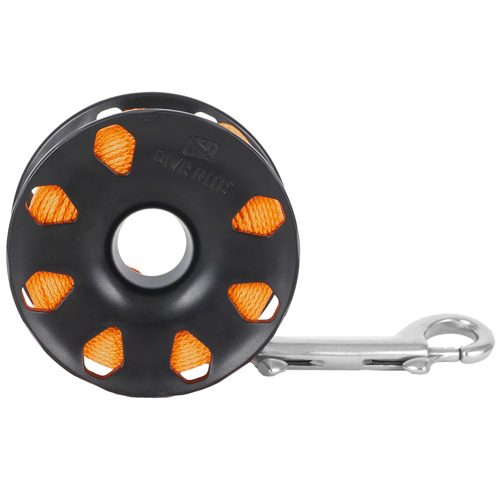
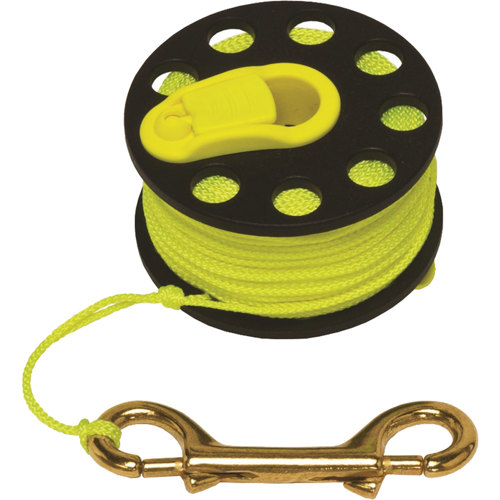
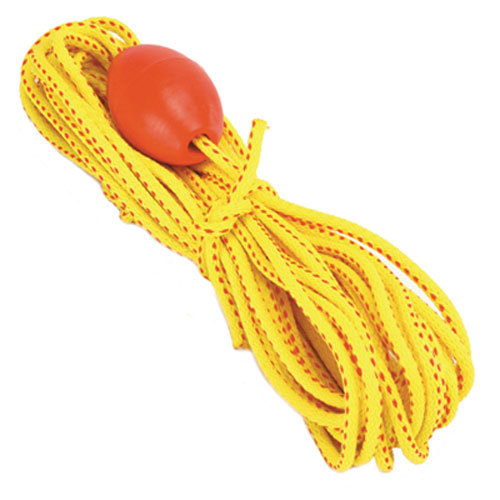
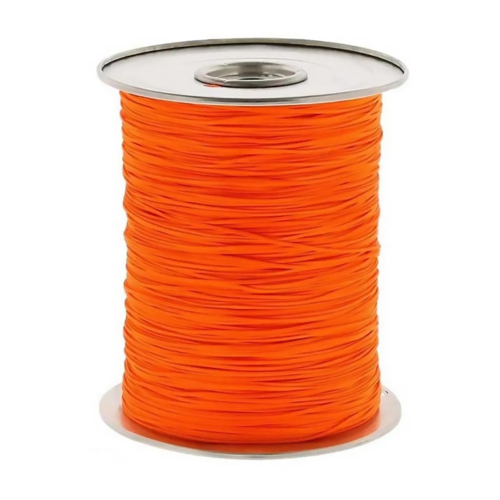
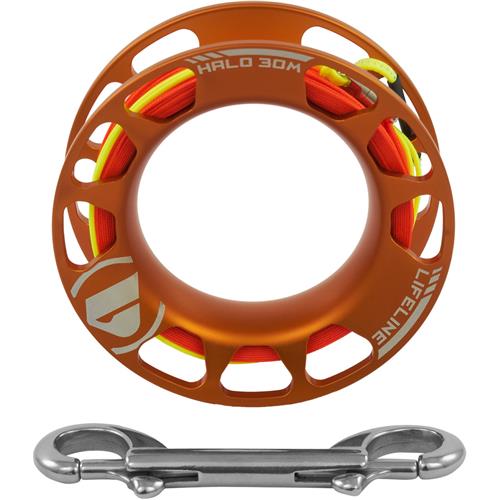
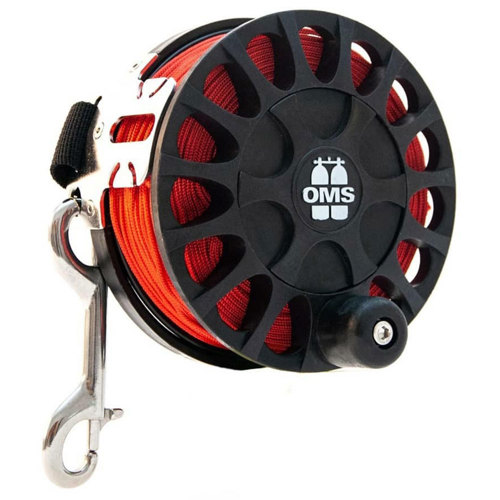
Braided diving lines are an essential piece of equipment for divers of all experience levels, serving a variety of roles both above and below the surface. As the weather warms and more people head to the coast or local lakes, the use of these lines becomes even more prevalent—whether you’re planning a recreational dive during a summer getaway, embarking on a technical cave or wreck exploration, or simply refining your skills with a local dive club. Braided lines, typically crafted from durable nylon or polyester, are the standard choice for guideline reels and finger spools. Their tightly woven construction offers impressive strength and abrasion resistance, crucial for navigating environments where sharp rocks, coral, or wreckage might otherwise compromise your safety line. Polyester lines, in particular, are favored for their ability to retain full strength when wet and their resistance to UV rays and oil, making them especially reliable for extended use in saltwater and sun-drenched conditions. Nylon, on the other hand, offers a slight stretch that makes tying off or securing the line easier, though it does experience a minor reduction in strength when submerged. Both materials are designed to withstand the rigors of repeated dives, and their vivid color options ensure high visibility against the muted tones of the underwater world—an important feature when deploying a Surface Marker Buoy (SMB) or marking a safe route through a silty passage.
For divers who regularly participate in drift dives, search and recovery, or advanced technical dives, a quality braided line is indispensable. It’s not just about safety; it’s about confidence and efficiency underwater. Cave and wreck divers, for example, rely on these lines to maintain orientation and ensure a safe return path, while recreational divers might use them to secure gear, mark entry and exit points, or deploy SMBs during ascent. The flexibility and lightweight nature of braided lines make them easy to handle, pack, and deploy—even with gloved hands in cooler waters. The smooth, consistent texture of a well-made braided line minimizes snagging and tangling, which is particularly valuable when time and precision are critical. For those who travel, the compactness of a finger spool loaded with braided line is a welcome addition to any save-a-dive kit, occupying minimal space in a gear bag but offering maximum utility. Gifting a set of braided diving lines or a new spool is a thoughtful gesture for the diver in your life—perfect for birthdays, graduations, or as a practical surprise ahead of a summer dive trip. Whether you’re shopping for a beginner eager to practice navigation skills or an experienced diver building a kit for more ambitious underwater adventures, the versatility and dependability of braided diving lines make them a smart investment.
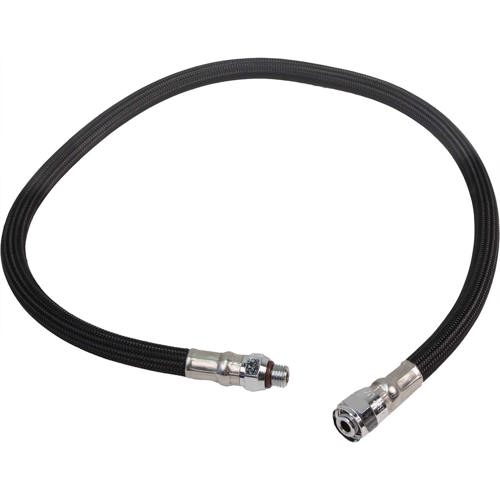
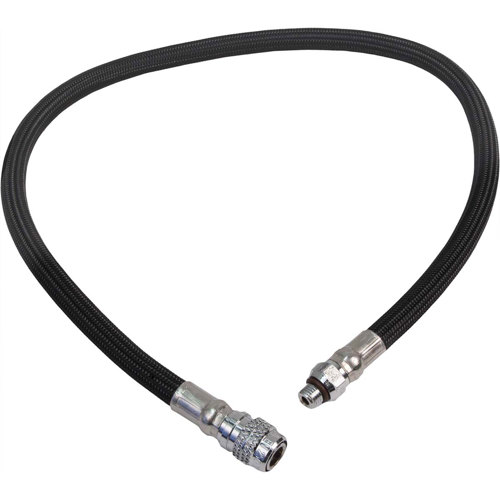
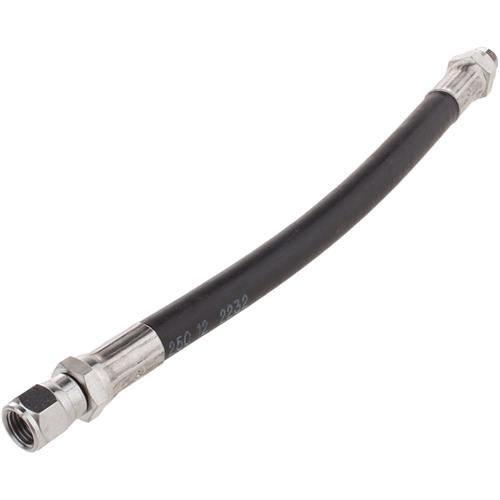
When selecting a braided diving line, consider the intended application and the environment in which it will be used. Length, thickness, and material all play a role in performance: longer lines are ideal for technical dives or when greater distance must be covered, while shorter, more compact spools suit recreational or travel needs. The buoyancy of some braided lines can be a factor—especially with longer hoses or lines, which may float upward if not properly secured—so it’s wise to match your choice to your specific diving style and conditions. For those interested in upgrading other aspects of their gear, braided technology also extends to regulator hoses, offering similar benefits of flexibility, reduced weight, and resistance to kinking. If you’re exploring options for both guideline reels and regulator hoses, you can find more information and recommendations on our dedicated
Braided Diving Hoses page. No matter your level of experience or the type of diving you enjoy, investing in quality braided lines enhances safety, convenience, and enjoyment—ensuring that every dive, from summer through early fall and beyond, is supported by gear you can trust.