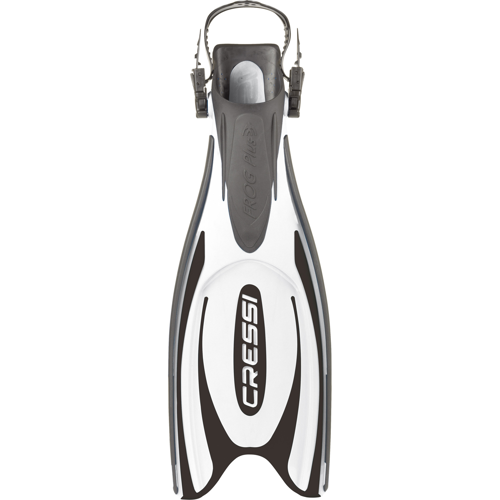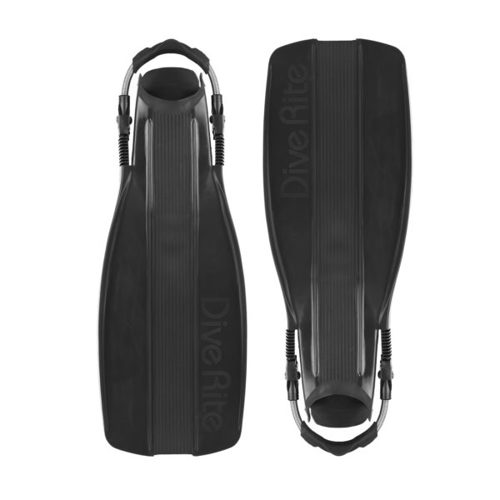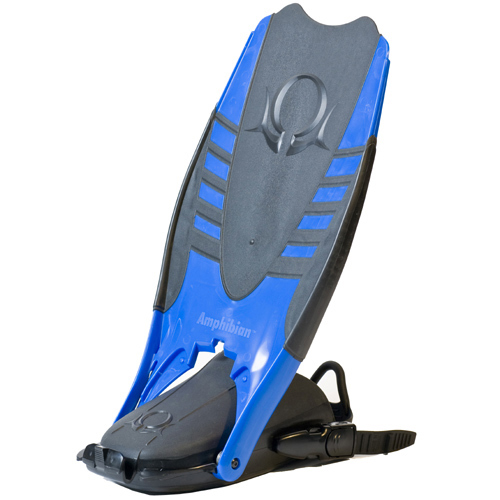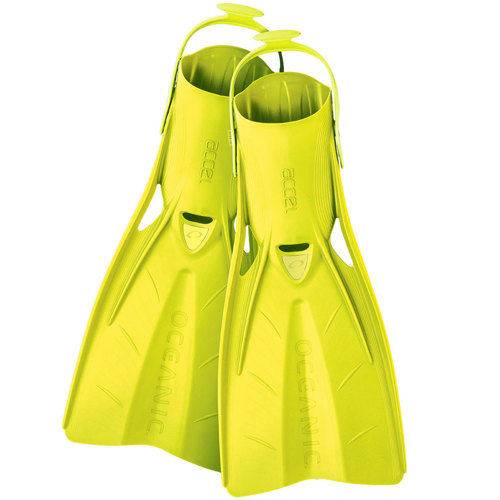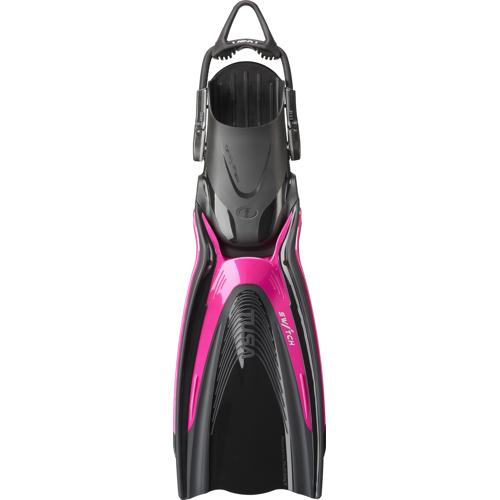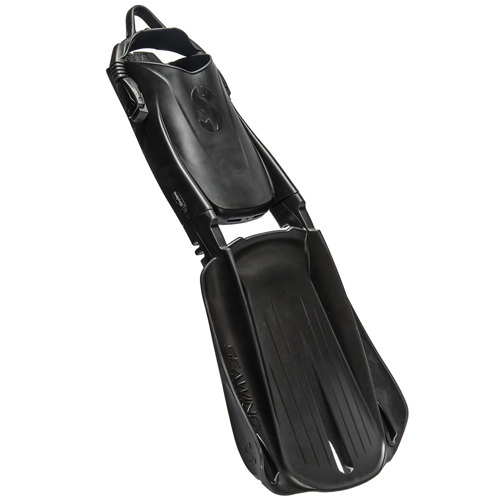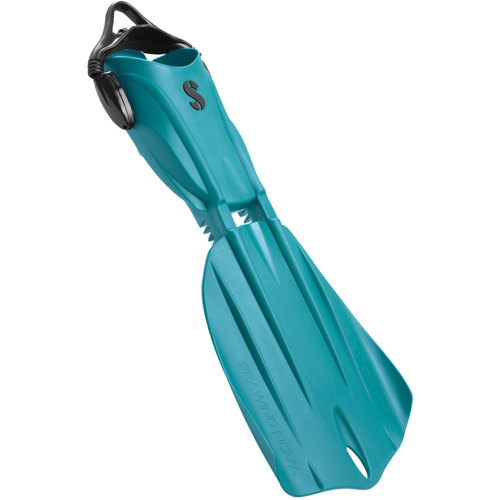
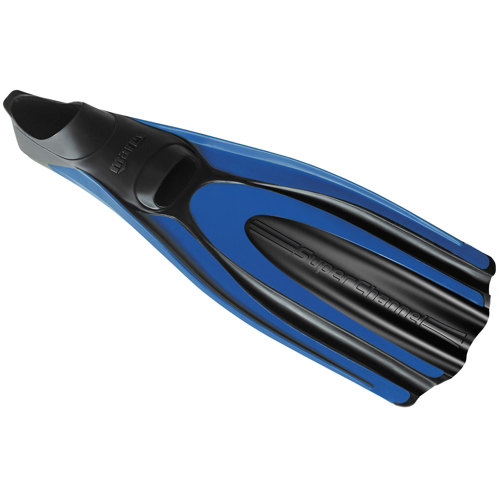
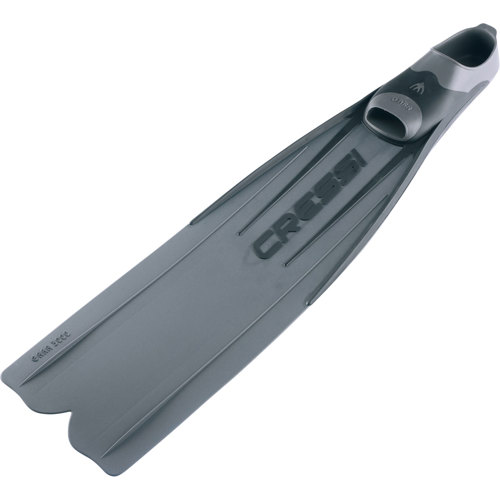
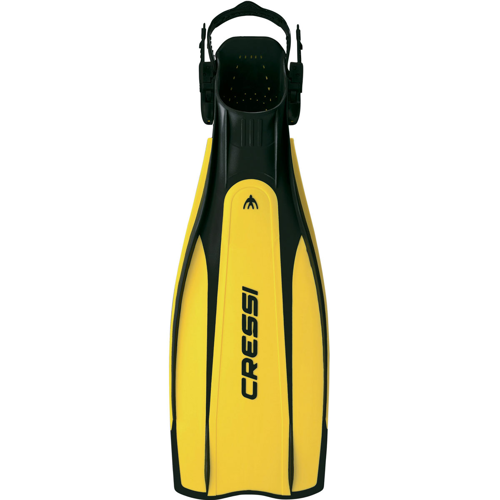
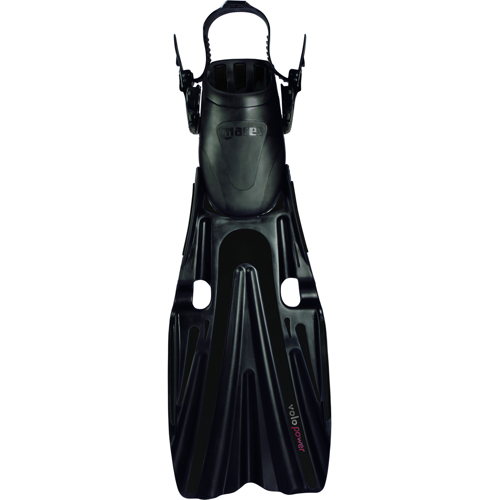
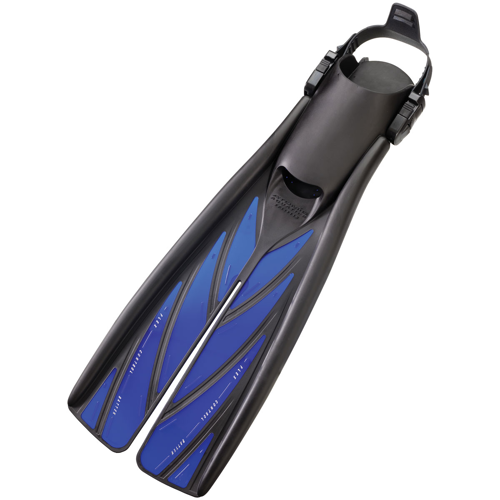
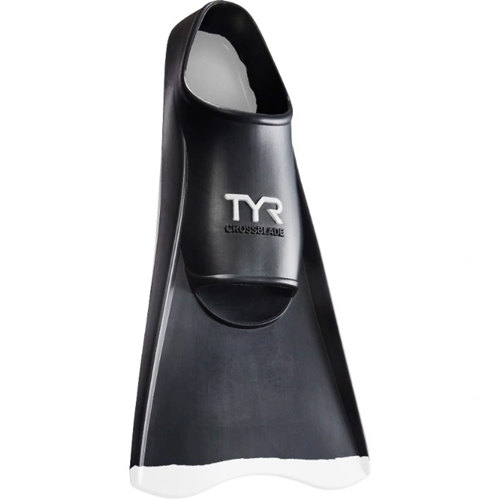
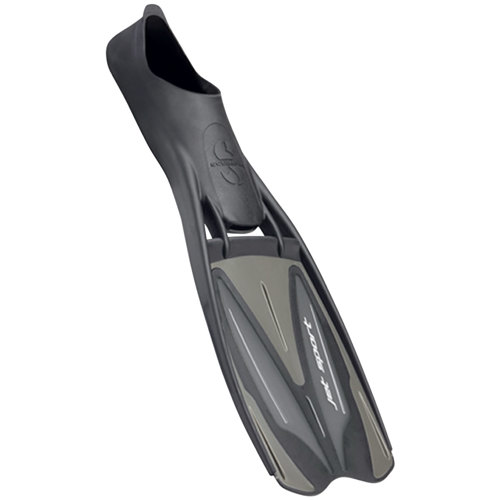
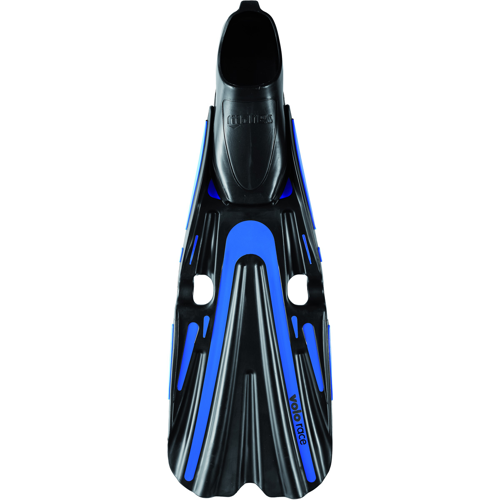
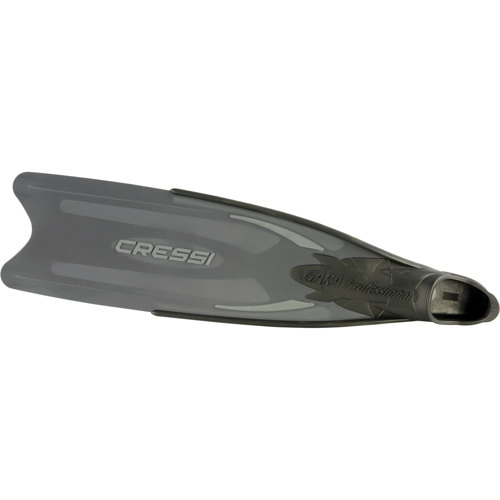
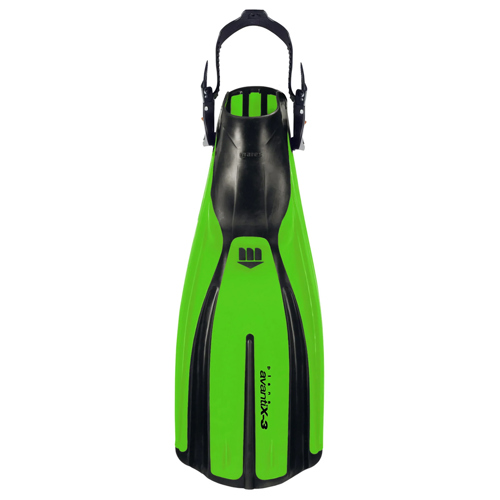
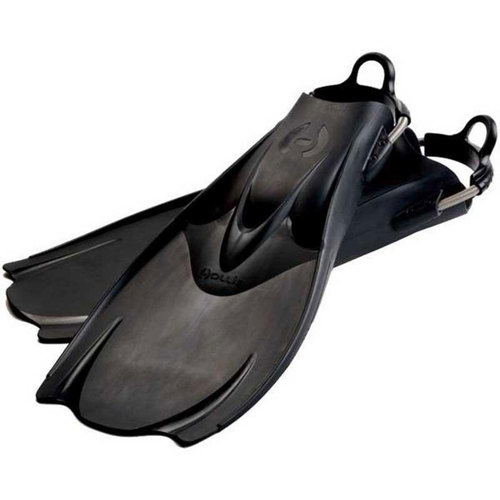
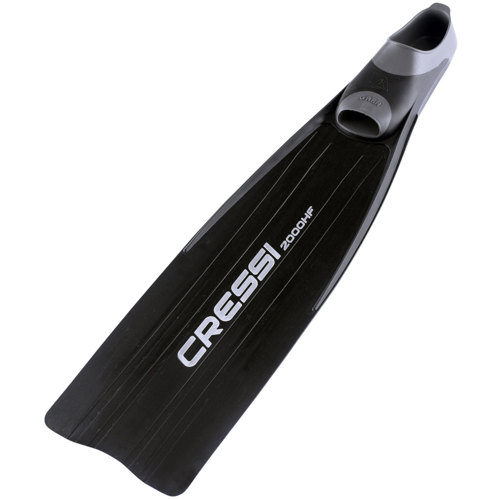
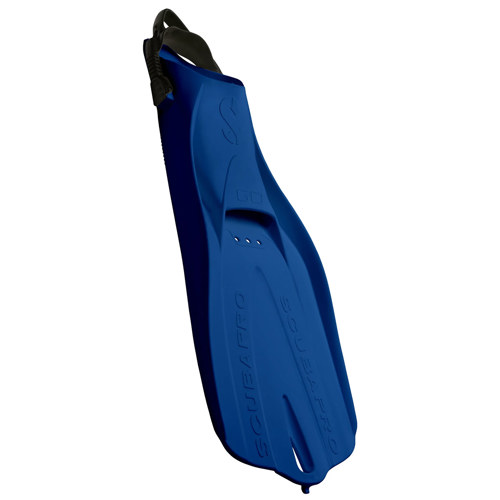
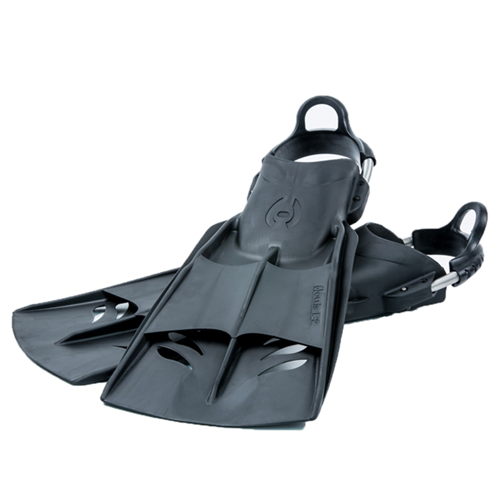
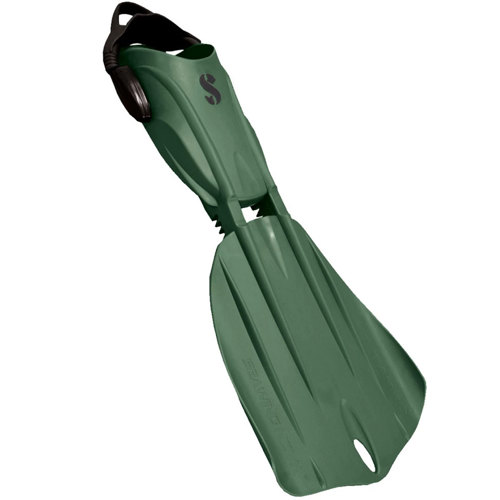
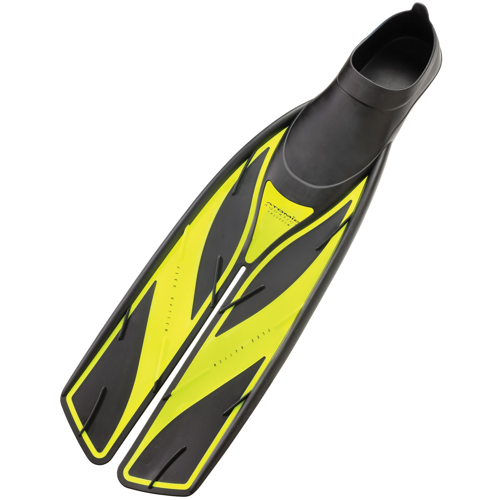
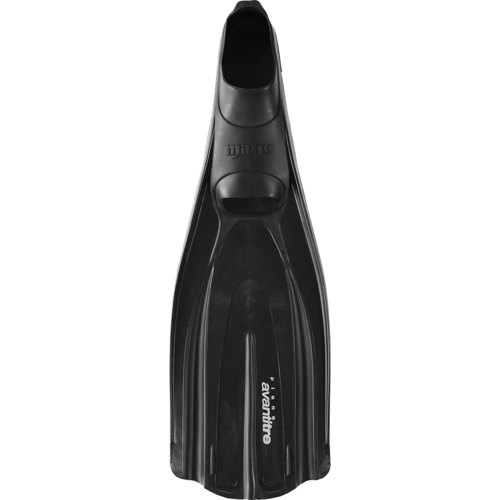
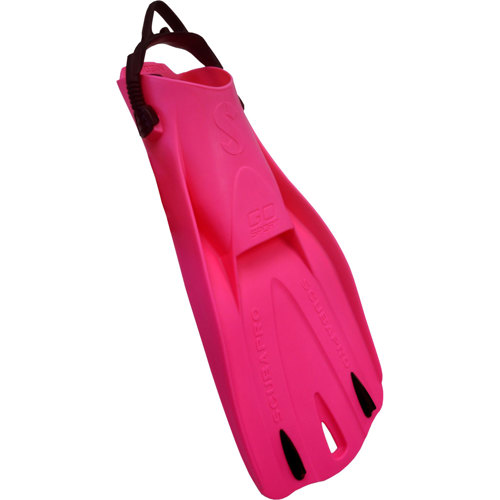
Blade design fins have long been a cornerstone of underwater propulsion, recognized for their solid, single-blade construction that delivers uncompromising thrust and control. As the weather warms and more divers, snorkelers, and swimmers head to the water, these fins become an essential piece of gear for anyone seeking both power and precision beneath the surface. Unlike split fins, blade fins rely on a traditional design: a rigid or semi-rigid paddle that moves water efficiently with each kick. This classic approach is favored by those who need to maneuver through strong currents, carry heavier gear, or execute advanced finning techniques like the frog kick or helicopter turn. Whether you’re exploring a vibrant coral reef, gliding over a shipwreck, or simply building endurance in the pool, the right blade fin can make a noticeable difference in your experience. The variety within blade design fins is broad, encompassing shorter, wider models with reinforced rails for scuba diving, ultra-long and narrow options for freediving, and compact training fins for lap swimmers. Each style is tailored to the unique demands of its activity, from maximizing oxygen conservation during deep freedives to providing the torque necessary for precise movements in technical scuba diving.
Selecting the best blade design fin involves considering not only your primary activity but also your physical conditioning and the environments you frequent. Scuba divers who often find themselves navigating surge, heavy currents, or diving with a full kit will appreciate the raw power and durability that blade fins provide. These fins can handle the demands of carrying additional equipment and allow for quick, controlled adjustments in position—a feature especially valued by underwater photographers and instructors who need to maintain stability. Freedivers, on the other hand, benefit from the extended length and lightweight construction of specialized blade fins, often crafted from carbon fiber or fiberglass, which help them cover greater distances with minimal effort and conserve precious energy on a single breath. For swimmers and triathletes, short-blade training fins are a staple in building leg strength and refining kick technique, offering enough resistance to challenge the muscles without compromising form. It’s worth noting that blade fins require a bit more leg strength and ankle flexibility compared to their split-fin counterparts, and those new to the design may experience fatigue until they adapt. However, with regular use, many find the increase in power and responsiveness well worth the initial adjustment.
Blade design fins also make thoughtful gifts for water sports enthusiasts, especially as the diving and swimming season stretches from early summer into fall. They’re an ideal present for certified divers looking to upgrade their gear, aspiring freedivers eager to push their limits, or swimmers training for their next competition. The durability and reliability of blade fins mean they’re built to last, often becoming a trusted companion on countless adventures. For those seeking even more specialized options, exploring the range of
Blade Thrust Fins can provide further insight into models optimized for maximum propulsion and efficiency. Ultimately, the right blade fin is one that complements your style, matches your skill level, and supports your underwater goals—ensuring every kick propels you closer to the next unforgettable moment beneath the waves.