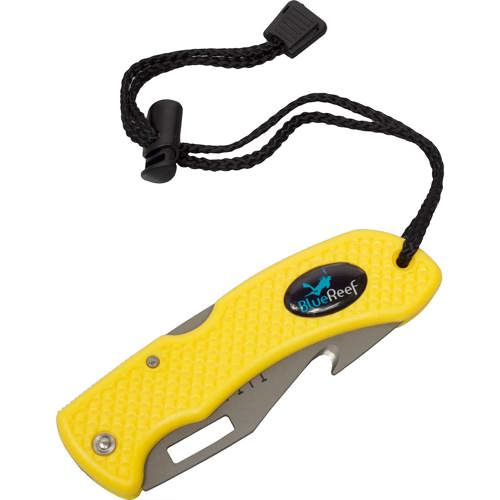
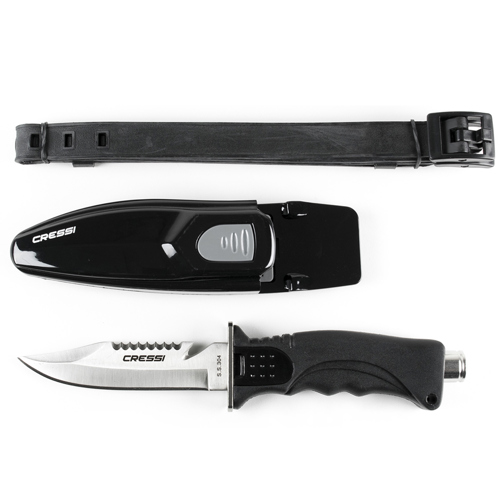
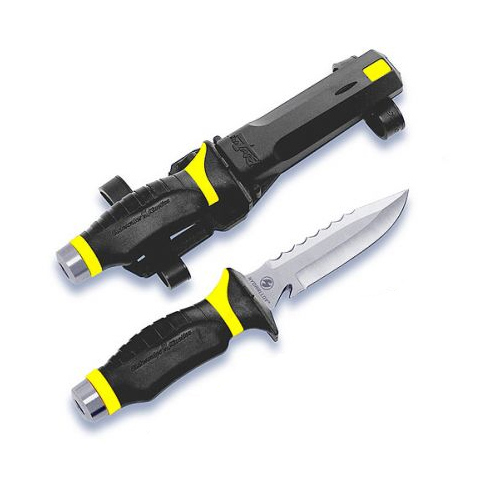
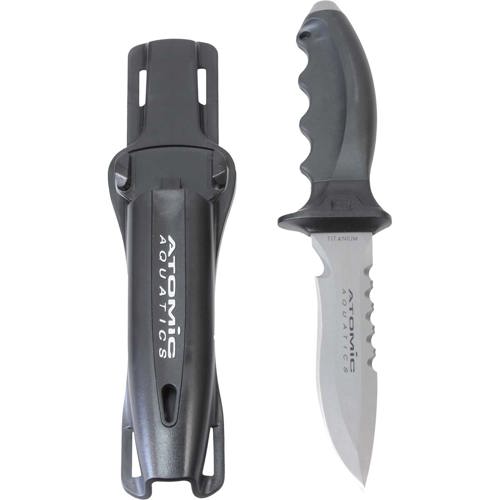
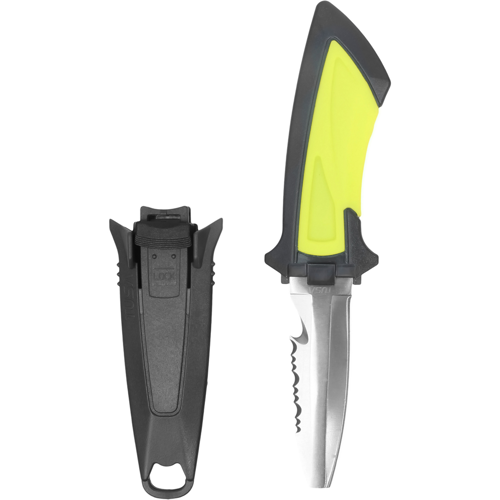
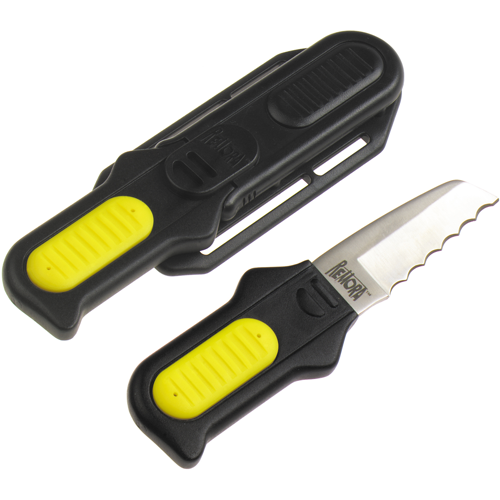
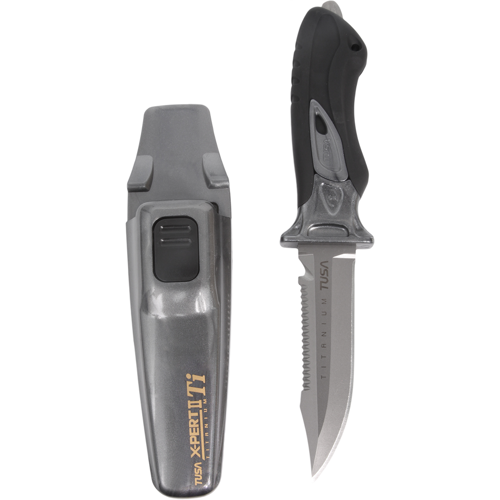
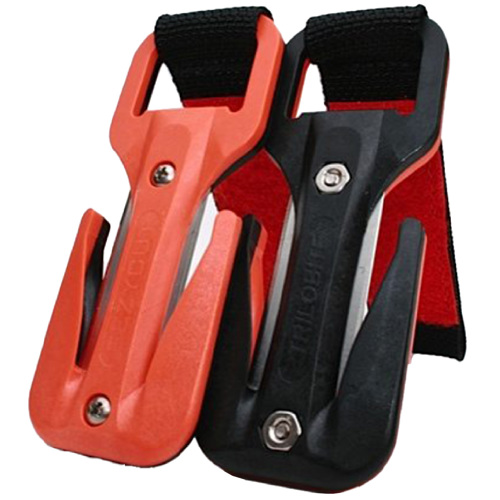
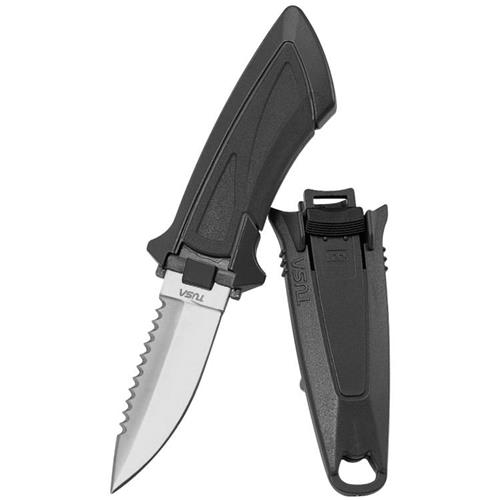
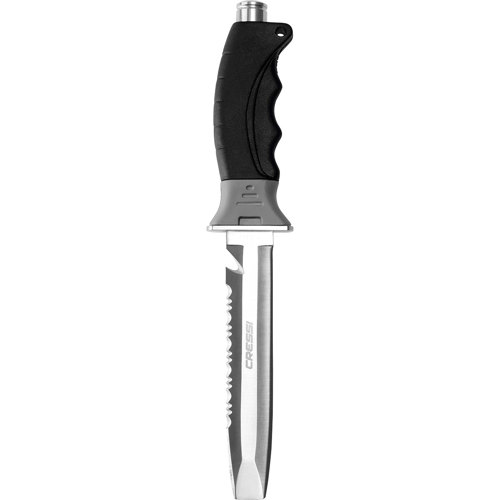
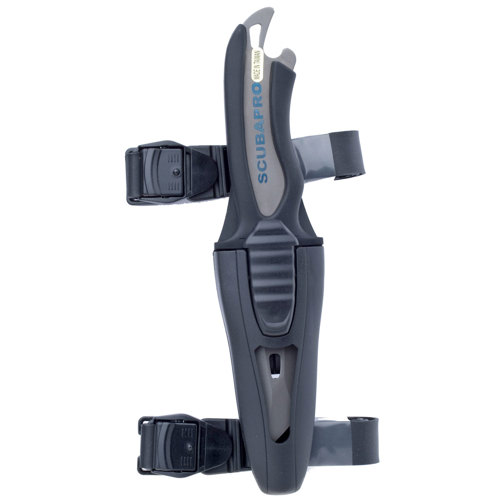
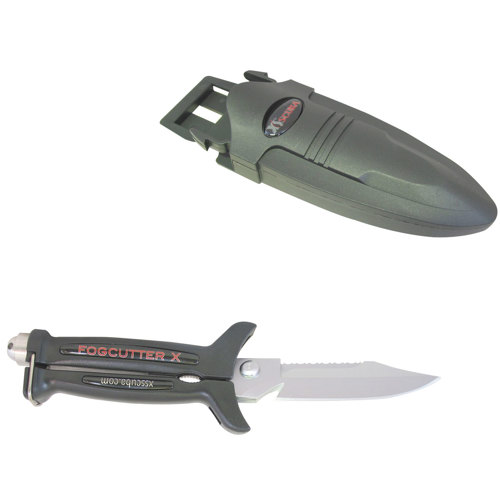
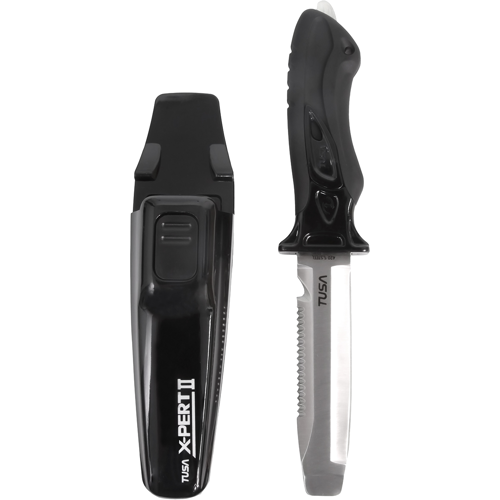
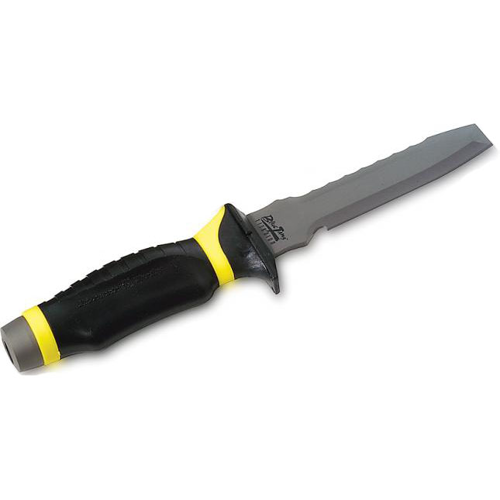
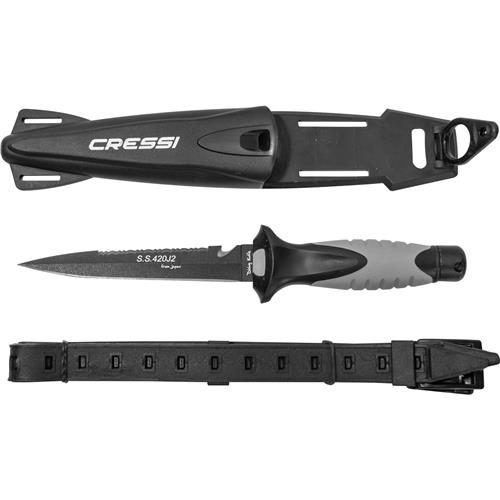
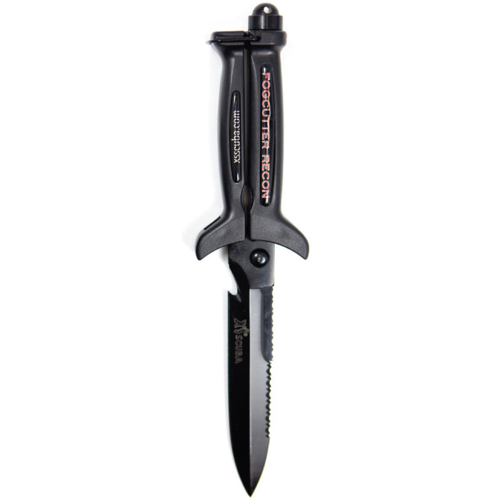
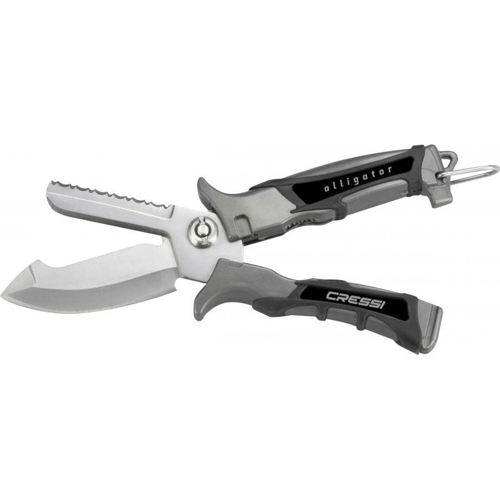
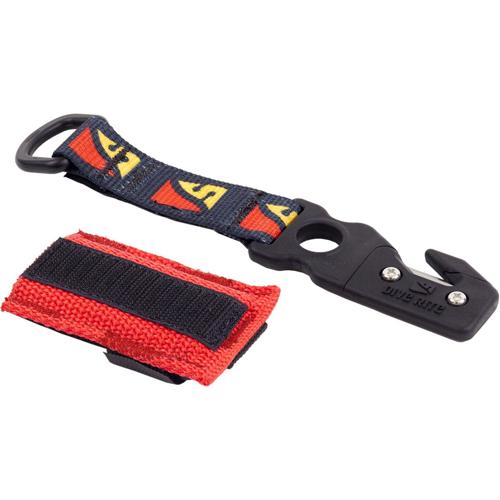
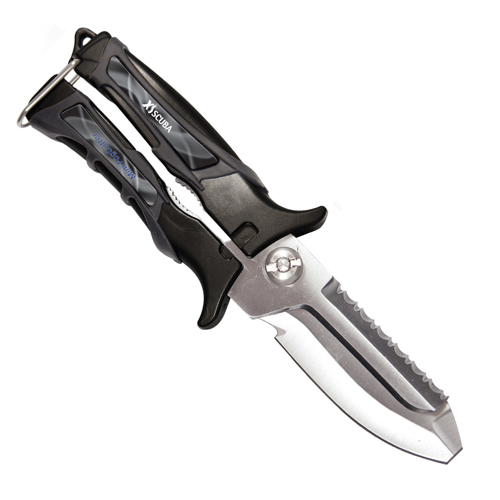
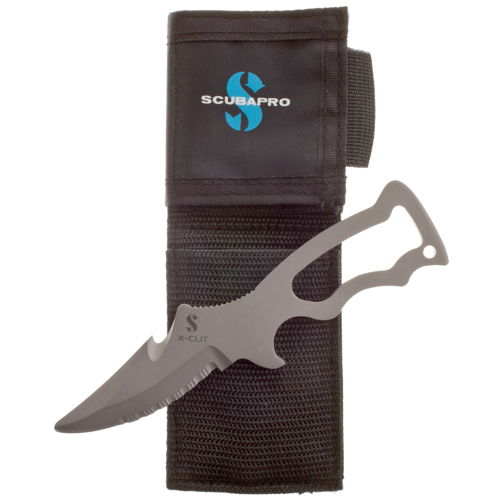
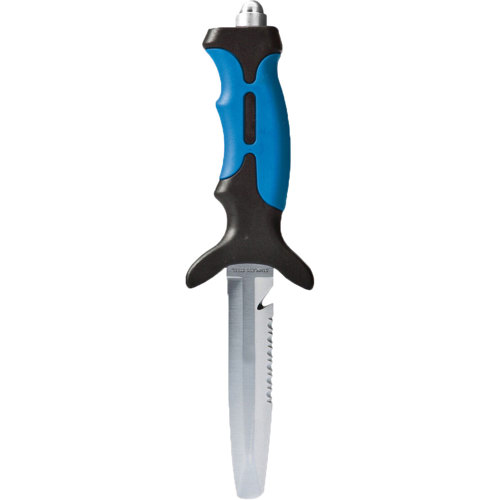
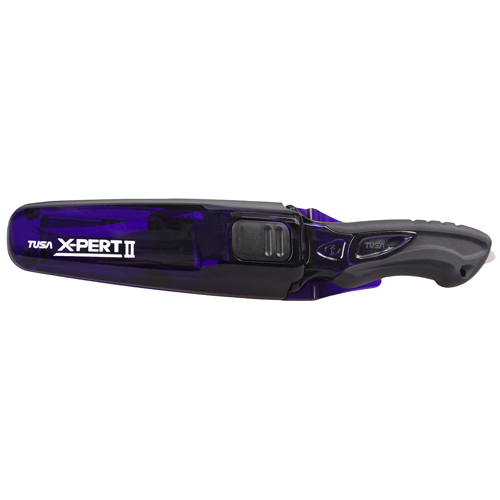
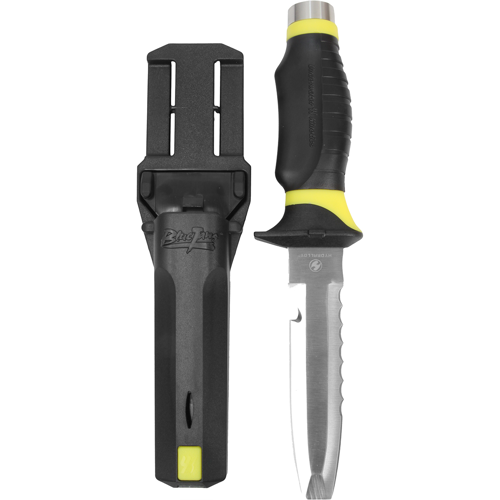
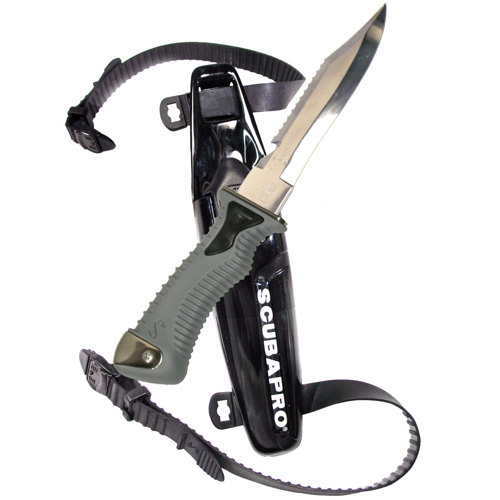
Backup diving knives are an essential addition to any diver’s kit, offering peace of mind and practical utility in a compact, streamlined form. Unlike primary dive knives, backups are designed for unobtrusive carry and quick access, often featuring shorter blades—typically between two to four inches—and lightweight, corrosion-resistant materials such as titanium or marine-grade stainless steel. Their compact size and specialized sheaths allow for versatile mounting options: strapped to your BCD, clipped onto a hose, or secured on a leg or shoulder strap. This versatility ensures that, regardless of your configuration or diving style, your backup knife remains within easy reach for either hand—a critical consideration when every second counts in a potential entanglement scenario. As spring gives way to the busy summer diving season, more divers are gearing up for travel and adventure, making now an ideal time to review and update your safety equipment. Whether exploring kelp forests, wrecks, or open water, the right backup knife provides a reliable solution for cutting through monofilament line, netting, or stubborn kelp, and can even serve as a signaling tool in emergencies.
Selecting a backup diving knife involves balancing blade material, tip style, and mounting preferences to suit your personal needs and environments. Titanium blades are prized for their rustproof qualities and feather-light weight, making them a favorite among frequent travelers and saltwater divers. Stainless steel, particularly grades like 304 or 420, offers a robust, cost-effective alternative with excellent edge retention—though it requires a bit more diligence in rinsing and care. When it comes to blade tips, blunt ends are generally preferred for backup knives, as they minimize the risk of accidentally puncturing your BCD or drysuit during use or re-sheathing. However, some divers opt for pointed or tanto tips for added versatility in prying or piercing tasks. Mounting location is another key factor; many divers position their backup knife on the inside of the calf or along the BCD shoulder strap, ensuring it can be accessed with either hand if needed. For technical divers or those venturing into overhead environments, a backup knife is not just a convenience but a critical safety tool—one that complements more specialized cutting devices found in configurations like those on our
Tech Diving Knives page.
Backup diving knives also make thoughtful gifts for both new and seasoned divers. For a beginner, receiving a backup knife can be a rite of passage—a gesture that reinforces the importance of self-sufficiency and preparedness underwater. More experienced divers appreciate the subtle design upgrades that have emerged in recent years: low-profile sheaths with positive locking mechanisms, ergonomic handles that fit comfortably in gloved hands, and blades engineered to slice efficiently through fishing line, rope, or webbing with minimal effort. Instructors, divemasters, and rescue divers often carry multiple cutting tools, relying on their backup knife as a failsafe should their primary tool become inaccessible or lost. The start of the summer dive season brings with it a renewed focus on safety, making now a perfect time to ensure your kit is complete and your gear is up to the task. Whether you’re gifting a backup knife to a dive buddy or upgrading your own equipment, the right choice is one that fits seamlessly into your routine, stands up to the rigors of repeated use, and is ready to perform when it matters most.