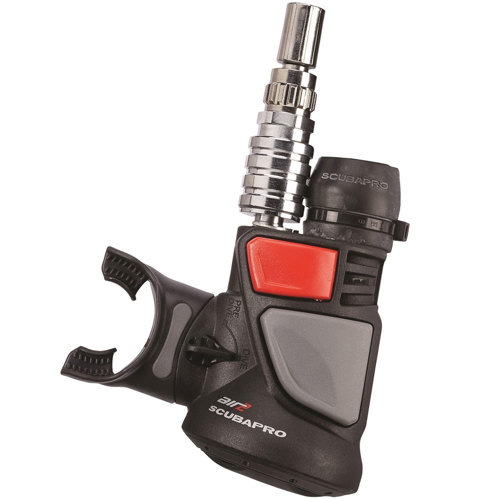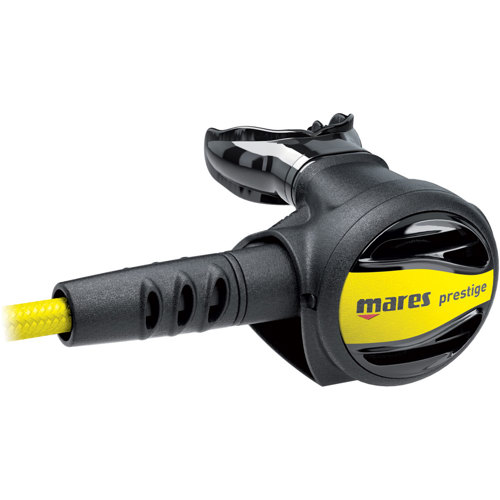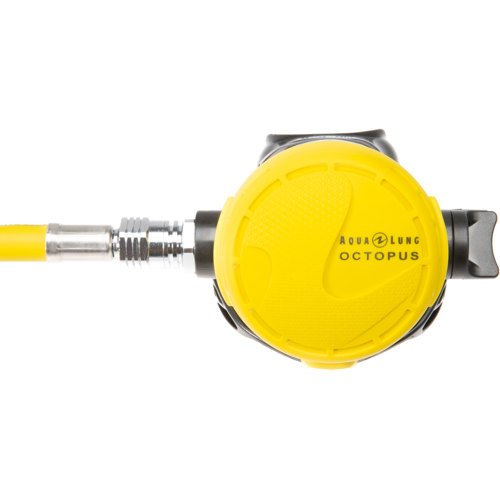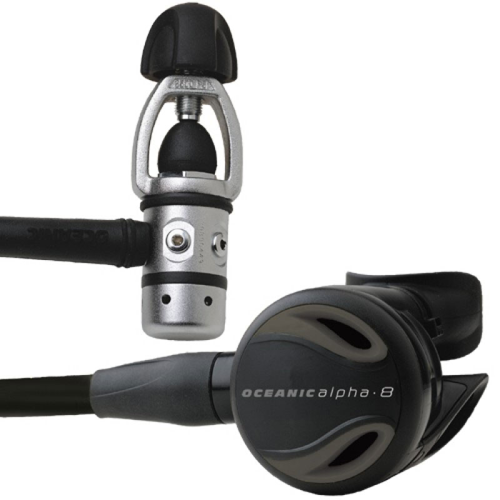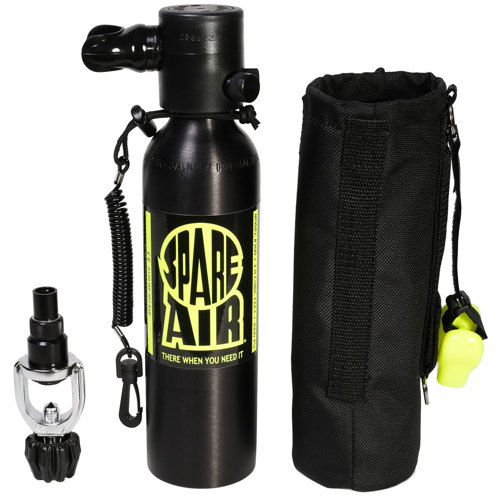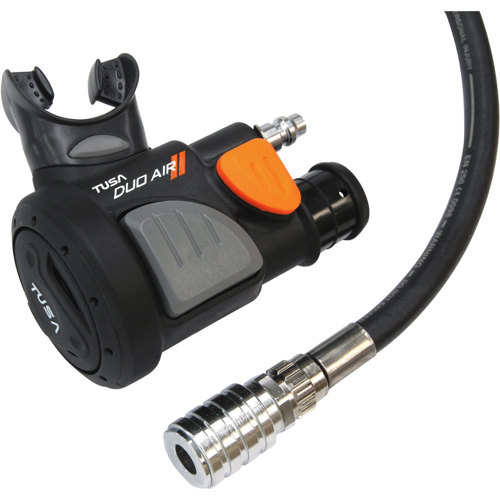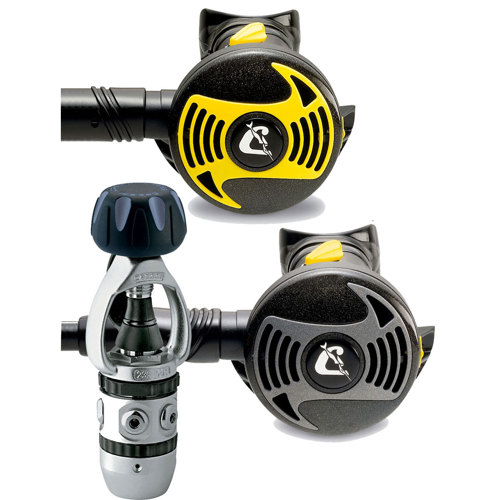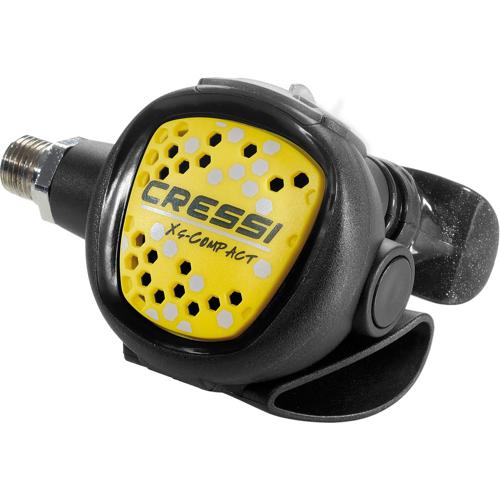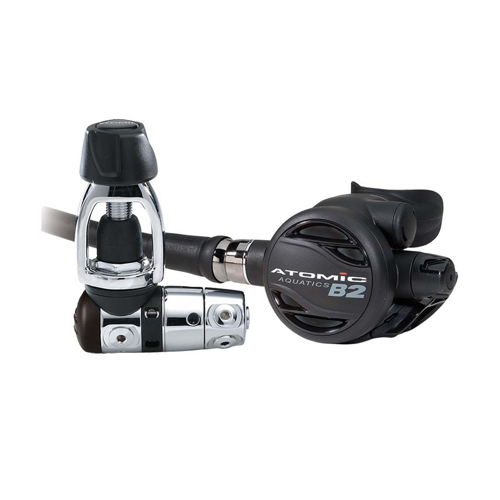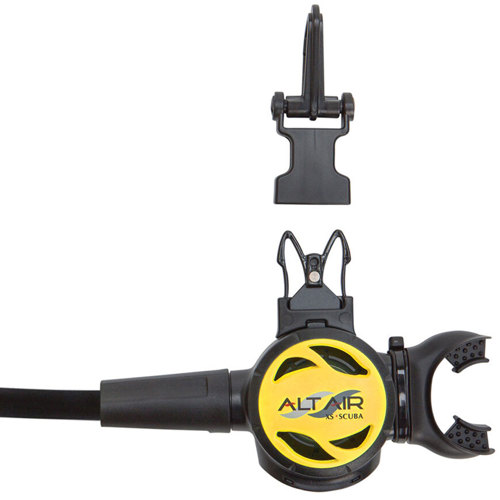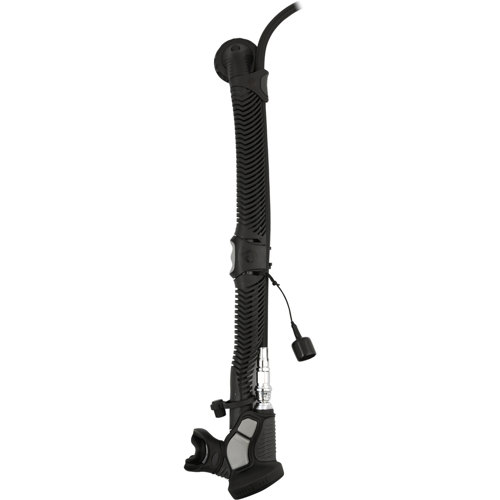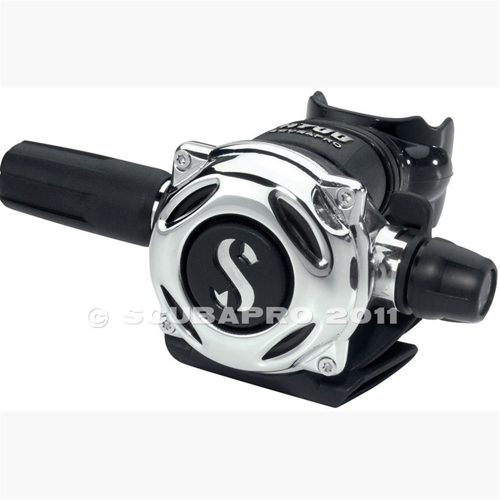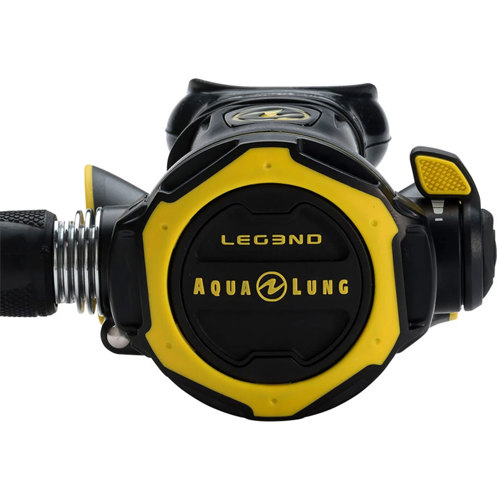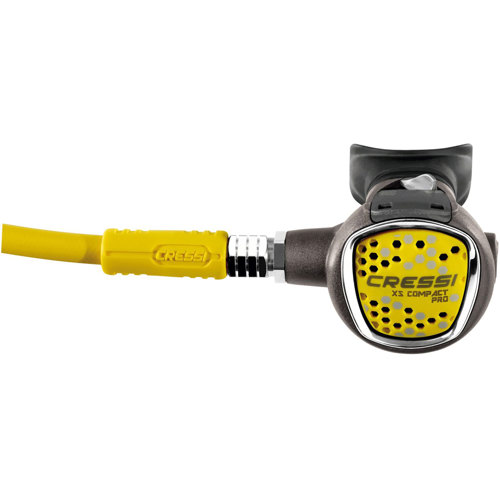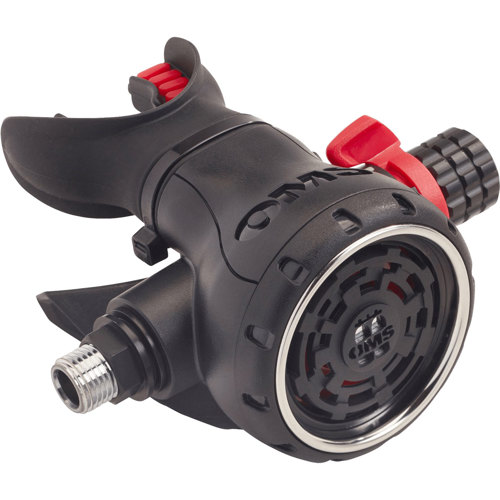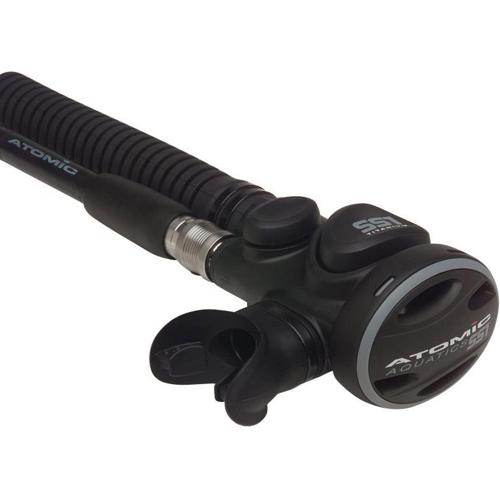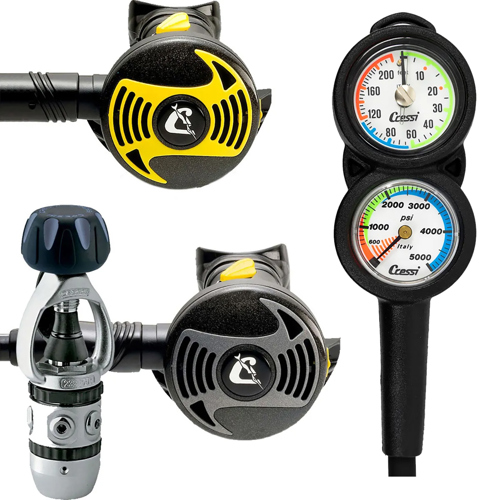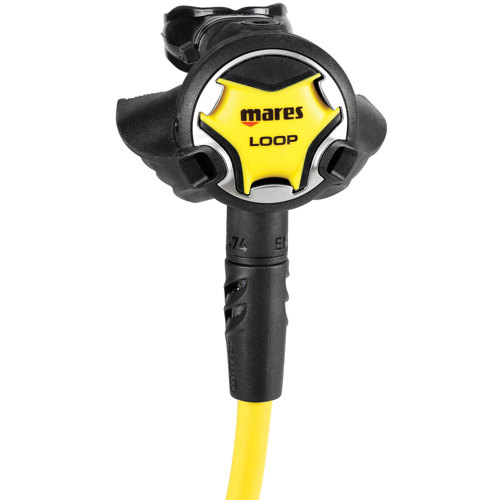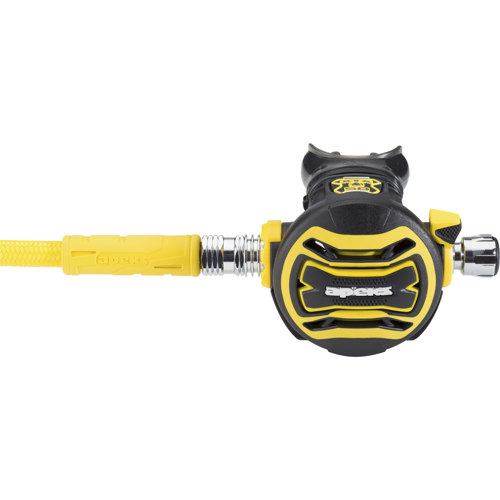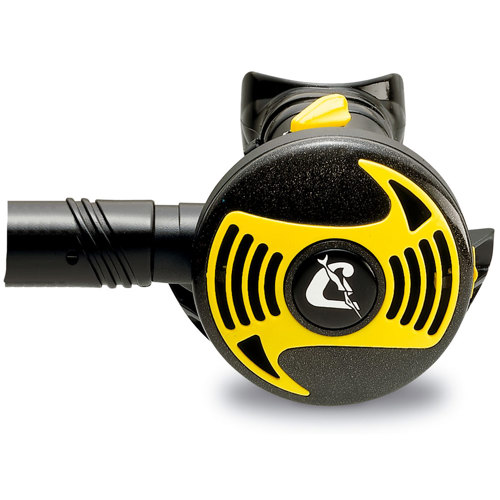
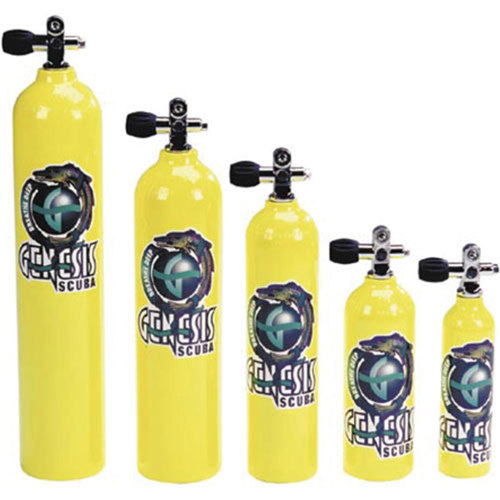
In the world of scuba diving, preparation and safety are paramount, and that’s why backup breathers are considered an essential part of every diver’s equipment setup. Whether you’re exploring vibrant coral reefs in tropical waters or navigating the chillier currents of late autumn, a reliable backup air source can make all the difference between a routine dive and a potentially life-saving intervention. Backup breathers typically come in two main forms: the classic “octopus” regulator—a color-coded, often yellow, secondary second-stage regulator attached to your primary setup—and compact, self-contained emergency air supplies like pony bottles or mini air cylinders. Both serve the crucial function of providing immediate access to breathable air in the event of a primary system failure or an out-of-air situation, allowing divers to ascend slowly and safely. For experienced divers, technical divers, and instructors, having a backup breather is second nature, but newer divers or those returning to the sport after a break should give careful thought to selecting the right option for their needs. When shopping for backup breathers, factors such as ease of use, mouthpiece comfort, hose length, visibility, and compatibility with existing gear all come into play. In colder waters, or during the transition months like November when temperatures drop and gear may be bulkier, choosing a backup breather with cold-water performance features can be especially important.
Backup breathers aren’t just practical—they also make thoughtful gifts for divers at any skill level. For the dive buddy who seems to have everything, or a family member gearing up for a big trip, a backup breather is a meaningful way to show you care about their safety and enjoyment underwater. These devices are also appreciated by dive professionals who guide groups or teach certification classes, as they’re often called upon to assist others in the water. Even seasoned divers who have logged hundreds of hours below the surface know that conditions can change in an instant, and having a reliable backup air source is an investment in peace of mind. Many divers recall stories of sharing air with a buddy, or encountering unexpected equipment issues far from the boat or shore; in those moments, the presence of a backup breather transforms what could be a stressful situation into a manageable one. For anyone considering a new addition to their gear bag, it’s worth exploring options that balance portability with performance, and that integrate smoothly with the rest of your setup. If you’re interested in regulators specifically designed for ease of breathing, you might want to check out our curated list of
Easy Breathe Regulators for more inspiration.
Beyond recreational diving, backup breathers also play a crucial role in technical and industrial settings. In underwater construction, scientific research, or public safety diving, the need for redundant air sources is even more pronounced. These environments often involve deeper depths, overhead environments, or extended bottom times, making robust backup systems non-negotiable. Similarly, in surface-supplied air systems or high-pressure industrial applications, specialized breathers and air filtration devices are employed to protect both personnel and sensitive equipment from contaminants, moisture, and unexpected supply interruptions. While the focus here is on diving, it’s worth recognizing the broader importance of backup breathing solutions across multiple fields. Whether you’re a weekend explorer, a professional diver, or someone shopping for the perfect gift as the holiday season approaches, investing in a quality backup breather is a commitment to safety, confidence, and the freedom to enjoy every underwater adventure to the fullest.