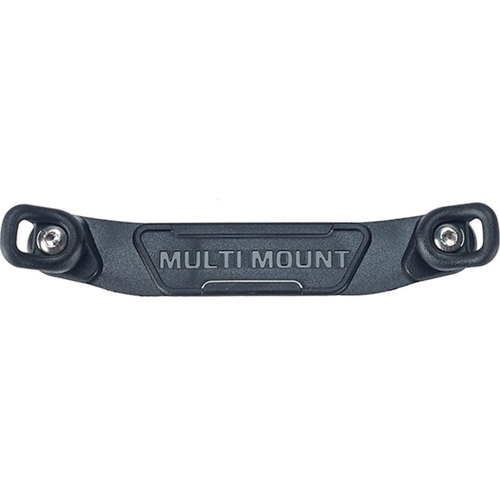
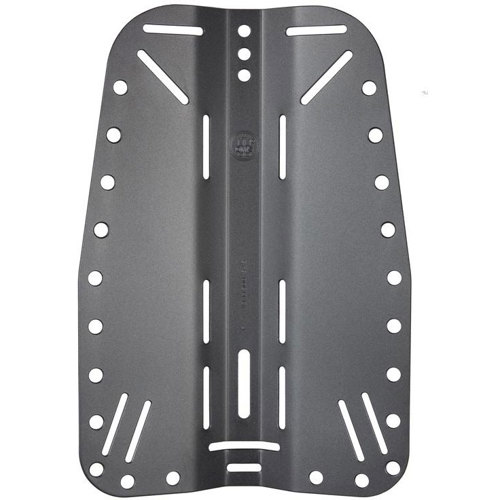
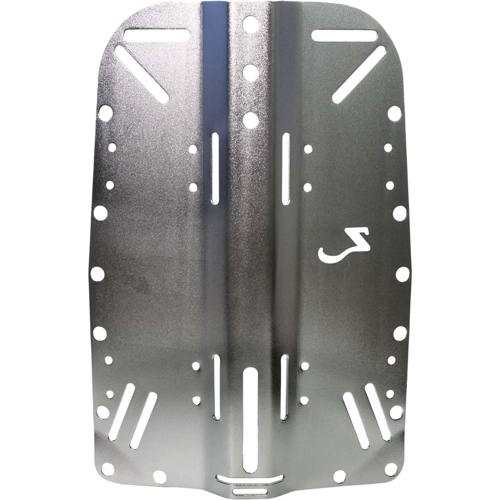
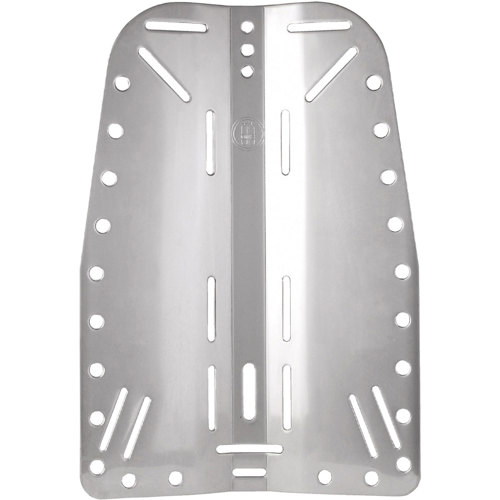
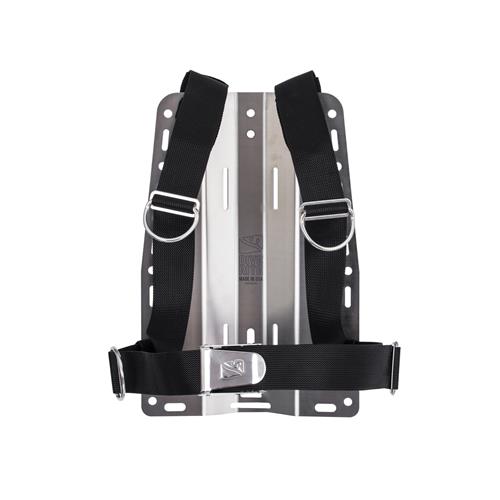
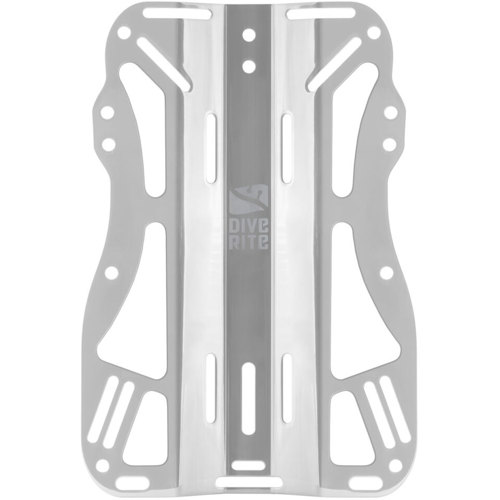
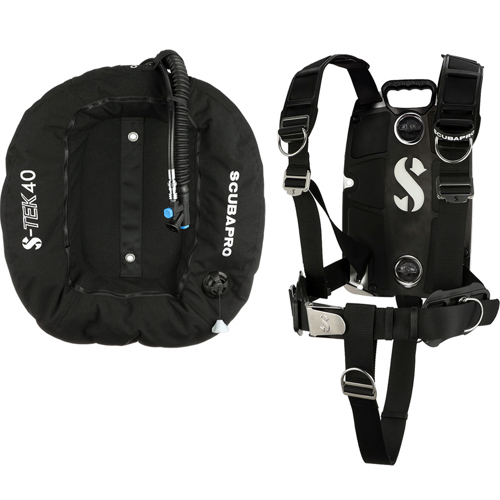
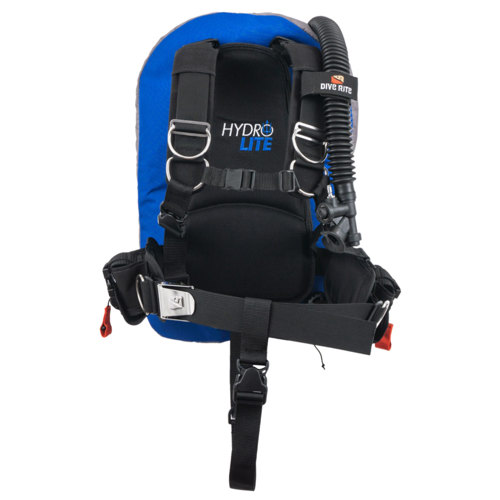
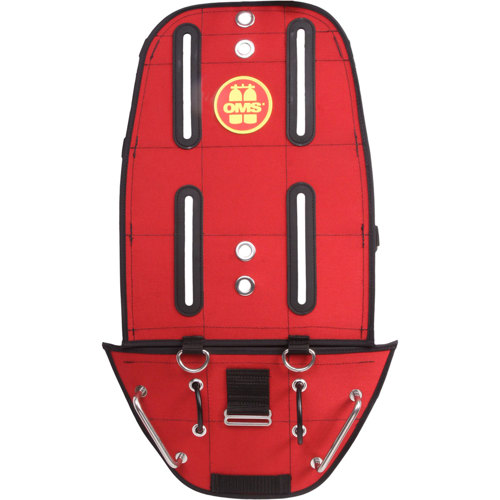
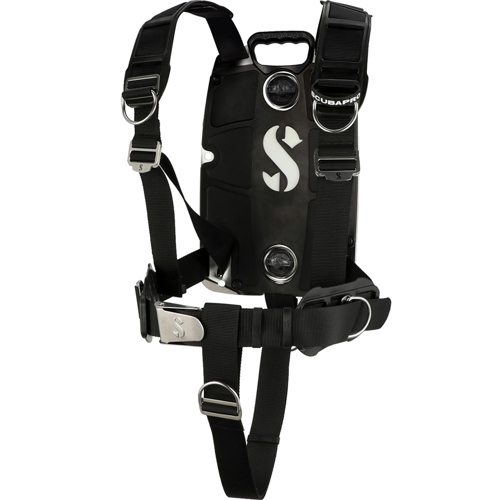
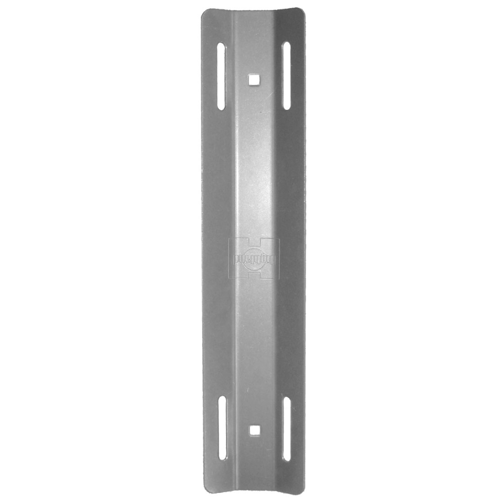
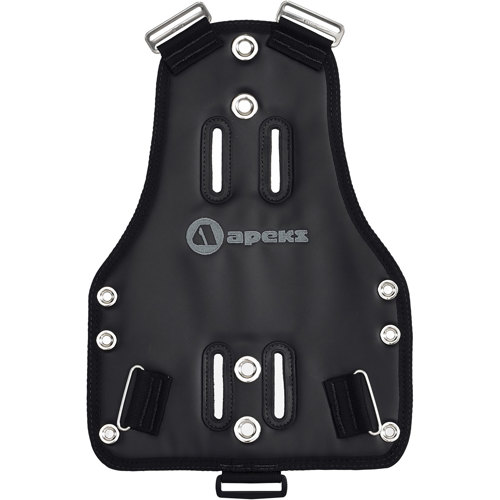
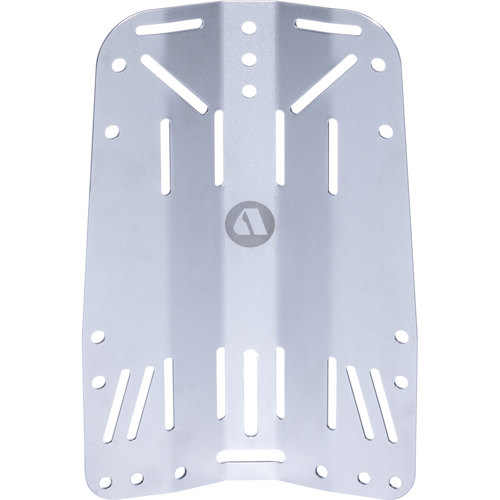
Back plates are a foundational component for technical diving setups, offering a blend of durability, customization, and streamlined performance that appeals to experienced divers and those advancing their skills. As the weather warms and dive conditions become more inviting, many divers revisit their gear to ensure it meets the demands of deeper, longer, or more complex dives. Technical setups often require carrying heavier tanks—sometimes doubles or even triples—along with extra gear such as stage bottles, lights, reels, and backup equipment. The back plate serves as the anchor for this system, typically constructed from robust materials like stainless steel, aluminum, carbon fiber, or titanium. Each material has its own appeal: stainless steel provides added ballast for cold water dives or thick wetsuits, while aluminum, carbon fiber, and titanium offer lightweight alternatives ideal for travel or warm-water expeditions where excess weight is a concern. For those who frequently travel or value ease of transport, exploring options like
Lightweight Backplates can help strike the perfect balance between strength and portability.
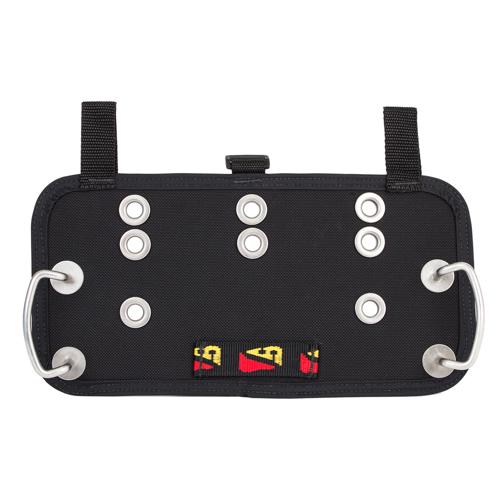
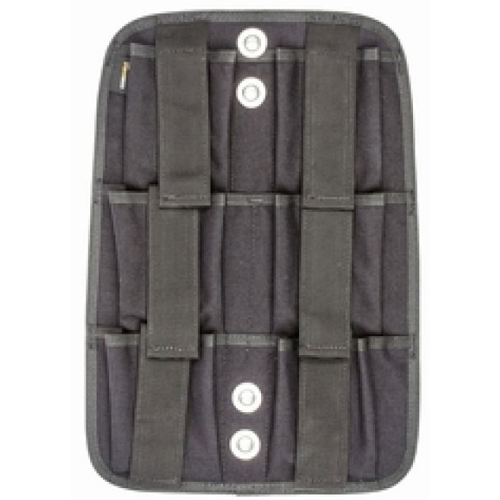
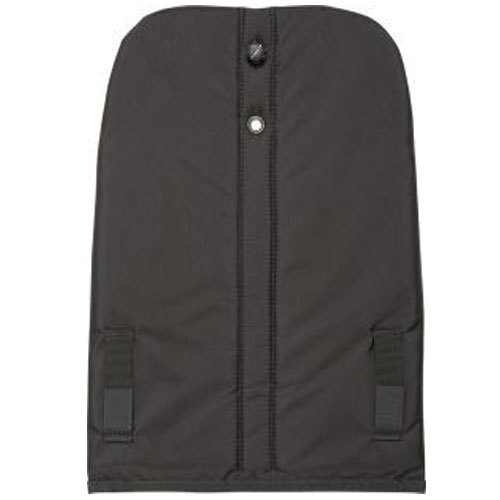
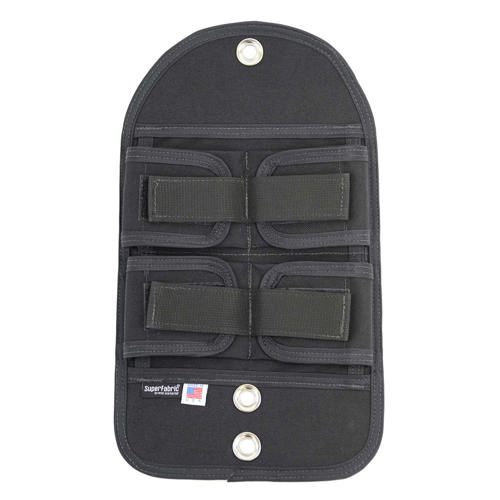
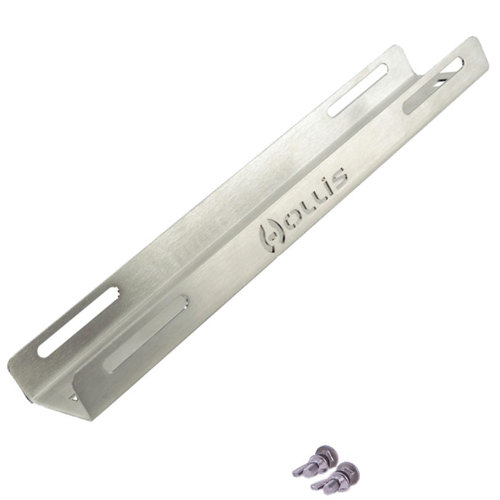
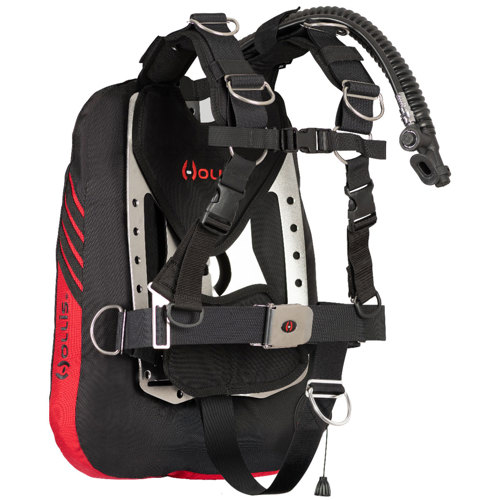
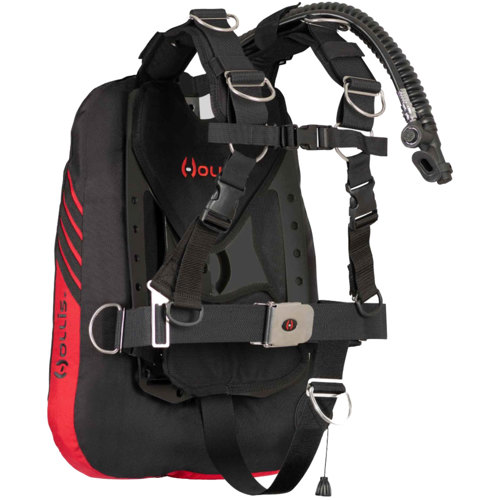
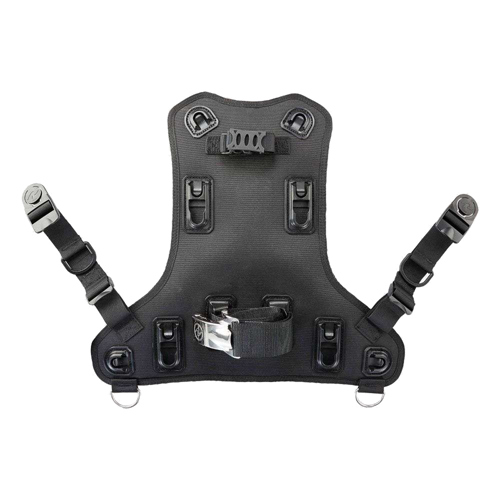
Selecting the right back plate involves considering not only the material but also the fit and compatibility with harness systems and tanks. Standard plates accommodate most divers, but shorter versions are available for those with smaller frames or shorter torsos, ensuring comfort and proper trim in the water. The hallmark of a technical back plate is its versatility: pre-drilled holes along the spine (often with 11-inch spacing) allow for secure mounting of dual tanks, while slots for single tank cam bands make it easy to switch between single and double cylinder configurations without the need for a single tank adapter. Many divers prefer a continuous webbing harness—threaded through the back plate and equipped with D-rings and buckles—because it maximizes reliability and allows for personalized placement of accessories. This modular approach means divers can fine-tune their setup for specific environments or mission profiles, whether it’s a deep wreck penetration, a cave system, or an extended open water exploration. Storage options, such as weight pockets or small utility pouches, can be added to the system, keeping essential gear close at hand without sacrificing hydrodynamics.
Back plates make thoughtful gifts for divers who are progressing into technical training or looking to upgrade their existing setups. They’re particularly appreciated by those who value gear that grows with their evolving needs—modular, rugged, and endlessly customizable. The right back plate can transform a diver’s experience, providing the stability needed to manage heavy doubles and maintain a streamlined, horizontal trim, which is crucial for both safety and efficiency underwater. As diving conditions shift from the cooler months into the prime season, the reliability and adaptability of a well-chosen back plate become even more apparent. Whether preparing for a summer expedition, gearing up for a dive trip abroad, or simply investing in equipment that will last for years, a high-quality back plate is a cornerstone of any technical diving kit.