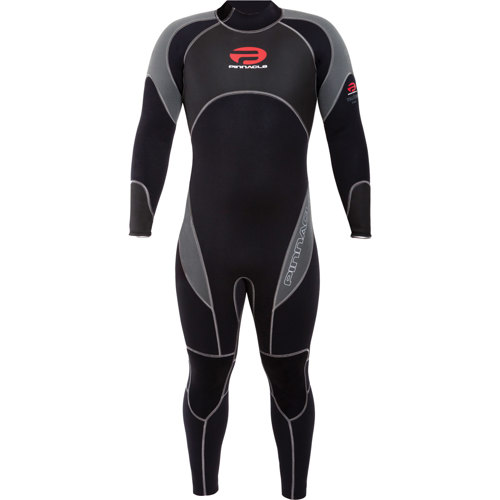
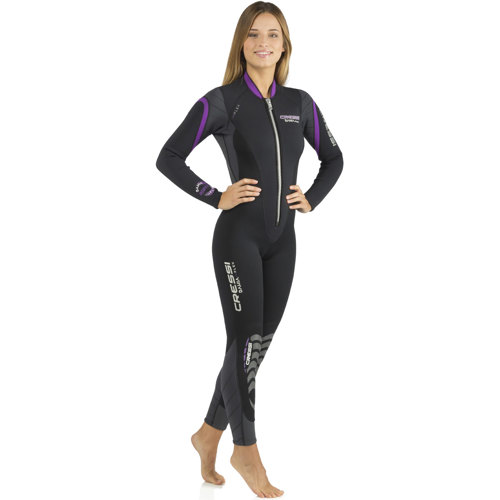
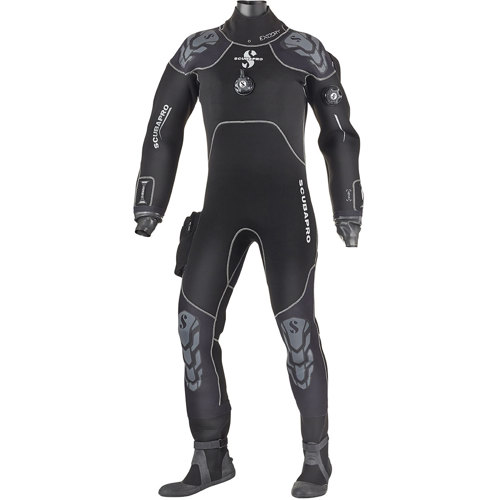
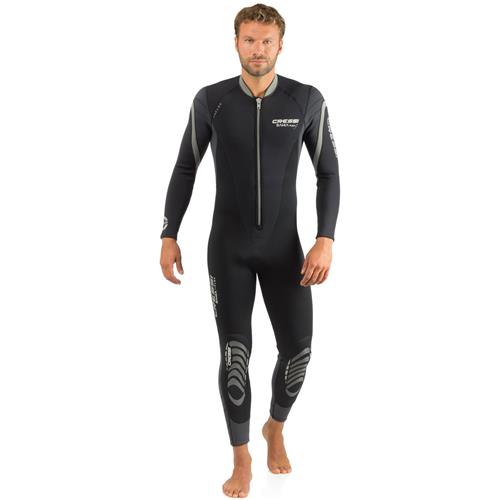
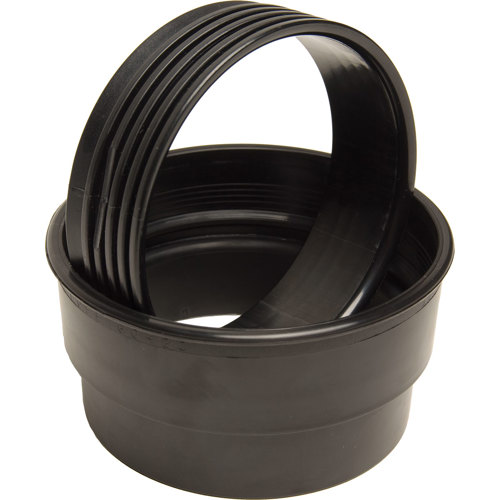
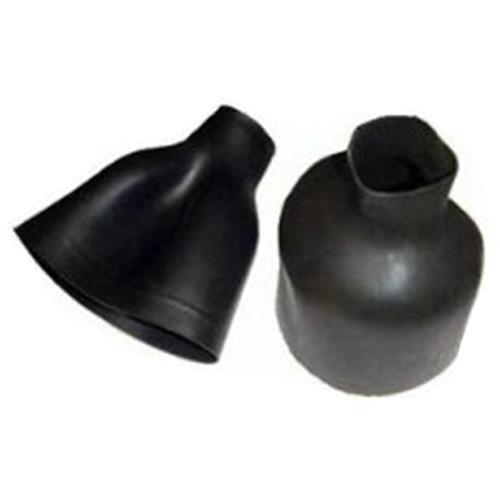
Wrist Seals
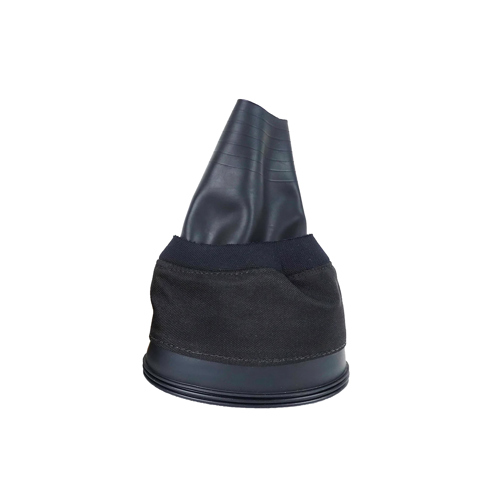
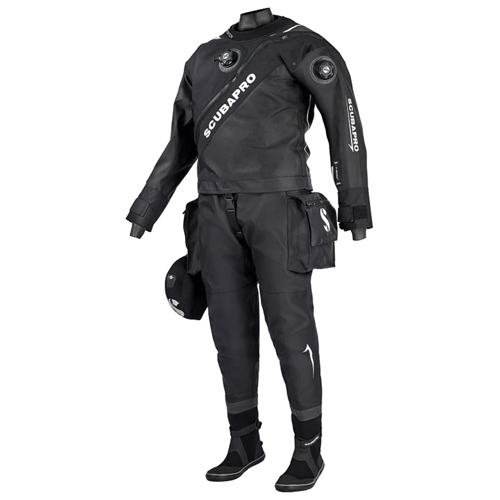
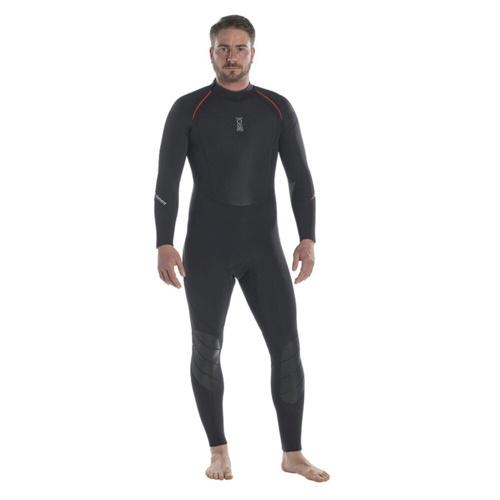
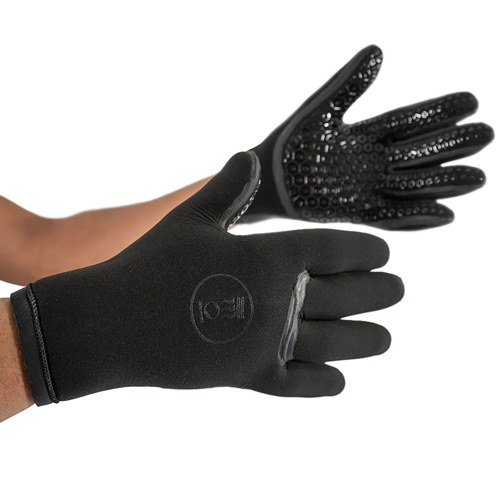
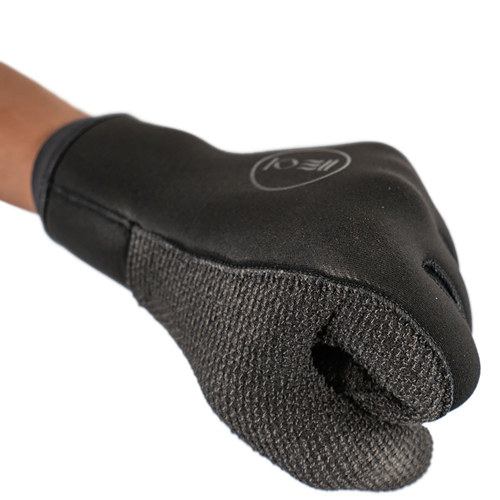
As winter deepens and water temperatures drop, the importance of reliable wrist seals becomes all the more apparent to divers venturing into colder environments. Whether you’re a seasoned technical diver, a dedicated instructor guiding students through their first drysuit experience, or an adventurous recreational diver eager to extend your season, wrist seals are a small but crucial component of your exposure protection system. These seals are engineered to create a watertight barrier at the wrist, preventing cold water intrusion and ensuring that your drysuit or wetsuit performs at its best. The feeling of staying dry and warm, even as icy swells lap against your suit, is something every diver treasures—especially on those brisk January mornings when the air is crisp and the water even crisper. For those who have spent time on the surface interval with numb fingers or struggled through a dive with a leaky seal, the value of a dependable wrist seal is crystal clear.
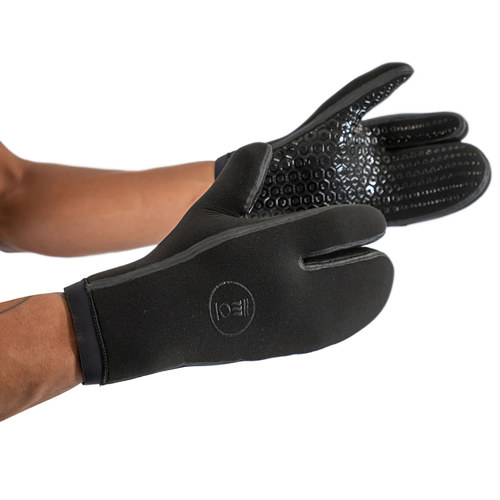
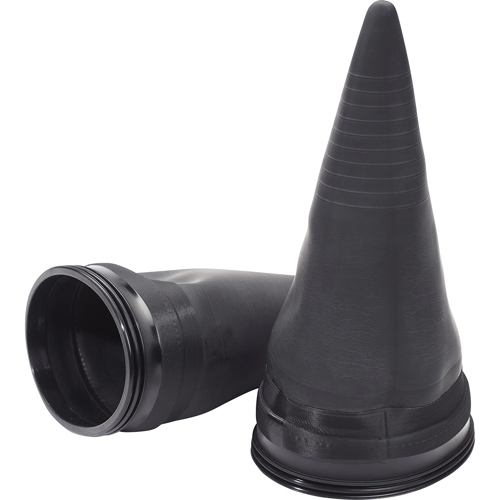
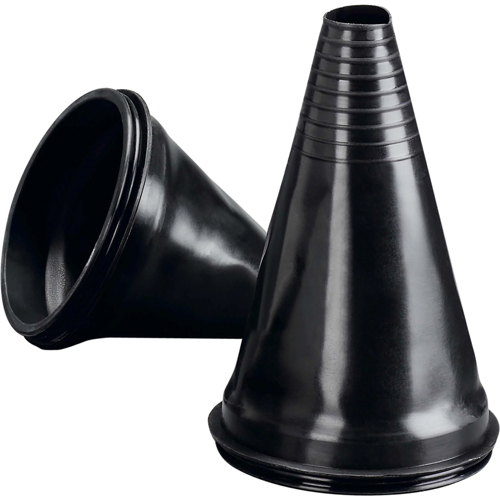
Selecting the right wrist seal involves several considerations, each tailored to the diver’s unique needs and the environments they frequent. Material is often the first decision point: latex seals offer flexibility and a snug fit, while silicone options are prized for their softness and hypoallergenic properties. Neoprene wrist seals, on the other hand, provide enhanced durability and thermal protection, making them a popular choice for divers tackling colder waters or engaging in repetitive dives throughout the winter months. Fit is equally important—too tight and circulation suffers, too loose and water finds its way in, defeating the purpose entirely. Many divers appreciate the comfort of pre-tapered seals or those designed to be trimmed for a custom fit, ensuring both warmth and dexterity. For instructors and dive professionals who spend long hours in their suits, or for underwater photographers who need nimble fingers to operate complex camera rigs, the right wrist seal can make the difference between a productive day and one cut short by discomfort. Wrist seals are also a thoughtful gift for the diver in your life, particularly as the new year brings fresh resolutions and plans for exploring new dive sites. They’re the kind of practical upgrade that shows you care about someone’s comfort and safety, whether they’re prepping for a winter dive trip or simply looking to extend the lifespan of their favorite suit.
Proper care and maintenance of wrist seals can greatly extend their usability, but even the best seals will eventually show signs of wear—especially if you’re regularly diving in saltwater or exposing your suit to temperature extremes. Small nicks, tears, or a loss of elasticity can quickly escalate into major leaks if left unaddressed. For divers who notice their seals starting to degrade, or for those who want to ensure their gear is in top condition before a big trip, it’s reassuring to know that reliable repair resources are available. If you find yourself in need of guidance or professional help with damaged seals, our comprehensive
Wrist Seal Repairs page is a valuable reference, offering expert advice and services to restore your equipment to peak performance. Investing in quality wrist seals and keeping them well-maintained is a simple yet impactful way to safeguard your underwater adventures, ensuring that every dive—no matter the season—remains comfortable, dry, and memorable.