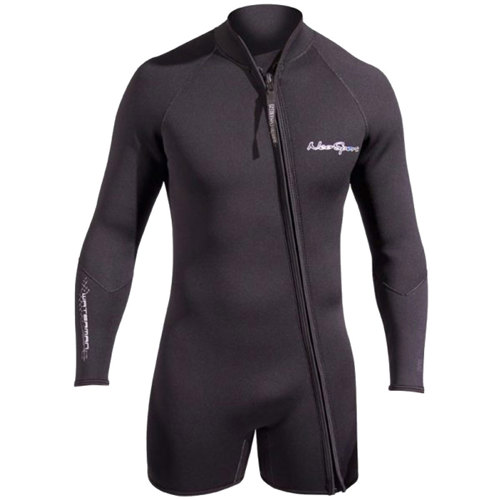
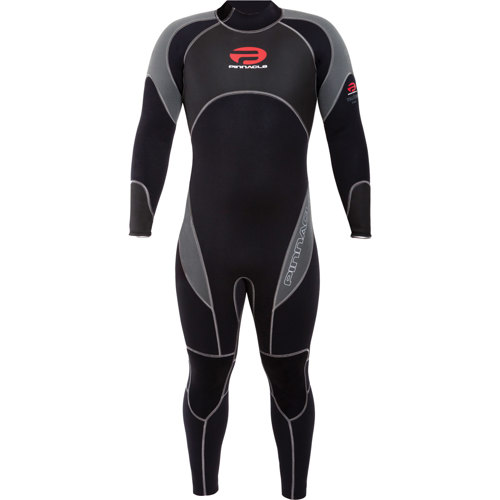
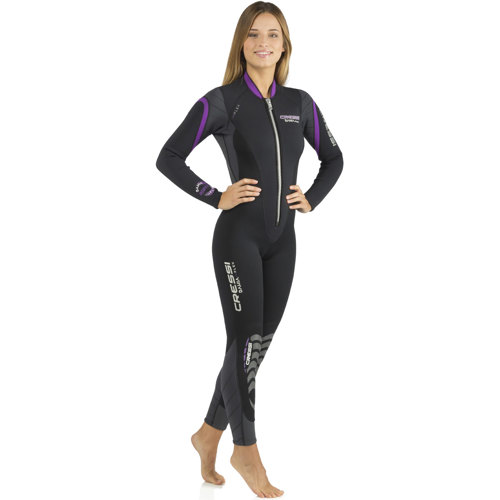
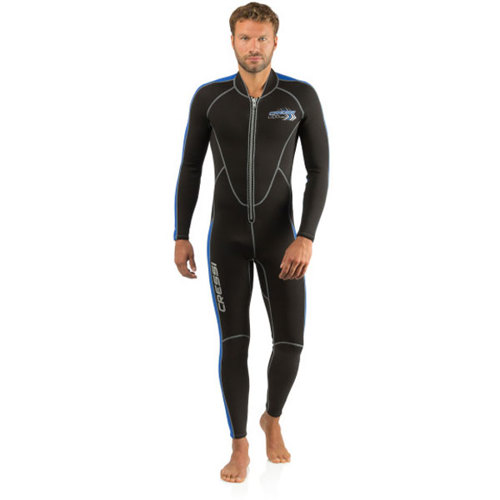
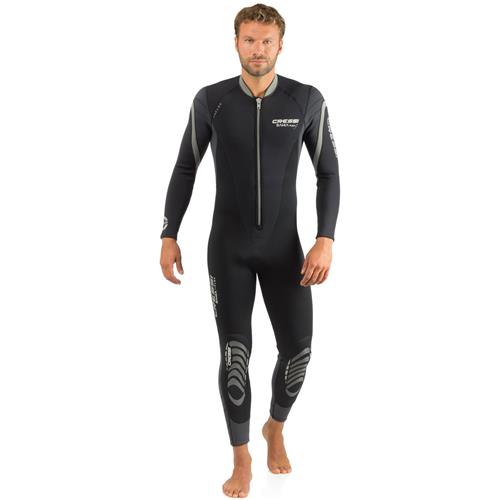
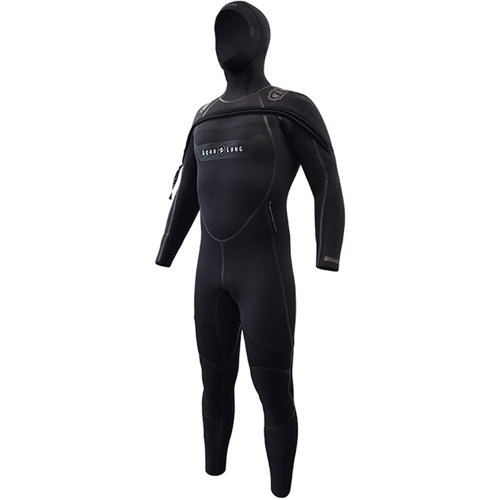
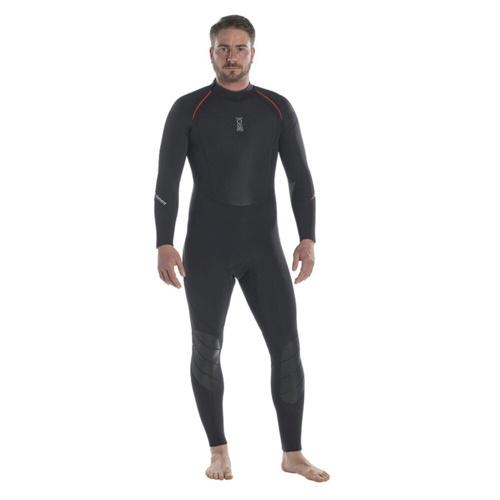
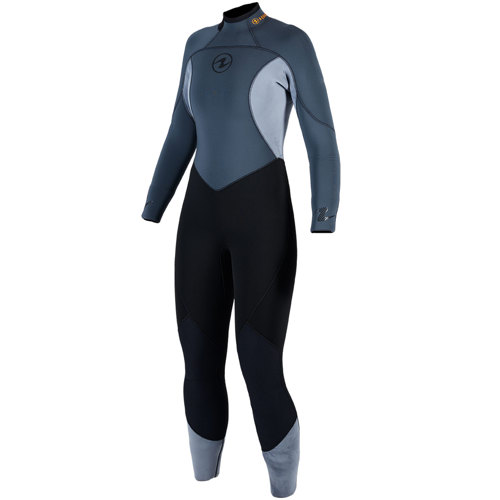
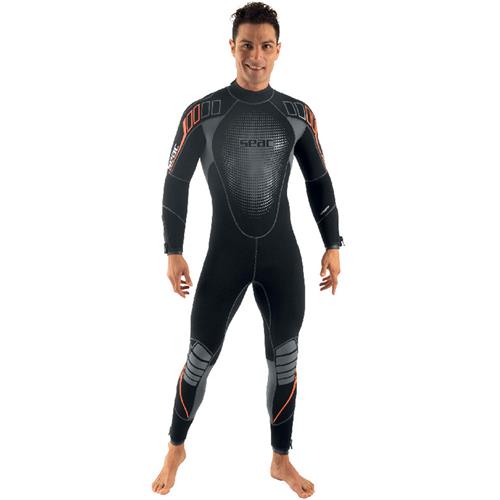
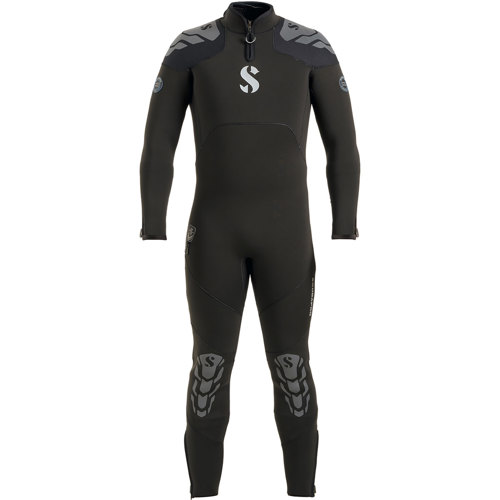
Wrist cuff wetsuits stand as a cornerstone for anyone venturing into cooler waters, whether you’re a seasoned diver, a passionate snorkeler, or simply someone who relishes the thrill of water sports as spring gives way to summer. The defining feature of these wetsuits is the specialized wrist seal, engineered to form a reliable barrier that keeps cold water from flushing into the suit. This snug, flexible cuff—often crafted from smooth neoprene, silicone, or even rubber—acts as a gatekeeper, maintaining the thin insulating layer of water between your skin and the suit that’s essential for thermal protection. As water temperatures remain brisk in March, especially in northern regions or at depth, a well-fitted wrist cuff can mean the difference between a comfortable, extended dive and an early return to the boat. Many divers recall the first time they slipped into a suit with a proper wrist seal: the immediate sense of warmth, the absence of that icy trickle down the arm, and the freedom to focus on marine life instead of shivering. Wrist cuffs aren’t just about warmth, though—they also prevent chafing and help keep gloves securely in place, making them a practical choice for anyone planning longer sessions underwater or in surf.
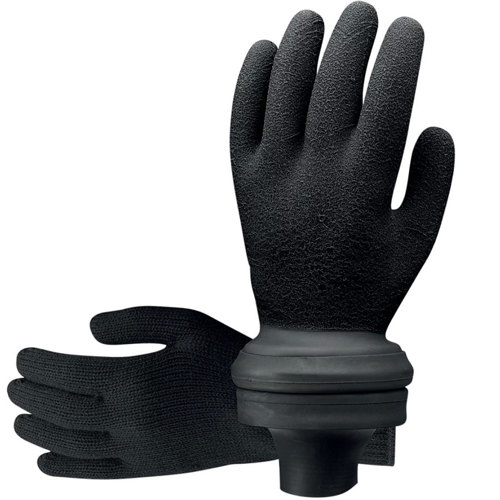
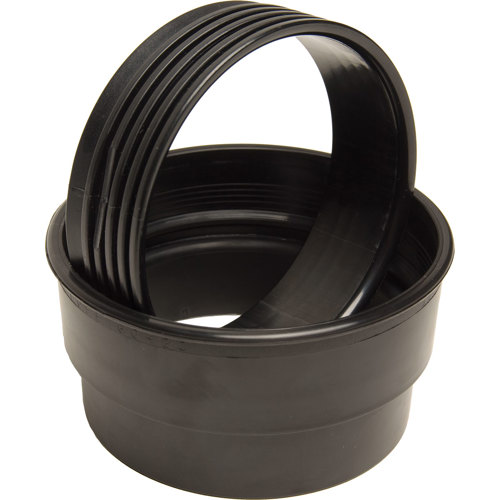
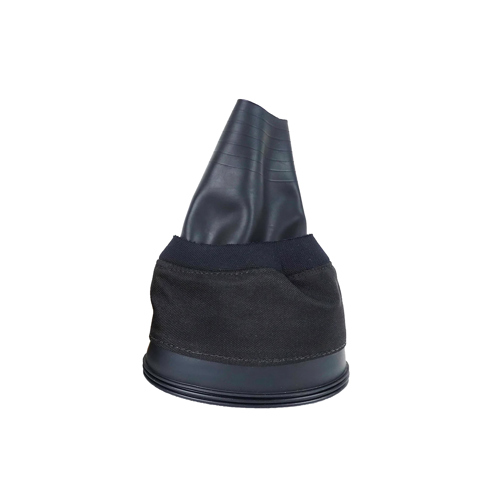
When choosing a wrist cuff wetsuit, it’s important to consider not only the thickness of the suit for your intended water temperature but also the style and material of the cuff itself. Integrated seals are now standard on most wetsuits, blending seamlessly with the suit’s material for a smooth, comfortable fit. Some designs incorporate subtle texturing or inner silicone bands for extra grip, while others feature wrist zippers for those who struggle with tight entry points—an especially welcome detail for divers with larger hands or those who want a quick change between dives. Double-cuff systems, often found in drysuits or high-end wetsuits, provide an extra layer of defense by allowing gloves to be tucked underneath the inner cuff, creating a nearly watertight seal that’s ideal for cold or contaminated water. For anyone who enjoys early spring diving, these features make a world of difference. Parents introducing their kids to snorkeling, surf instructors guiding students through their first lessons, or even experienced underwater photographers seeking to maximize their time in chilly conditions will all appreciate the added comfort and security that wrist cuff wetsuits provide. They also make thoughtful, practical gifts for birthdays, holidays, or as a “just because” gesture for a friend gearing up for a new aquatic adventure.
Fit is paramount with wrist cuff wetsuits. The cuff should hug the wrist closely—snug enough to block water, but never so tight that it restricts circulation or leaves marks after a session. A well-fitted cuff lies flat without bunching or creasing, ensuring both comfort and performance. For those who regularly pair their wetsuit with gloves, it’s important to consider how the cuffs and gloves interact; most divers prefer gloves worn over the cuff for a secure overlap, while double-cuff systems allow for gloves to be tucked underneath for maximum dryness. As wetsuit technology continues to evolve, options like silicone inner cuffs and adjustable tie-downs are becoming more common, catering to a range of preferences and anatomical needs. If ease of donning and doffing is a top priority, particularly for those with limited dexterity or anyone who values a quick change on the beach, exploring suits designed for simple entry is worthwhile—our page on
Easy On Cuff Wetsuits highlights some of the best options for effortless gearing up. Whether you’re planning a dive trip, gearing up for surf season, or simply looking to stay warm and comfortable during your next aquatic adventure, wrist cuff wetsuits offer the blend of performance, protection, and practicality that makes every moment on (and under) the water more enjoyable.