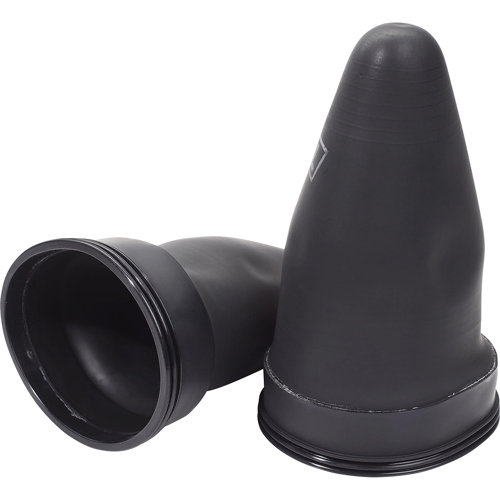
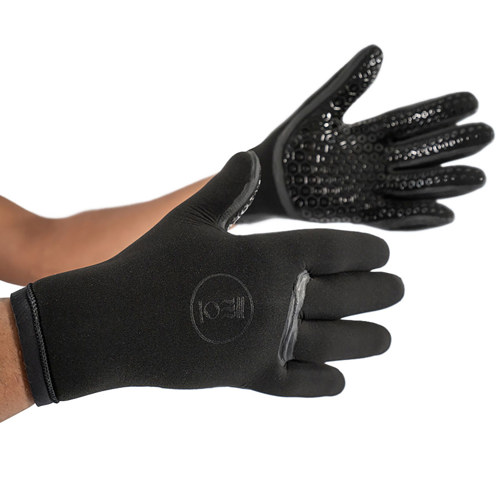
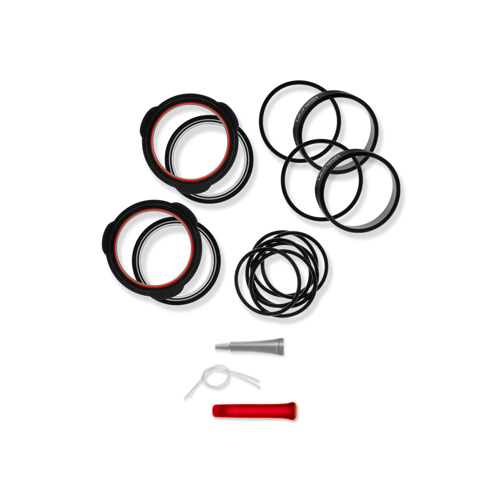
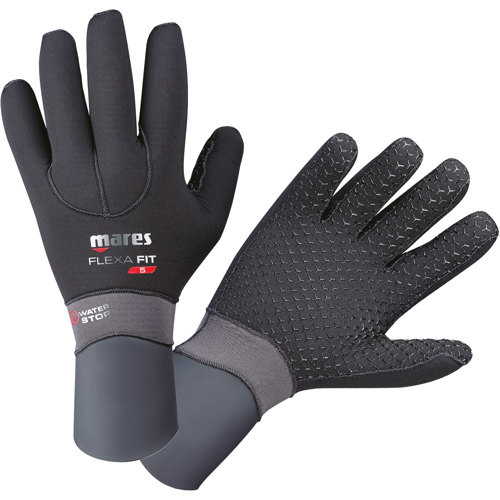
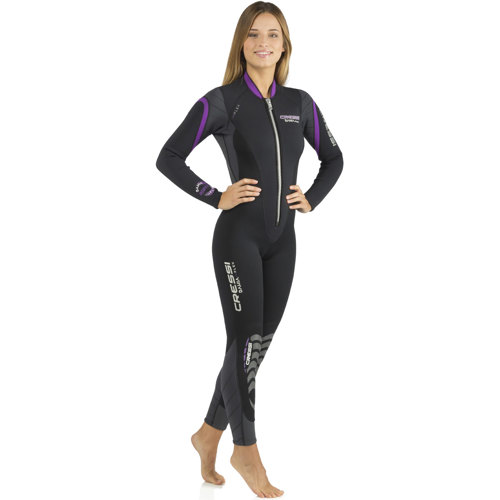
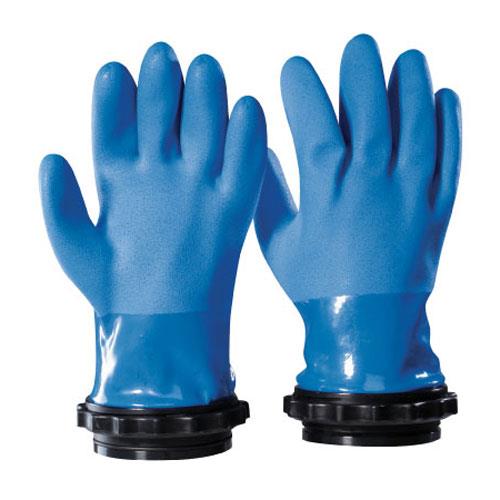
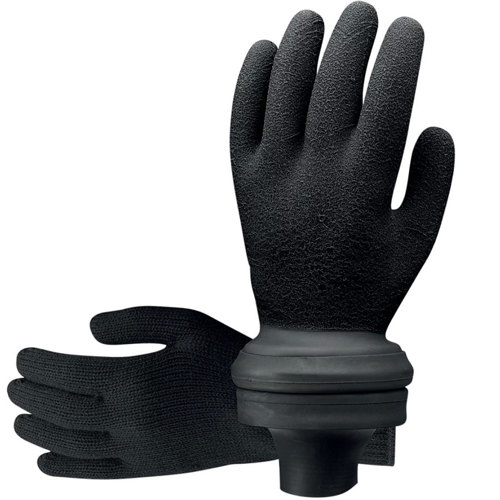
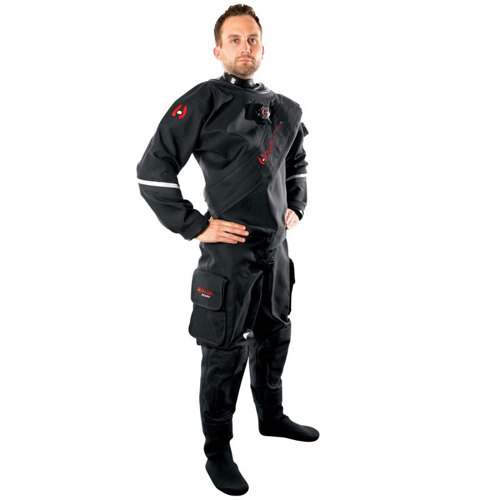
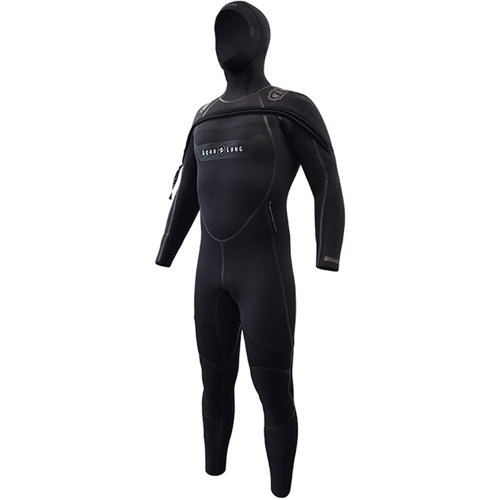
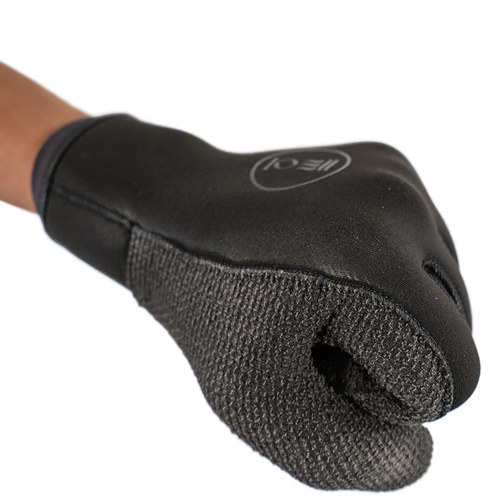
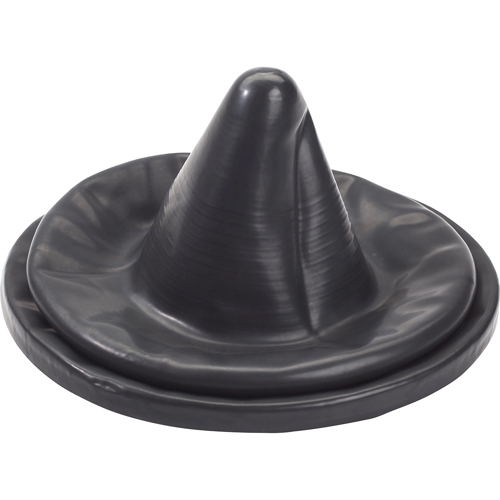
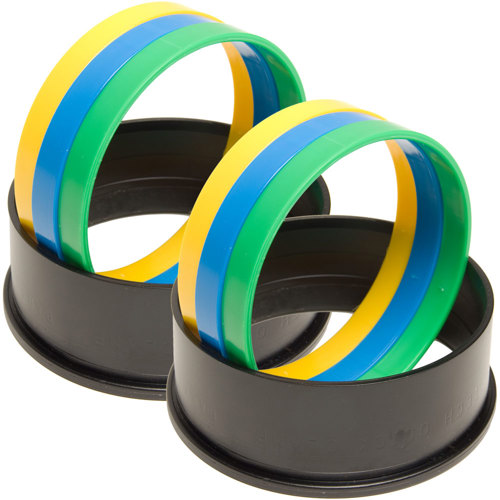
Wrist cuff seals are a crucial component for any diver or water sports enthusiast looking to maintain comfort, warmth, and dryness during extended time in the water. Whether you’re preparing for a full season of drysuit diving, planning a cold-water snorkeling adventure, or simply want to prolong the life of your gear, choosing the right wrist seals can make all the difference. These seals serve as the barrier between your skin and the elements, keeping water out and body heat in—an essential function for anyone who spends hours below the surface or in unpredictable conditions. As the weather warms and water activities become more frequent, it’s common for divers to inspect their gear and notice that wrist seals have begun to show signs of wear, such as cracking, loss of elasticity, or discoloration. Replacing them with high-quality options ensures you stay dry and comfortable, whether you’re exploring kelp forests, photographing marine life, or simply enjoying a leisurely swim off the coast. Wrist cuff seals also make a thoughtful gift for the diver in your life, especially for those gearing up for a new season or who appreciate the reliability of well-maintained equipment.
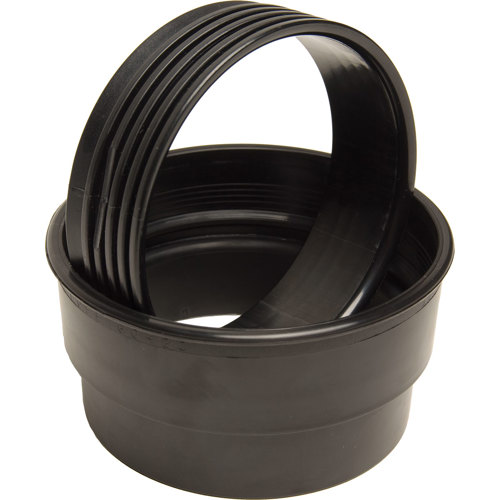
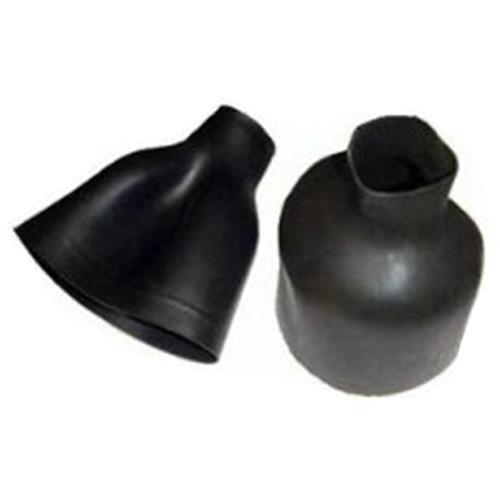
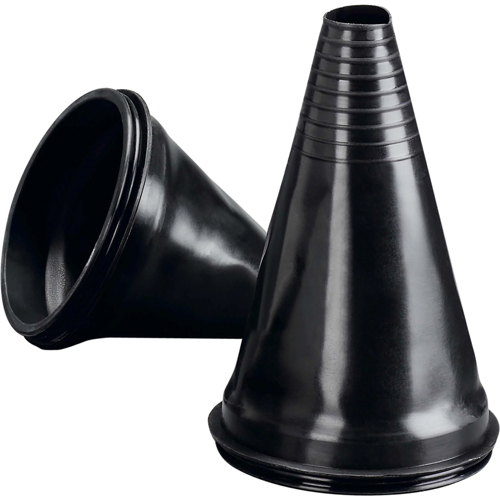
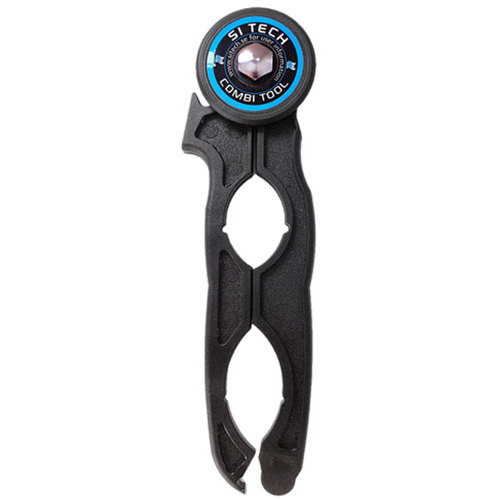
When selecting wrist cuff seals, it’s important to consider both the material and the fit. Common materials include silicone, latex, and thermoplastic elastomer (TPE), each offering unique advantages. Silicone seals are valued for their superior stretch, softness against the skin, and resistance to UV and ozone—qualities that can be especially appreciated during long summer days when exposure to sunlight is unavoidable. Many divers with sensitive skin or latex allergies gravitate toward silicone, enjoying the hypoallergenic comfort and the ease of installation offered by quick-change ring systems. Latex, on the other hand, remains a favorite among traditionalists for its snug, secure fit and durability, often providing a more tailored seal that can be trimmed to the perfect size. TPE seals are a newer, budget-friendly option that balances elasticity and durability, and they come in a variety of colors for those who like to personalize their gear. Sizing is another critical factor—wrist seals are typically available in a range of circumferences to accommodate different wrist sizes, ensuring a watertight fit without excessive pressure. For those who frequently travel or dive in remote locations, user-replaceable systems offer peace of mind, allowing for quick swaps in the field without the need for adhesives or specialized tools.
Proper care and maintenance can extend the life of your wrist cuff seals, regardless of material. A light dusting of talcum powder can help reduce friction and make donning your drysuit easier, especially on humid days or when gearing up on the back of a boat. After use, rinsing seals in fresh water and storing them away from direct sunlight or hot, unventilated spaces helps prevent premature aging and cracking caused by UV exposure. For divers with thinner wrists, specific tips and tricks—such as choosing pre-cut silicone seals or carefully trimming latex seals—can help achieve a secure, comfortable fit that prevents leaks and chafing. Whether you’re a seasoned technical diver, a recreational enthusiast, or shopping for someone just starting their underwater journey, investing in the right wrist cuff seals is a small step that pays off in comfort and confidence throughout the season. For those interested in exploring the full range of options, including specialized systems designed for maximum waterproof protection, visit our curated list of
Waterproof Wrist Seals to find the perfect match for your next aquatic adventure.