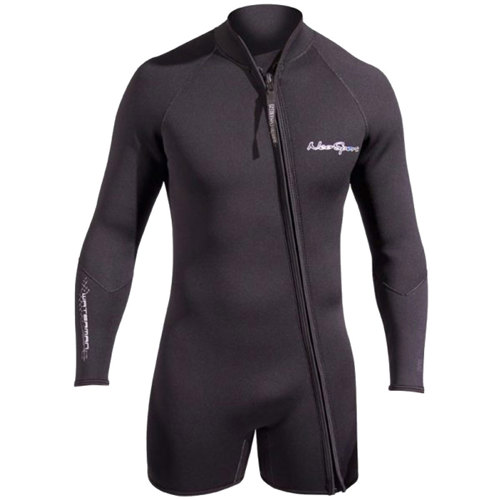
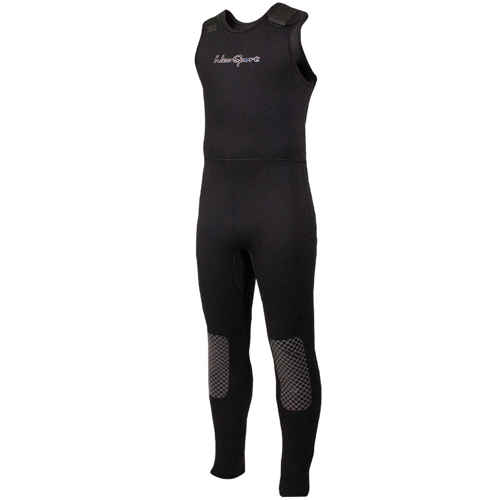
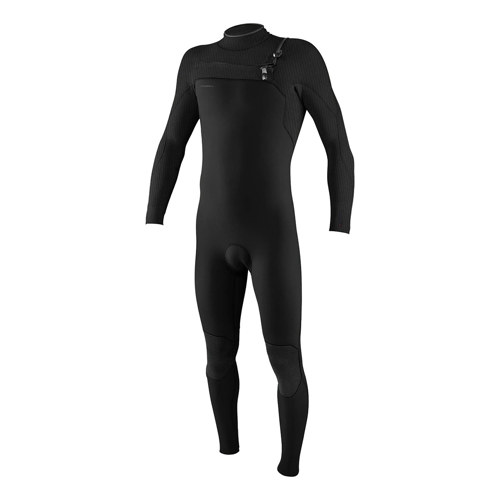
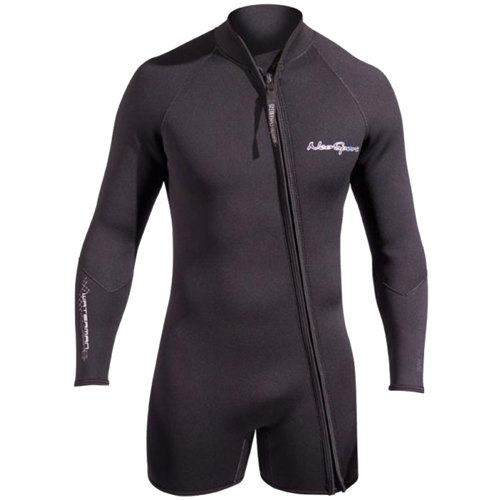
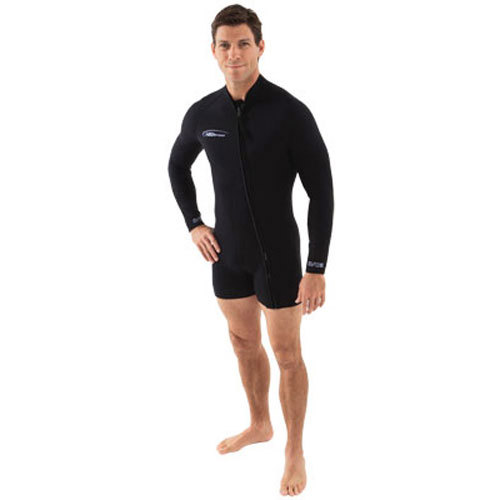
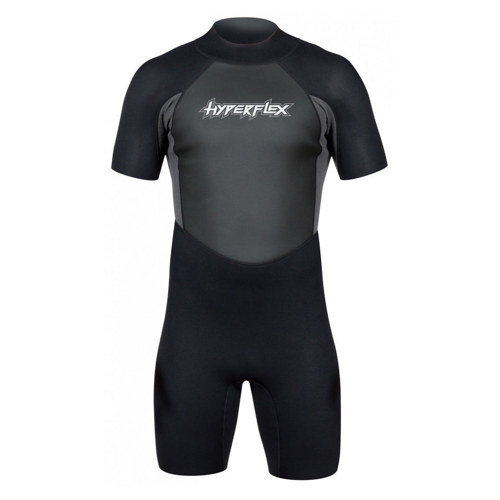
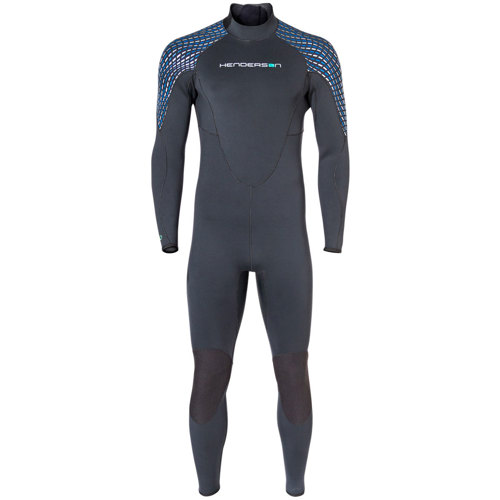
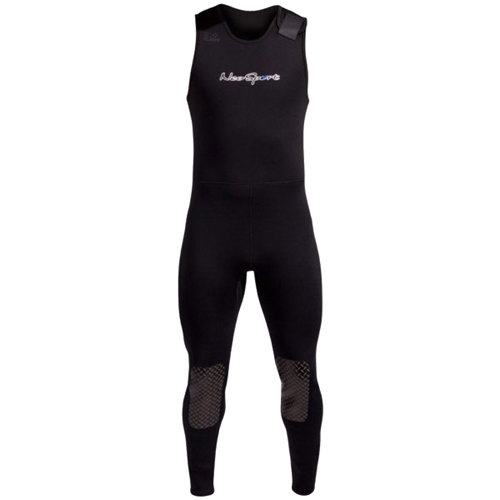
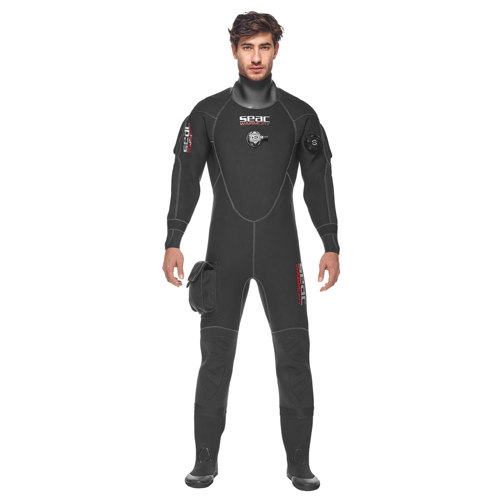
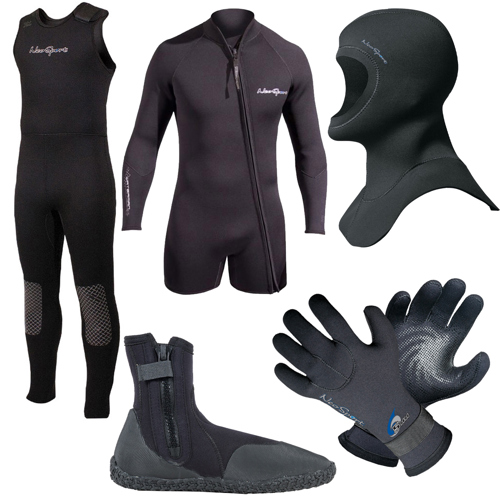
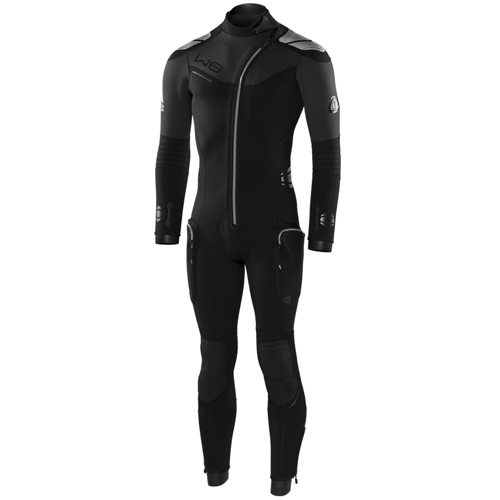
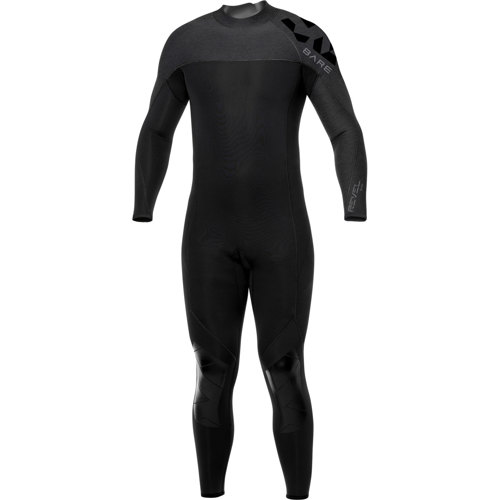
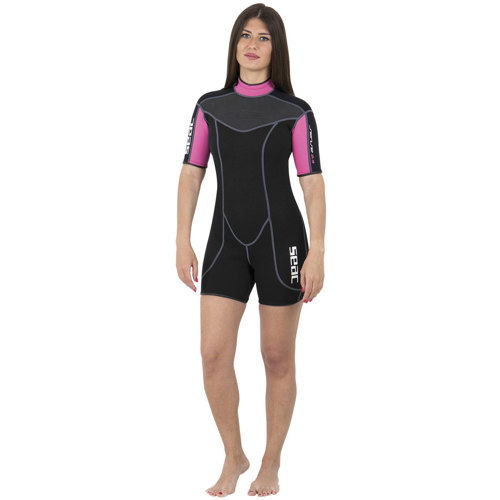
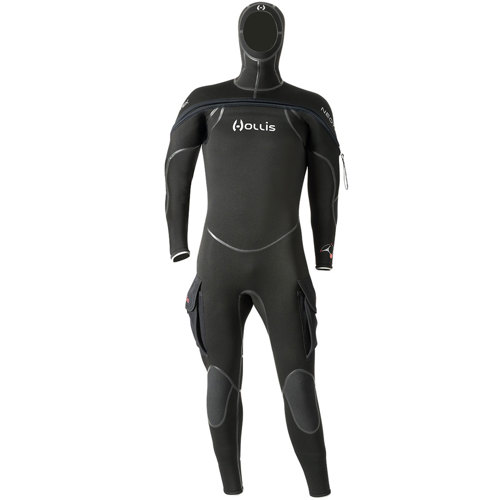
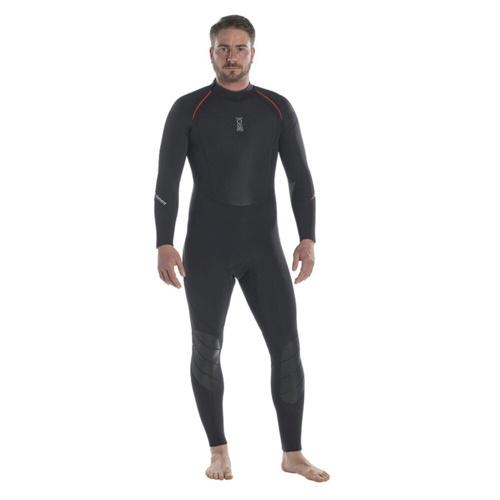
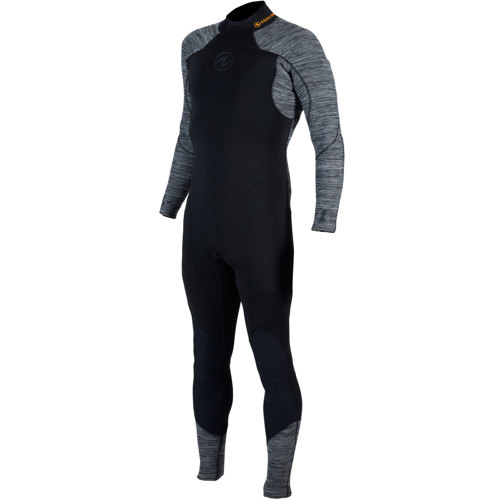
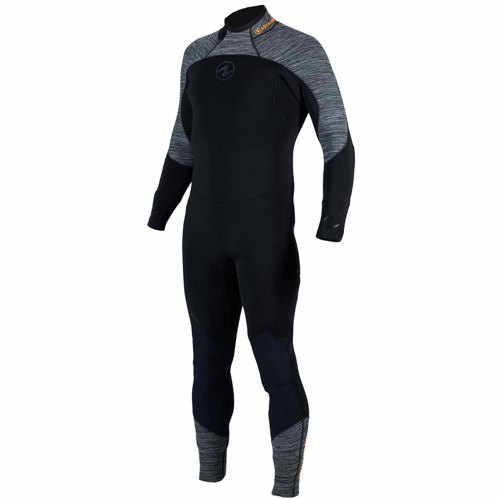
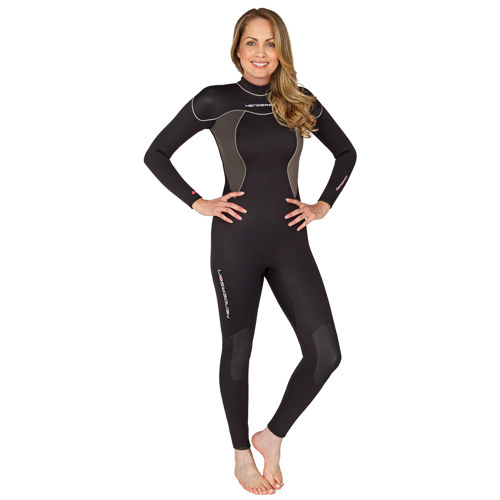
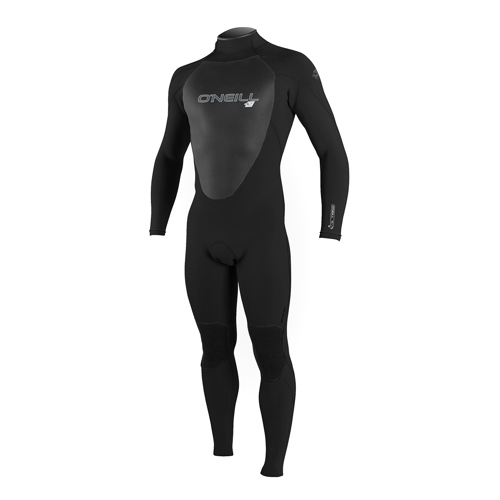
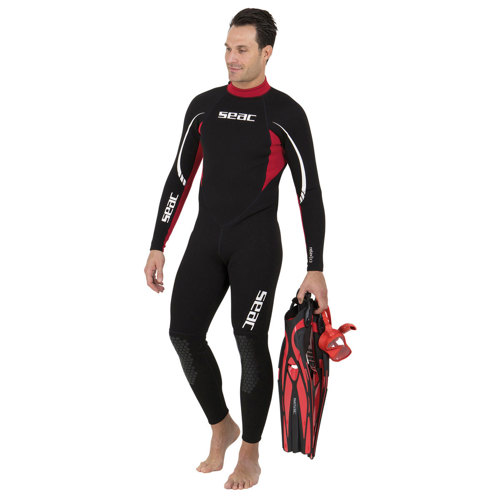
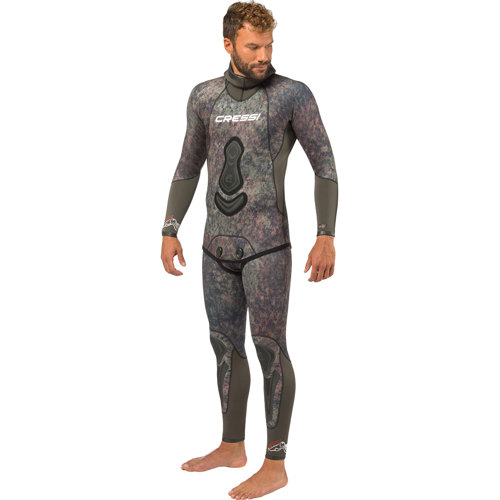
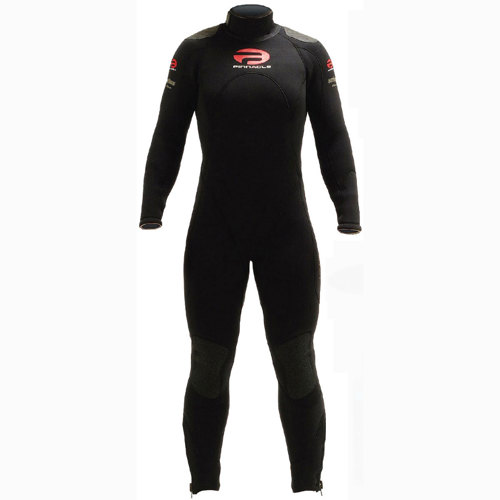
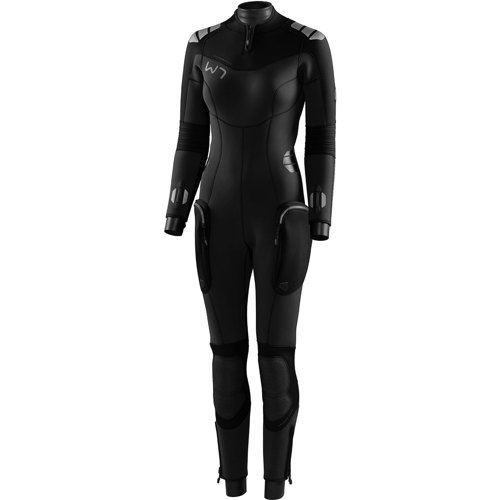
When selecting a wetsuit for diving, snorkeling, or a range of water sports, the quality and construction of the seams are just as important as the thickness and type of neoprene. Wetsuits with reinforced seams are designed to withstand the rigors of repeated use, especially in environments where equipment is frequently put on and taken off, or where exposure to saltwater, sand, and sun can accelerate wear and tear. Reinforcement techniques such as interior taping, liquid sealing, and welded seams are applied to high-stress areas like the butt, knees, and waist, where the suit is most likely to experience strain or abrasion. These methods not only strengthen the suit but also enhance water resistance by minimizing the seepage that can occur through stitch holes, keeping you warmer during longer or colder dives. For those who dive year-round or in colder waters, the ability to stay warm and dry makes reinforced seams an essential feature. In the winter months, especially in December, when water temperatures drop and conditions become more challenging, the added protection of reinforced seams can make all the difference in comfort and performance.
Wetsuits with reinforced seams are a practical choice for anyone who values durability and longevity in their gear. They are particularly well-suited for active divers, surf enthusiasts, and snorkelers who find themselves in and out of the water frequently, as well as instructors or guides whose wetsuits see heavy daily use. The added durability is also appreciated by travelers who want to invest in a suit that can handle the rigors of transport and varied conditions, from rocky shore entries to boat dives. These wetsuits make thoughtful gifts for water sports lovers—whether it’s a holiday surprise for a family member who’s always planning the next coastal adventure, or a practical present for a friend who’s just getting started in diving and needs reliable, long-lasting equipment. Reinforced seams are especially beneficial for kids and teens, who tend to be tough on gear, and for anyone who prefers a suit that can handle a bit of rough treatment without compromising performance. While some reinforcement methods may slightly reduce flexibility, modern wetsuit designs often balance strength and stretch, utilizing advanced materials and stitching techniques to maintain comfort and freedom of movement. For those whose primary concern is flexibility—like surfers or freedivers—there are options that combine strategic taping with flexible seam types. If you’re interested in learning more about these alternatives, you can explore
Wetsuits With Flat Lock Seams for a closer look at suits designed for maximum stretch.
Ultimately, choosing a wetsuit with reinforced seams is about investing in gear that stands up to the elements and the demands of your chosen activity. Whether you’re braving chilly Pacific swells in December, exploring tropical reefs, or gearing up for a season of training dives, the peace of mind that comes with reinforced construction means you can focus on the experience rather than worrying about your equipment. The meticulous attention to detail in seam reinforcement—whether through liquid sealing, interior taping, or robust blind stitching—translates to a suit that resists leaks, tears, and premature aging. This not only extends the life of your wetsuit but also ensures consistent performance and comfort with every use. For those who have experienced the frustration of a seam split mid-dive or the chill of water creeping in through worn stitching, the value of reinforced seams is clear. With proper care, these wetsuits become trusted companions, season after season, ready to accompany you on every underwater adventure.