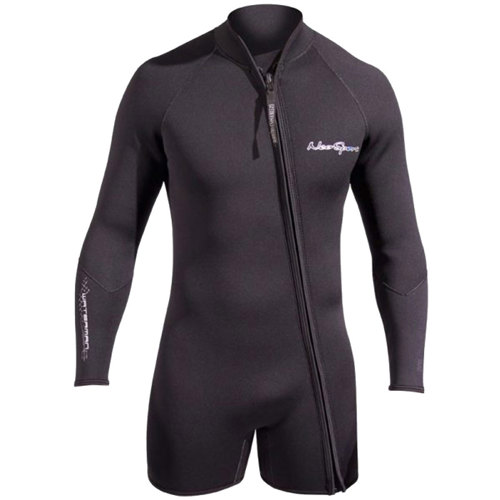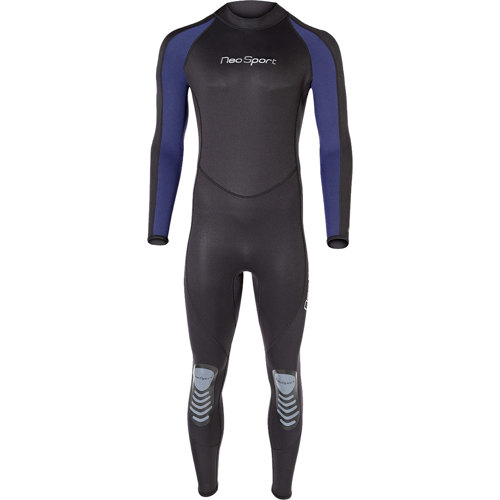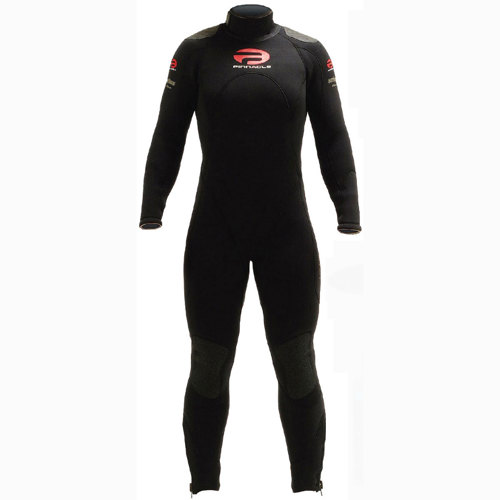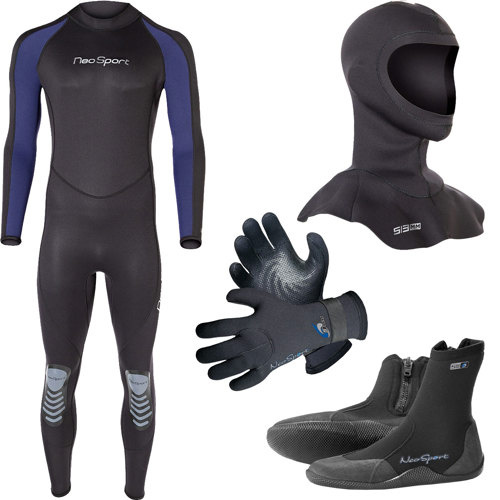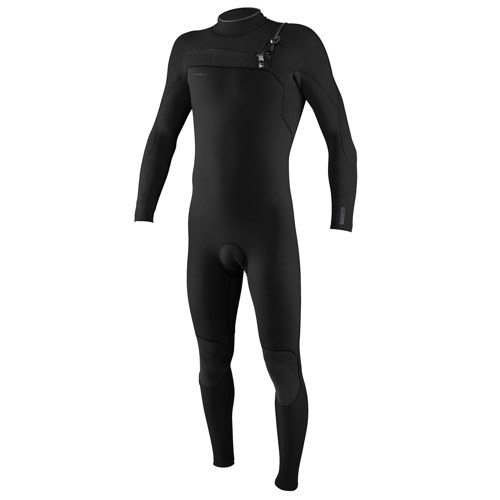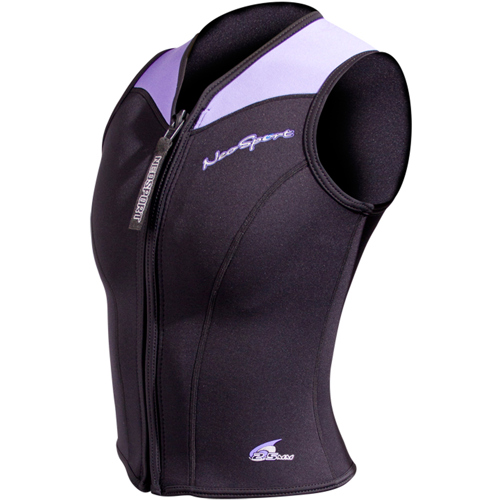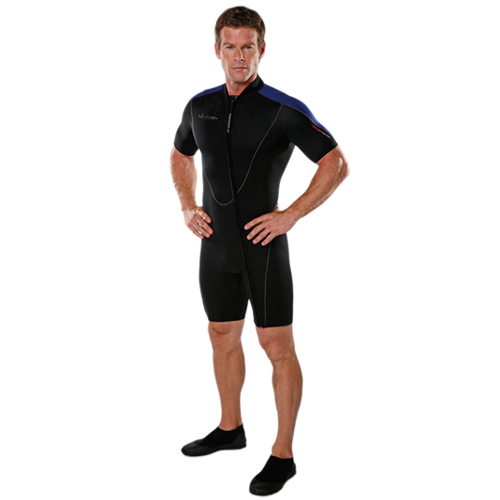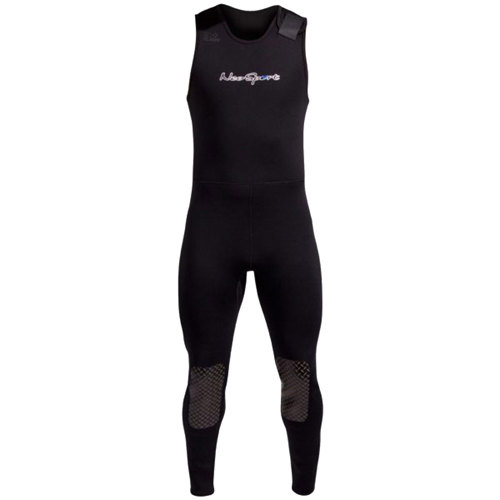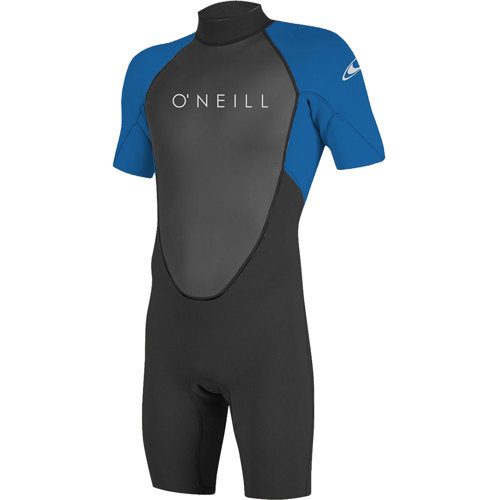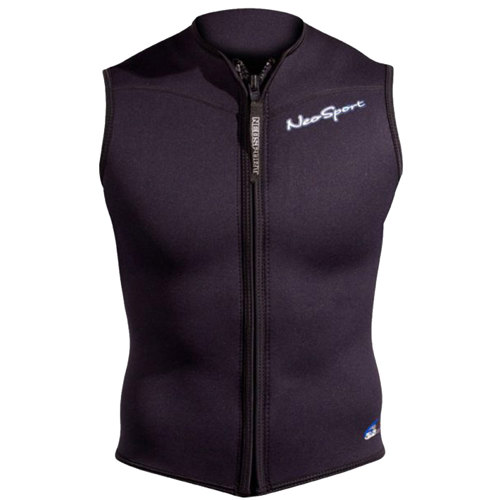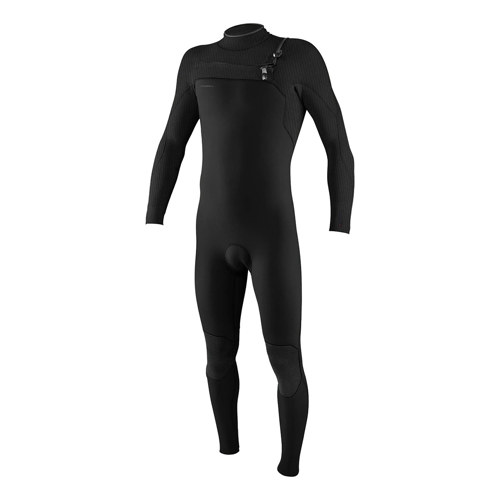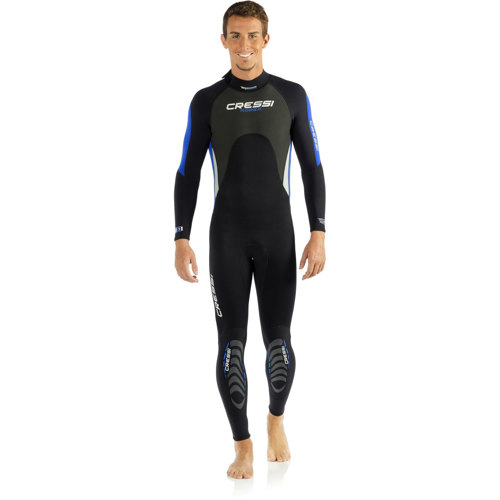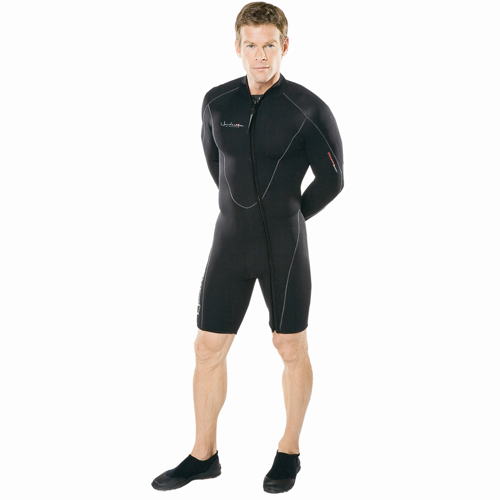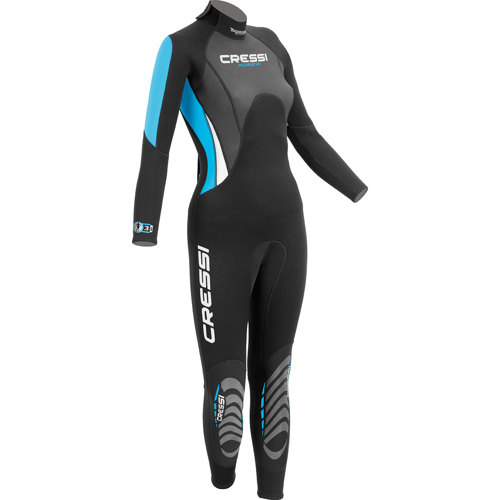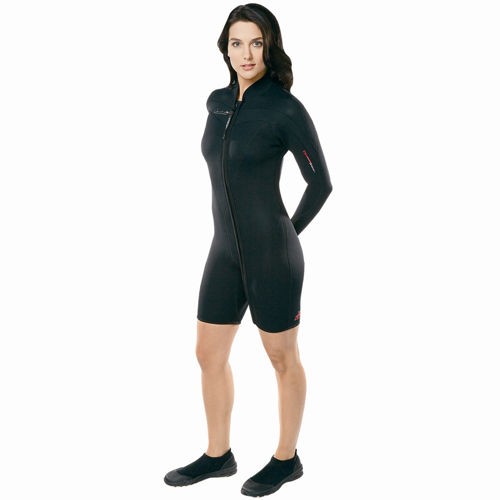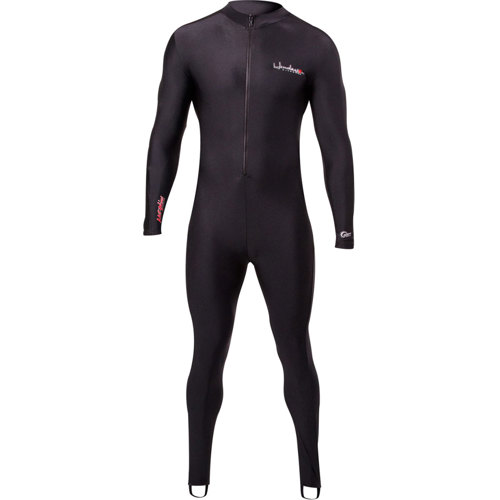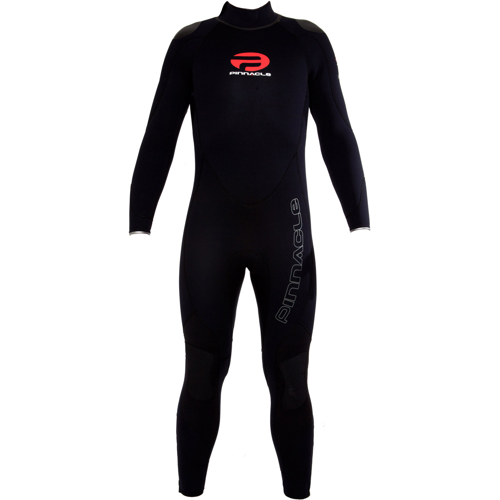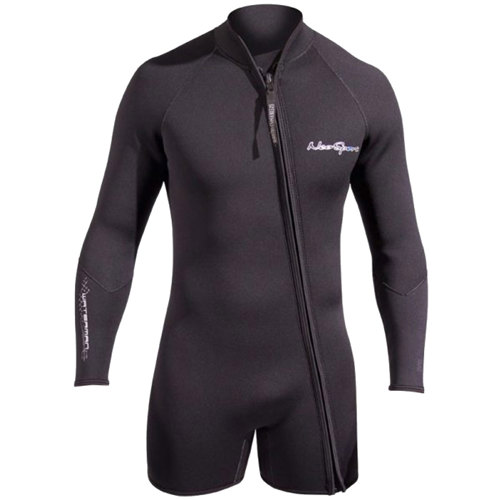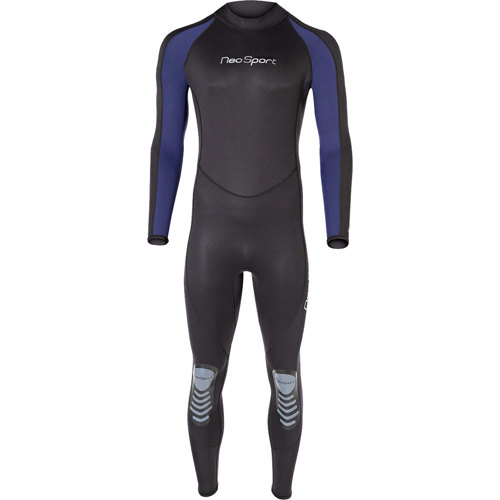
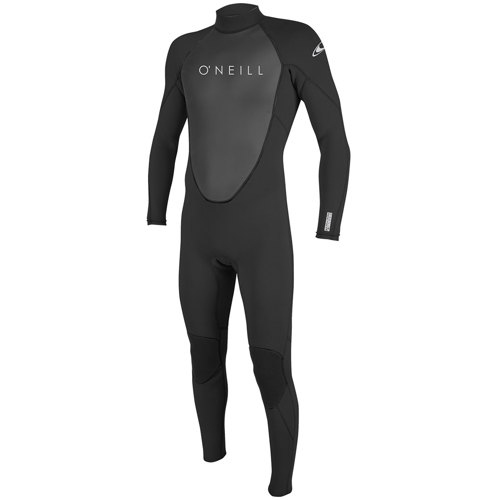
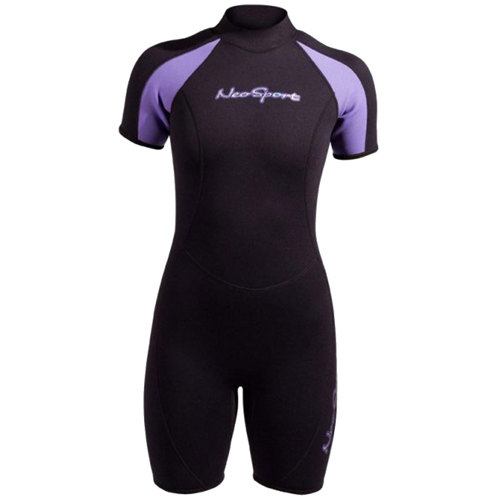
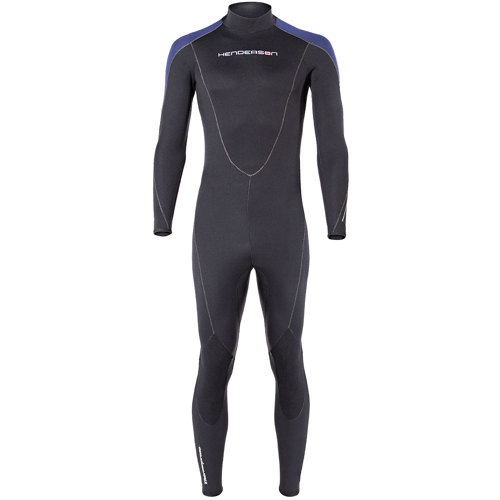
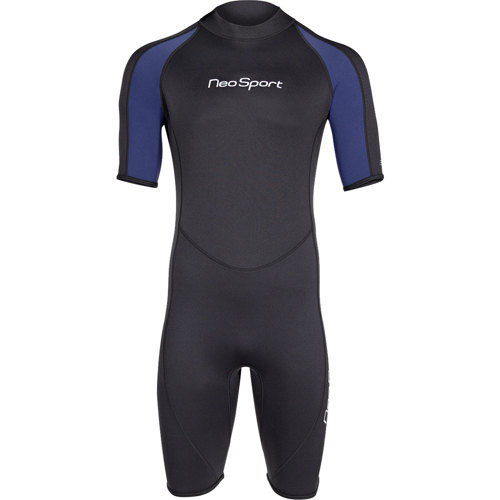
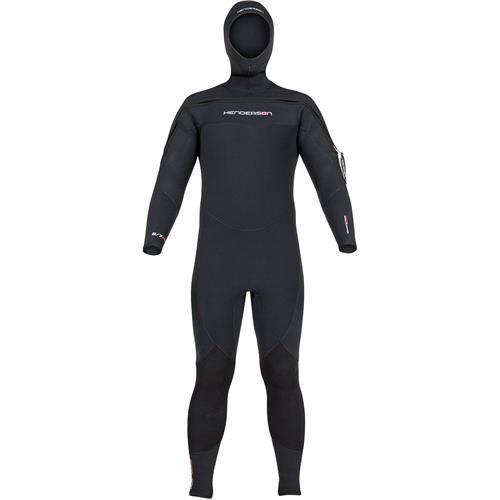
When selecting a wetsuit, durability is often top of mind for divers, snorkelers, surfers, and water sports enthusiasts who want to maximize their investment and ensure reliable performance season after season. Wetsuit durability is not just about how long the suit lasts, but how well it maintains its warmth, flexibility, and protection over time. The answer to the question, "Is the diving suit material durable?" depends on a combination of factors, including the quality and thickness of the neoprene, the construction of the seams, and the care you provide after each use. Premium neoprene varieties, such as limestone-based or high-grade Yamamoto neoprene, have earned a reputation for lasting longer and resisting the stiffening and cracking that can plague lower-quality alternatives. Thicker wetsuits—often in the 5mm to 7mm range—are favored by cold-water divers not only for their insulation but also for their robust structure, which tends to withstand the rigors of repeated use better than ultra-thin, performance-oriented suits. The entry style also plays a role in longevity; chest-zip wetsuits often outlast back-zip models due to fewer stress points and less water intrusion, which can erode seams and internal linings over time.
Care and maintenance are equally crucial in extending the lifespan of your wetsuit. After an invigorating winter dive or a brisk December surf, it’s tempting to toss your suit in the trunk and head home, but a few simple steps can make a world of difference. Rinsing your suit immediately with cool, fresh water removes salt, sand, and organic residue that can degrade neoprene fibers. Drying your wetsuit inside-out, in the shade, on a wide hanger prevents UV damage and avoids creasing or stretching the material. Never leave your wetsuit in direct sunlight or a hot car, as excessive heat and UV rays are notorious for accelerating material breakdown, leading to stiff, brittle neoprene. For cleaning, use only neoprene-specific cleansers and avoid harsh chemicals or machine washing, which can compromise the suit’s flexibility and cause seam failures. Fingernails and jewelry can easily nick or tear neoprene during donning and doffing, so it’s wise to keep nails trimmed and to handle the suit gently, especially around high-stress areas like the shoulders and cuffs. When storing, lay the suit flat or hang it on a wide, padded hanger to prevent folds or compression marks, which can become weak points over time.
Whether you’re a seasoned diver logging daily descents or a weekend adventurer enjoying occasional snorkeling trips, choosing a durable wetsuit is an investment in comfort, safety, and sustainability. For those searching for a thoughtful gift, a hardwearing wetsuit makes a practical and appreciated present for anyone passionate about underwater exploration, especially as the colder months set in and reliable insulation becomes even more critical. Visible signs of wear—such as cracking neoprene, seam failures, or persistent water intrusion—signal that it may be time for a replacement. Investing in a suit designed for longevity, and caring for it properly, ensures that your gear will stand up to the challenges of sun, salt, and repeated use. For a curated selection of options built to withstand the harshest conditions, explore our
Hardwearing Wetsuits collection, where you’ll find wetsuits engineered for maximum durability and performance in any season. With the right choice and a little routine care, you can count on your wetsuit to deliver reliable warmth and protection through countless underwater adventures.