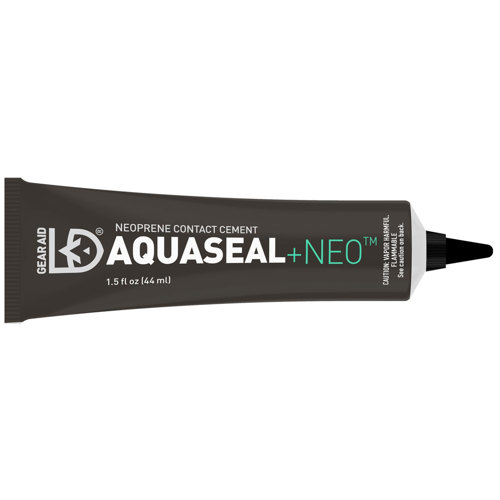
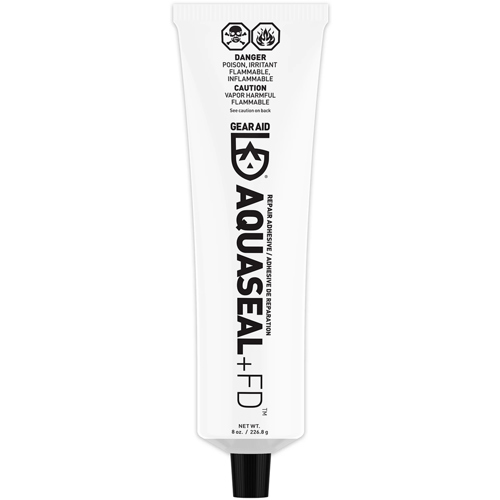
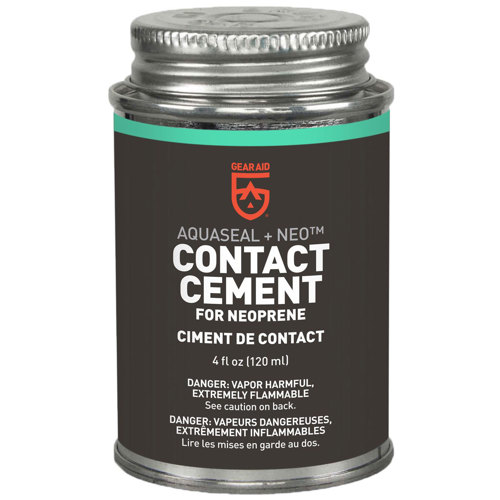
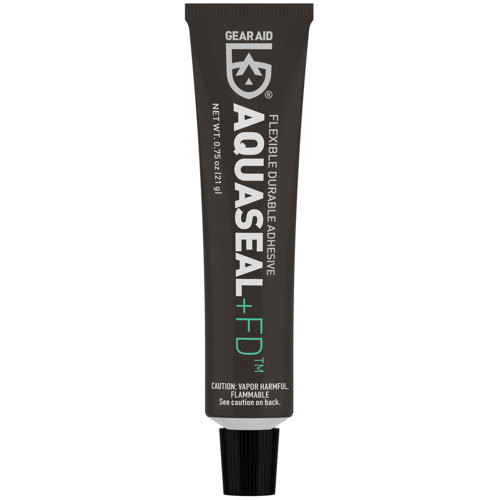
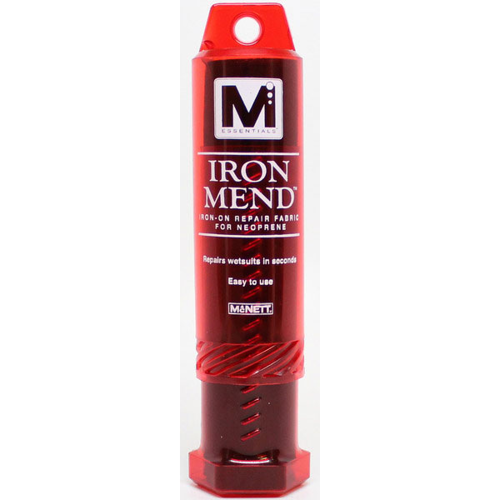
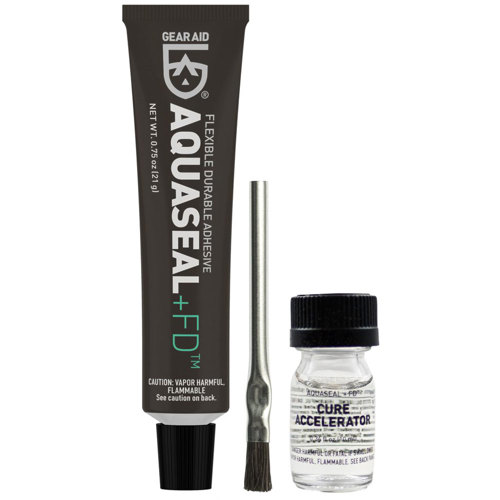
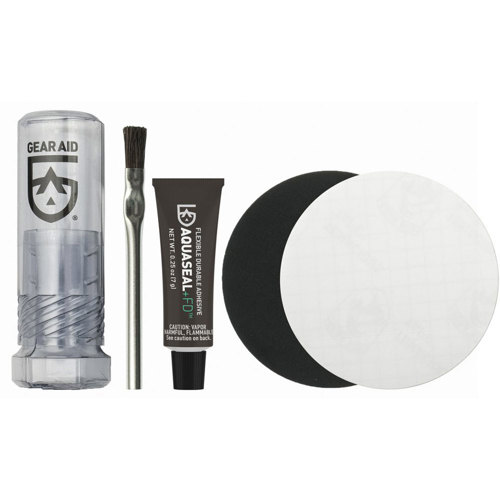
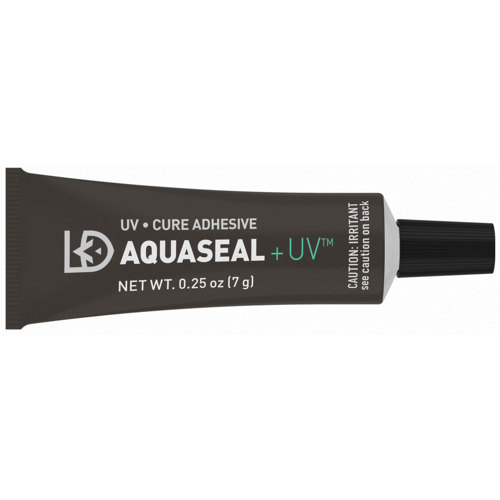
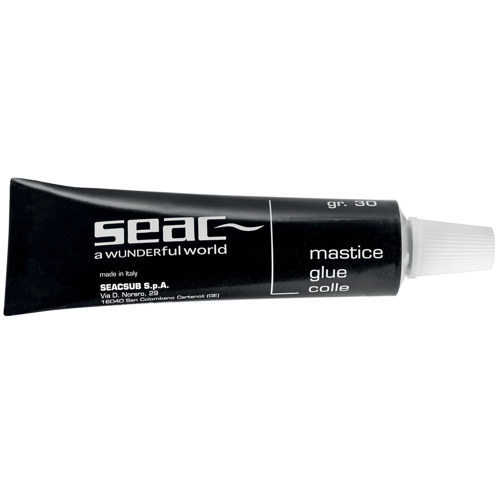
Wetsuit repair glues are an essential addition to any diver’s gear bag, especially as the winter chill lingers and water temperatures remain cool through February and into early spring. Whether you’re a seasoned diver, a weekend snorkeler, or someone who enjoys paddleboarding or surfing, the durability of your wetsuit is crucial for both comfort and safety. Neoprene, the material used in most wetsuits, is highly flexible and insulating but can be susceptible to small tears, seam splits, or abrasions after repeated use or an unexpected snag on rocks, coral, or boat ladders. A reliable glue for wetsuits is designed specifically for these situations, providing a waterproof, flexible bond that restores the suit’s integrity without compromising its stretch or comfort. For those who also use neoprene accessories—like gloves, hoods, and especially boots—knowing how to repair neoprene boots with the right adhesive can make the difference between an enjoyable dive and a cold, uncomfortable outing. The best neoprene repair glue for small tears will bond quickly, cure to a supple finish, and withstand repeated flexing, making it ideal not only for emergency fixes but also for preventative maintenance before your next trip.
Choosing the right wetsuit glue depends on the type and extent of the damage, as well as the conditions you’ll be diving or swimming in. Some glues are formulated for rapid, temporary repairs—perfect for patching a small nick just before heading out for a winter dive—while others are engineered for long-lasting, permanent fixes that can handle the rigors of repeated saltwater exposure and heavy use. TPE glue, for example, is known for its compatibility with thermoplastic elastomers and is sometimes used for sealing seams or reinforcing high-stress areas, but most divers rely on neoprene-based adhesives for their wetsuits and accessories. For small holes or tears, a thin application of wetsuit repair glue applied to a clean, dry surface and allowed to cure overnight will often restore full function to the suit. Anecdotally, many divers keep a tube of neoprene adhesive in their gear kit, recalling times when a quick patch saved a day of diving after a suit snagged on a sharp edge or zipper. These glues are not only practical for personal use but also make thoughtful gifts for dive buddies, instructors, or anyone who spends time in the water—especially as a stocking stuffer or part of a winter gear care package. They’re also invaluable for families with children in swim teams or surf clubs, where wetsuit wear and tear is a frequent occurrence.
Beyond wetsuits, these adhesives are versatile enough for repairing neoprene accessories, swim caps, and even some drysuit components. The application process is straightforward but benefits from a little patience and attention to detail: clean the damaged area thoroughly, apply a thin layer of adhesive, allow it to become tacky, and then press the edges together, securing with tape or a clamp if necessary. For best results, let the repair cure for at least 24 hours before exposing it to water or stretching. Storage tips—like keeping opened tubes in the freezer—can extend the shelf life of your adhesive, ensuring it’s ready whenever you need it. It’s important to avoid using regular super glue, as it dries rigid and can lead to further cracking or damage. For those tackling larger repairs or looking to supplement their adhesive with additional tools, check out our comprehensive selection of
Wetsuit Repair Tools for everything you need to keep your gear in top condition. Whether you’re preparing for a busy dive season or just ensuring your winter gear is up to the challenge, having the right wetsuit glue on hand means you’re always ready for your next underwater adventure.