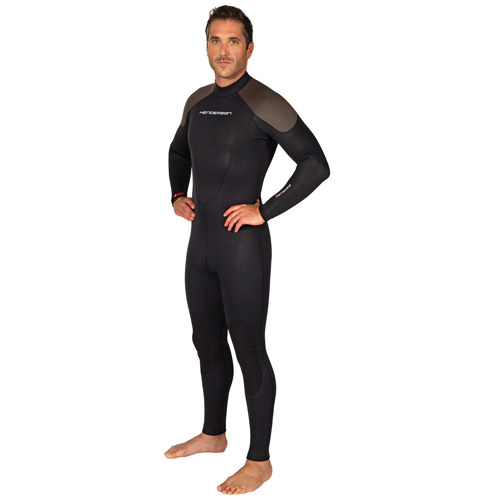
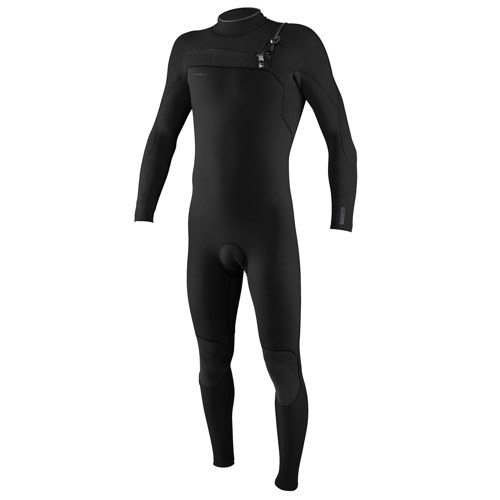
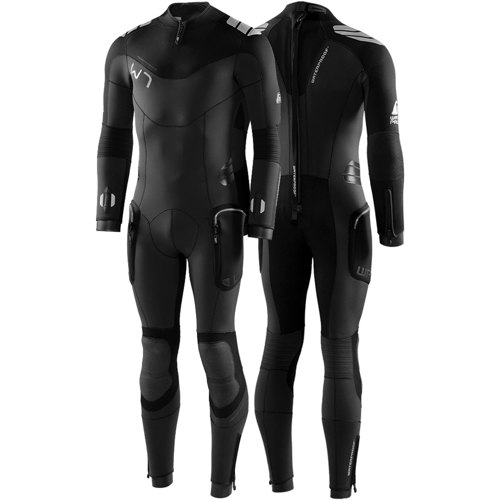
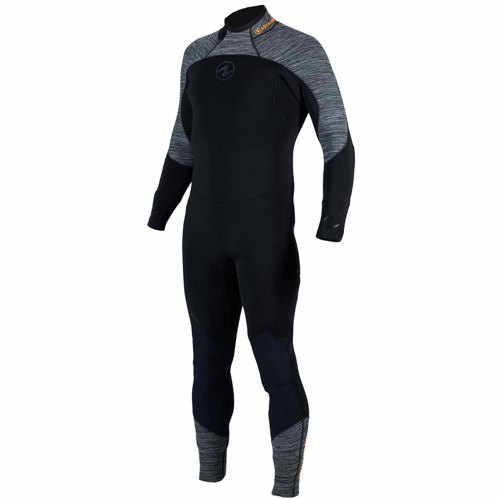
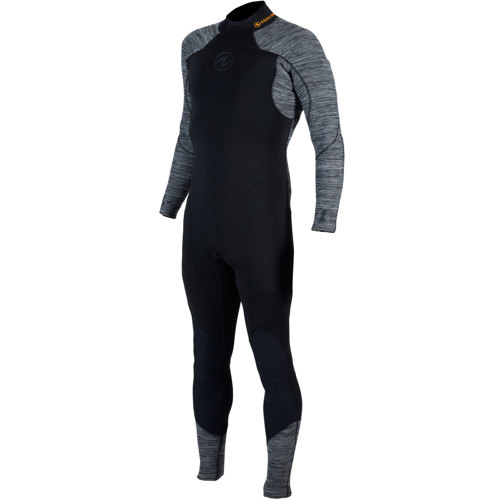
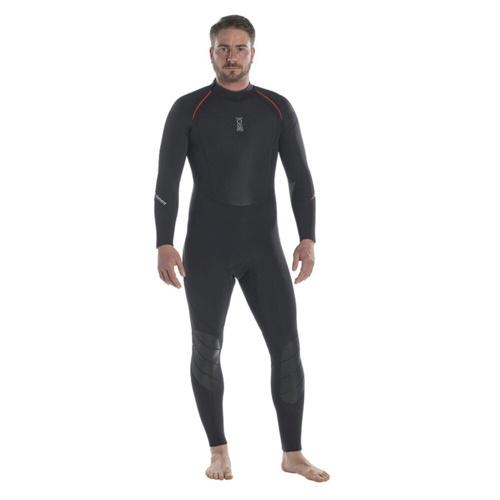
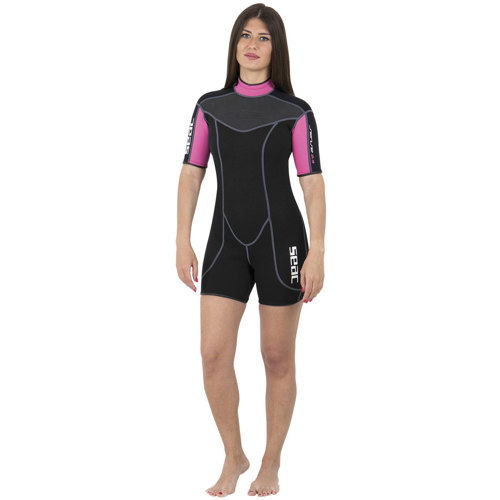
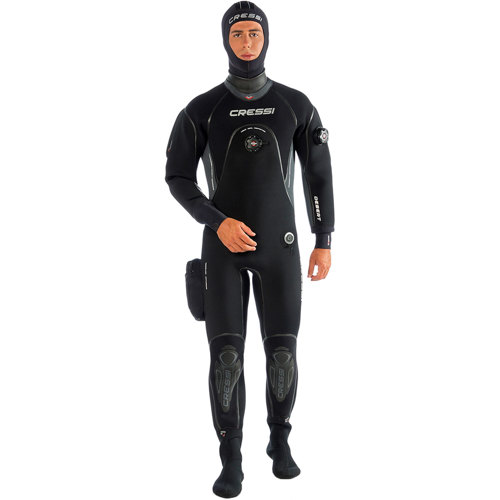
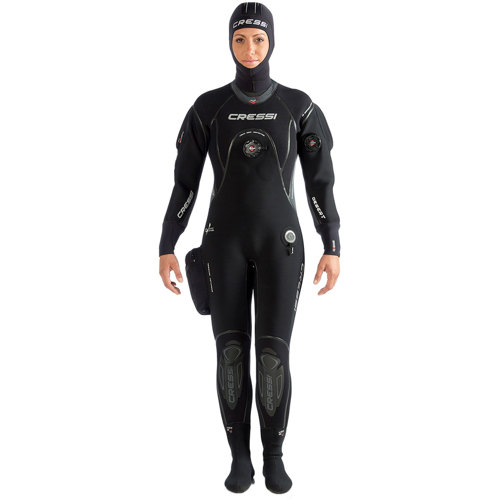
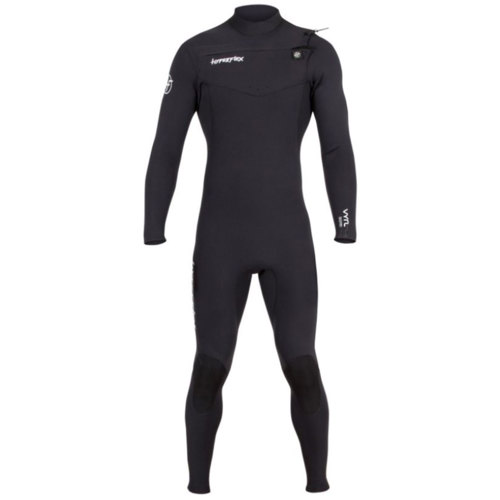
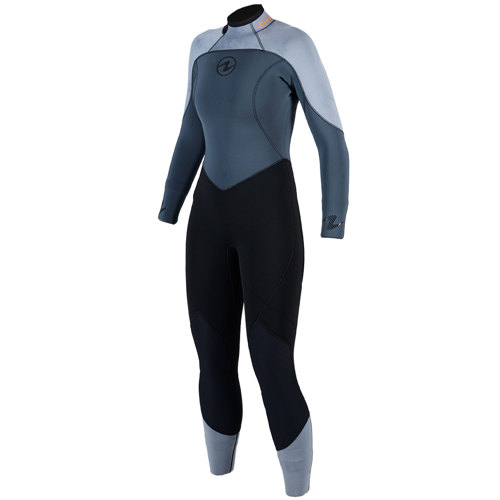
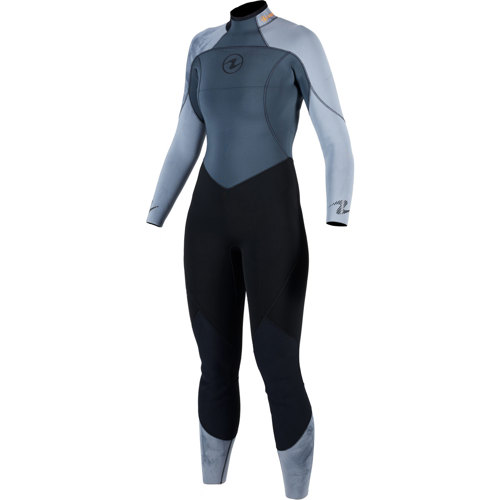
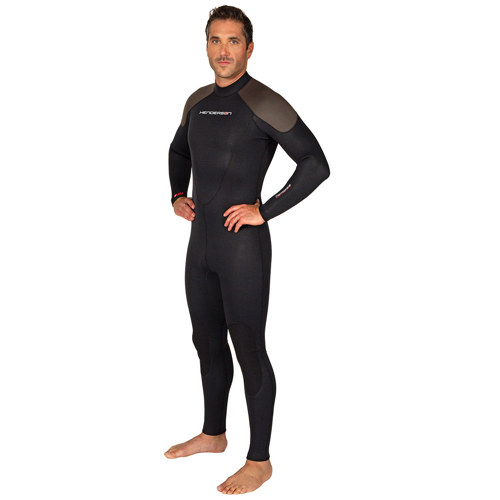
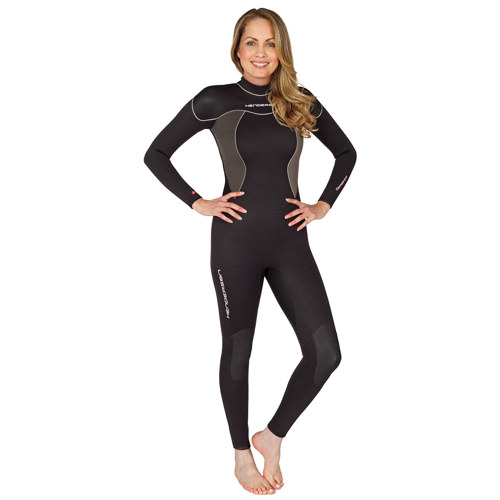
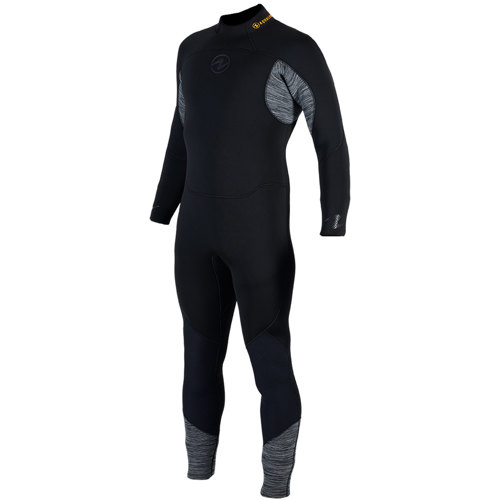
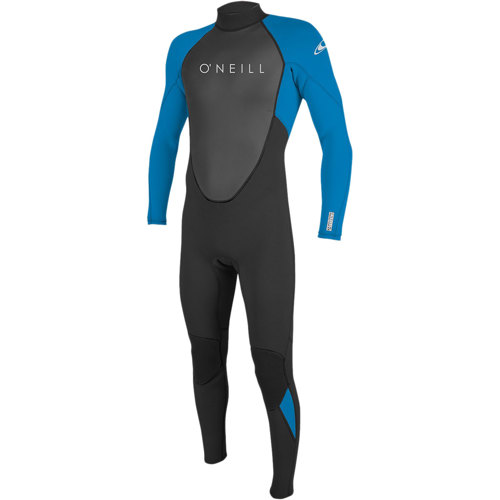
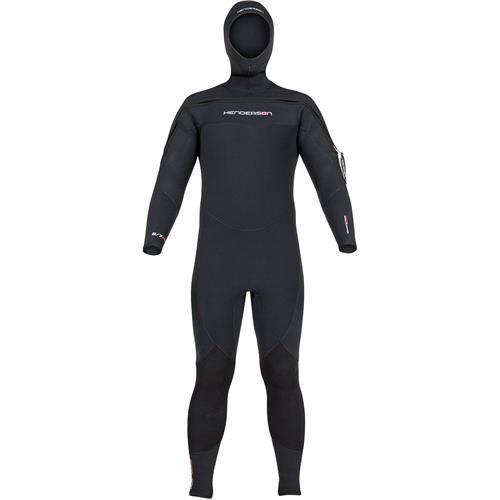
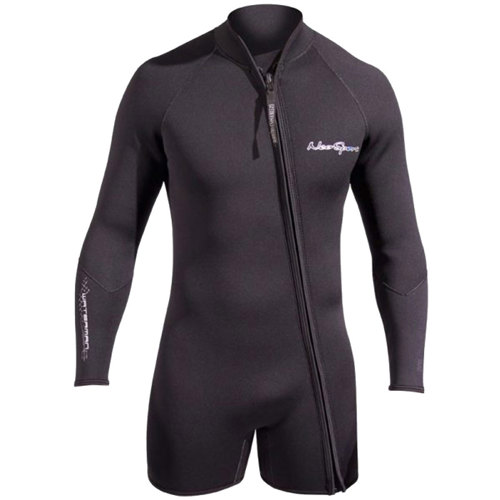
When selecting a wetsuit for diving, snorkeling, or any cold-water adventure, the type of seam construction can make a remarkable difference in both comfort and performance. Liquid taped seam wetsuits are engineered with a specialized technique that involves applying a liquid rubber or sealant over the stitched seams, creating a smooth, flexible, and watertight barrier. This construction is especially appreciated by divers and water sports enthusiasts who frequent colder environments, where the ability to retain warmth is critical for both safety and enjoyment. The liquid tape not only seals out water more effectively than traditional stitched seams but also moves with the body, offering a level of flexibility that’s noticeable during long surface swims or underwater exploration. For those who have experienced the chill of a slow leak during a winter dive or the discomfort of chafing from rough seams, upgrading to a wetsuit with liquid taped seams can feel transformative. The seamless interior reduces irritation against the skin, making it an excellent choice for anyone with sensitive skin or those who spend extended periods in their suit.
Liquid taped seam wetsuits are particularly popular among divers, surfers, and open-water swimmers who push their limits in challenging conditions. They’re also a thoughtful and practical gift for anyone committed to water sports year-round, especially as the winter months set in and water temperatures dip. Whether gearing up for a December dive trip to a northern lake, planning a winter surf session, or simply wanting to extend the season without sacrificing comfort, the extra insulation provided by liquid taped seams can make the experience more enjoyable and safer. These wetsuits are designed to handle the rigors of frequent use and exposure to the elements, with the reinforced seams offering enhanced durability against wear and tear. For those who have had wetsuits start to leak at the seams after only a season or two, the longevity provided by liquid taping is a welcome upgrade. Even after repeated cycles of donning and doffing, the seams maintain their integrity, helping your investment go further.
When comparing options, it’s important to consider not just the type of seam but how it fits into your overall needs and budget. Liquid taped seam wetsuits typically come at a higher price point due to the advanced construction process, but many find the additional warmth, flexibility, and durability well worth it—especially for regular use in colder waters. If you’re exploring all seam types, you might also find it helpful to learn about
Glued Seams Wetsuits, which offer another approach to minimizing water entry and maximizing comfort. Ultimately, the right wetsuit becomes more than just a piece of gear—it’s a trusted companion on every adventure, whether you’re navigating kelp forests, exploring shipwrecks, or simply enjoying the quiet of an early morning swim. The peace of mind that comes from knowing your suit will keep you warm and protected, dive after dive, is invaluable, allowing you to focus on the beauty and excitement of the underwater world.