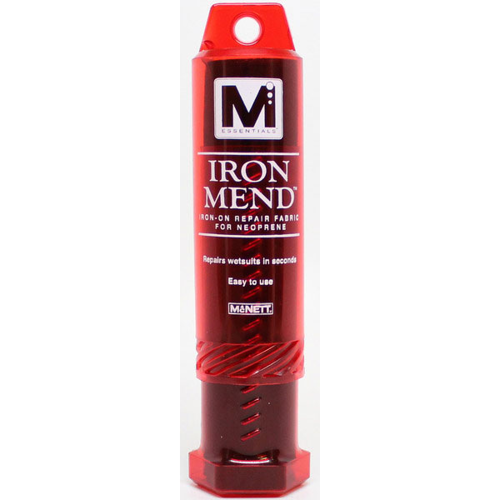
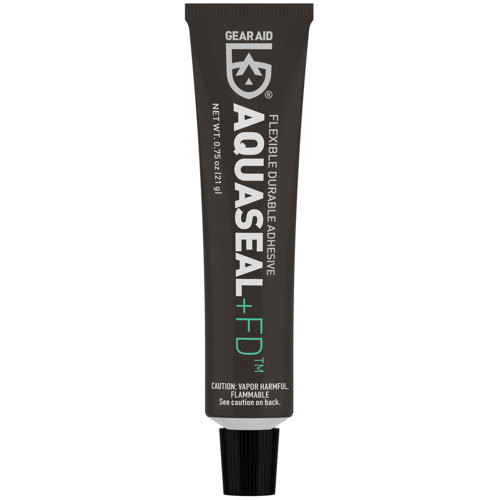
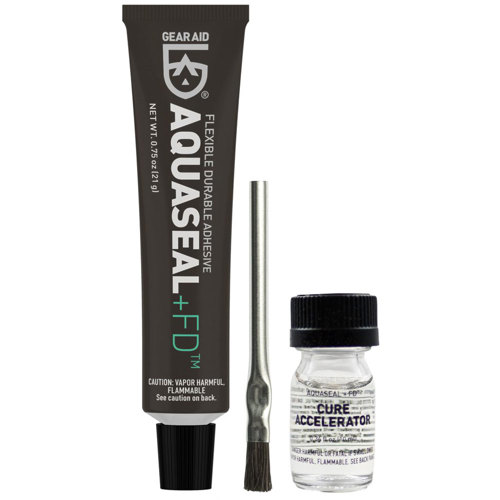
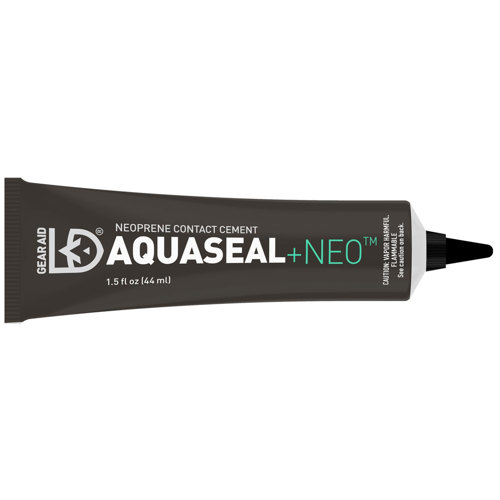
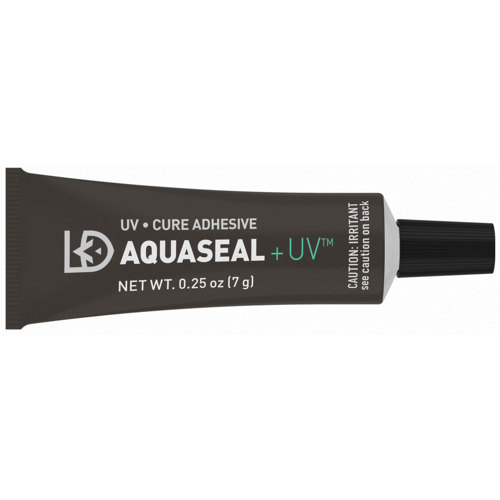
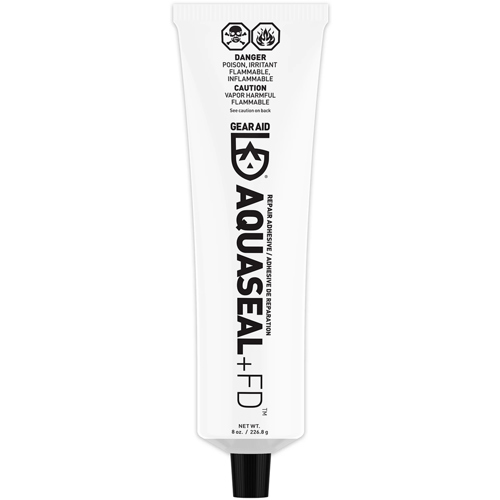
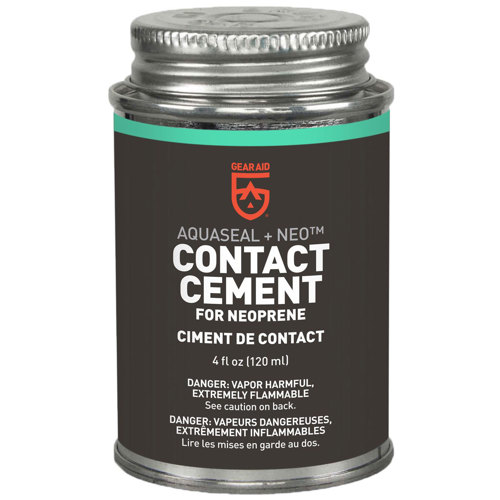
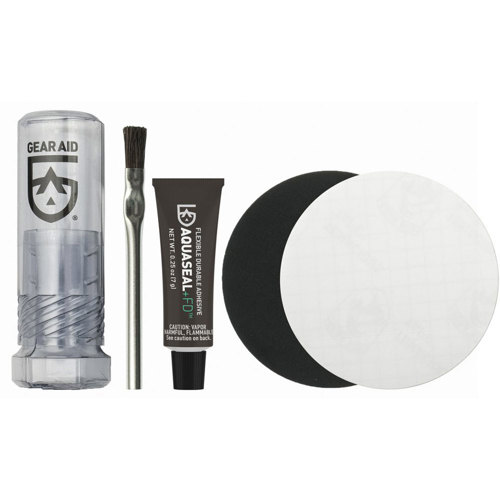
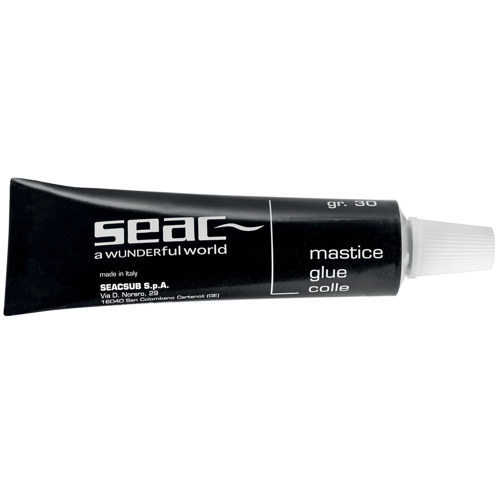
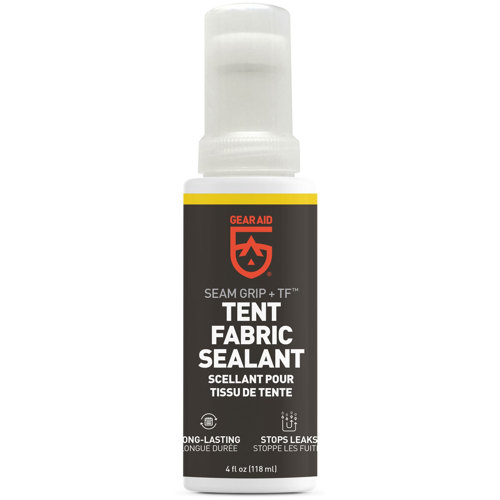
Wetsuit hole repair is an essential skill and consideration for anyone who spends time in the water, whether you’re a dedicated scuba diver, a passionate snorkeler, or a weekend paddleboarder. Even the most durable wetsuits are susceptible to the occasional nick, tear, or puncture—especially after a winter of storage or heavy use in rocky environments. As spring approaches and the water calls, it’s common to pull out your trusty wetsuit and discover a hole in the neoprene, perhaps from an encounter with sharp coral, a stray fin, or the simple wear and tear of repeated donning and doffing. Repairing these imperfections quickly not only preserves the insulating properties of your suit, keeping you warm and comfortable during early-season dives, but also extends the life of your investment. The right adhesive for neoprene is the key to a lasting repair, and there are subtle but important differences between products that every water enthusiast should be aware of. For example, when comparing aquaseal fd vs neo, each type of glue for neoprene rubber offers unique benefits: some are formulated for flexibility and waterproofing, while others excel at quick bonding or patching larger areas. Choosing the right neoprene glue depends on the size and location of the damage, as well as the type of wetsuit you own—open cell suits, for instance, require a more flexible adhesive to prevent uncomfortable stiffness or re-tearing.
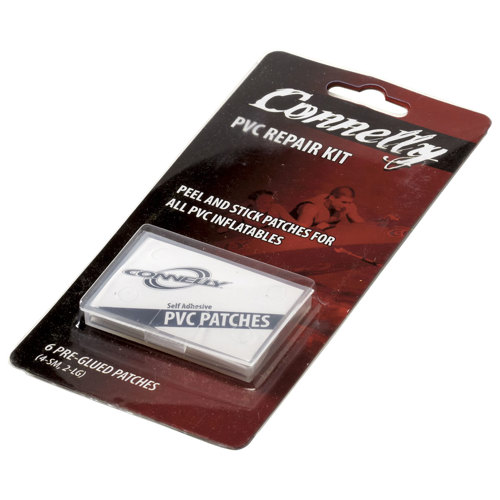
For those who are new to wetsuit maintenance, or for seasoned divers who want to ensure their gear is always ready for action, wetsuit hole repair kits and supplies make thoughtful and practical gifts. They’re a staple in the kit of any diver who travels frequently or spends extended periods at remote dive sites, where access to professional repairs may be limited. Having a reliable adhesive for neoprene or a patch kit on hand means you can address unexpected damage on the spot, avoiding the disappointment of a cut-short adventure. The process is straightforward but requires attention to detail: the neoprene must be thoroughly cleaned and dried, and the glue for neoprene rubber should be applied in thin, even coats, with adequate curing time to ensure a strong, flexible bond. For larger tears or damaged seams, patch materials and sometimes even a needle and thread are necessary, followed by sealing with neoprene glue to restore the wetsuit’s integrity. The satisfaction of repairing your own gear is matched only by the confidence it brings—knowing you’re prepared for whatever the water throws your way. Whether you’re patching a small nick before a chilly March dive or reinforcing a seam after a season of hard use, the right repair supplies are indispensable.
If you’re preparing for the new season or looking to equip a fellow water lover, exploring a comprehensive selection of
Wetsuit Repair Supplies is a smart first step. These products are designed for both quick fixes and more substantial repairs, ensuring your wetsuit remains watertight, flexible, and comfortable for many adventures to come. With the right knowledge and materials at your disposal, a hole in a wetsuit becomes a minor inconvenience rather than a major setback. Repairing your wetsuit not only saves money but also reduces waste—helping you get the most out of your gear while minimizing environmental impact. As you gear up for spring dives and aquatic exploration, having trusted repair solutions on hand means you can focus on the excitement of the underwater world, secure in the knowledge that your equipment is ready for whatever lies ahead.