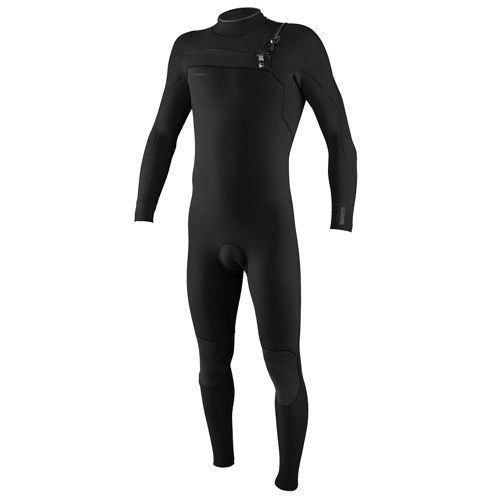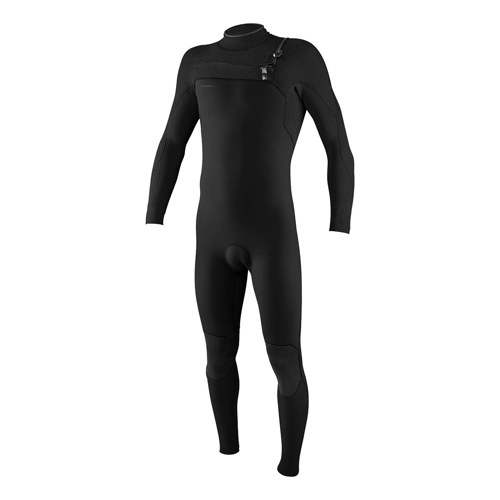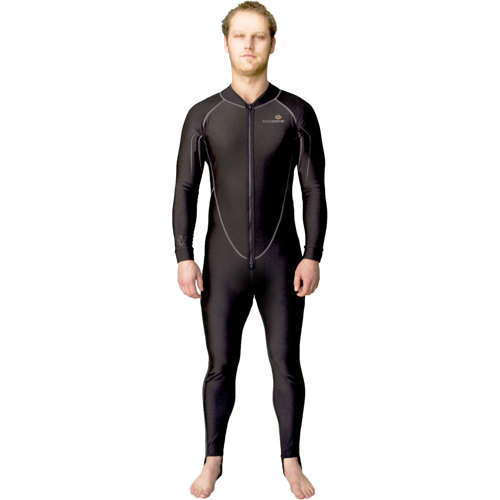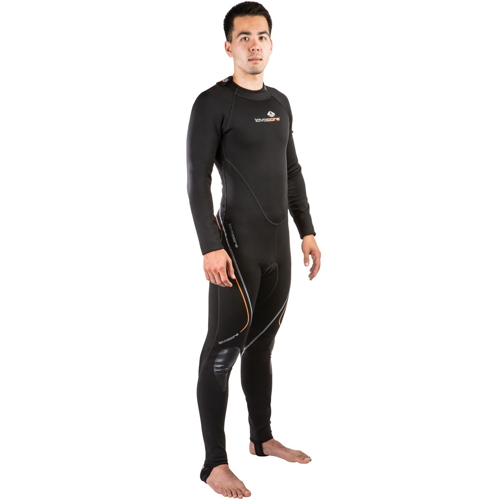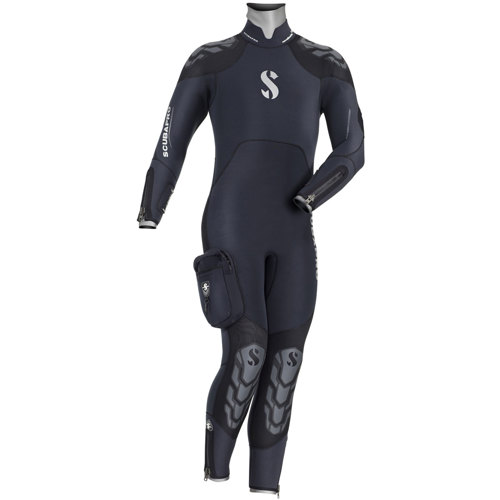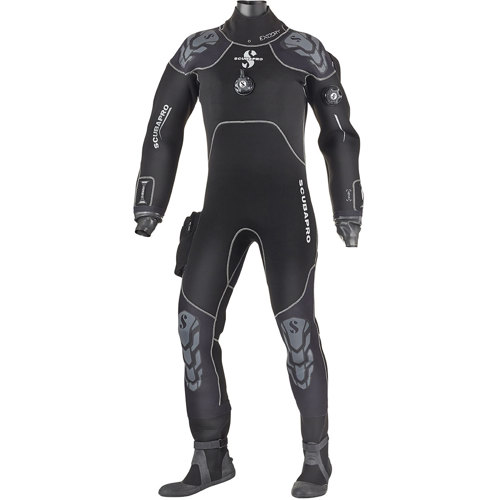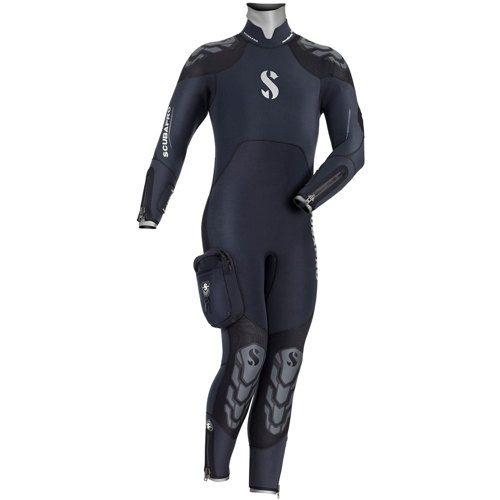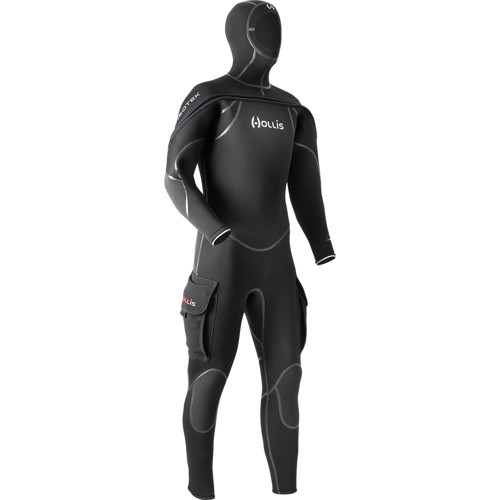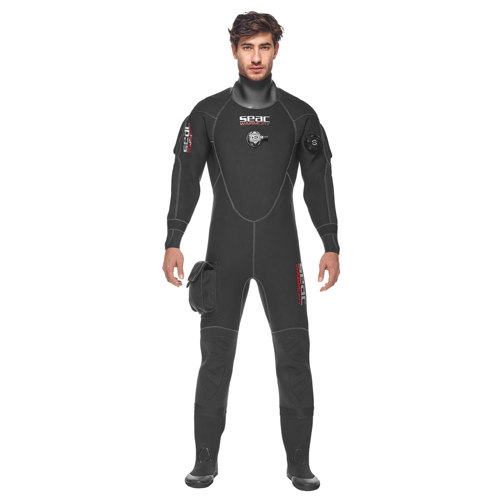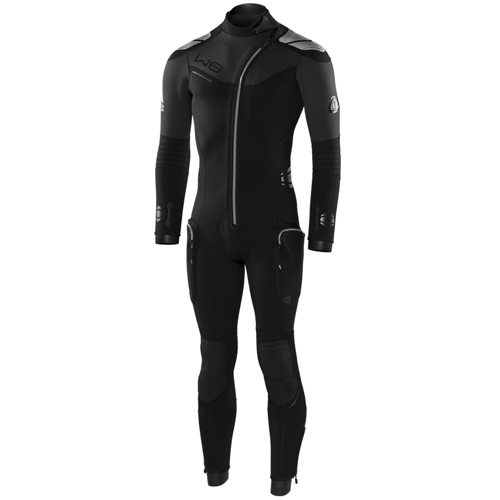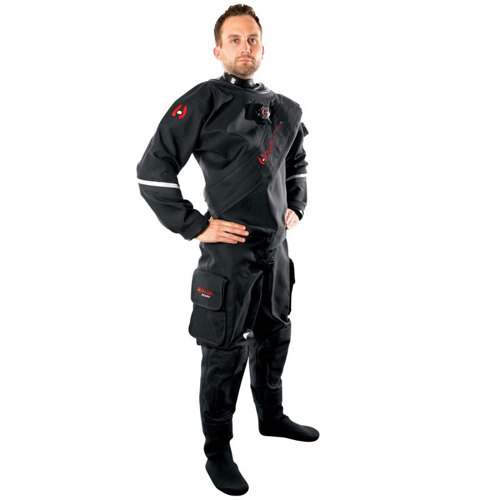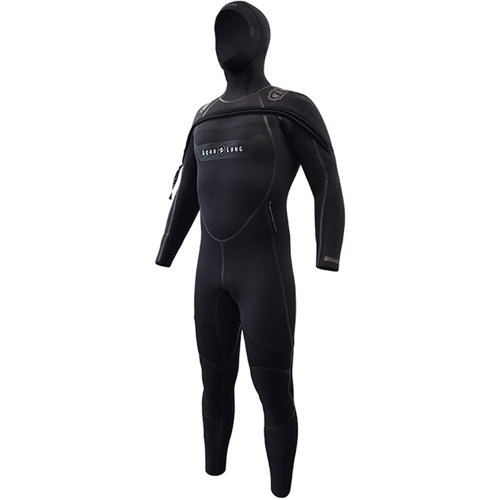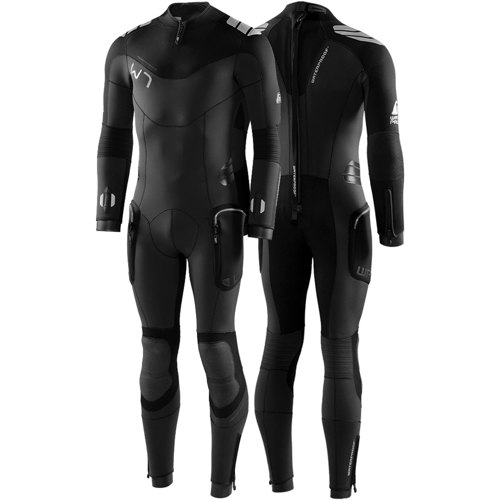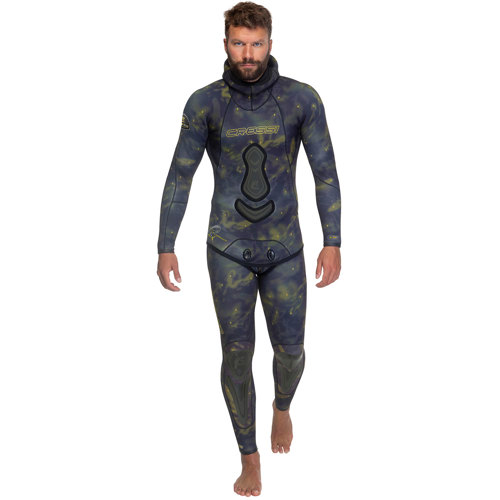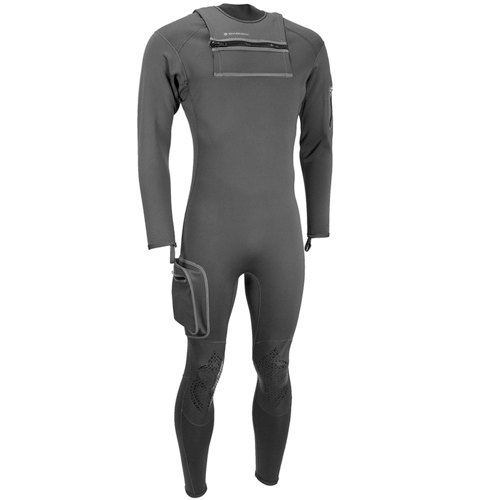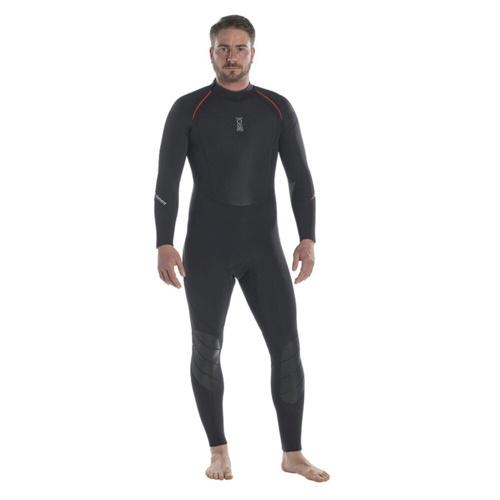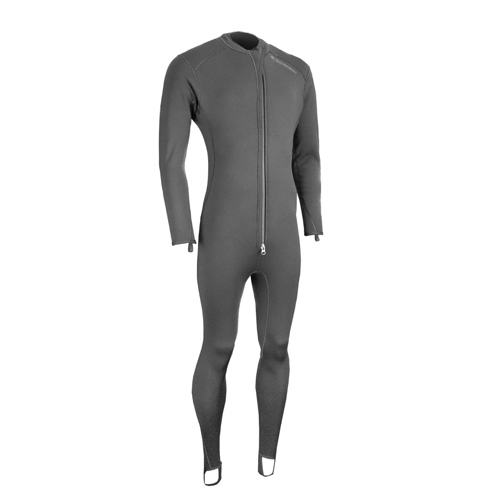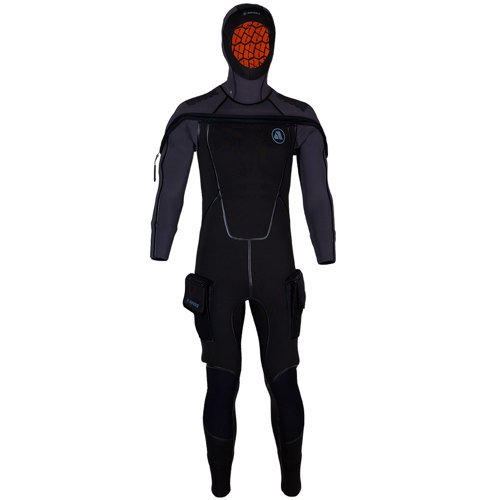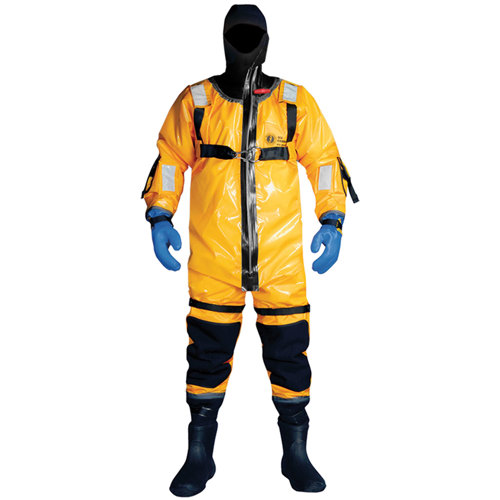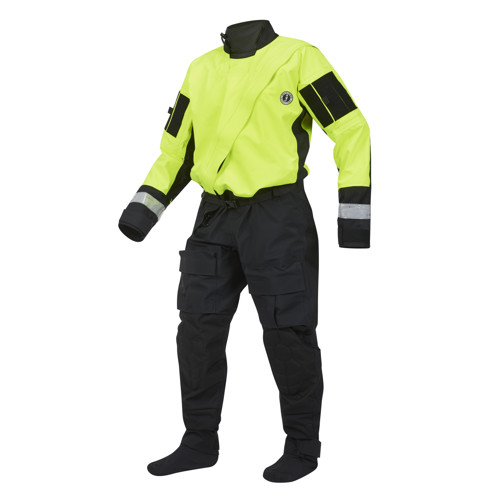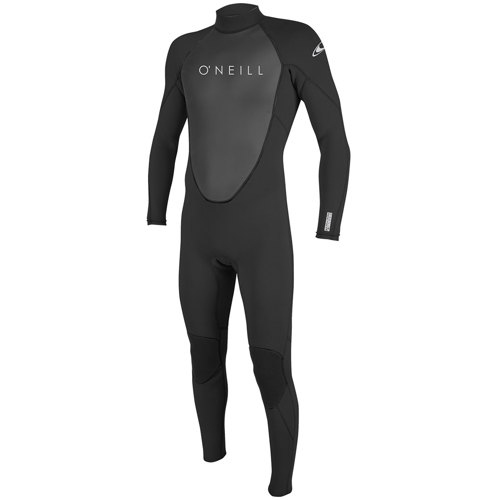
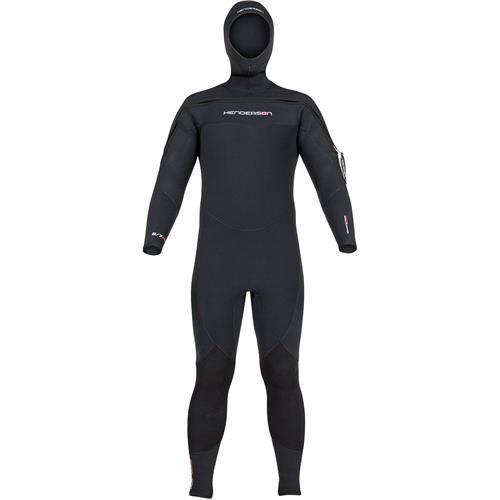
Water ingress suits, often referred to as immersion suits or drysuits, serve as a vital line of defense for anyone venturing into cold or unpredictable waters. Whether you’re a commercial mariner, offshore worker, rescue professional, or an adventurous diver braving the chillier months, these suits are engineered to provide maximum thermal protection and buoyancy in the event of accidental immersion. As autumn approaches and water temperatures begin their seasonal drop, the importance of a reliable water ingress suit becomes even more pronounced. The design and construction of these suits focus on preventing water from entering, as even minimal ingress can compromise insulation, increase the risk of hypothermia, and reduce buoyancy. The seams, cuffs, and zippers are meticulously crafted and tested to ensure watertight integrity, adhering to stringent international safety standards such as those set by SOLAS and the International Maritime Organization. Features like integrated hoods, extended zippers, and robust seals are not just conveniences—they’re critical for survival, especially in rough seas or during prolonged exposure.
Choosing a water ingress suit involves careful consideration of several factors to ensure both safety and comfort. The fit must be snug yet allow for mobility, as excessive looseness can allow cold water to pool, while a suit that’s too tight can restrict movement and make donning or doffing difficult in an emergency. Material selection also plays a key role; high-quality neoprene or advanced trilaminate fabrics offer excellent thermal retention and flexibility, while reinforced areas around high-stress points such as the zipper and cuffs help prevent wear and tear that could lead to leaks. Regular inspection is essential, as even minor damage—like pinhole leaks, delamination at seams, or compromised glove and zipper seals—can significantly reduce the suit’s effectiveness. Many professionals rely on routine air pressure or visual leak tests to verify watertight integrity, and it’s not uncommon for experienced divers to share stories of discovering a tiny seam split only after a sudden chill in the water reminded them of the importance of vigilance. Proper maintenance, including thorough drying and careful storage away from direct sunlight or chemicals, can extend the lifespan of a suit and maintain its protective qualities. For those who may not have the expertise or equipment to perform detailed inspections, seeking service from a qualified technician or the manufacturer’s representative is a wise investment in personal safety.
Water ingress suits are not only indispensable for professionals—they also make thoughtful, practical gifts for dedicated water sports enthusiasts or loved ones who enjoy exploring the underwater world year-round. Gifting a high-quality suit demonstrates care for their safety and comfort, especially as the days grow shorter and water temperatures drop. These suits are often packed with thoughtful features, like integrated boots or gloves, which can make a significant difference during unexpected situations. For those seeking even more tailored solutions, exploring specialized options—like those found in our
Drysuit Solutions collection—can provide additional peace of mind and performance enhancements. Ultimately, whether you’re preparing for a late-season dive, working on deck in unpredictable weather, or ensuring your emergency gear is up to standard, investing in a well-constructed, properly maintained water ingress suit is an essential step toward safety and confidence on the water.