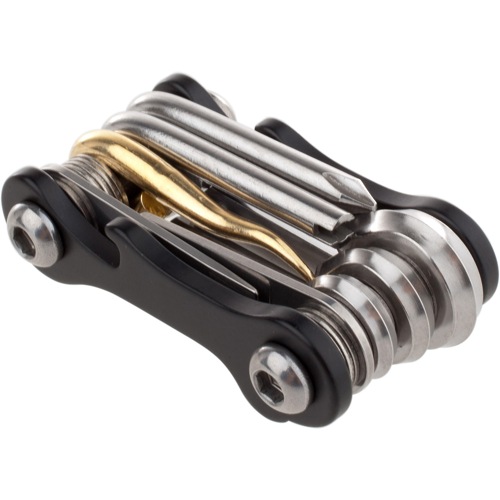
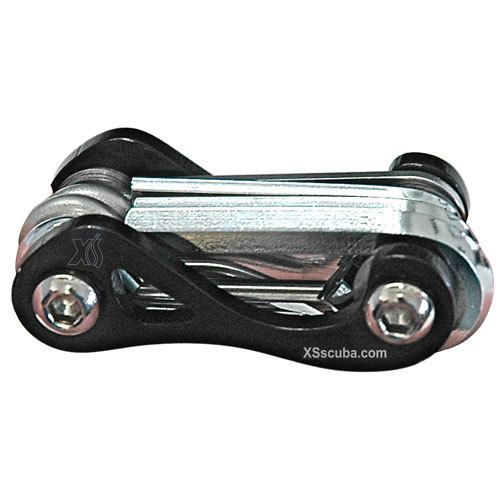
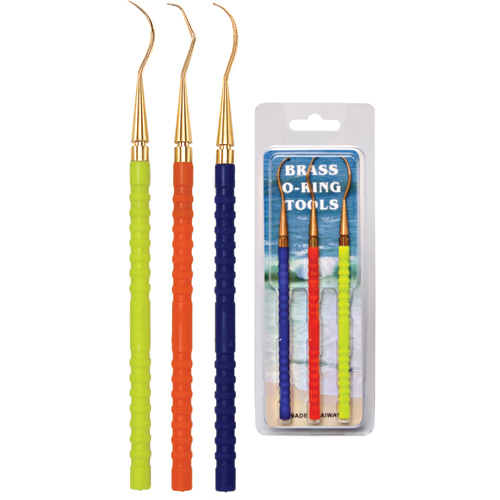
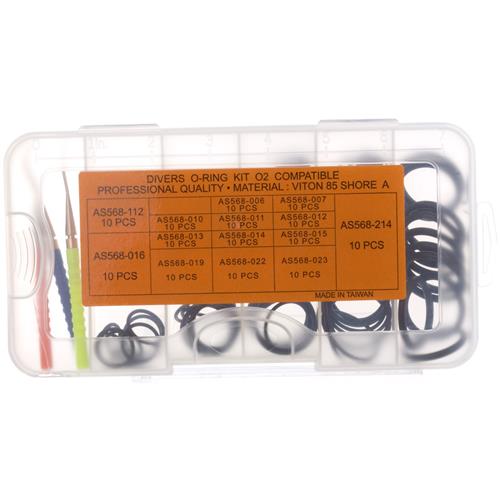
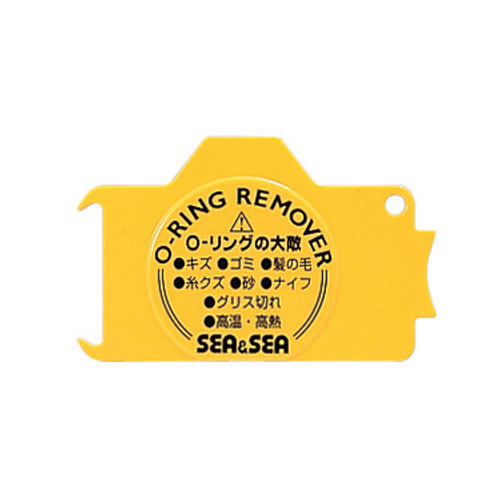
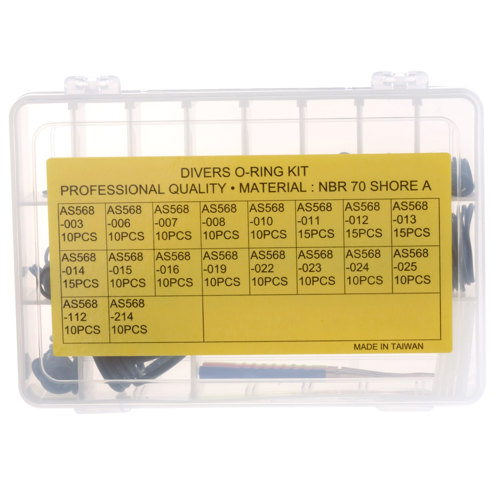
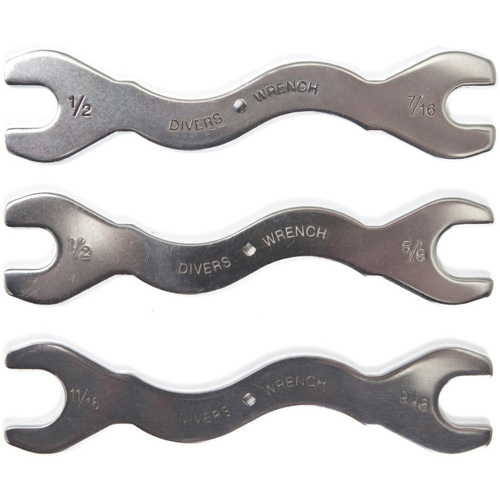
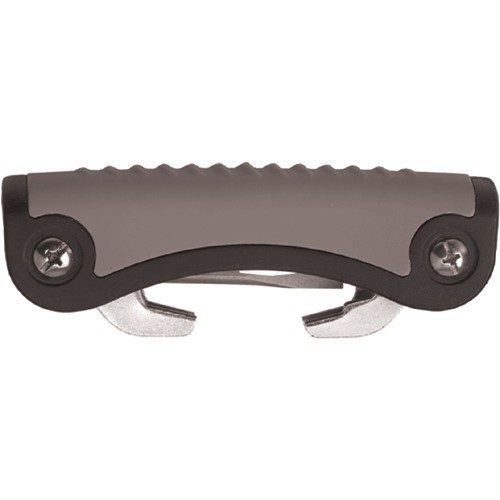
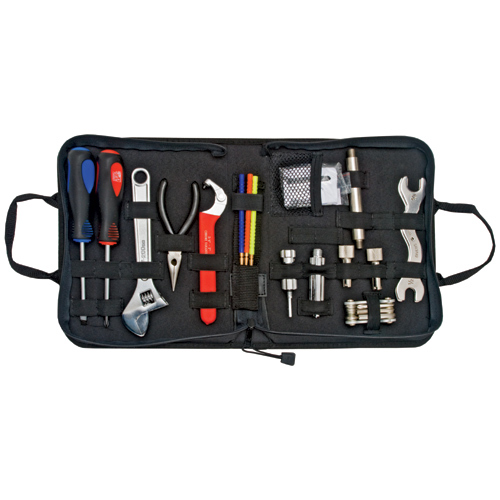
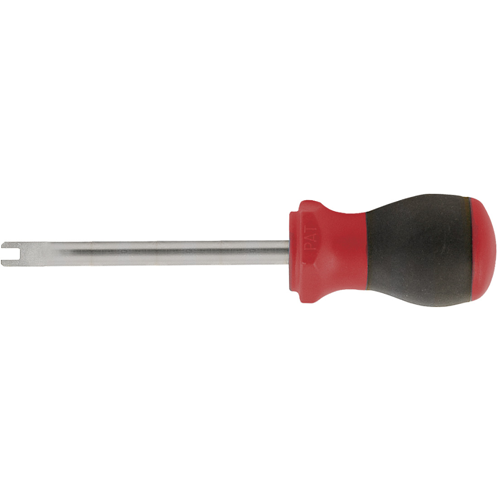
Whether you’re a seasoned underwater photographer or just starting to capture the vibrant world beneath the surface, maintaining your camera housing is essential for protecting your equipment and preserving those once-in-a-lifetime shots. O-ring removal tools are a small but crucial part of this process, designed specifically to help safely extract O-rings from camera housings without causing damage. These tools are invaluable for anyone who spends time in saltwater or freshwater environments, from avid divers exploring tropical reefs as the weather warms, to underwater videographers documenting marine life during the cooler months. The O-ring acts as the primary seal, keeping water out of your camera housing, so its proper care and maintenance are non-negotiable for reliable underwater photography. Using the right removal tool—typically crafted from soft plastic, resin, or brass—ensures you can lift the O-ring from its groove without scratching or scoring the delicate sealing surfaces. Unlike makeshift tools or sharp objects, which can easily nick or stretch the O-ring or damage the housing, these purpose-built tools are shaped and finished to gently coax the O-ring free, preserving both its integrity and the watertight seal.
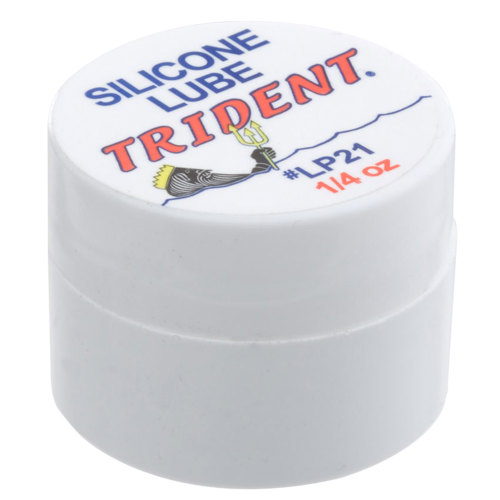
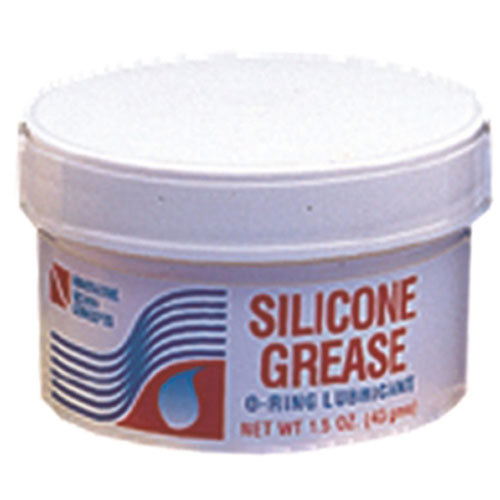
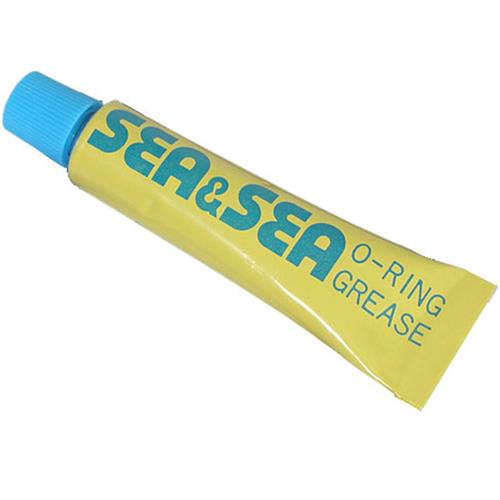
Selecting the right O-ring removal tool is about more than just convenience; it’s about extending the life of your camera housing, preventing costly repairs, and ensuring peace of mind every time you descend. For divers who travel frequently, compact and lightweight tools are ideal for stashing in a camera kit or travel bag, ready for quick maintenance between dives. Those who enjoy gifting practical gear will find O-ring removal tools make thoughtful presents for underwater photographers, dive instructors, or anyone passionate about marine exploration—especially as new dive seasons approach and gear checks become routine. The process of removing, inspecting, and lubricating O-rings is a ritual for many divers, often performed with care and patience at the end of a long dive day, rinsing salt and sand from housings before settling in to review the day’s images. After removing the O-ring, it’s best practice to clean the groove with a lint-free cloth and inspect the ring for any signs of wear, like nicks or stretching. Only a thin layer of manufacturer-approved lubricant should be applied before reinstalling, as over-greasing can attract debris. This careful attention to detail helps prevent leaks and ensures that your camera is ready for the next adventure, whether you’re shooting kelp forests, coral atolls, or shipwrecks cloaked in mystery.
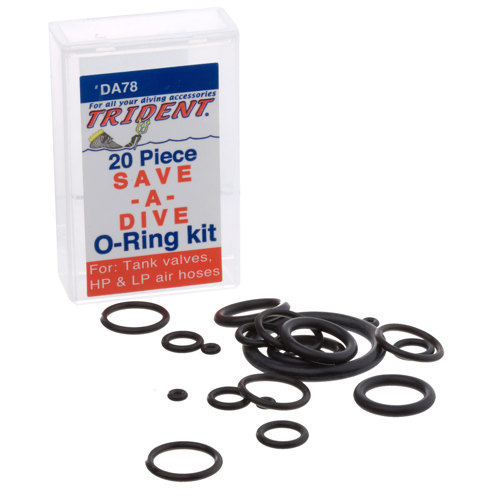
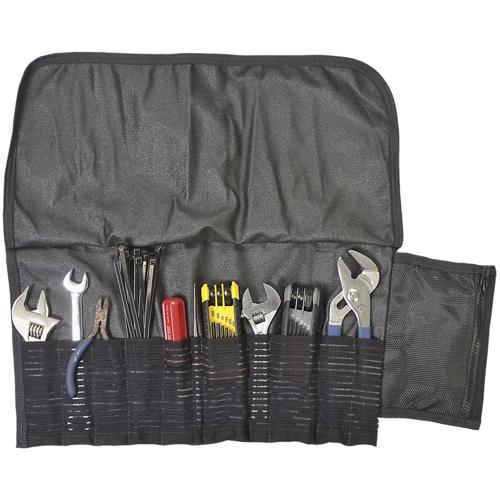
For those looking to further enhance their underwater imaging setup, pairing your O-ring removal tool with other maintenance essentials is a smart move. Regularly checking and replacing O-rings, storing spares in protective cases, and understanding the nuances of your specific camera housing all contribute to a hassle-free experience below the waves. If you’re interested in learning more about the different types of seals and how they work in harmony to protect your equipment, you can explore our comprehensive overview at
Underwater Camera Seals. Whether you dive for research, recreation, or artistic expression, investing in the right tools and following a consistent maintenance routine will keep your camera safe and your focus where it belongs—on the breathtaking beauty of the underwater world.