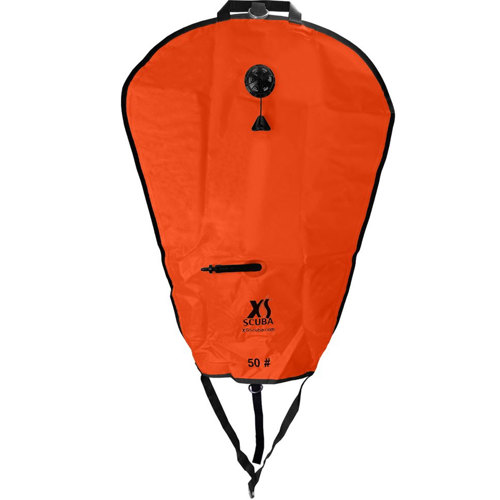
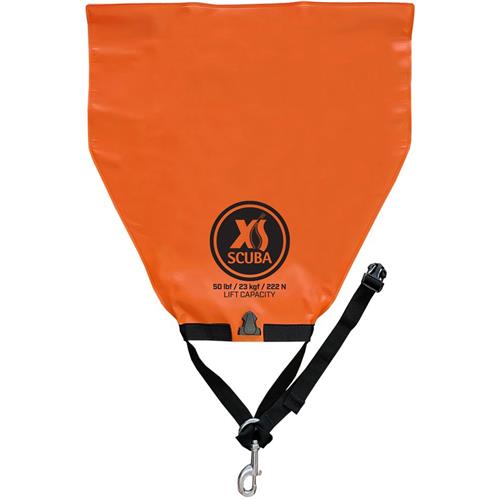
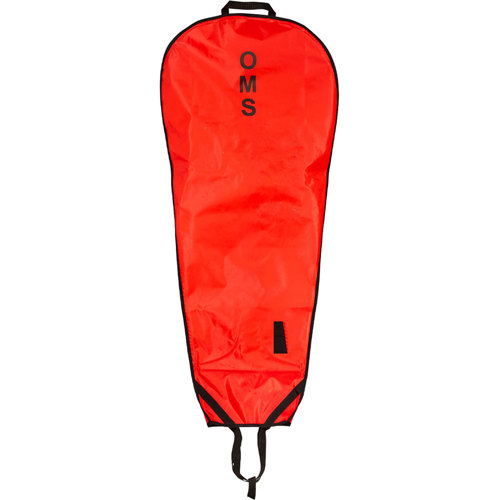
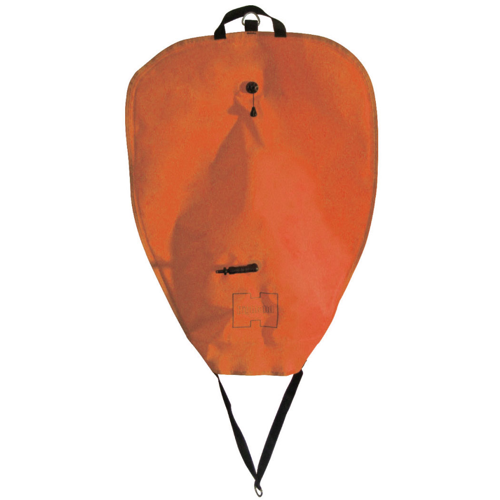
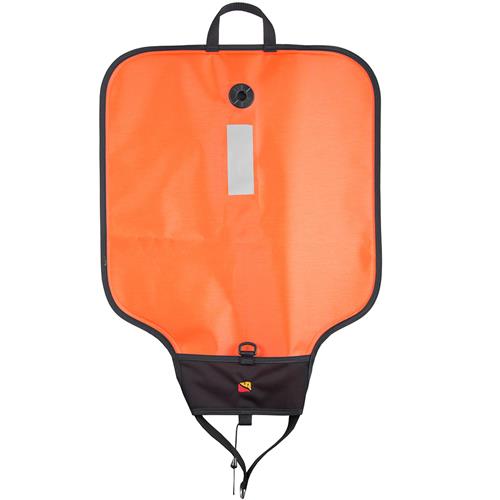
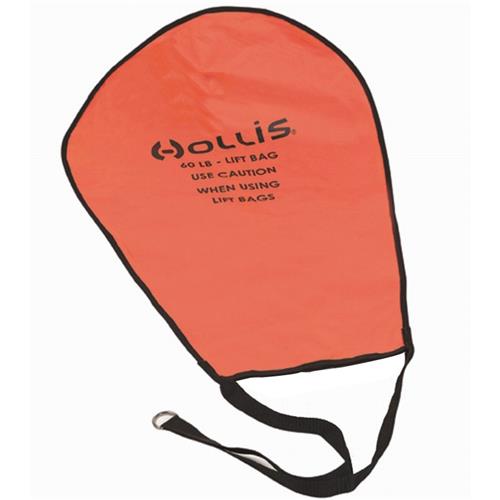
Treasure recovery lift bags are an essential piece of equipment for divers involved in underwater salvage, archaeological exploration, or even recreational treasure hunting. As the weather warms and diving conditions become more favorable, more enthusiasts and professionals alike take to lakes, rivers, and coastal waters to uncover long-lost artifacts, sunken valuables, or simply to assist in the retrieval of heavy objects from the depths. These specialized lift bags, crafted from robust, urethane-coated nylon, are designed to safely and efficiently raise submerged items to the surface. They come equipped with vital safety features such as overpressure valves, which prevent accidental rupture during ascent, and dump valves that allow for precise control of buoyancy. Whether you’re maneuvering a centuries-old anchor, a cache of coins, or a heavy piece of equipment, the right lift bag ensures that your recovery operation is both safe and successful.
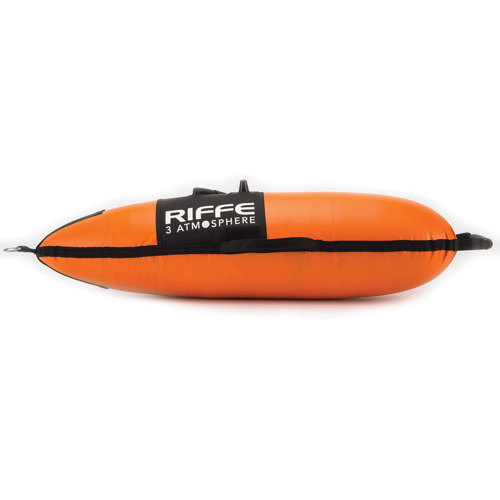
When selecting a treasure recovery lift bag, it’s important to consider the type and weight of the object you plan to recover, as well as the specific conditions of your dive site. Open bottom (parachute) bags are a favorite among divers for their ease of use and stable lifting properties, particularly when working at depth or in current. Enclosed pillow bags offer greater lift capacity and are ideal for operations in shallower water where a more controlled ascent is required. Surface marker buoys (SMBs) can be used for lighter loads and serve the dual purpose of marking your location for surface support. For optimal safety and performance, choose a bag with a lift capacity at least 25-30% greater than the object’s weight, factoring in the additional force needed to break suction from the seabed or dislodge objects from silt and debris. Always use a separate air source to fill your lift bag, and never attach it directly to yourself—this ensures that you can maintain control and react quickly should the lift become unstable. Managing the expanding air as you ascend is crucial; dump valves allow you to release air and prevent the bag from becoming dangerously buoyant. These best practices are not just recommendations—they’re the result of years of experience and lessons learned by the diving community, making them essential knowledge for anyone venturing into treasure recovery.
Treasure recovery lift bags make thoughtful gifts for certified divers, underwater archaeologists, or anyone passionate about marine history and exploration. For those who enjoy the thrill of discovery, these bags open up new possibilities, from retrieving lost fishing gear to assisting in environmental cleanup. They’re also invaluable tools for dive teams working on restoration projects or helping to clear waterways of debris. When preparing for your next underwater adventure, take time to assess the unique challenges of your dive environment and select the right lift bag for the job. If your focus is on heavier or more cumbersome objects like anchors, be sure to explore the specialized options available on our
Anchor Recovery Lift Bags page for additional guidance. With the proper equipment, a bit of planning, and a respect for safety protocols, treasure recovery can be a rewarding and unforgettable experience, whether you’re diving in the balmy days of summer or as the season transitions into the cooler months.