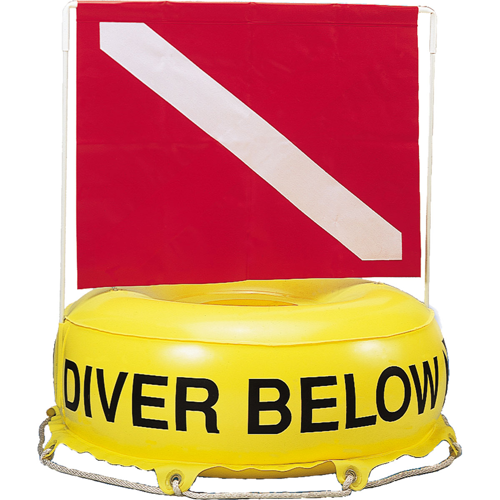
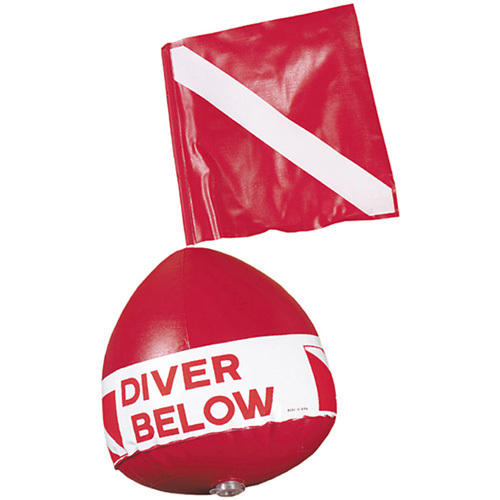
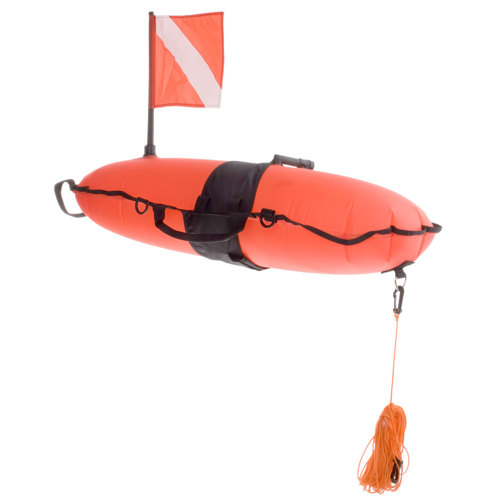
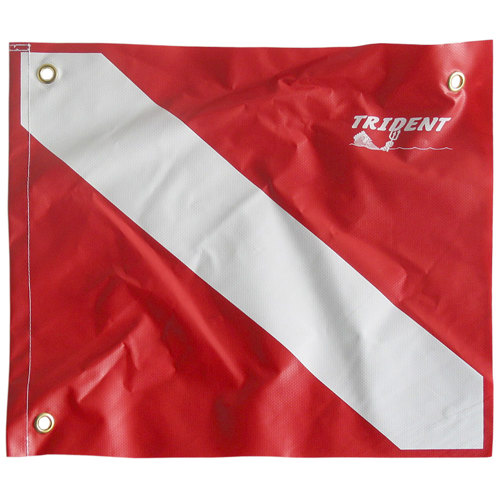
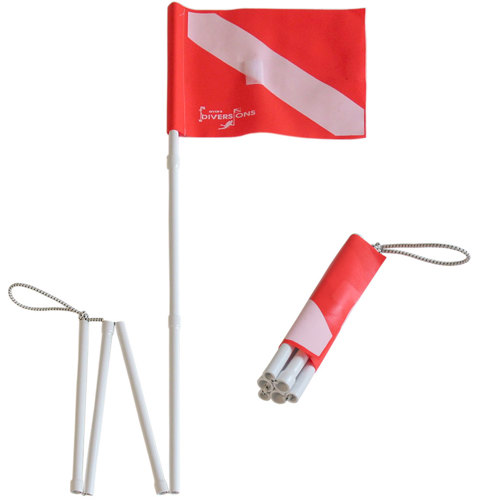
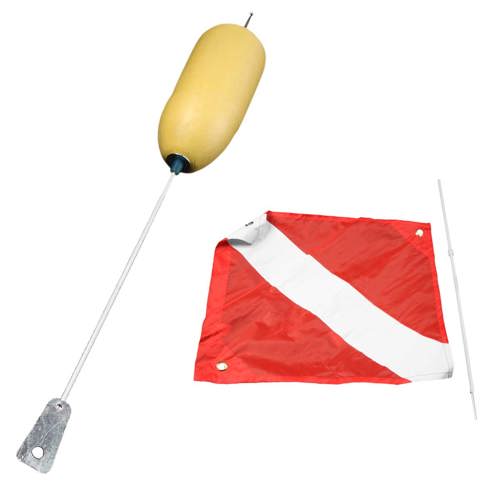
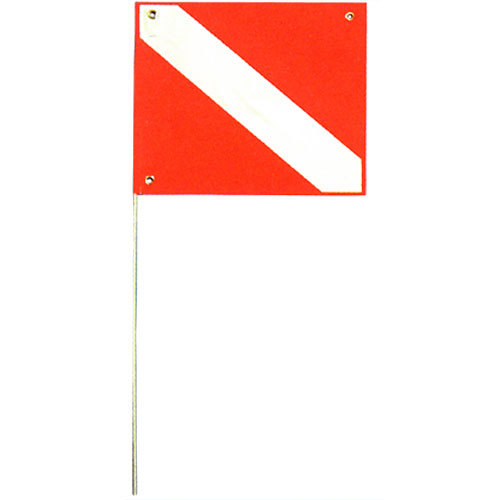
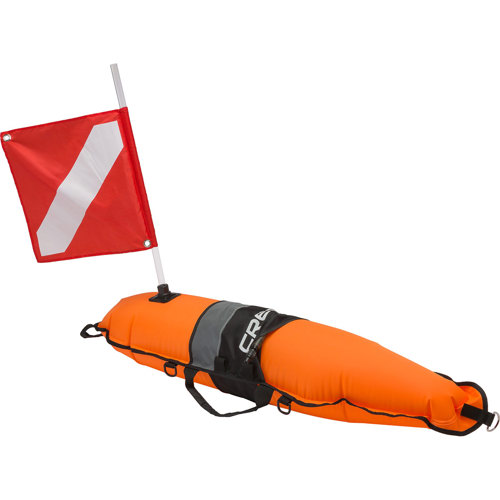
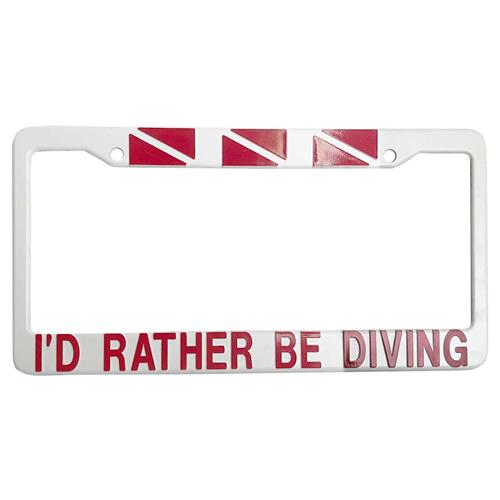
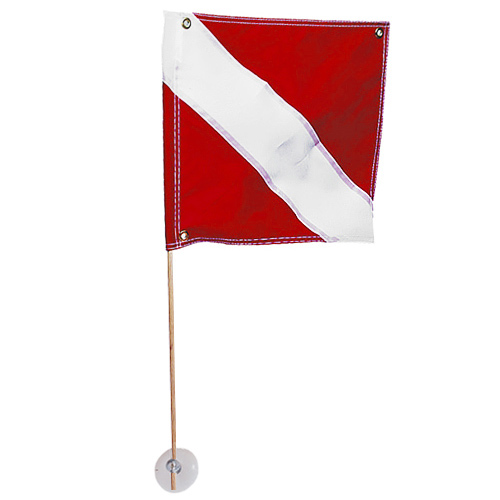
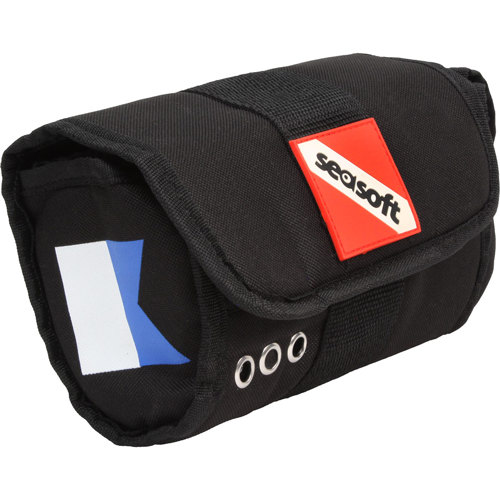
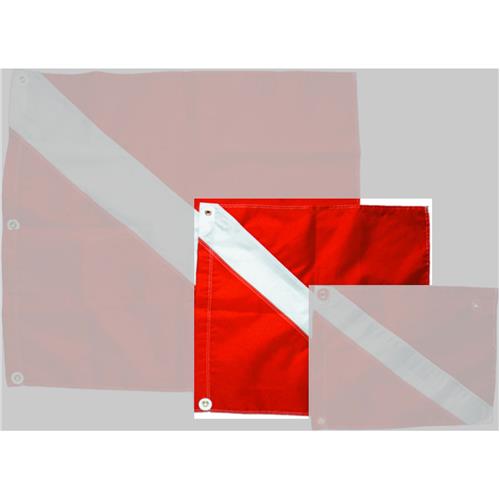
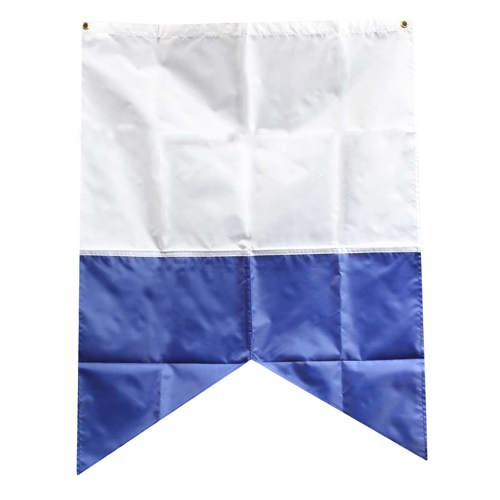
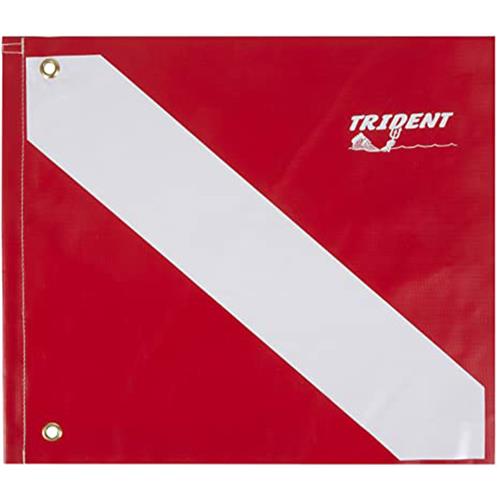
Traditional dive flags serve as a universal symbol of diver safety and awareness, instantly recognizable by their bold red background and diagonal white stripe. These flags are a critical part of any diver’s kit, ensuring that everyone on the water—from fellow divers to recreational boaters—knows when someone is exploring below the surface. The importance of displaying a dive flag goes beyond tradition; it is often a legal requirement, with regulations varying depending on local laws and the specific body of water. In North America, the classic diver down flag is the most common, while the blue-and-white Alpha flag is used internationally to communicate the presence of divers and the need for vessels to keep clear and proceed slowly. Whether you’re planning a day of spearfishing, snorkeling along a sunlit reef, or leading a dive class, having the right flag ensures not just compliance, but peace of mind for everyone involved. As the weather shifts from the warmth of summer into the cooler days of fall, more divers take advantage of the changing underwater landscapes, making visibility and safety on the water even more important.
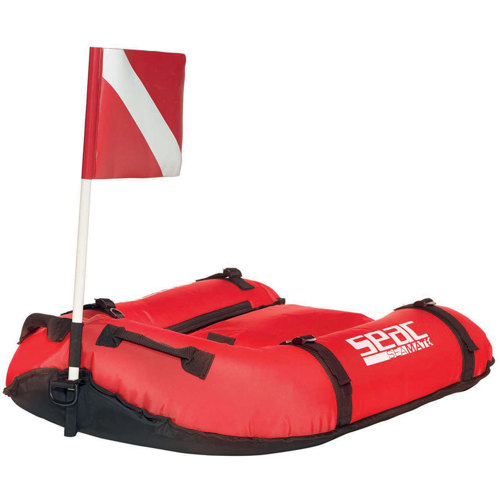
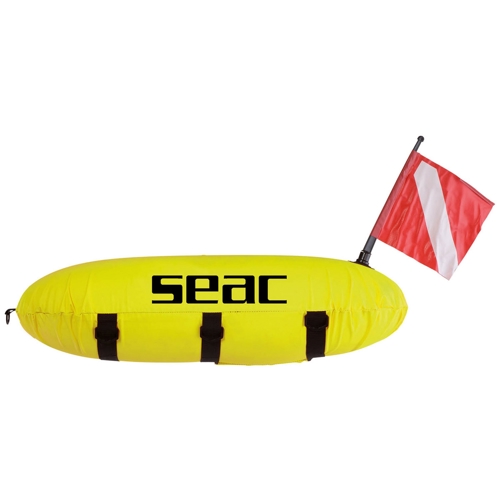
When choosing a traditional dive flag, several factors come into play to ensure you meet both safety standards and legal requirements. The size of the flag is a key consideration: on boats, regulations often call for a flag at least 20 by 24 inches, flown at the highest point to provide 360-degree visibility. For divers using floats or buoys, a smaller flag—typically no less than 12 by 12 inches—is standard, but it must still be prominent enough to alert nearby boaters. Many areas also require flags to include a stiffener, such as an internal wire or plastic insert, to keep the flag unfurled and visible even when the wind dies down. Placement is just as crucial; a flag should be positioned where it can be seen from all directions, and must be lowered or removed as soon as all divers are safely back on board or out of the water. Boaters are generally required to maintain a safe distance—often 300 feet in open water or 100 feet in narrower channels—and to reduce speed when near a dive flag, making it vital for the flag to be clearly visible at all times. For those new to diving or gifting gear to an aspiring diver, a traditional dive flag is a thoughtful and practical choice, embodying both the spirit of adventure and the commitment to safety that defines the diving community.
Traditional dive flags are not just for seasoned scuba enthusiasts; they are equally valuable for snorkelers, free divers, dive instructors, and even families enjoying a day on the water. They make excellent gifts for anyone passionate about underwater exploration, especially for milestones like earning a new certification or gearing up for a long-awaited trip. The right flag can become a trusted companion, its colors standing out against sparkling waves or the muted greens of a quiet lake. For those outfitting a boat, a dedicated dive flag is as essential as any piece of safety equipment, and for more information on selecting the best flag for your vessel, you can explore our comprehensive guide at
Dive Flags For Boats. As the seasons transition and water activities continue, displaying a traditional dive flag remains one of the simplest and most effective ways to protect yourself and your fellow adventurers, ensuring that every dive is as safe as it is memorable.