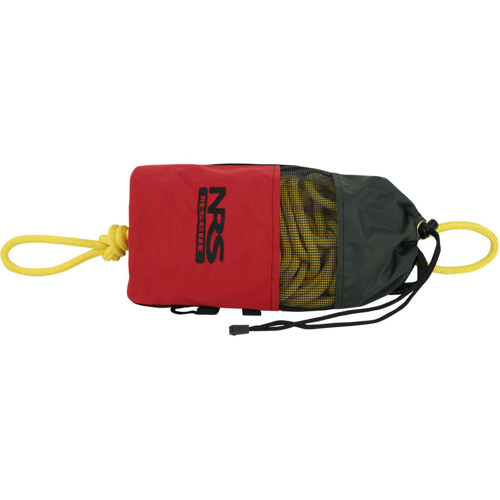
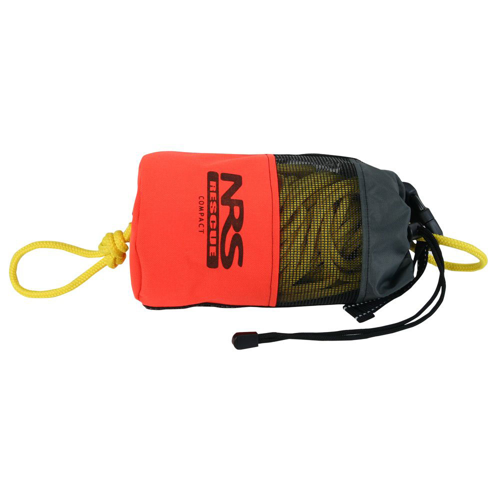
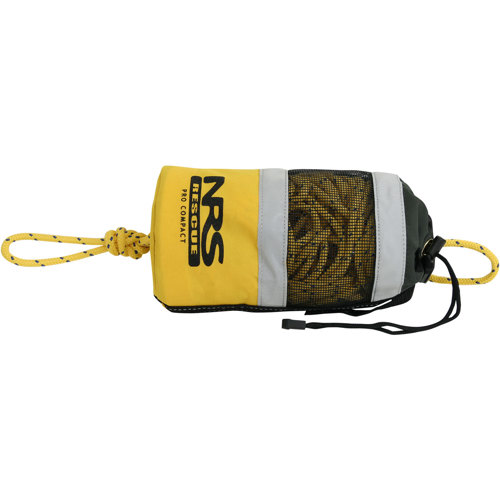
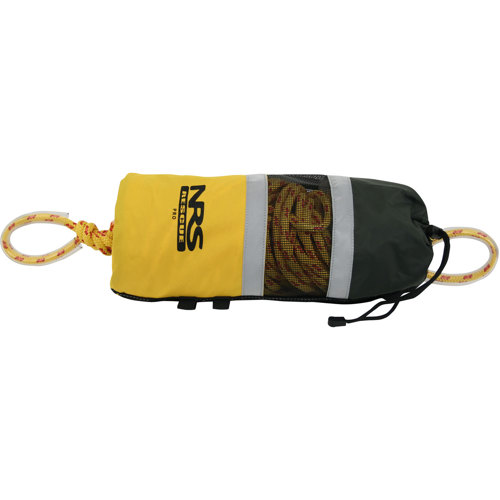
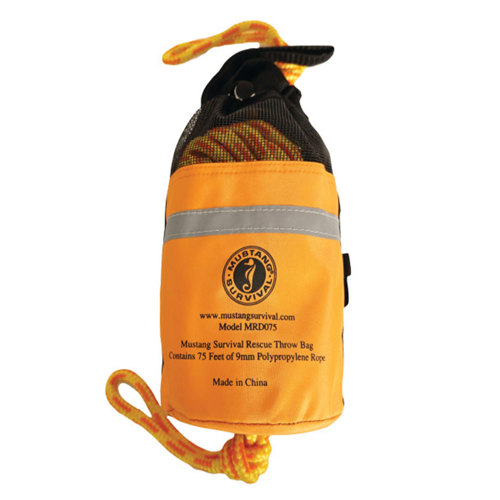
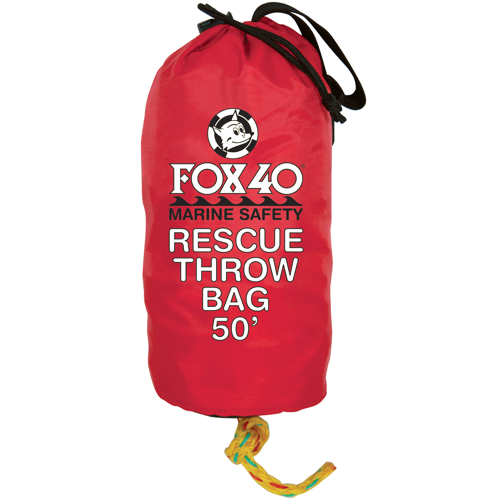
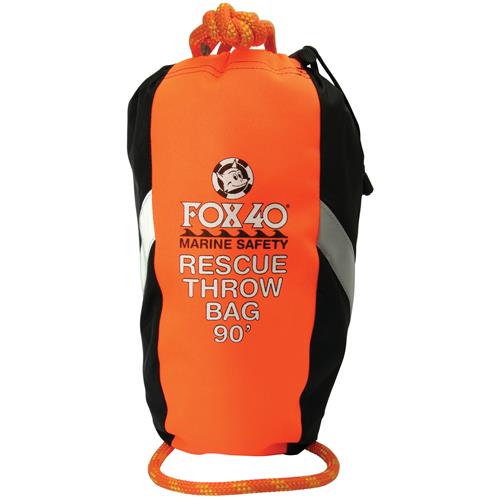
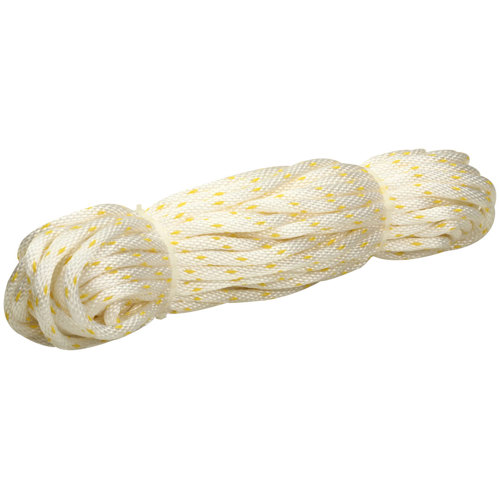
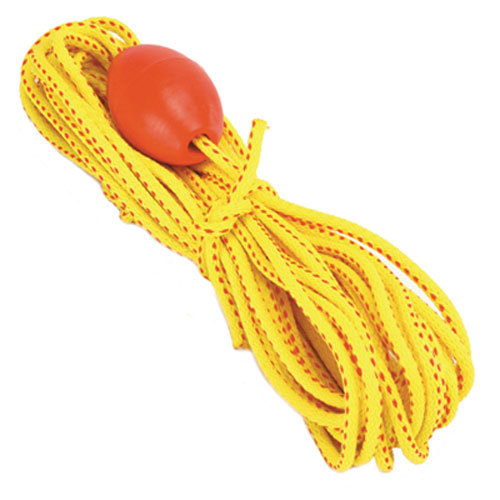
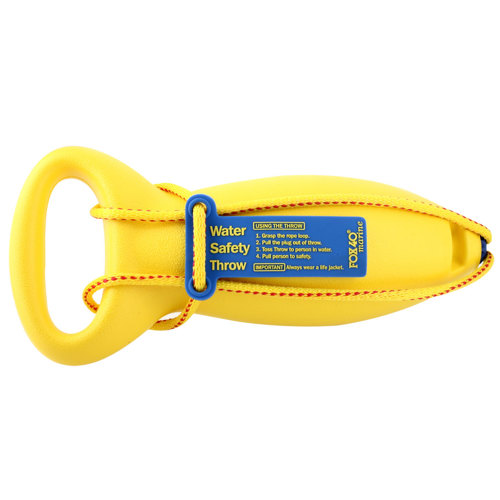
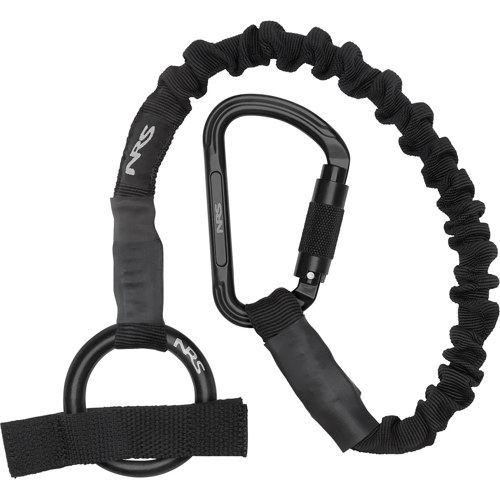
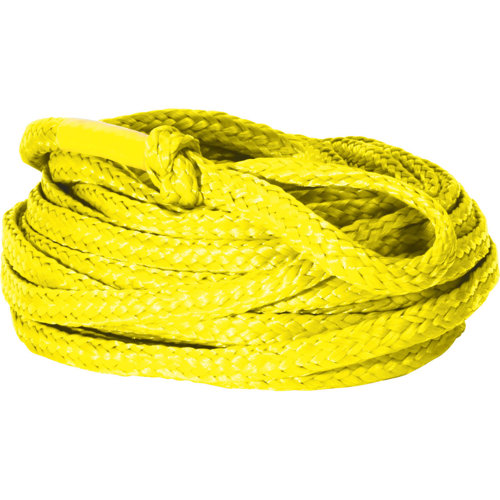
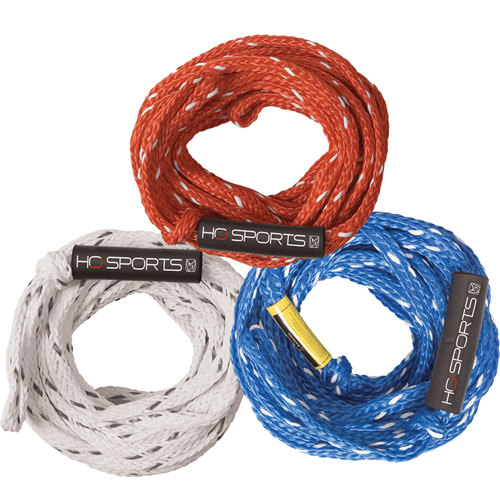
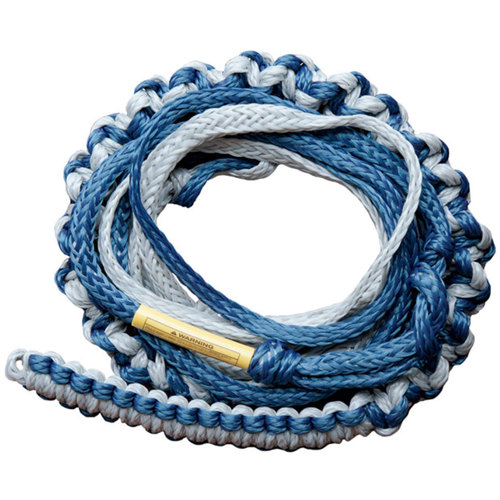
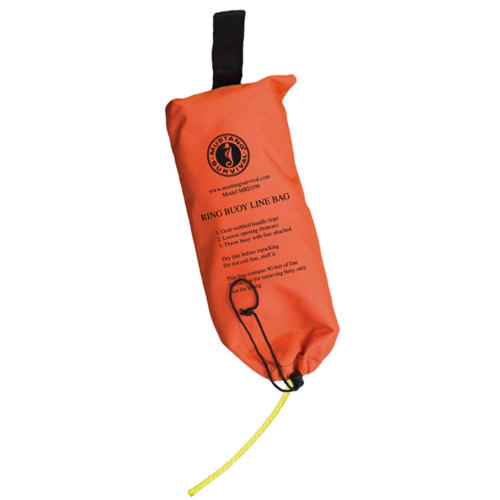
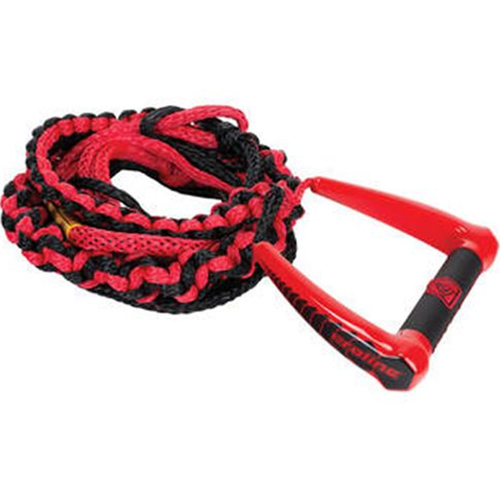
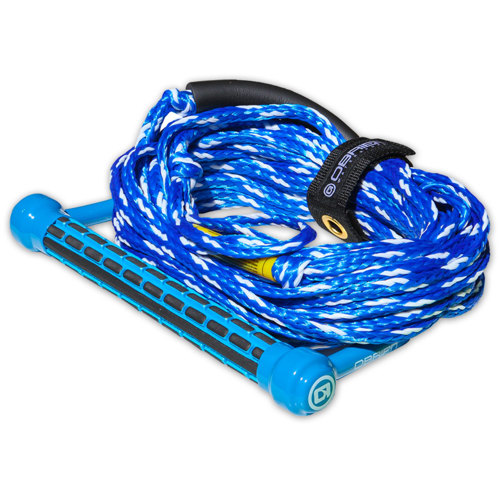
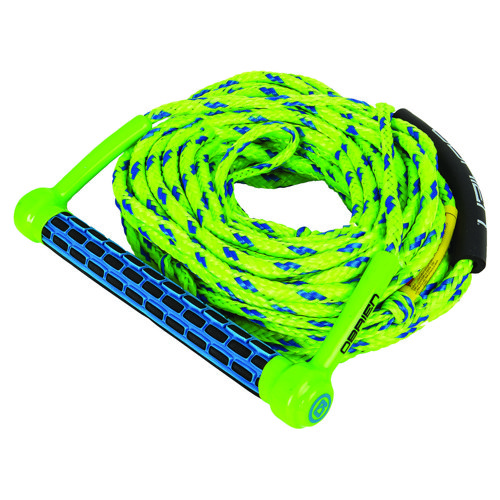
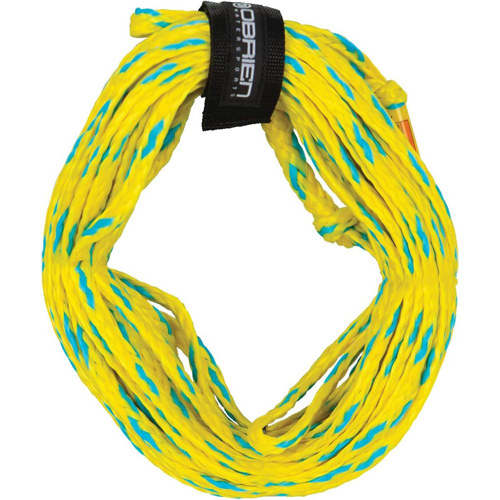
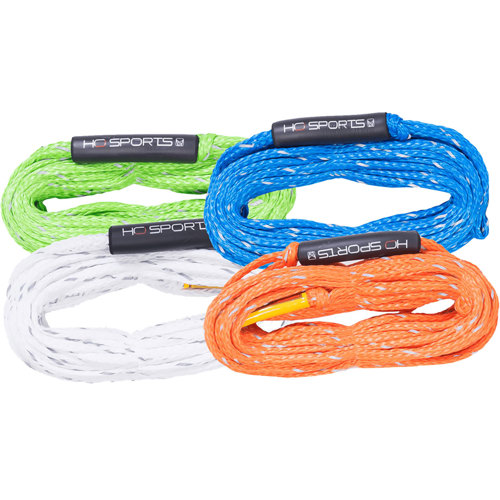
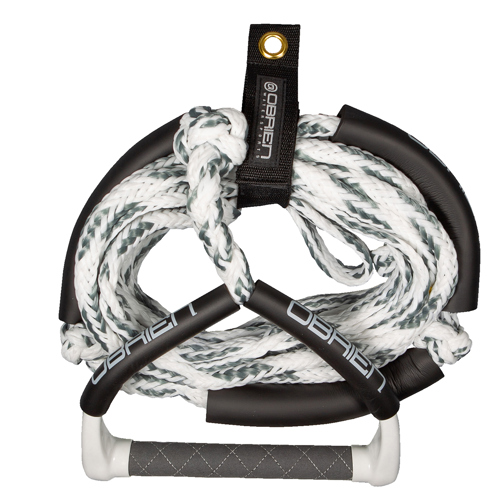
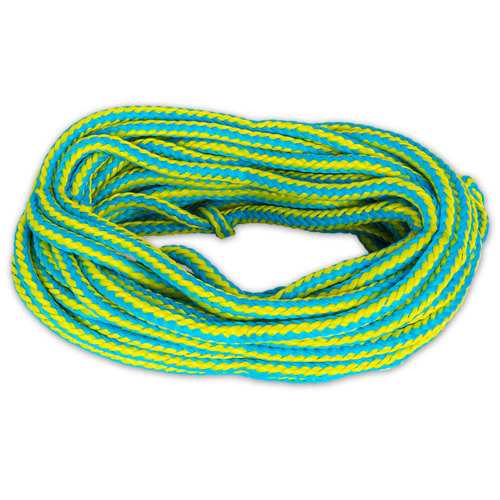
As the days grow longer and the water warms in late spring, the anticipation for water sports adventures builds. Whether you’re gearing up for a season of kayaking, rafting, paddle boarding, or even lakeside swimming, safety and preparedness are always at the forefront of any aquatic outing. Throw ropes, also known as water sport lines, are essential pieces of equipment for anyone who spends time on or near the water. Designed to provide a reliable lifeline in a range of scenarios, these ropes are commonly used for rescue situations, assisting swimmers in distress, or offering a quick tow to a stranded vessel. Their value extends beyond emergency use—throw ropes are often employed during group outings, training sessions, and water sport instruction, where a secure, floating line can provide peace of mind and practical utility. The versatility and necessity of throw ropes make them a thoughtful gift for outdoor enthusiasts, paddlers, or anyone starting their journey into water sports, especially as the active season begins in May.
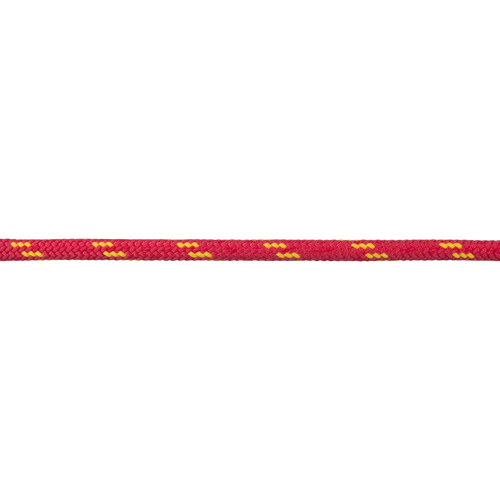
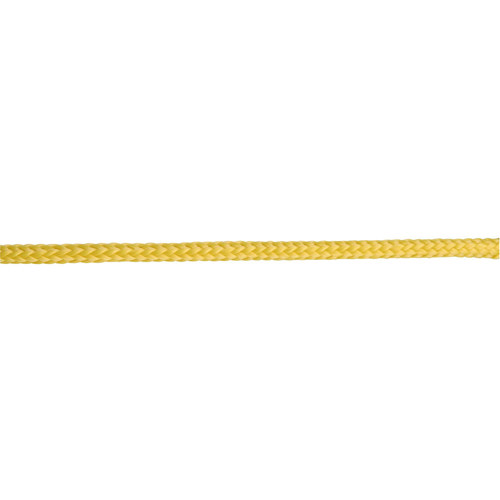
When selecting a throw rope, there are several important factors to consider to ensure it meets the demands of your chosen water activity. Rope material is paramount; polypropylene is a popular choice due to its buoyancy and affordability, making it ideal for rescuing swimmers or for general use in recreational settings. For those venturing into more demanding environments such as whitewater rafting or swiftwater rescue, ropes with Spectra or HMPE (High Modulus Polyethylene) cores offer superior strength and durability, capable of withstanding the rigors of heavy-duty scenarios like pulling pinned rafts or supporting multiple people. Bag design is another key aspect—durable Cordura or mesh bags with integrated foam flotation help keep the rope visible and accessible on the water’s surface, while quick-deployment features allow for rapid response when seconds count. Most throw ropes range from 50 to 75 feet in length, with diameters between 1/4" and 3/8", and breaking strengths that can exceed 2,200 pounds, providing ample reach and security for a variety of rescue and towing needs.
As you prepare for your next water-bound adventure or consider a practical, safety-focused gift for a loved one, take the time to assess the specific requirements of your activity and the environment in which you’ll be using your throw rope. Think about the typical group size, the type of water conditions you’ll encounter, and the level of experience among participants. Many paddlers and water sport instructors keep multiple ropes on hand, each suited to different tasks—from short, easily managed lines for close-quarters work to longer, high-strength ropes for more challenging situations. If your interests extend to paddle boarding, you might find additional insights and recommendations on our dedicated page for
Throw Ropes For Paddle Boards. Investing in the right throw rope not only enhances your readiness but also helps foster a culture of safety and support within your water sports community, allowing everyone to enjoy the season with confidence and peace of mind.