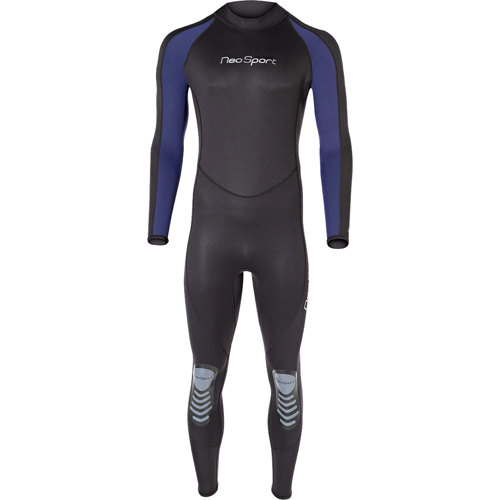
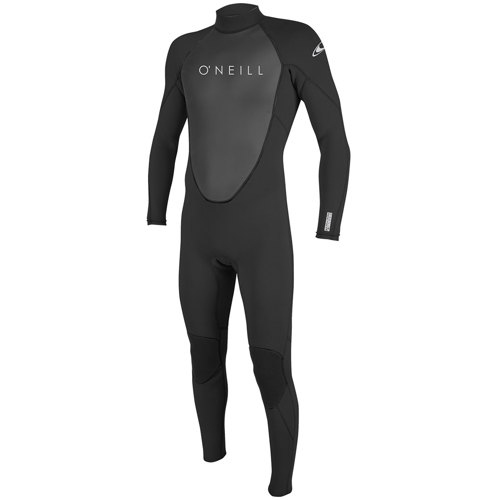
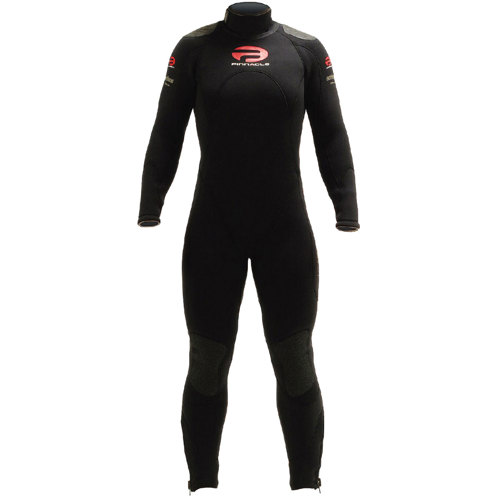
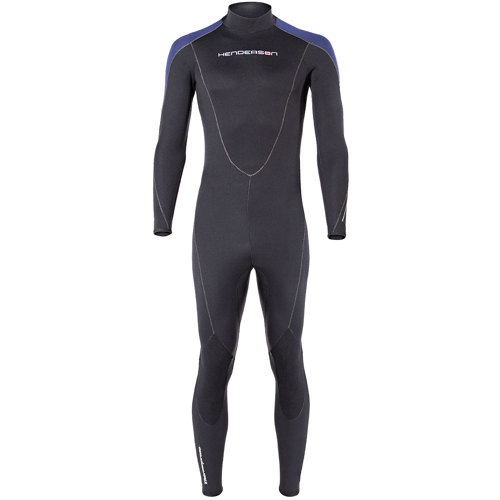
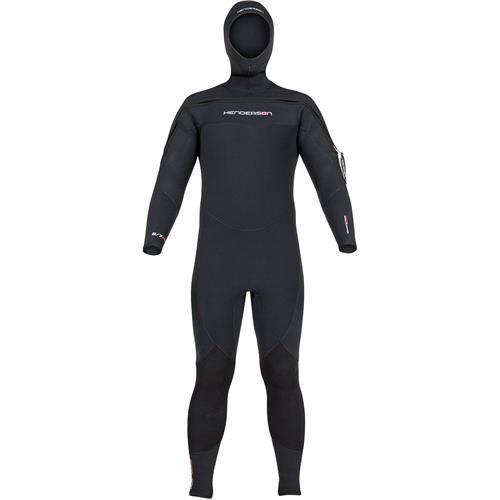
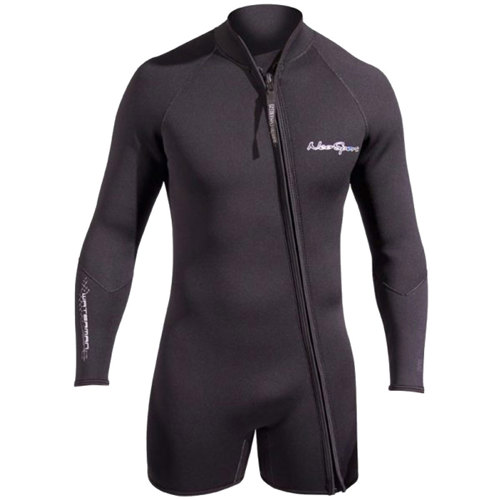
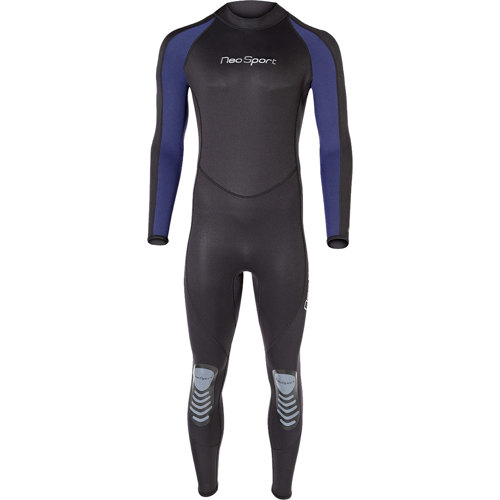
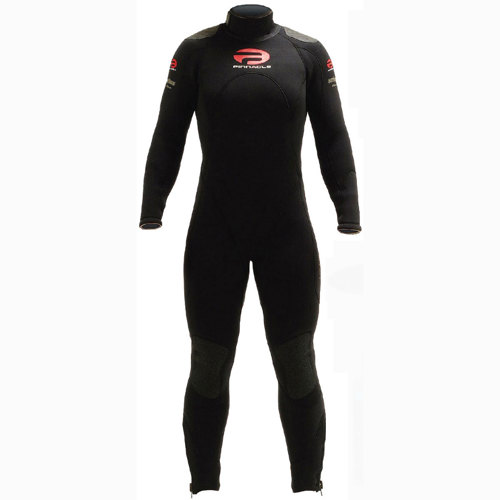
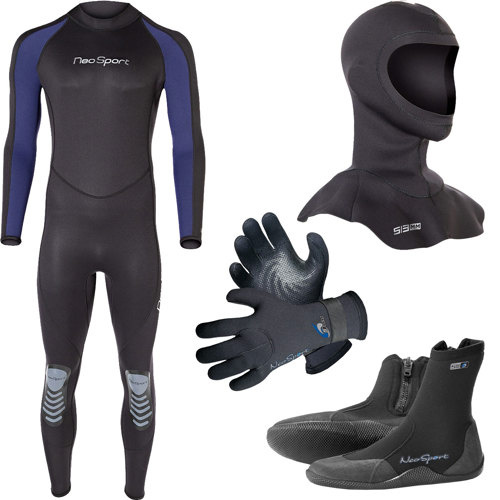
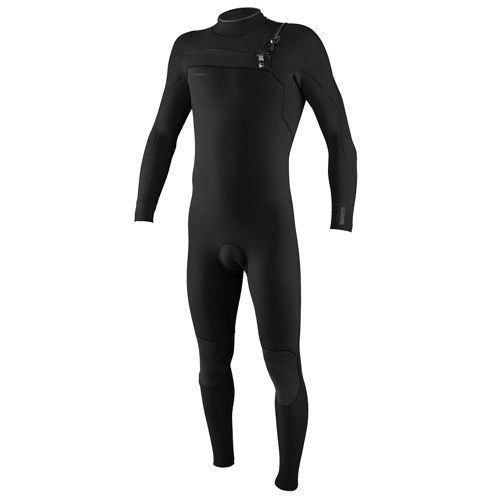
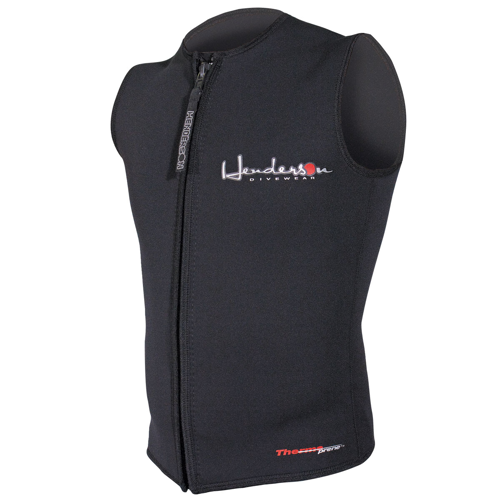
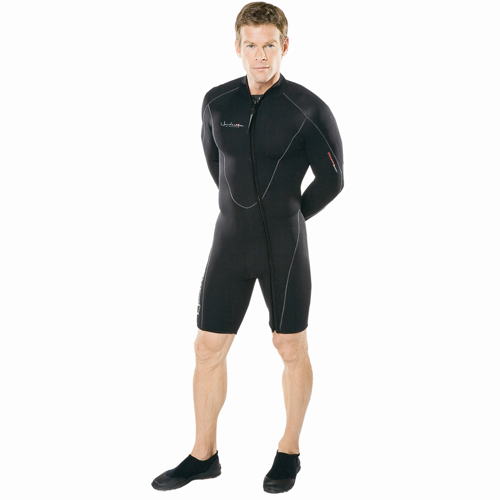
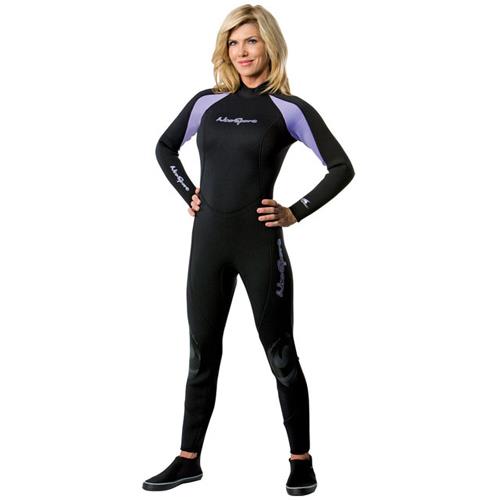
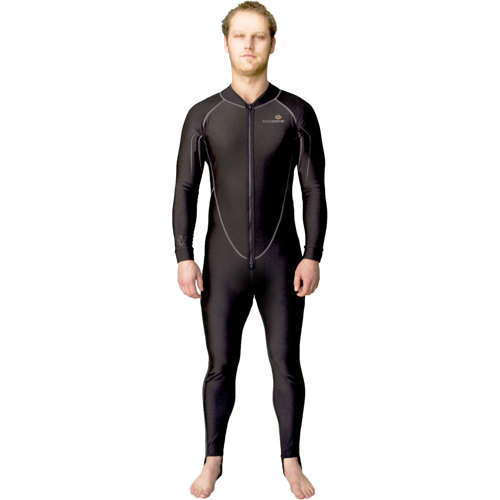
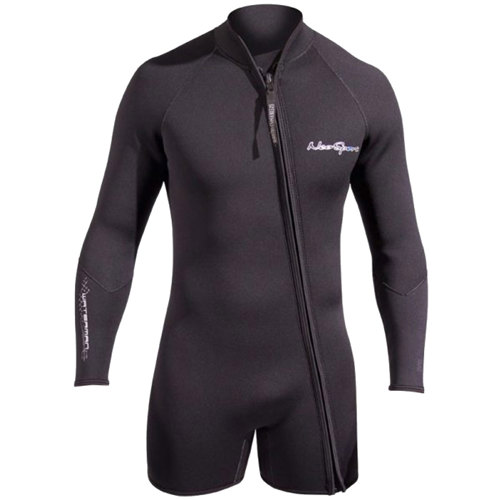
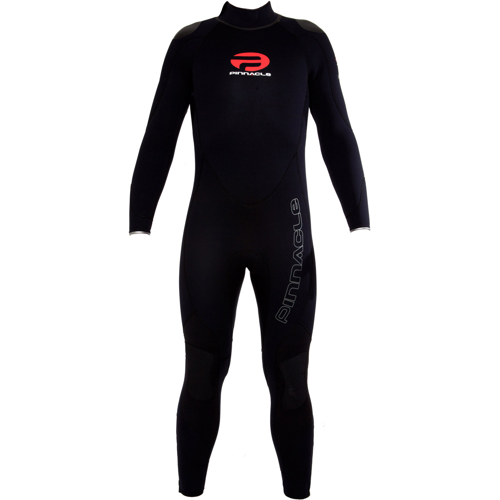
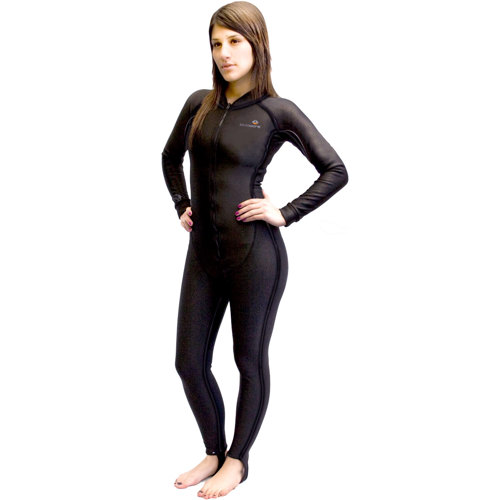
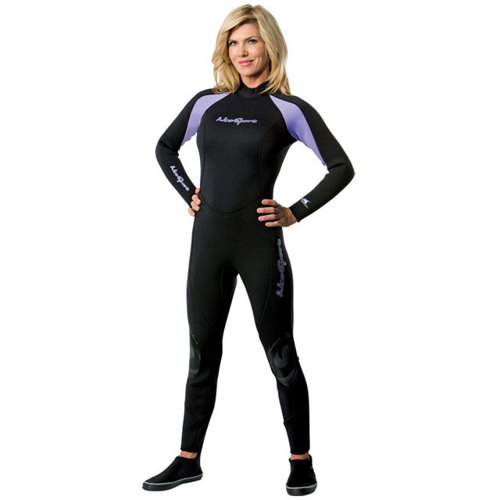
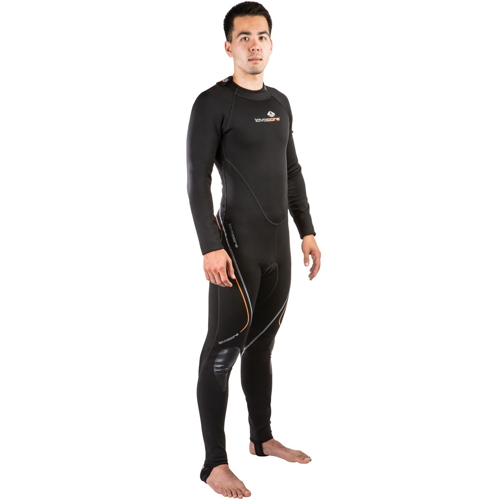
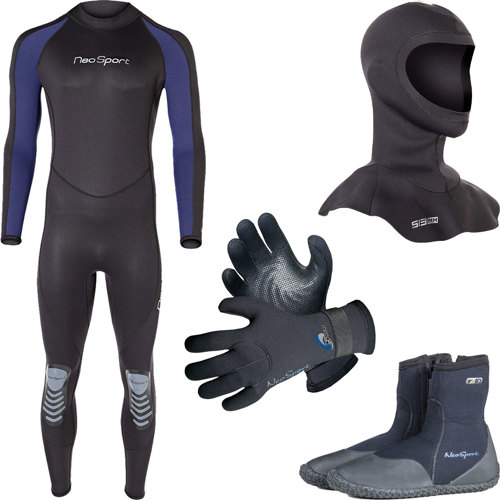
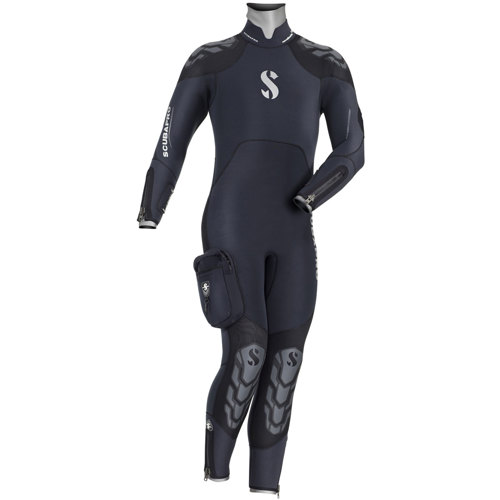
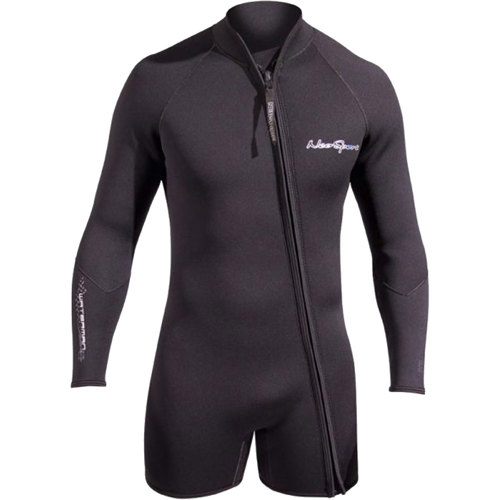
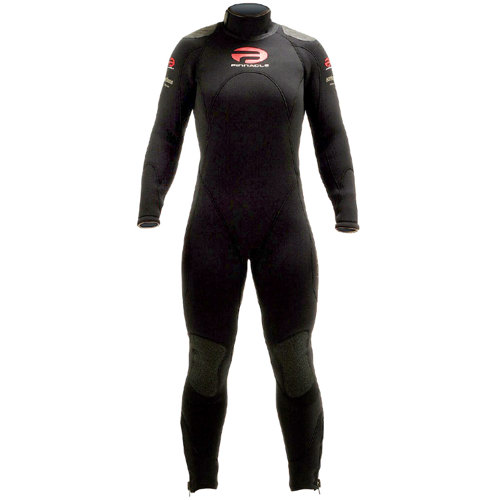
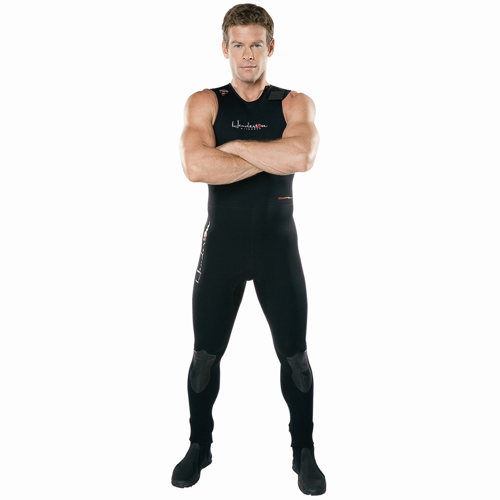
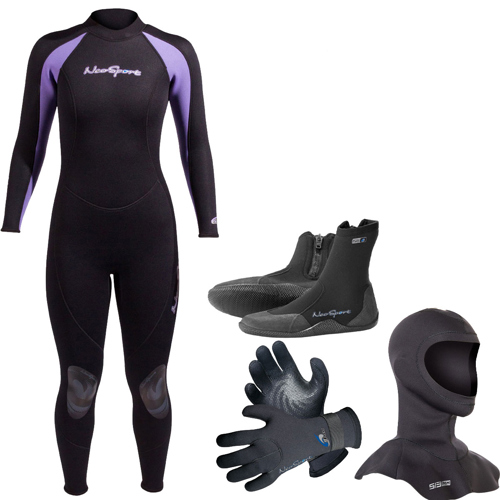
When venturing into cold water environments, whether for scuba diving, snorkeling, open-water swimming, or even paddle sports, choosing the right thermal suit is essential for both safety and enjoyment. A thermal diving suit is designed to insulate your body against the chill, allowing you to stay submerged longer and more comfortably, even as water temperatures dip well below what most standard wetsuits can handle. For anyone planning an early morning dive, a late-season swim, or an adventure in high-altitude lakes and coastal waters, thermal suits are not just a luxury but a necessity. These suits are engineered with advanced materials, such as plush thermal linings and multi-layered neoprene, to trap body heat and minimize water exchange. Features like glued and blind stitched (GBS) seams, liquid seals, and secure entry systems—often with chest zips or zipperless designs—help prevent cold water from seeping in, so you remain warm even during extended sessions. Accessories such as hoods, gloves, and boots can further enhance your thermal protection, especially when water temperatures drop below 50°F (10°C). For those who regularly ask, "does a diving suit work well in cold water," the answer lies in the details: the right thermal suit, with the correct thickness and construction, makes all the difference between a shivering, shortened dive and a comfortable, memorable experience.
Thermal suits are an excellent choice for a wide range of water enthusiasts. Experienced divers who frequent colder locations, underwater photographers seeking the perfect shot beneath the surface, and open-water swimmers training for endurance events all benefit from the superior insulation these suits provide. Supreme cold stroke wetsuits, with their robust construction and thoughtful design, are particularly valued by those pushing their limits in frigid conditions. Even recreational snorkelers or paddleboarders venturing into cooler waters can gain confidence and comfort from the added warmth and buoyancy. These suits also make thoughtful gifts for anyone passionate about aquatic adventures—imagine the delight of a friend or family member receiving high-quality scuba diving swimwear that allows them to explore new environments or extend their season. When selecting a thermal diving suit, consider factors like fit, flexibility, and the type of lining; a suit that fits snugly without restricting movement will be most effective at retaining heat. Many divers recall the difference a well-fitted, properly sealed suit made on a chilly dawn dive—transforming what could have been an uncomfortable ordeal into a serene, awe-inspiring underwater journey. For those seeking more information on specialized options, the
Thermal Protection Mens Wetsuits For Cold Water page offers a curated selection tailored to the demands of cold water diving.
As the weather shifts and water temperatures fluctuate between late spring and late summer, the right thermal suit ensures you can keep exploring without interruption. Whether you are preparing for a vacation to cooler climates, planning regular weekend dives, or simply want the peace of mind that comes with reliable thermal protection, investing in a quality thermal suit is a smart move. These suits are not just for professionals; anyone who values comfort and safety in the water will appreciate their benefits. With advancements in materials and design, today’s thermal diving suits offer both warmth and flexibility, allowing you to move freely while staying shielded from the cold. From the anticipation of slipping into your suit on a brisk morning to the satisfaction of emerging from the water warm and energized, the right gear makes every aquatic adventure more enjoyable. Explore the options and find the thermal suit that matches your needs, so you can make the most of every dive, swim, or paddle—no matter how cold the water may get.