Thermal Rash Guards
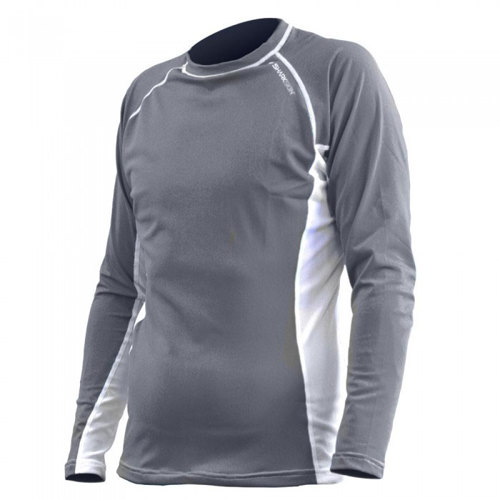
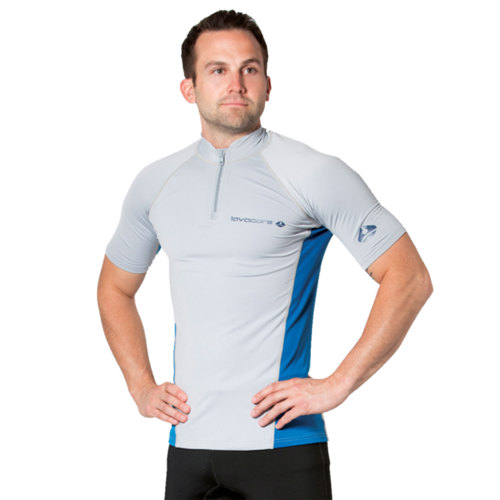
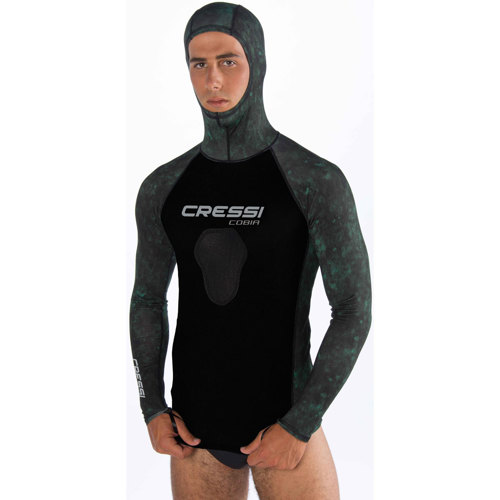
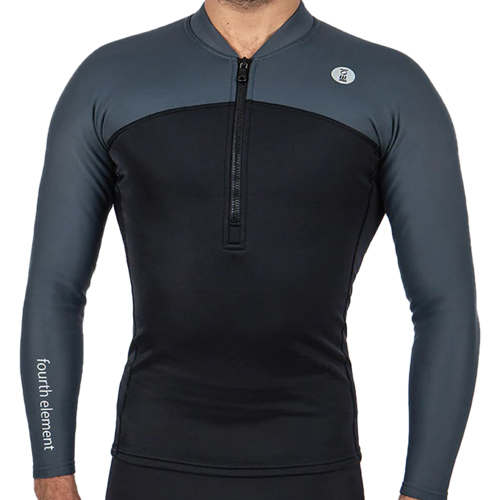
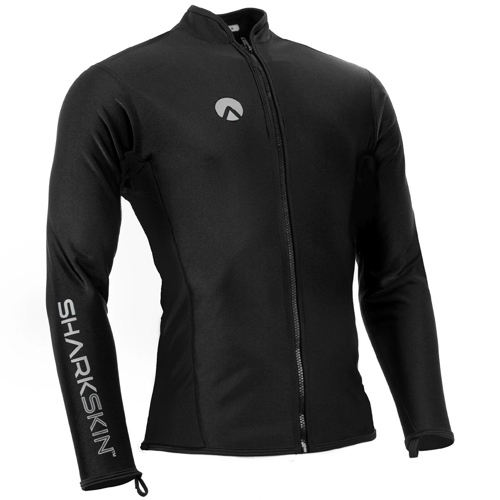
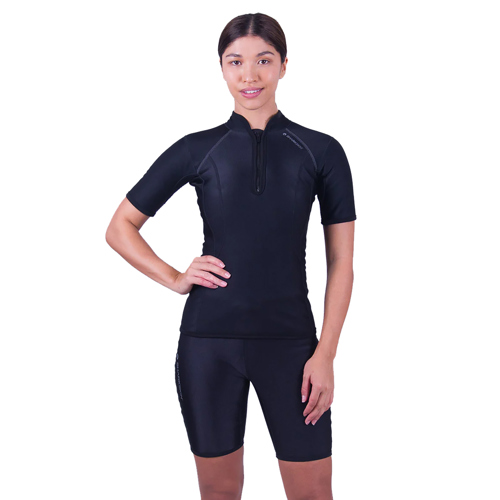
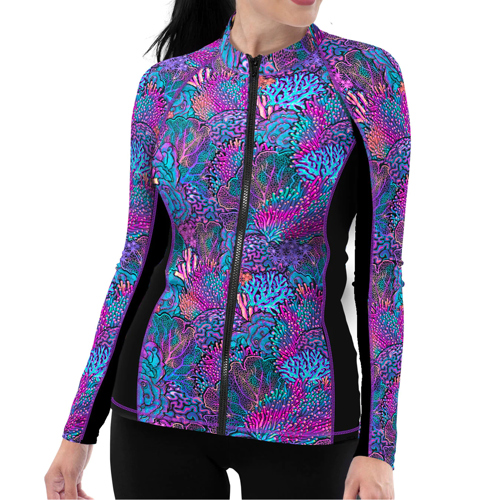
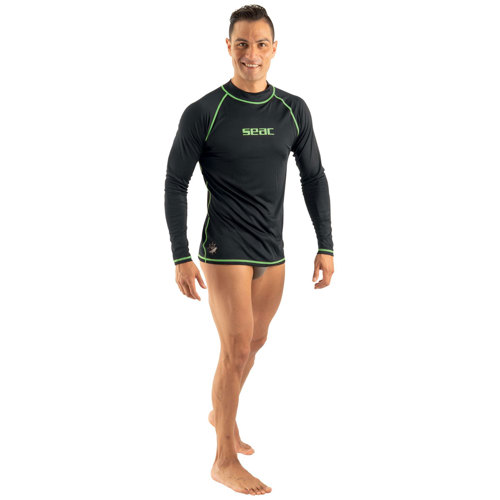
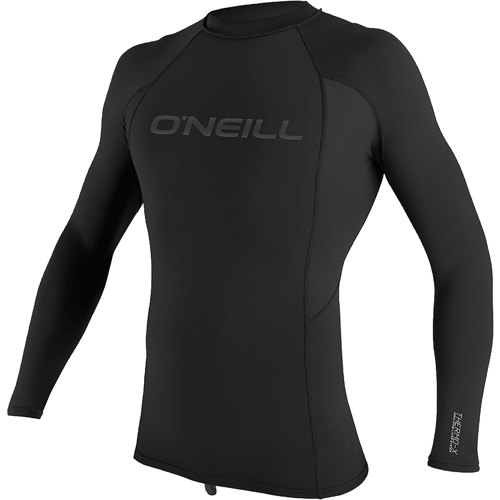
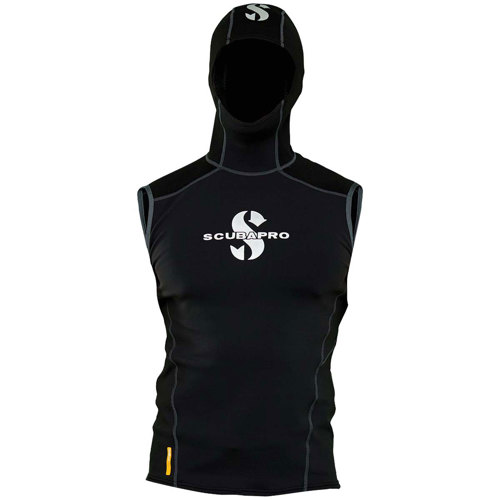
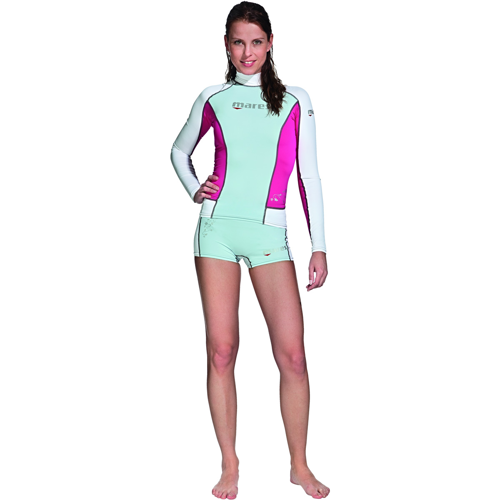
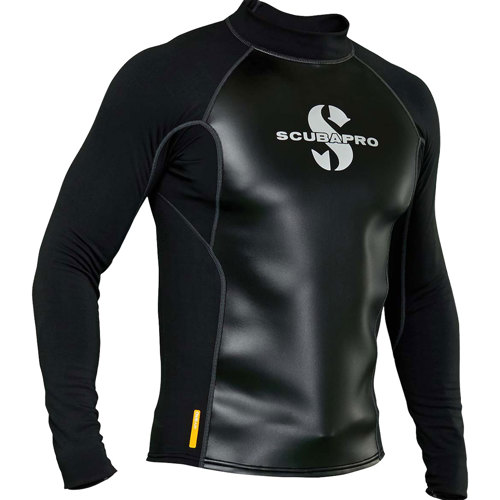
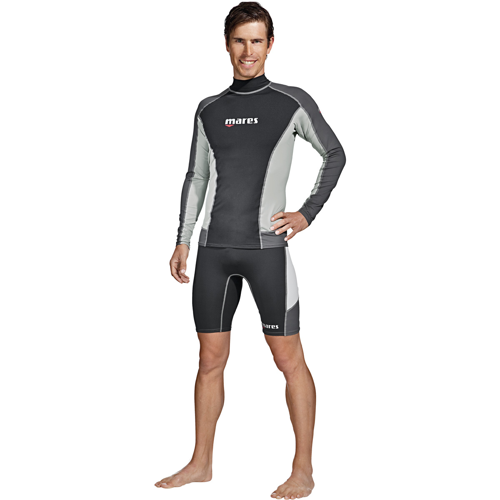
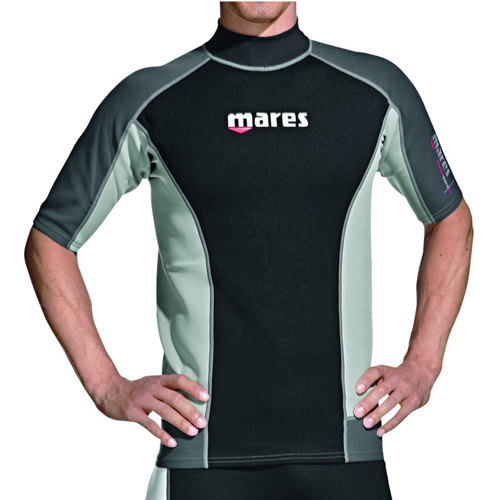
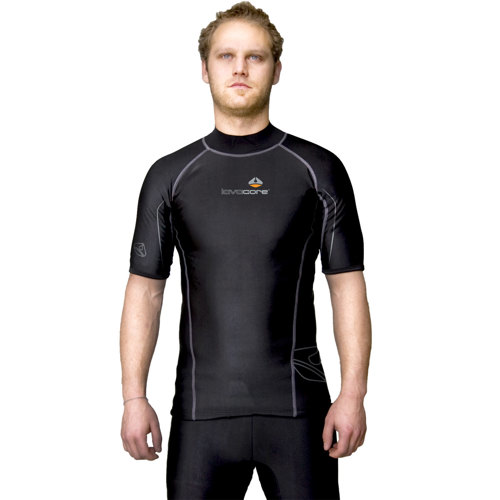
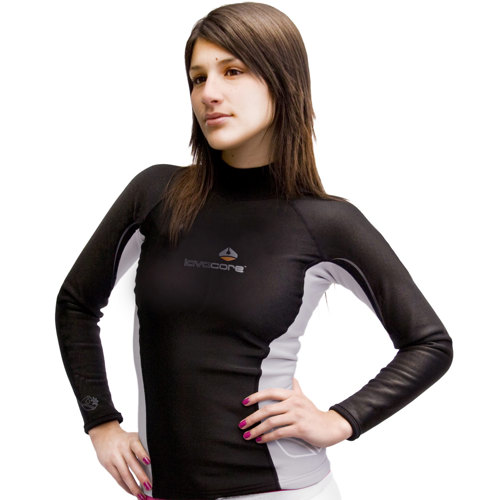
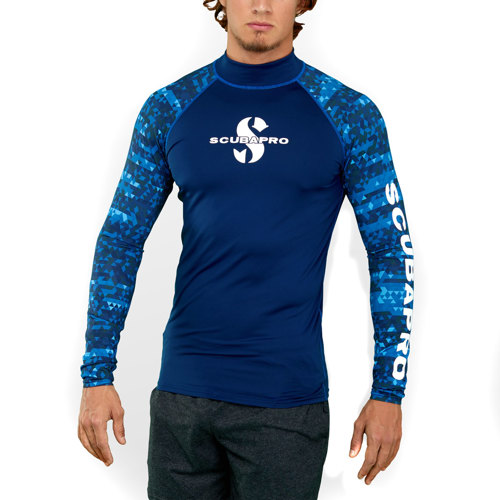
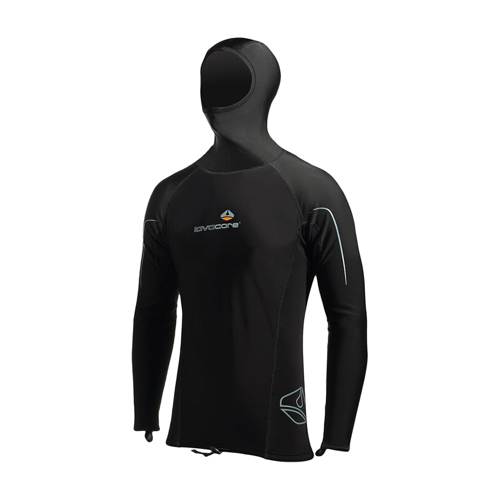
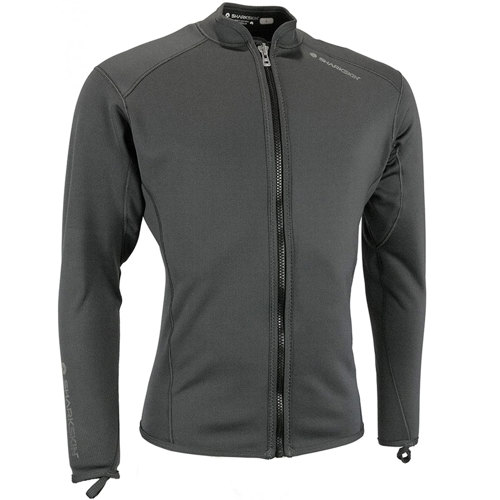
When the chill of winter lingers or the ocean breeze bites a bit sharper, thermal rash guards become an essential layer for anyone venturing into the water. Whether you’re planning early spring dives, enjoying brisk February snorkeling, or training in cooler pools, these garments offer a unique blend of comfort, flexibility, and protection. Unlike standard rash guards, thermal options are crafted with advanced materials such as fleece lining or thicker neoprene blends, providing extra insulation without sacrificing mobility. A fleece lined rash guard, for example, can make all the difference during a sunrise beach entry, locking in warmth while remaining lightweight and quick-drying. Many divers and snorkelers favor a 1mm rash guard for its subtle yet effective thermal boost—thin enough to layer under a wetsuit, yet substantial enough to take the edge off chilly currents on its own. The sensation of slipping into a diving shirt that hugs your skin with gentle warmth is a small luxury that can extend your time in the water and enhance your overall experience.
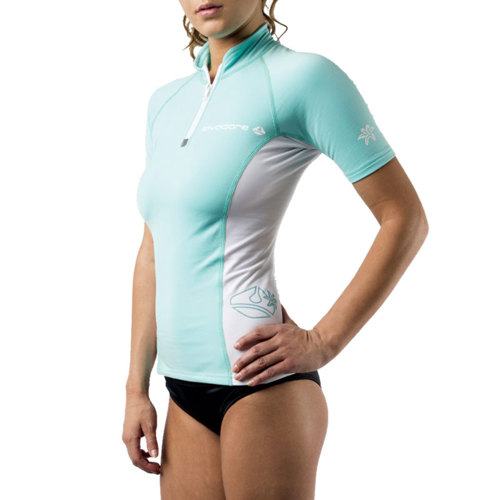
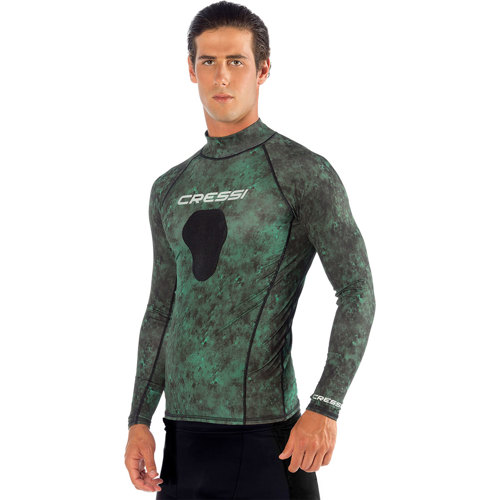
Thermal rash guards are not just for seasoned divers or cold-water enthusiasts; they are a thoughtful gift for anyone who loves the ocean, from casual snorkelers to paddleboarders and surfers. A rash guard for snorkeling protects against sunburn and stings, but when temperatures drop, the added thermal layer ensures comfort during longer sessions exploring reefs or playing in the surf. These garments are also popular with swim coaches and open-water swimmers who train year-round, as well as families introducing children to the joys of underwater adventure. The versatility of a scuba shirt for warmth means it can be worn alone in tropical waters or layered beneath a wetsuit for extra insulation in temperate seas. Parents often appreciate the peace of mind that comes from knowing their kids are protected from both the sun and sudden chills, while more experienced watermen and women enjoy the streamlined fit that doesn’t impede movement or buoyancy.
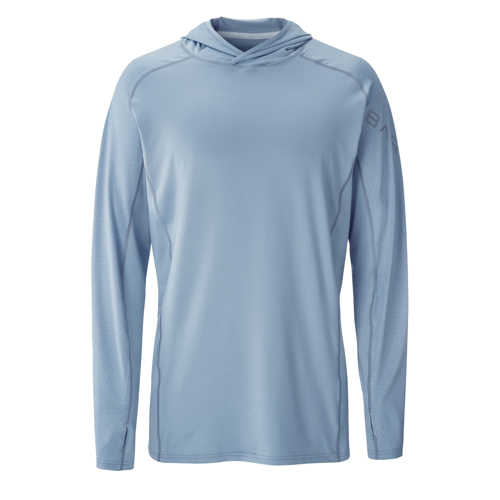
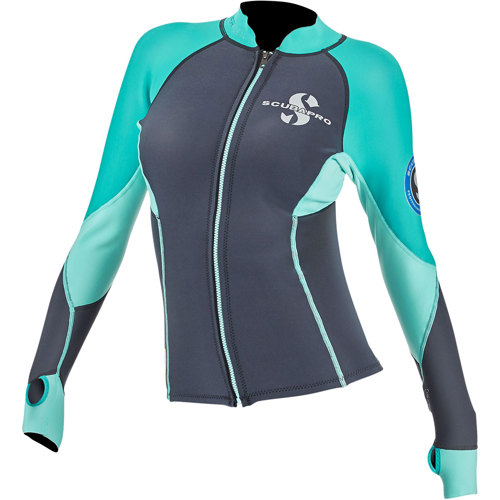
Selecting the right thermal rash guard involves considering factors such as fit, thickness, and material. Look for flatlock seams to minimize chafing, and prioritize stretch fabrics that move with your body. Some designs feature thumb loops or extended collars for enhanced coverage, while others incorporate quick-dry panels or antimicrobial treatments for added comfort. If you’re comparing different options, you might find it helpful to browse the broader range of
Wetsuit Rash Guards, which includes both thermal and traditional styles suitable for a variety of activities and climates. Ultimately, a well-chosen thermal rash guard is an investment in longer, more enjoyable days on and under the water—whether you’re gliding over coral gardens, braving a brisk morning dive, or simply savoring the unique peace that comes from being enveloped by the sea.