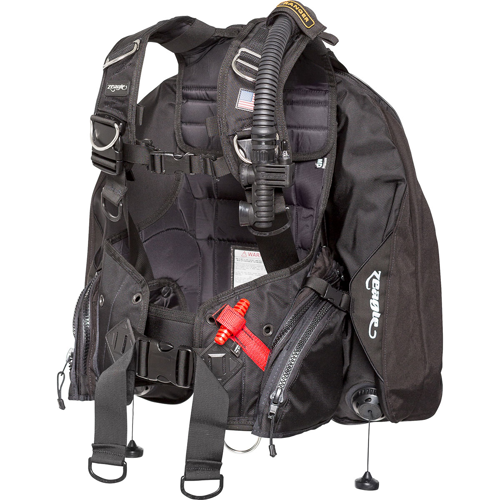
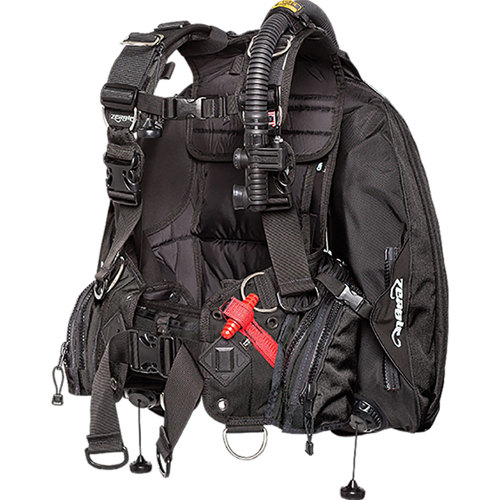
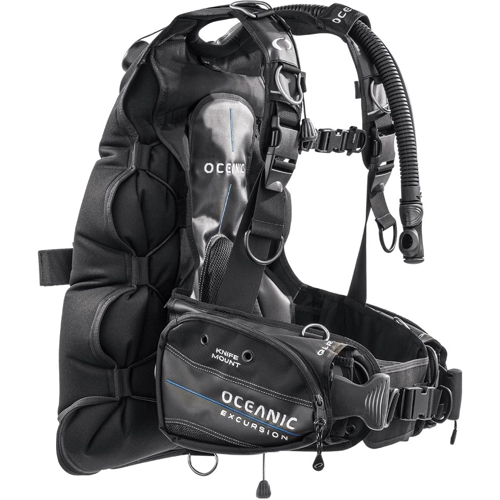
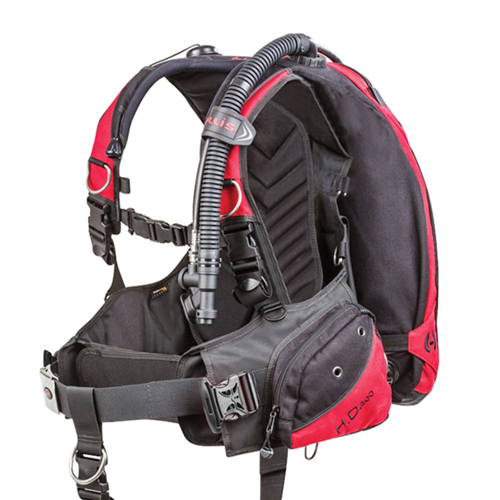
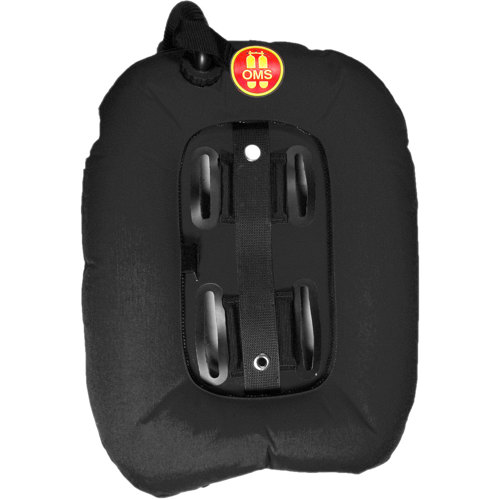
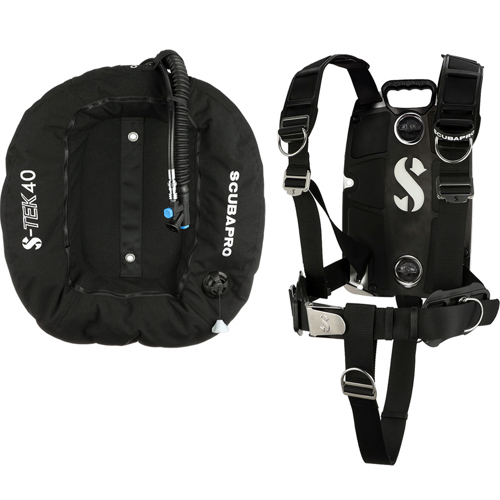
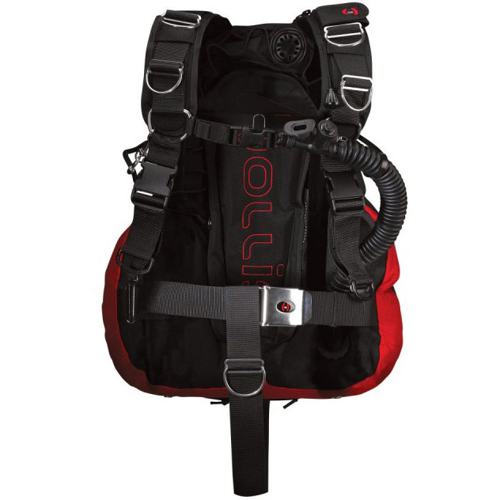
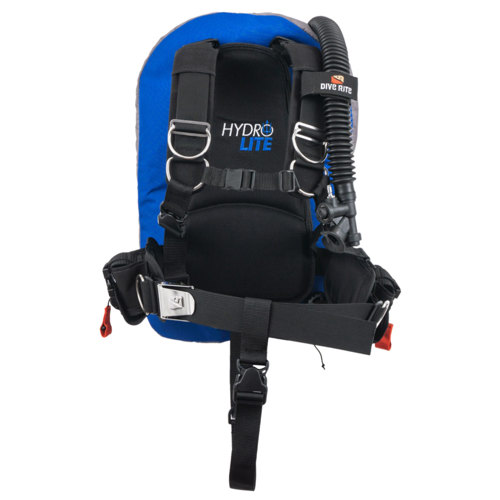
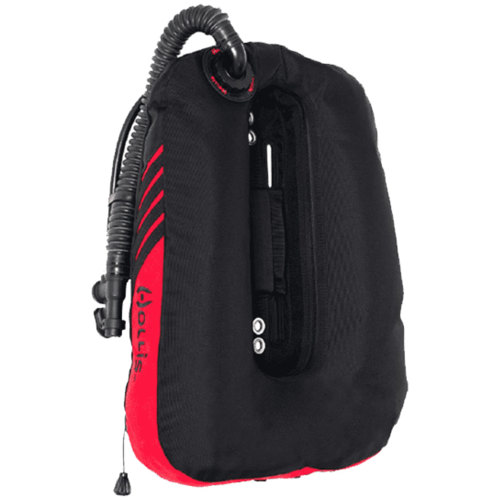
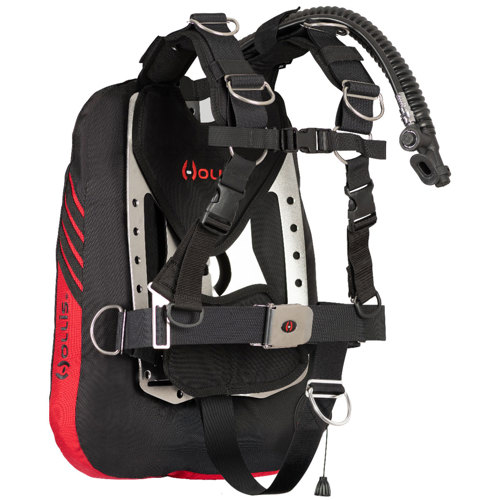
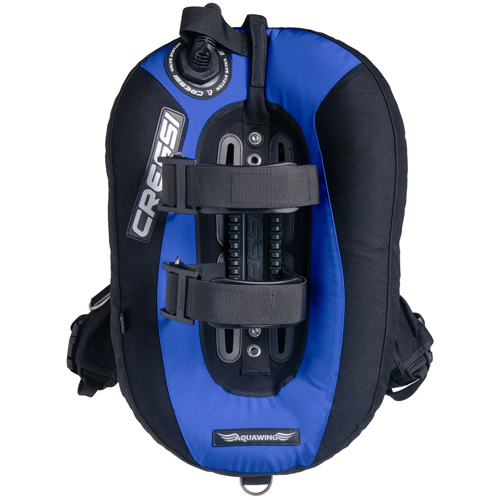
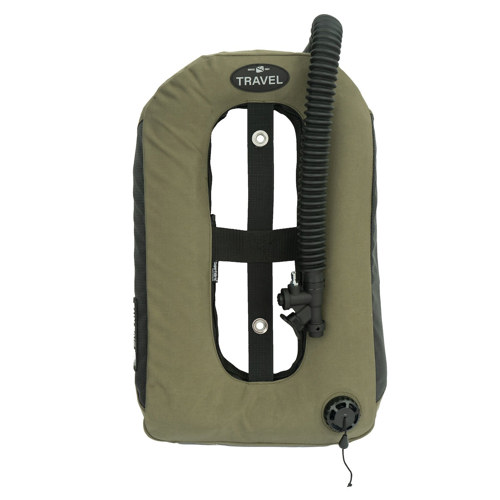
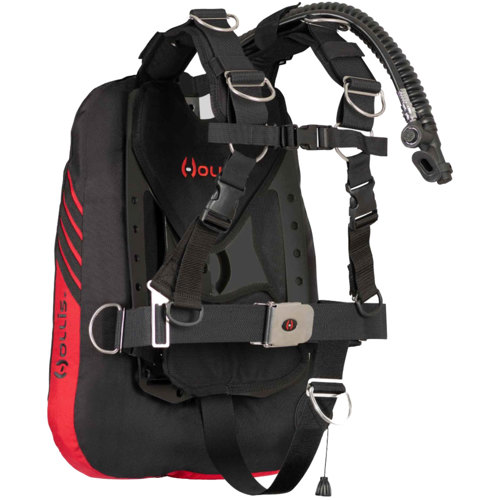
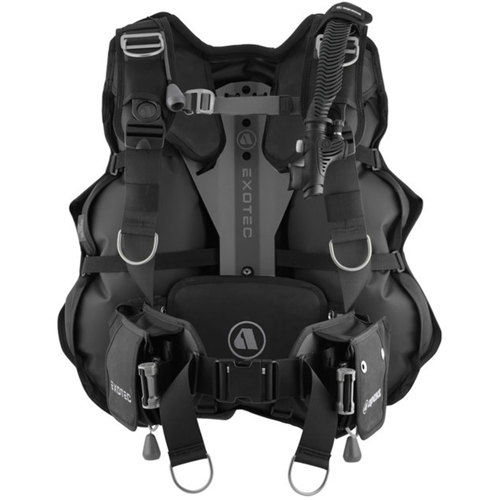
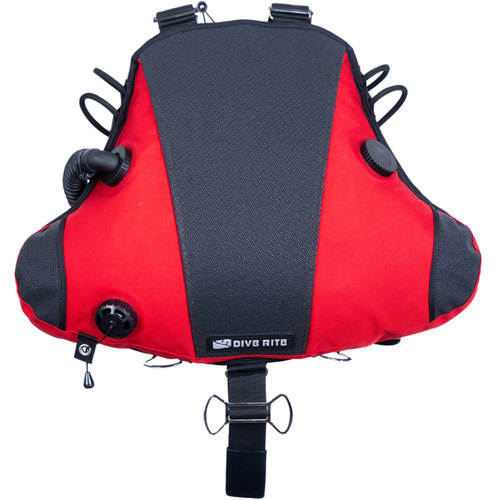
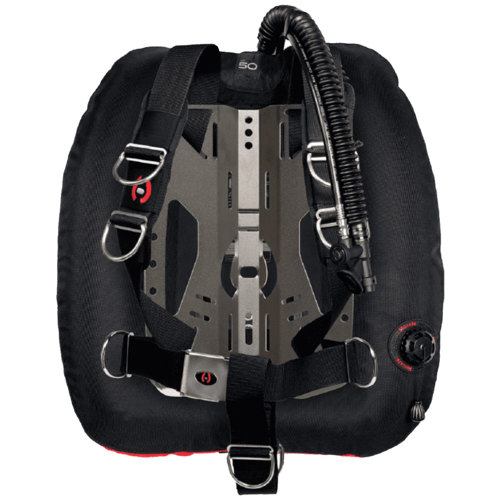
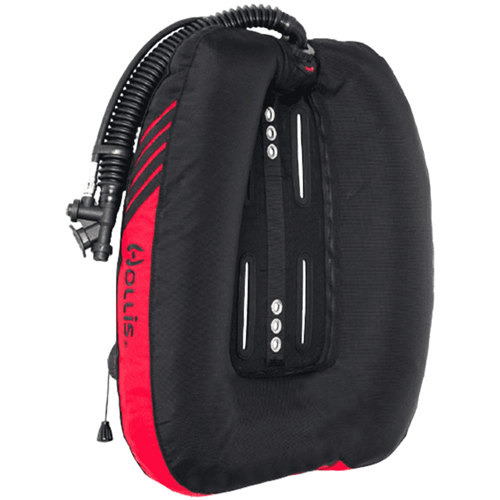
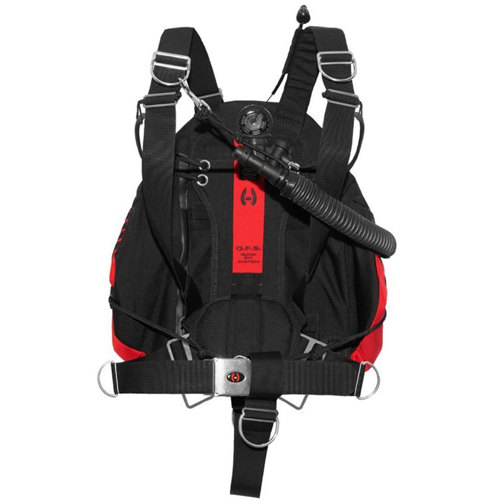
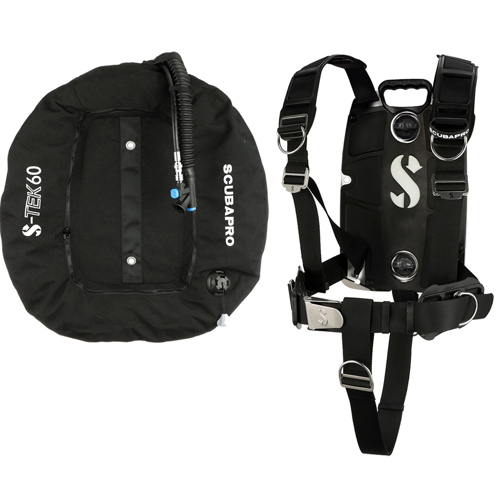
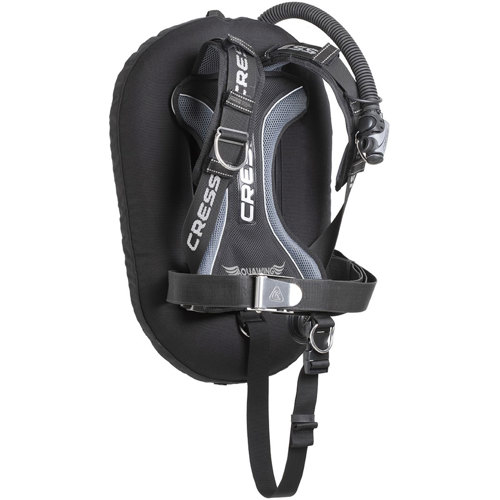
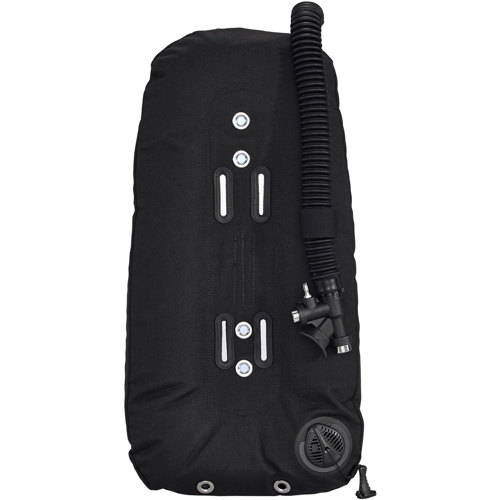
Technical diving bladders—often referred to as “wings”—are the backbone of a reliable backplate and wing (BP/W) system, trusted by divers who push the boundaries of underwater exploration. These bladders are designed to deliver precise buoyancy control and optimal trim, especially in the demanding environments of deep wrecks, intricate cave systems, and extended technical dives where traditional recreational BCDs may fall short. At their core, technical diving bladders feature a streamlined, rear-mounted air cell that keeps lift directly behind the diver. This configuration not only encourages a flat, horizontal position in the water, but also reduces drag and improves maneuverability—crucial for navigating tight swim-throughs or maintaining stability during decompression stops. The construction of a technical BCD bladder is a testament to durability: a rugged outer shell, typically crafted from high-denier ballistic nylon, shields a flexible internal bladder made of RF-welded polyurethane or laminated fabrics. This dual-layer approach ensures the bladder stands up to the inevitable scrapes against rocks, rusted hulls, or abrasive cave walls, while the internal bladder remains airtight and resilient. For those who find themselves in overhead or deep environments, redundancy is key—many technical diving bladders offer a dual-bag system, providing a backup source of buoyancy in case the primary bladder is compromised.
Choosing the right technical diving bladder is a personal process shaped by your dive style, equipment, and environment. Single-tank wings, with lift capacities in the 30–40 lb range, are ideal for streamlined setups and lighter gear, making them popular among divers who enjoy the simplicity of a minimalist rig. In contrast, double-tank wings are engineered for heavier twinsets or stage bottles, offering 50–65 lbs of lift to support the substantial weight and gas reserves required for extended penetration dives. The shape of the bladder also matters—donut designs allow air to circulate freely for effortless trim, while horseshoe shapes accommodate specific manifold configurations and hose routing preferences. Thoughtful placement of dump valves and inflators ensures quick buoyancy adjustments without interfering with tank valves or hoses, which is especially important when every second counts in a technical setting. Seasoned divers know that regular maintenance is essential for longevity: rinsing the bladder inside and out with fresh water after each dive, avoiding over-inflation when not in use, and inspecting valves for sand or salt deposits before major trips can prevent frustrating failures at depth. The versatility and robust construction of technical diving bladders make them a thoughtful gift for the experienced diver in your life—perhaps someone preparing for a liveaboard adventure as the weather warms, or a dedicated cave diver gearing up for cooler months of exploration. For those seeking an even lighter rig for travel or warm-water expeditions, options like
Lightweight Diving Bladders offer the same reliability in a more compact form factor.
Technical diving bladders are not just a piece of equipment—they’re a commitment to safety, performance, and the spirit of exploration that defines advanced diving. Whether you’re assembling your first technical setup, replacing a well-worn bladder after years of service, or upgrading to meet the demands of more ambitious dives, it’s worth considering how your choice will integrate with your tanks, harness, and exposure protection. The right technical BCD bladder can make the difference between a smooth, controlled dive and a struggle to maintain buoyancy in challenging conditions. For those passionate about sharing the underwater world with friends or family, a technical diving bladder can be a meaningful gift—especially for divers transitioning from recreational to technical pursuits, or for anyone who values precision and reliability in their gear. As you browse the selection, picture yourself gliding effortlessly through a sun-dappled shipwreck or hovering motionless in the silent blue, confident that your kit is up to the task. With the right technical diving bladder, you’re not just prepared for the dive—you’re ready for whatever the underwater world has in store.