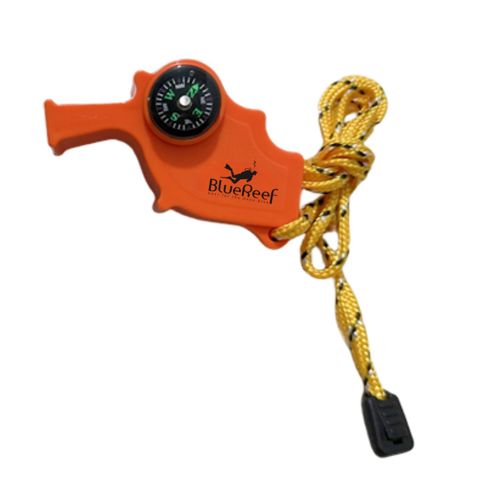
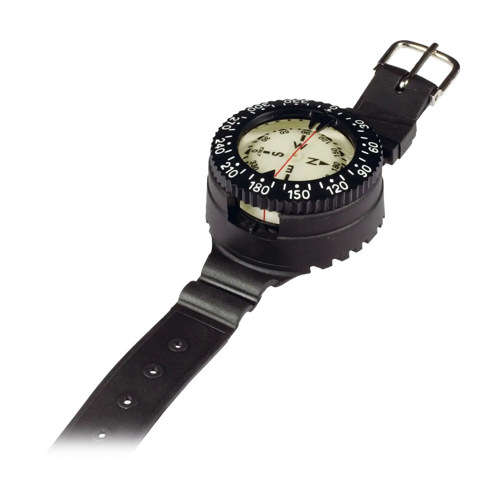
Survival compasses are an essential tool for anyone who ventures into the wild, whether you’re a seasoned explorer, an outdoor enthusiast, or simply someone who values being prepared for the unexpected. Unlike digital devices that can fail when batteries die or signals disappear, a well-crafted survival compass offers reliable navigation in any environment. From dense forests blanketed in winter snow to rugged mountain trails and remote coastlines, these compasses are built to withstand harsh conditions and provide accurate bearings when you need them most. Many of the top compasses feature durable construction with waterproof and shock-resistant housings, luminous dials for visibility in low light, and liquid damping to keep the needle stable even in frigid January temperatures. Features like sighting mirrors and declination adjustment make them invaluable for both map reading and precise navigation, giving you confidence to plot your course or find your way back to safety, no matter how challenging the terrain.
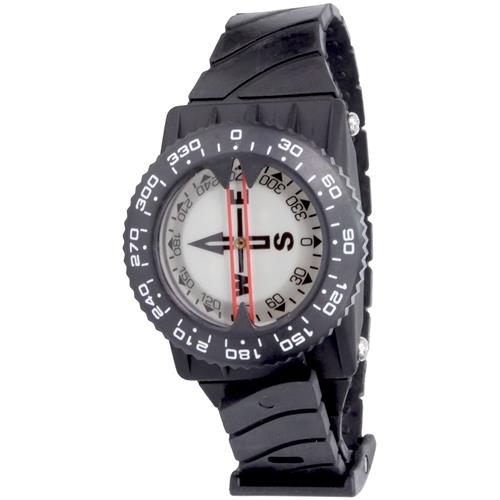
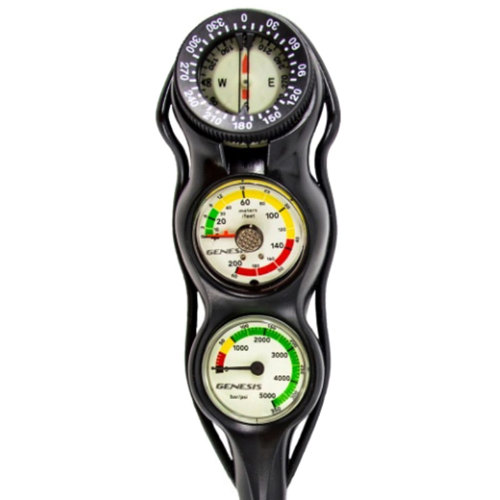
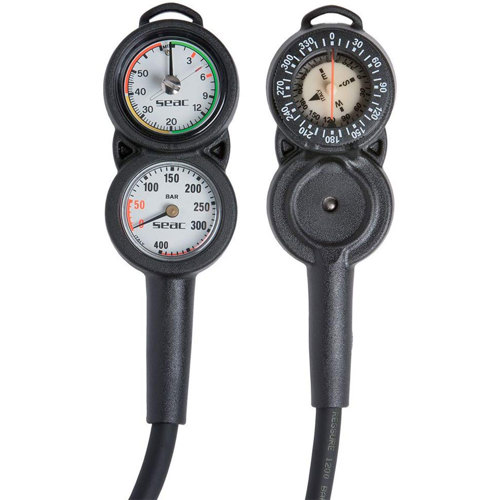
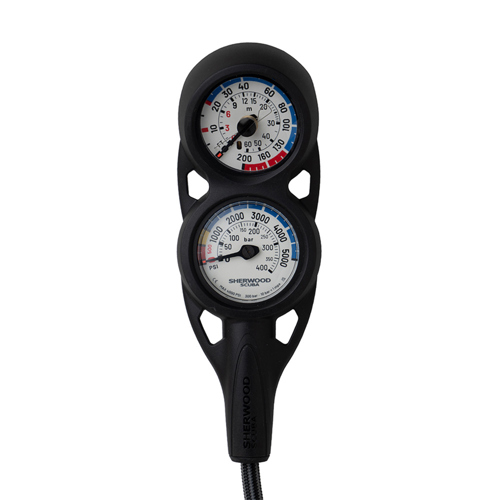
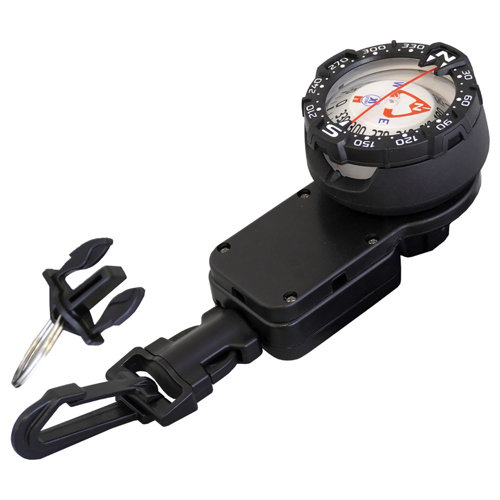
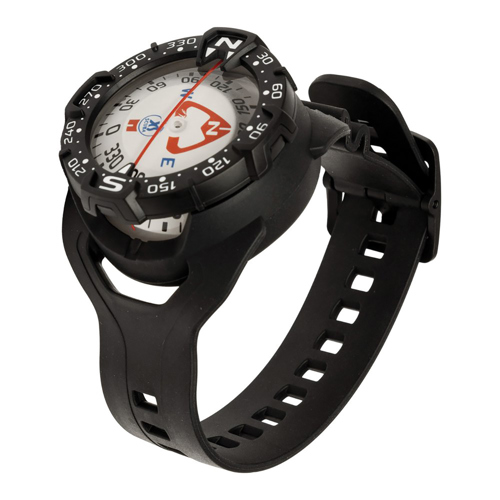
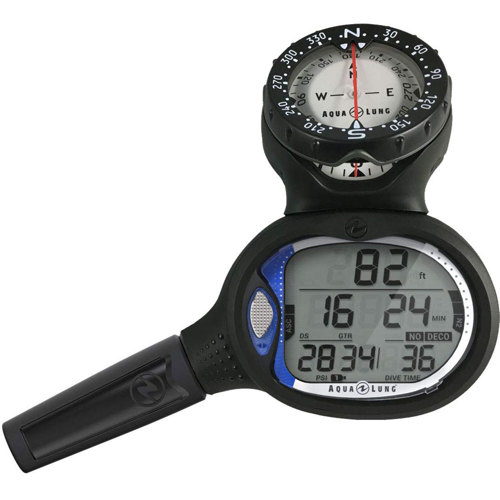
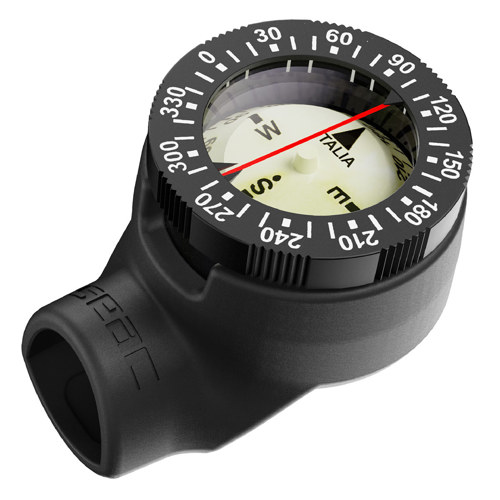
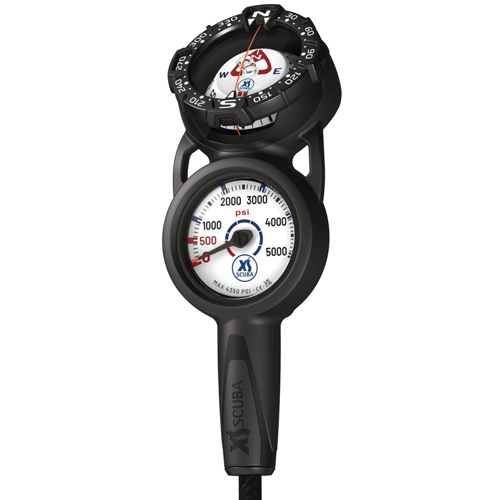
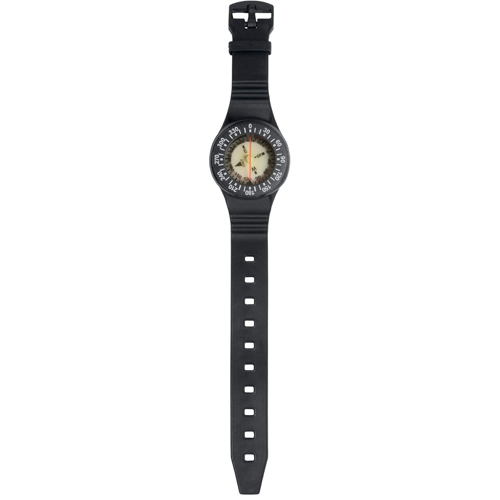
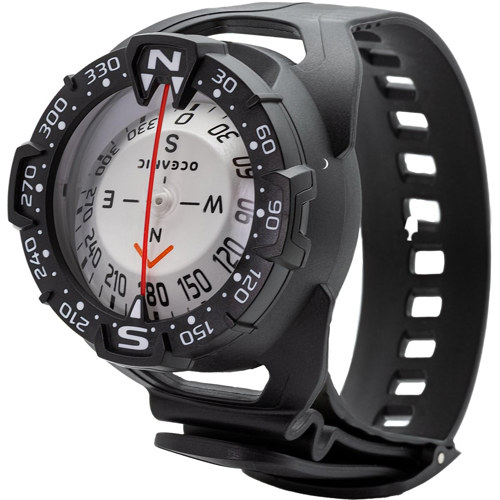
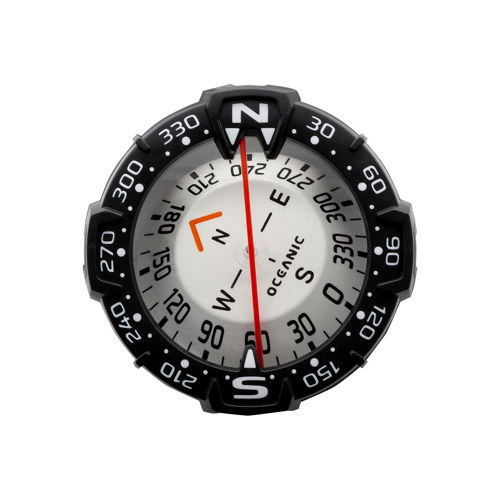
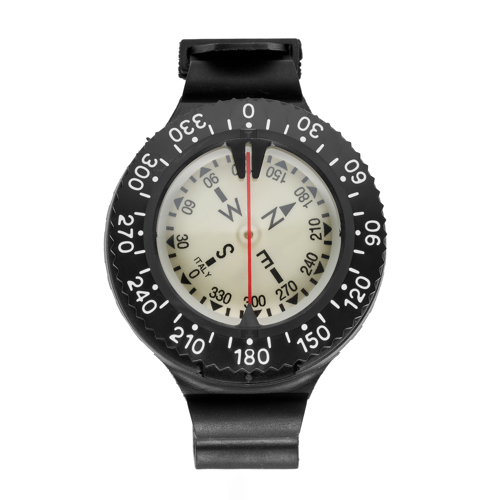
The versatility of survival compasses makes them a thoughtful gift for a wide range of people. Outdoor adventurers, hikers, backpackers, hunters, and even divers rely on dependable navigation tools, especially when venturing far from civilization. For those who enjoy off-the-grid camping trips or backcountry excursions, a survival compass is not just a practical piece of gear—it’s a safeguard against the unexpected. Winter months often bring unpredictable weather and shorter daylight hours, making it even more important to have a navigation tool that works in darkness and adverse conditions. Many survival compasses include luminous markings and sighting mirrors, enabling navigation during early morning starts, twilight hours, or emergencies after nightfall. Mini and button compasses, which can be easily attached to backpacks or keychains, are perfect for minimalist adventurers or as a backup to a primary compass. Meanwhile, baseplate and military-grade models offer enhanced durability and precision, making them suitable for more demanding expeditions or tactical applications. For those interested in underwater exploration, a dive comp or wrist-mounted compass provides reliable orientation beneath the surface, where landmarks and GPS signals are unavailable.
When selecting a survival compass, consider where and how it will be used. A compass with a clear, easy-to-read dial and robust construction is ideal for navigating in challenging conditions, while additional features like rulers, magnifiers, and map scales are helpful for detailed route planning. Sighting mirrors offer a significant advantage for taking accurate bearings on distant landmarks, and declination adjustment ensures your readings account for the difference between magnetic and true north. Whether you’re equipping yourself for a solo trek, preparing an emergency kit, or searching for a practical gift for a loved one who treasures the outdoors, a high-quality survival compass is a wise investment. To explore more options and find the right tool for your next adventure, visit our curated selection of
Precision Compasses, where you’ll discover navigation instruments designed to deliver reliability and peace of mind in any situation.